If you can survive long enough, you will succeed.
Tech
Gene Kakaulin of Curex: Inside the Strategy to Revolutionize Allergy and Asthma Care Through At-Home Sublingual Treatments
The Harvard Business School graduate and healthcare entrepreneur shares how personal struggles with allergies inspired a mission to make advanced immunotherapy accessible to millions.
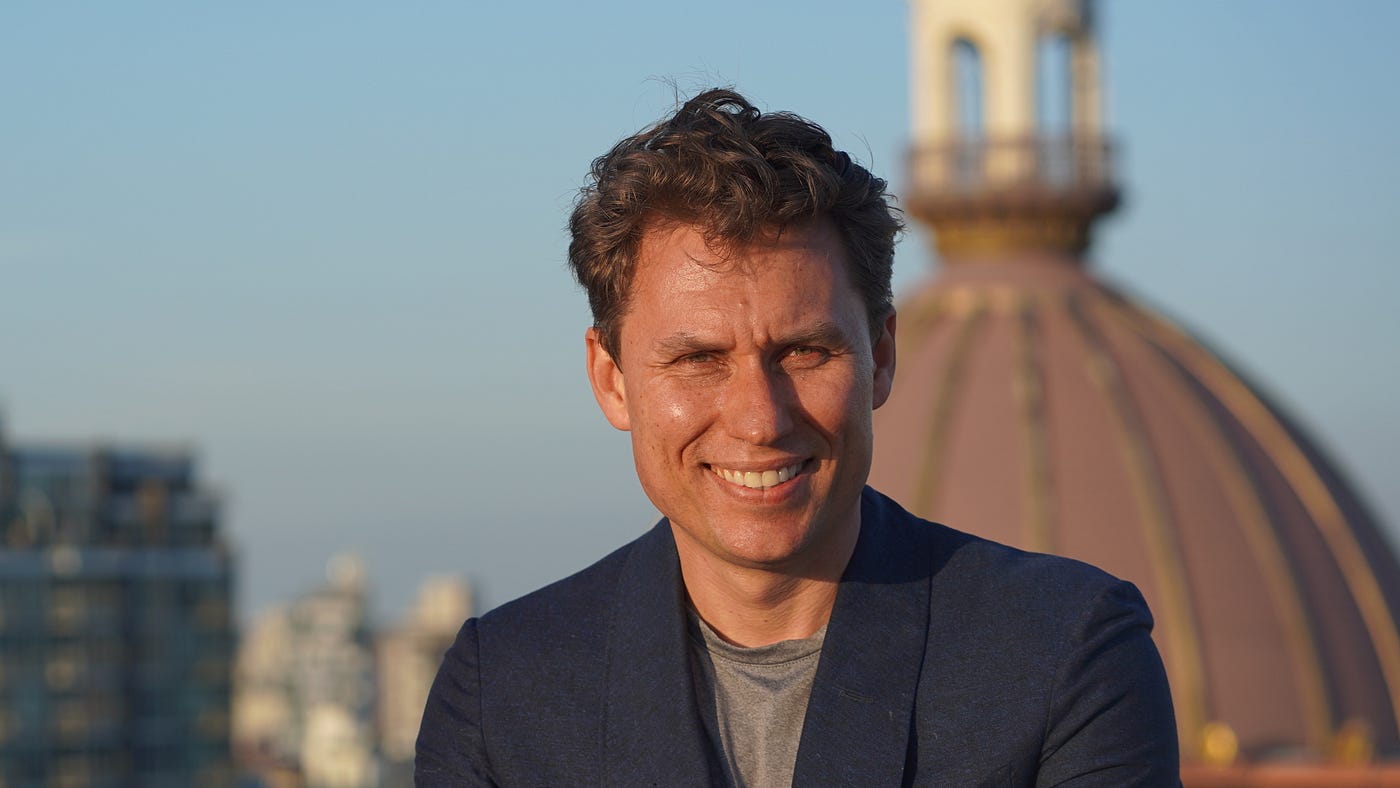
In recent years, Big Tech has gotten a bad rep. But of course many tech companies are doing important work making monumental positive changes to society, health, and the environment. To highlight these, we started a new interview series about “Technology Making An Important Positive Social Impact”. We are interviewing leaders of tech companies who are creating or have created a tech product that is helping to make a positive change in people’s lives or the environment. As a part of this series, I had the pleasure of interviewing Gene Kakaulin.
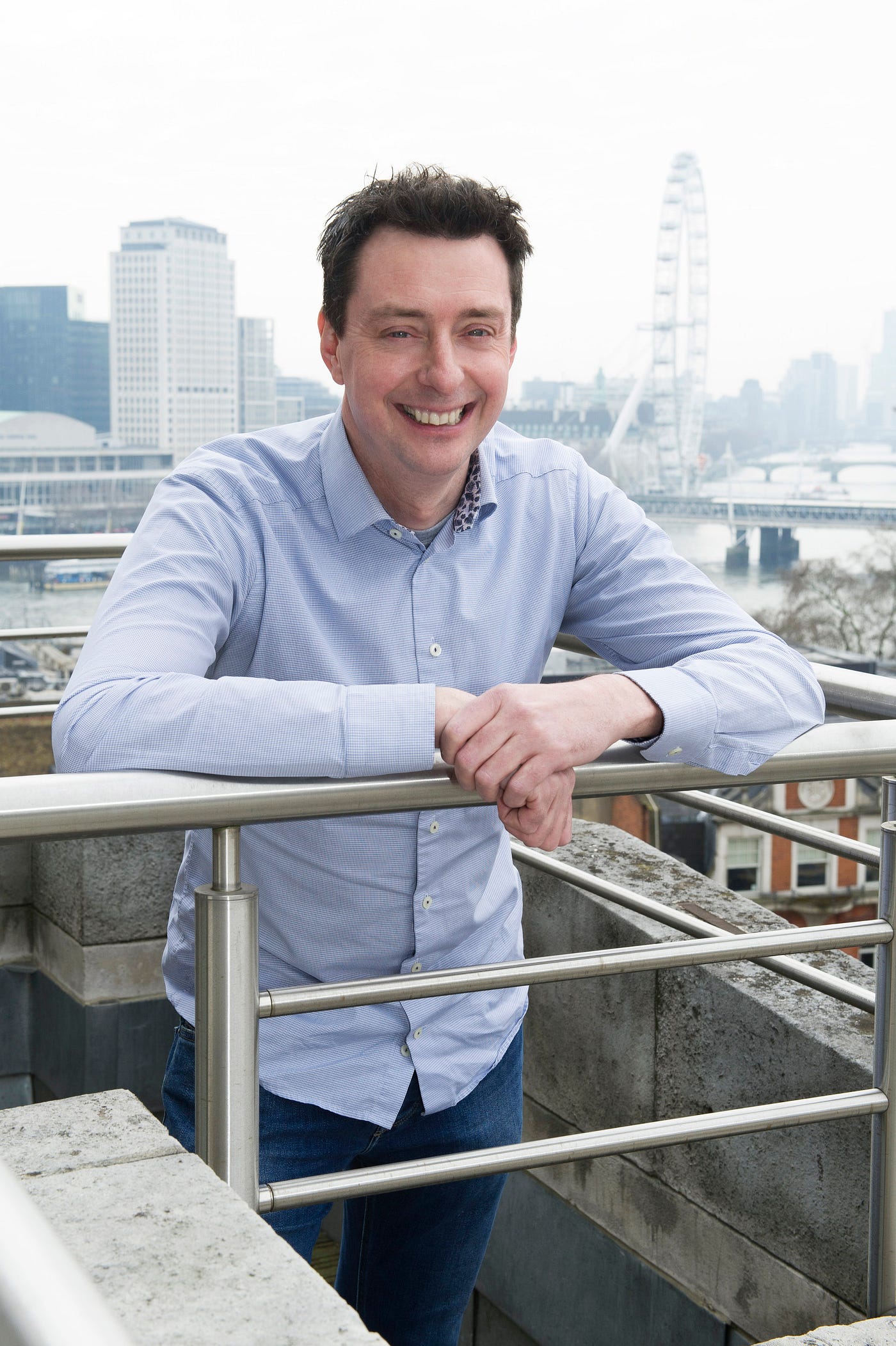
Gene Kakaulin, Co-founder & CEO of Curex — Gene has suffered from seasonal and dust mite allergies all his life, until discovering immunotherapy. He co-founded Curex to give everyone access to life-changing allergy and asthma care. Previously, Gene helped launch Blink Health and Hippo Technologies that help more than 10 million Americans save money on prescriptions. Gene grew up in Kazakhstan and graduated from Harvard Business School.
Thank you so much for joining us in this interview series. Before we dive in, our readers would love to learn a bit more about you. Can you tell us a bit about your childhood backstory and how you grew up?
I grew up in Kazakhstan, playing a lot of chess and becoming one of the best junior players. When I turned 16, my family moved to the U.S. We came to San Francisco, but over time I ended up living in Philly and Boston for school and California, New Yorkow and Florida for work.
Can you share the most interesting story that happened to you since you began your career?
I was working for a start-up clean energy fund that had about a billion to invest. It was a fun job. I met a lot of entrepreneurs. Every time I interviewed a founder, I got really excited about what they did. I tried to help. I helped with recruiting, fundraising, business development and other day-to-day stuff. It reminded me of chess — every day you have to decide what to do and what not to do, so that over time you can checkmate.
I persuaded my best friend from college to start a side project with me. We wanted to make compostable coffee pods for Nespresso machines. Nespresso’s patents had just expired, and we thought we could make a higher quality product by roasting and packaging when people ordered instead of selling through retail. So we set up a website and found a roaster to help us make the product. The first day we had four orders, then we had 10, soon we had a few hundred orders per day until we grew to more than 100,000 customers. I never looked back and decided to quit finance and run the business full-time.
None of us are able to achieve success without some help along the way. Is there a particular person who you are grateful towards who helped get you to where you are? Can you share a story about that?
One of my investors and board members at Hippo Technologies was Michael Bator. He is a long-time healthcare investor and knew more about pharmacy benefit management than anyone else I knew at the time. So when we were starting Hippo, we shared our vision for building a tech platform that connects pharmacies, insurance companies and doctors offices. He got excited about it and joined us as an advisor, taking us into the c-suite of every major pharmacy and pharmacy benefit manager in the country. That allowed us to build a platform that now serves more than 10 million patients.
Can you please give us your favorite “Life Lesson Quote”? Can you share how that was relevant to you in your life?
Sometimes when it gets gloomy, I whistle “Stayin’ Alive”. This song generally sums up how I think of the start-up life. If you can survive long enough, you will succeed.
You are a successful business leader. Which three character traits do you think were most instrumental to your success? Can you please share a story or example for each?
I remember watching my first U.S. presidential elections years ago. I couldn’t understand why we had something called a beer test. Why would we decide who should be president — and the most powerful person in the world — based on an arbitrary, and frankly silly, metric.
But over time the beer test grew on me. I worked with a lot of people before, and some of them would not pass the beer test. For example in finance, there are a lot of high IQ ambitious people who also may be assholes. I wouldn’t trust them and would avoid hanging out with them, if I could help it.
So in a way, a sign of leadership for me is whether people who work with you would want to have a beer or a meal with you. Do they like you? Do they enjoy spending time with you? Do they trust you with their secrets? If they do, you can be so much more effective. Running a business is a team sport. It’s not about what you can do yourself, but what a team can deliver that no one person can do on their own.
Let’s now shift to the main part of our discussion about the tech tools that you are helping to create that can make a positive impact on our wellness. To begin, which particular problems are you aiming to solve?
I’ve suffered from allergies and allergic asthma all my life. I couldn’t play some sports, which is probably why I liked chess so much. I couldn’t spend a lot of time outside. It impacted how I slept.
My mother is a doctor, so I got the best diagnostics to see what’s causing my problems and got treated with everything.
What was the most effective treatment for me, and for most other people with moderate and severe allergies is immunotherapy. It is normally done with allergy shots at the doctors office. It requires that you go to the doctor every week for a shot. It takes months before you start feeling better and years before your symptoms get under control.
But few people have time to do allergy shots. In fact, most people with allergies or asthma don’t even get the best available professional advice. Few get tested to see what’s causing their symptoms. People just go to their primary care doctor to get an inhaler or a recommendation for over-the-counter medication. They don’t get the best care, because most of our healthcare focuses on emergencies or situations when people get really sick.
How do you think your technology can address this?
Several years ago, a friend shared that he was doing allergy therapy at home, with allergy drops. I assumed it was a homeopathic product. But it’s not. It’s a prescription product that some allergists recommend instead of allergy shots, normally for people who don’t have the time to come in every week. Sublingual treatments have been studied over the last 30 years and have very good efficacy and safety. In France, they account for 85% of treatments. In the U.S. they are still rare because few insurance plans cover them and the product is less profitable for clinics.
So we built a network of allergy and asthma specialists across the U.S. to make it easier for people to get access to sublingual treatments and professional advice. We have also contracted with a network of medical assistants who can come to your home to conduct an allergy test to help with the correct diagnosis. We work with pharmacies to ship the most effective prescriptions to people’s homes at the best prices.
Can you tell us the backstory about what inspired you to originally feel passionate about this cause?
It all started with personal experience. But then we realized that there are about 25 million asthma sufferers in the U.S. and over 60 million people with allergies. Very few have access to the best treatment and no company created a convenient at-home experience for this population.
How do you think this might change the world?
Many doctors think that allergies are a minor inconvenience. But the data shows that it’s the number one reason people miss work or school. 59% of kids with asthma miss at least one day of school per year. It also impacts black communities in a much bigger way than white, in part due to limited access to the best available treatments. We are looking to change that.
Keeping “Black Mirror” and the “Law of Unintended Consequences” in mind, can you see any potential drawbacks about this technology that people should think more deeply about?
One aspect of what we do involves coaching, especially of asthma patients. Most people don’t fully appreciate how their environment impacts their breathing. Many don’t know how to take their medications correctly, or which medication would work best for them.
We supplement our coaching with smart devices like smart inhalers, spirometers, nebulizers, and others. These devices are intended to help people track their treatment and progress, but also share information with our clinical team who can coach and help you stick with the program.
Sharing the data about medications in real time could feel like encroaching on privacy for some. We are very careful about security and privacy.
Here is the main question for our discussion. Based on your experience and success, can you please share “Five things you need to know to successfully create technology that can make a positive social impact”? (Please share a story or an example, for each.)
My approach to starting a business has always been to focus on the problem. The scale of the problem can vary from helping people get fresh coffee at home, to saving money on medications to getting the best treatment for allergy and asthma. Some problems are worth solving, and there are a lot of partners, employees and investors who will help you. If the problem is big enough, everyone will want to be involved and help.
Some entrepreneurs start with a solution, and then look for a problem. They too can be successful, but it’s a different way to build a business. For example, a lot of D2C companies innovate on marketing and packaging with products that already have wide adoption.
If you could tell other young people one thing about why they should consider making a positive impact on our environment or society, like you, what would you tell them?
There are a lot of ways to make money. Most of them are hard. You may as well do something that helps people in a meaningful way, so that you could make a difference.
Is there a person in the world, or in the US with whom you would like to have a private breakfast or lunch, and why? He or she might just see this, especially if we tag them. :-)
Ron Chernow — an amazing biographer and a great human being!
How can our readers further follow your work online?
Tell your friends and family about GetCurex.com. We offer free allergy testing at home with our Allergy Therapy Plan.
Thank you so much for joining us. This was very inspirational, and we wish you continued success in your important work.
DP
Written by
Dave Philistin, CEO of Candor
Columnist & ContributorAuthority Magazine Columnist & Contributor

Published inAuthority MagazineTop Lessons, Top Authorities · 42K Followers
Exclusive, curated interviews with the leaders and changemakers shaping tomorrow. Leadership lessons, industry deep dives, and executive profiles.