I found myself in cultures and situations that were completely new to me. You learn very quickly that your own way of looking at things is only one way.
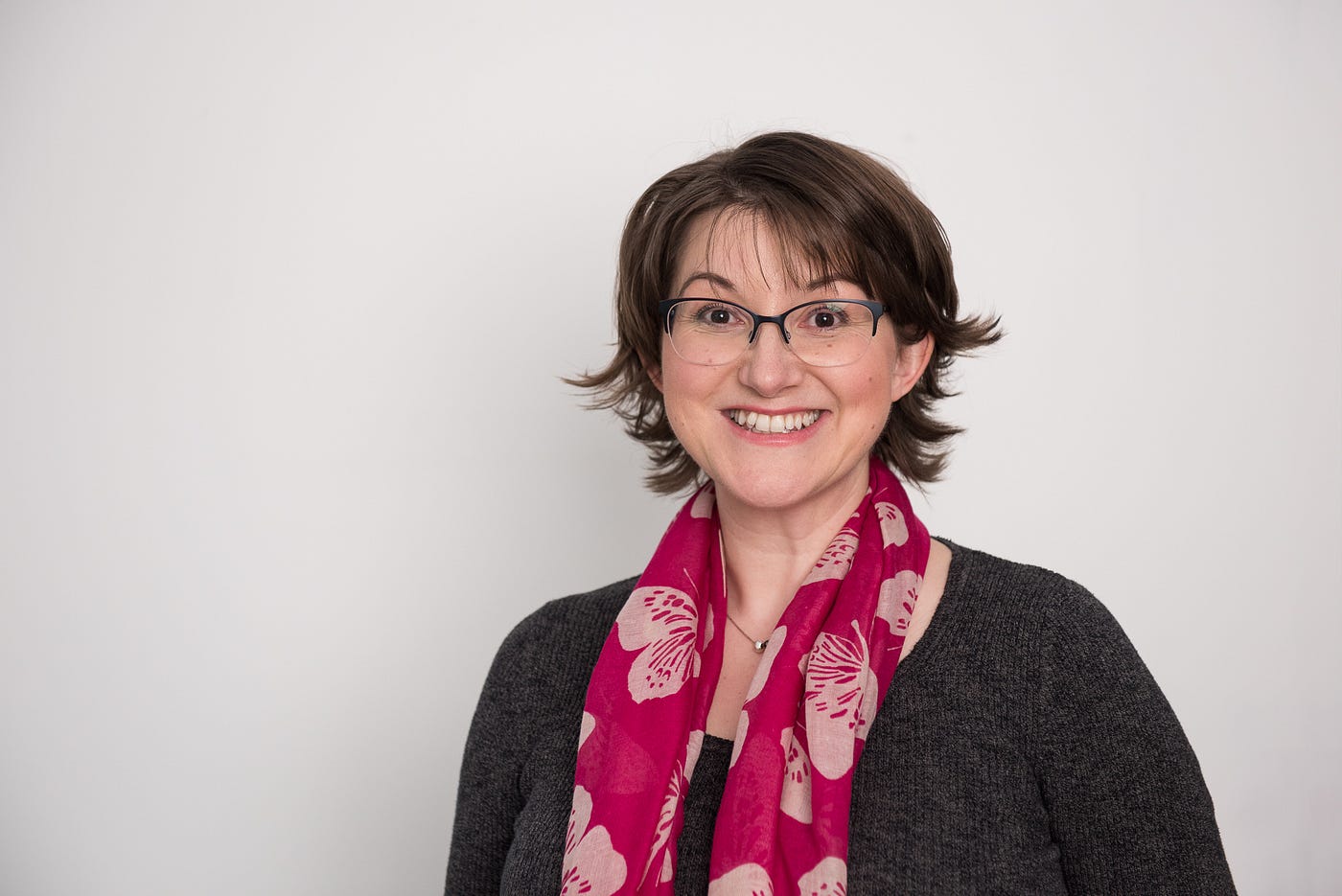
As a part of this series, we had the pleasure to interview Galya Frayman Molinas.
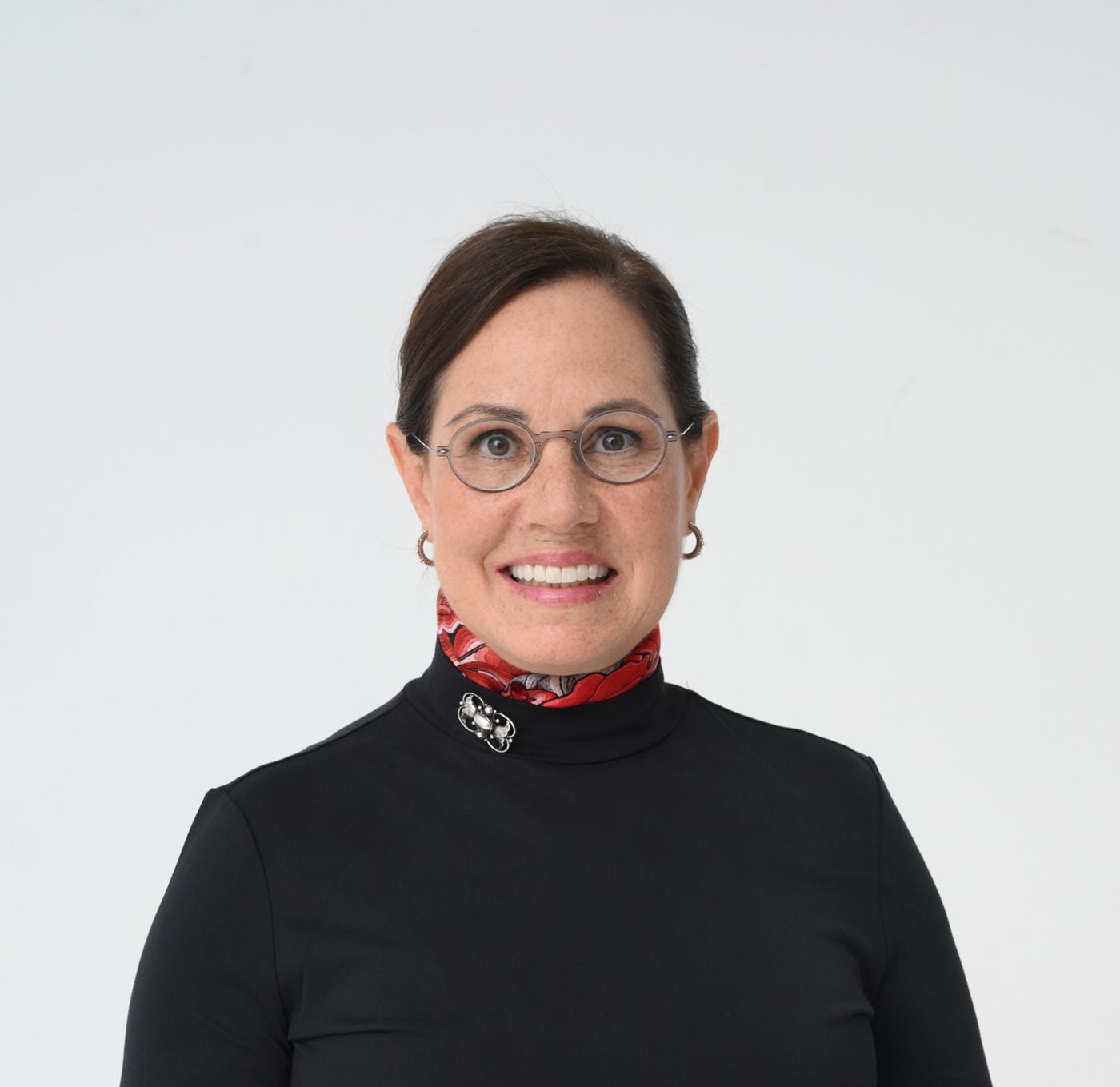
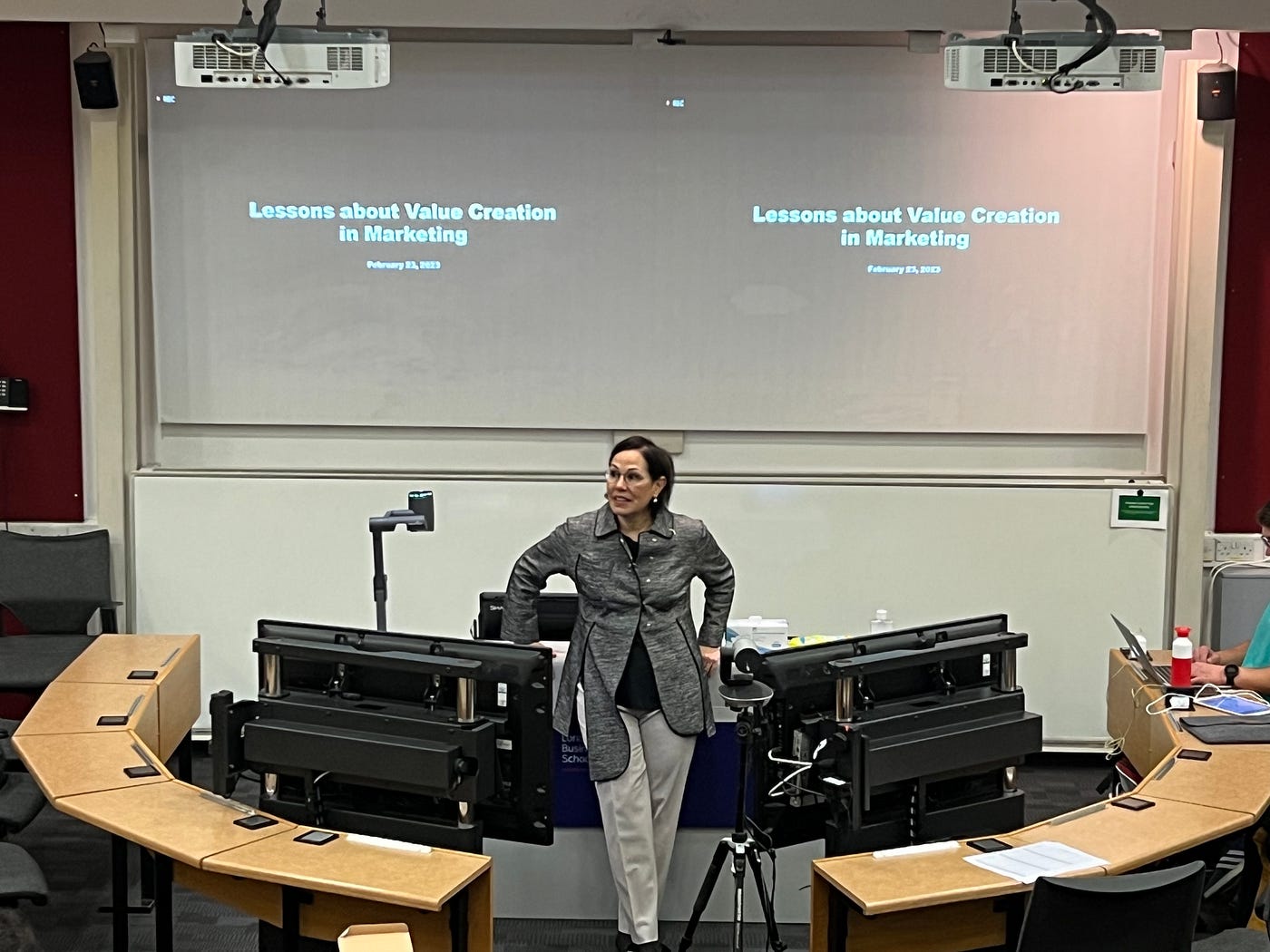
Galya Frayman Molinas is a business leader, Non-Executive Director and educator with more than three decades of global and cross-cultural leadership experience spanning general management, strategy and marketing. Galya began her career at Unilever before joining The Coca-Cola Company, where she led businesses across multiple regions including Turkey and Central Asia, served as President of Coca-Cola Mexico, and headed the company’s global strategy function. Following her global executive career, Galya reshaped her work around governance, teaching and social impact. Today, she serves on corporate and non-profit boards, teaches strategy at London Business School, and supports social changemakers through the Ashoka Foundation. Her current work explores how longevity is redefining careers, leadership and organizations, and challenging traditional assumptions about how we work and build our lives. Having lived and worked across multiple cultures, Galya remains deeply curious about people, experiences and their stories. Together, she and her husband Hayati enjoy discovering places and perspectives. She loves crochet, which she considers her version of meditation, and enjoys making pieces for her family. She is the co-founder of the What’s Next Initiative and co-author of The Many Lives of Work.
Thank you so much for joining us in this interview series! Our readers would like to get to know you a bit better. Can you please tell us about one or two life experiences that most shaped who you are today.
From a professional standpoint, living and working in different countries has probably shaped me most. My work took me from Turkey to Europe, Asia and Latin America. I found myself in cultures and situations that were completely new to me. You learn very quickly that your own way of looking at things is only one way. It gave me a deep appreciation for cultural richness.
Stepping away from a long executive career was an important turning point. It forced me to reflect on a difficult question: when you move on from an identity that has defined so much of you, how do you reinvent yourself? That journey led me to new ways of contributing, to co-founding What’s Next Initiative and The Many Lives of Work, a book about rethinking career change in the age of longevity.
And then there is the personal side which is the most important. I had a demanding career, but my husband and my two sons have been my constants; they are at the center of my life. They have kept me grounded and given me perspective, helping me grow.
What will be the same about work 10–15 years from now? What will be different?
People will still want to contribute, feel useful, belong, learn and be recognized for what they bring. Organizations will still need judgment, collaboration and most importantly, leadership. Trust will continue to be key.
Technology will transform many parts of work (and life), changing what we do and the skills we need. Careers will evolve. Longer lives will mean longer, less linear careers, periods of growth, dormant seasons, disruption and renewal will become natural parts of working life. Our systems, institutions and organizations will need to catch up with this new reality.
What advice would you offer employers who want to future-proof their organizations?
Don’t try to predict what will happen ten years from now. Build an organization that can adapt and keep moving forward.
Invest in people as much as technology. Make learning part of the everyday work. Create opportunities for your talent to move across the organization, even in the ecosystem and experiment new approaches.
I would also pay much more attention to experienced talent. We should not waste valuable experience because of existing policies or assumptions. We need to look at this talent differently and find new ways to leverage that experience to work.
Culture matters enormously. Build a curious and flexible culture, one that is willing to challenge itself, learns and reinvents.
What will be the biggest gap between what employers offer and employees expect?
I think the biggest gap will come from the people’s relationship with work. One size no longer fits all. As working lives get longer, people will expect more choice in how they work, grow and contribute. What they want from work may also change at different stages of life.
Many organizations are still built around fairly standard career paths, policies and definitions of progress. Employers will need to accommodate different career rhythms, periods of growth, learning, stepping back or changing direction. Flexibility is part of this, and so are agency, continued development and finding new ways to contribute.
What societal changes are necessary to support a future of work that works for everyone?
We need to rethink some of our systems around longer lives and longer careers. Education cannot be something we concentrate almost entirely in the first 20 years of life. Learning and reskilling have to be there throughout a career.
There are also some deeply rooted assumptions about age and retirement that need to change. If people are living and working longer, age should not determine when someone stops being seen as employable or able to contribute. People need opportunities to continue contributing, with purpose and dignity. We also need to learn how to make the most of a multigenerational workforce, where different generations can learn from and contribute to one another.
Our social systems have to reflect the new reality: careers are no longer linear. As people move through different stages and transitions, social support systems and community becomes increasingly important. Our lives have changed. The structures need to catch up.
What is your greatest source of optimism about the future of work?
Human agency. The world of work will change in ways we cannot fully predict, but people are not passive participants in that change. We can make choices, learn, experiment, adapt and change direction. We may have more influence over our working lives than we may think.
That is also something we saw in our research. People can create new possibilities at very different stages of life. We may not control everything that happens around us, but we do have agency within our constraints.
Innovative strategies to improve mental health and wellbeing
I think wellbeing has a lot to do with the work environment itself. Do people have some control over how they work? Do they have good relationships around them? Is the workload sustainable? Do they feel that what they do matters? Are they truly valued and recognized for what they do?
Innovation may come from getting these basics right rather than adding more wellbeing initiatives. Sometimes more autonomy, a better manager or simply feeling heard can have more impact than another program.
And we should recognize that people’s needs change over time. What works for someone at one stage of life may not work five or ten years later. Giving people room to adjust how they work can itself be an important part of wellbeing.
Great Resignation, Great Reconfiguration, Great Reevaluation: what should leaders learn?
These headlines are telling us something consistent: people are questioning what they want from work and what success means. I don’t think this means people have lost their ambition. But ambition is not the same for everyone, and it can change over a lifetime.
Leaders need to pay attention to that. People want to be heard and recognized, and they want some say in how their careers develop. Company cultures will have to become more open to different definitions of success and different ways of contributing.
My Top Five Trends to Track in the Future of Work
1. AI will reshape work and the value of human skills.
2. Longer lives will create longer, less linear careers.
3. The workforce will become genuinely multigenerational.
4. One size will no longer fit all as it comes to careers.
5. Continuous learning will become part of working life.
What role do reskilling and upskilling play as AI reshapes industries?
They will be essential. But I don’t think training alone will be enough. People need opportunities to apply what they learn, to experiment, take on different assignments. And individuals will need to take more responsibility for their own learning. As AI keeps changing work, learning cannot be something we do occasionally. It has to become part of our work, in fact our life.
What will managers do when AI takes over administrative work?
They will have more time to manage people! The human side of management will become more important, not less. AI can help managers do their jobs, but it cannot replace the relationships and trust that good management depends on.
Favorite Life Lesson Quote
I would quote Victor Frankl: “Between stimulus and response there is a space. In that space is our power to choose our response.”
I like it because we cannot always control what happens to us, but we can choose how we respond. And sometimes, we can also choose to change the situation itself.
Who would you most like to have breakfast or lunch with?
I would love to have breakfast or lunch with Mirka and Roger Federer. I’m fascinated by Roger’s journey and equally by the partnership behind it.
If I could have a second lunch, I would choose Theaster Gates. I find the way he brings together art, entrepreneurship and community very inspiring.
Thank you so much for the time you spent on this. We wish you continued success!