As an idea person, I used to think that success in business was all about the big idea. But it’s actually more about execution.
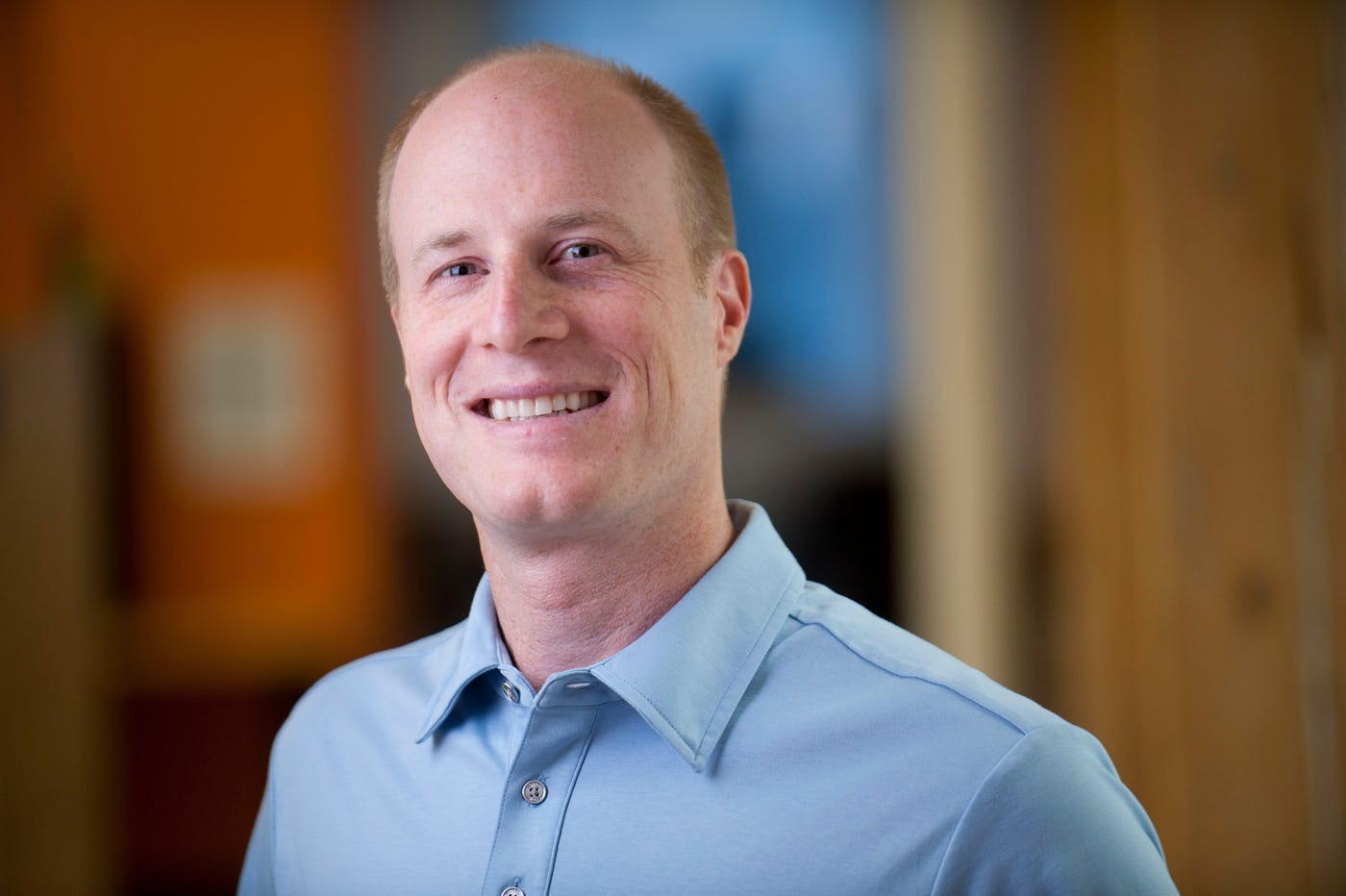
I had the pleasure of interviewing Fred Haberman, the co-founder and CEO of Haberman, an agency on a mission to tell the stories of pioneers making a difference in the world. In the last 20 years, Haberman has helped bring organic food into the mainstream, spurring the growth of brands like Earthbound Farm, Annie’s, Organic Valley and Traditional Medicinals. Fred is also the co-founder of Urban Organics, one of the first USDA-certified-organic aquaponics facilities in the country. A model for a new kind of sustainable farming, Urban Organics has been profiled nationally and internationally by Newsweek, FastCo and The Guardian.
Yitzi: Thank you so much for doing this with us! What is your “backstory”?
SoHaberman, our agency, started in 1994. My wife and I set up shop in our duplex, doing PR, consulting — all focused on one mission, the same one we have today: telling the stories of pioneers making a difference in the world.
Before that, we’d been consultants in organizational development. And before that, we were explorers. We started a business in Kazakhstan, a part of the world that very few Westerners had ever been to. We also launched our own adventure travel company, where we led groups all over New Zealand, the Himalayas, etc.
And before that, I was a camp director. I mention it because it was absolutely a transformative time for me. On the hiking trails of Camp Manitowish, the largest YMCA camp in the country, I had these profound interactions not just with nature but with big life stuff like risk-taking, humility, uncertainty and collaboration — all the things that entrepreneurs must master in one way or another. And I learned a lot about leading a team, about how to challenge people to learn and grow and move forward in pursuit of a shared mission.
Yitzi: Can you share the funniest or most interesting story that happened to you since you began leading your company?
Back when Haberman was still a small outfit — we were a team of five people in a warehouse space — our office vibe was more “college dorm” than “serious business.” So when 1,000 square feet across the hall opened up, we thought, hey, wouldn’t it be cool to make that into our own little music jam room? We envisioned the space as this chill zone where, you know, if one of our employees just couldn’t seem to work through a problem, or if they needed a place to let loose, they could come in and jam for a while, get the creative juices flowing.
So we signed a yearlong lease for a significant amount of money (for us, at the time). We painted the space in these funky orange-and-green colors, and we brought in our amps.
I was the first to try it out. I plugged in my Fender Stratocaster and let ‘er rip. The sound was great. I felt great. Honestly, I was feeling so incredibly cool, just thinking about how amazing it was to be in business for myself, and how I was potentially the coolest employer who had ever lived. I stopped for a second, and I heard the sound of beating on the walls. And then I heard shouting. It was coming from both sides. The neighbors were yelling at me. “What are you doing?! Why are you doing this in the middle of the day?!”
I’ve learned that you need to think about others as you go about manifesting your dreams. Not everyone feels totally inspired when they hear an amateur guitarist play amped-up Allman Brothers songs at 2 o’clock in the afternoon.
Yitzi: So how exactly does your company help people?
Haberman is a full-service marketing agency. We work across all channels including advertising, branding, public relations, digital and web, social media, etc. We help pioneers in a variety of industries but we have sweet spots for good food, health and technology.
Yitzi: What do you think makes your company stand out? Can you share a story?
I think our mission makes a big difference. We attract organizations and brands that are led by good people doing good things in the world. We’re also pioneers ourselves. We created the U.S. Pond Hockey Championships all by ourselves and grew it into an annual event drawing 20,000 people every year. We co-founded Urban Organics, one of only two USDA certified organic aquaponics facilities in the country and what The Guardian called one of the 10 most innovative projects from around the world. Because we create our own passion projects, we learn by doing, and that translates to real-world insights for our clients.
Yitzi: None of us are able to achieve success without some help along the way. Is there a particular person who you are grateful towards who helped get you to where you are?
Definitely my parents. They are the most generous, inspiring, socially conscious people I’ve ever met. Growing up, I watched them do so much for people in need, through philanthropy, education, supporting the arts. I’m beyond grateful to them for giving me a strong sense of purpose.
Yitzi: How have you used your success to bring goodness to the world?
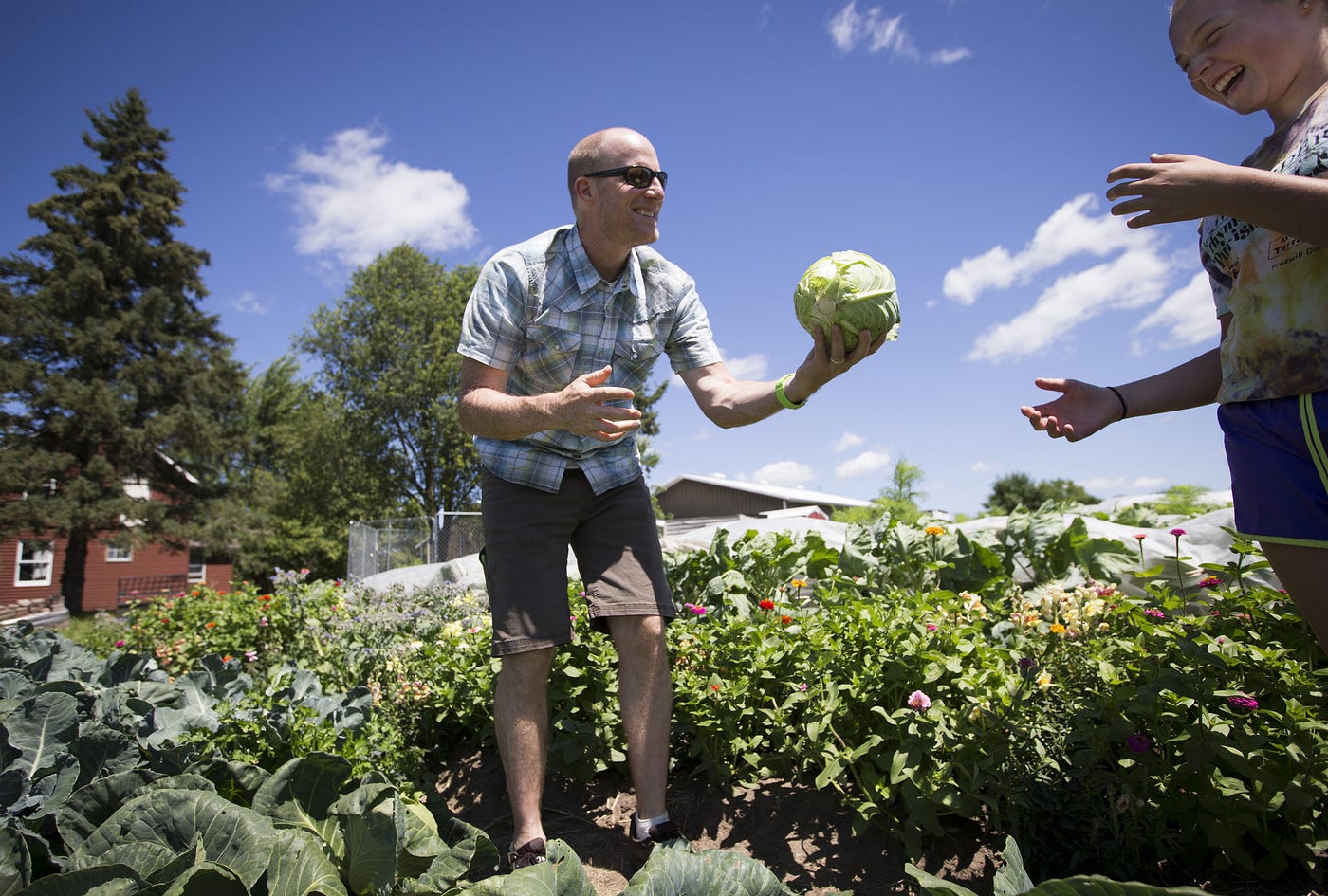
I see good things from our work in the organic industry, how we’ve helped spur the tremendous demand for better food and healthier eating. Consumer demand for organic has grown by double-digits nearly every year since we started out. What was a $3.6 billion market in 1997 is now closer to $50 billion. Along with that, I’m proud of Urban Organics, the sustainable farm we co-founded inside an old brewery — an idea that’s set to go national and one that brought all kinds of renewal and economic development for the city around it.
I think about the DNA of Haberman, the agency, and the good we bring in supporting and mentoring not just our own people but also the pioneers we serve, including foundations, nonprofits and other entrepreneurs. On a personal level, I do my best to give back financially to make a difference, whether that’s to causes like Appetite for Change or startups like Mesh X, a food-waste company.
Yitzi: What are your “5 Things I Wish Someone Told Me Before I Became CEO” and why. (Please share a story or example for each.)
The first thing I wish someone had told me: leading an independent company sometimes means you have to put your own money on the line. This can be incredibly stressful, especially when one of your key values in living debt-free. In 2009 I guaranteed a loan to help grow our business and then the deep recession hit. While we made it through this tumultuous period, you could often find me under my desk in the fetal position with my thumb in my mouth.
The second thing: As an idea person, I used to think that success in business was all about the big idea. But it’s actually more about execution. In 2005 I had a big idea to create the largest outdoor hockey tournament in the world. The execution of that big idea required me begging literally hundreds of people to help me put 25 hockey rinks on a lake in the middle of January in Minnesota. It was a success, for sure, but the execution nearly put me in a straitjacket for life.
Number three: Passion and purpose trumps everything. While financial rewards are important to people, they are ultimately secondary to people’s desire to work in a positive culture that is filled with purpose. Time and time again we’ve found that people become advocates and downright zealots when they are doing work they are passionate about.
The fourth thing: The soft stuff is the hard stuff. Everyone talks about profit and loss and the rational side of business, but it’s much harder to do the emotional work that comes with developing and inspiring people. You can develop all the processes and quality assurance programs you’d like, but at the end of the day if people don’t trust and like each other, they system is going to break down. That’s why we tell prospective employees that we hire folks who exhibit three key characteristics: kindness, brilliance and adaptability.
Last thing I wish somebody would’ve told me? Set aside money for therapy. Being a CEO takes a toll. The life of an entrepreneur is all about chaos and constant change. You have to learn to manage your energy and protect your sanity in the midst of pretty extreme stress. I used to think going to an executive coach or therapist was a sign of weakness but I know now that it’s critical.
Yitzi: Some of the biggest names in Business, VC funding, Sports, and Entertainment read this column. Is there a person in the world, or in the US whom you would love to have a private breakfast or lunch with, and why? He or she might just see this :-)
Bill Maher! I’m a huge fan of his show, especially his “New Rule” segment. He’s hysterical, and I appreciate his courage to speak the truth and be authentic.
Along with politics, I would love to talk to him about the good-food movement — like sustainable agriculture (including our own Urban Organics, the aquaponics facility that uses 90 percent less water to produce organic food), and how food access is a key issue that shines a light on social injustice in America.