The United States Constitution and Bill of Rights is a remarkable document that inspired me to become a First Amendment lawyer. Protecting the rights of the press to provide the world with accurate information has served as a through-line for my career.
Business
Eve Burton of HearstLab on First Amendment Rights, Global Diplomacy, and Supporting Female Founders
The veteran media executive and general counsel discusses her journey from international humanitarian work to leading strategic enterprise deals and championing press freedom at Hearst.
How does a successful, strong, and powerful woman navigate work, employee relationships, love, and life in a world that still feels uncomfortable with strong women? In this interview series, called “Power Women” we are talking to accomplished women leaders who share their stories and experiences navigating work, love and life as a powerful woman.
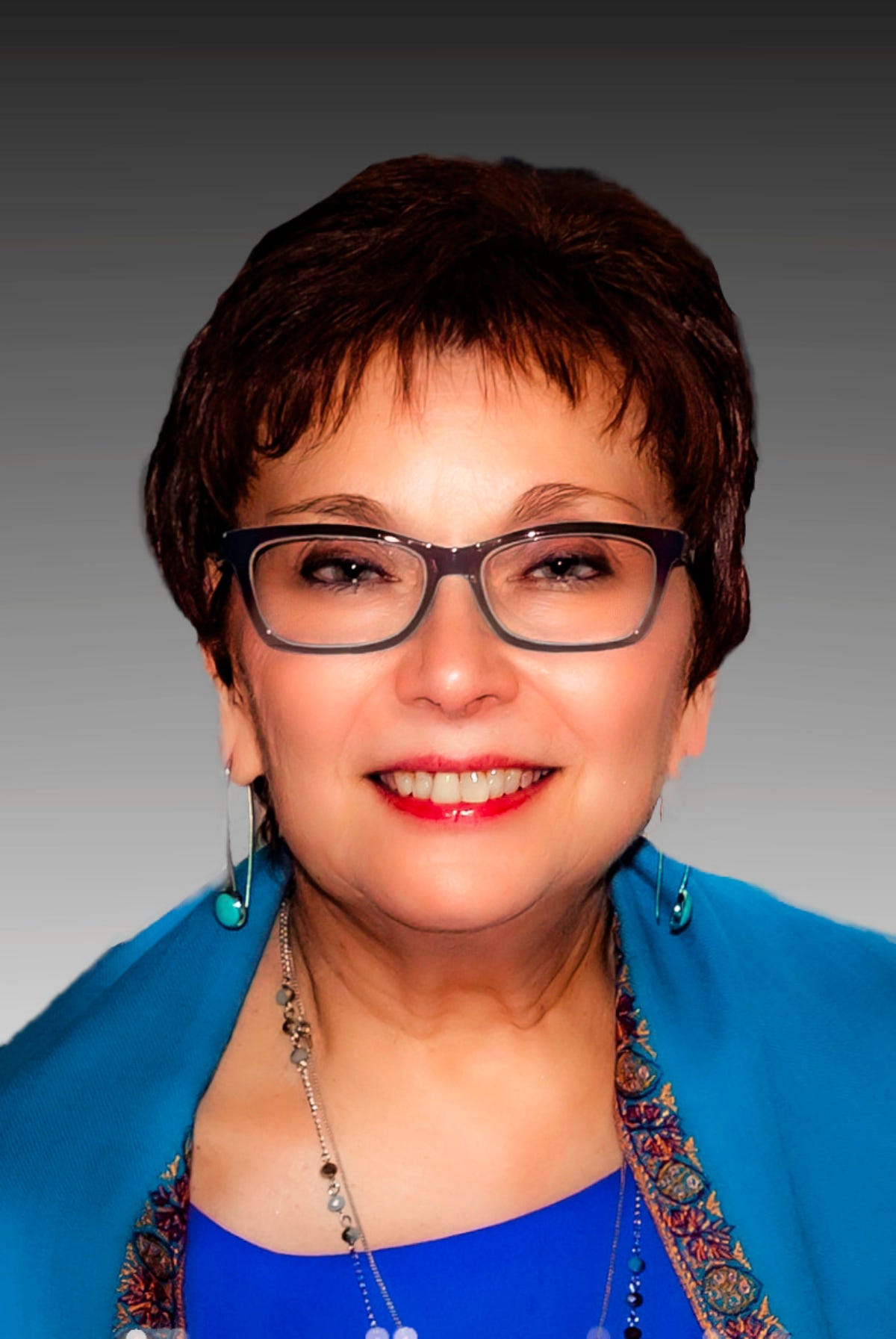
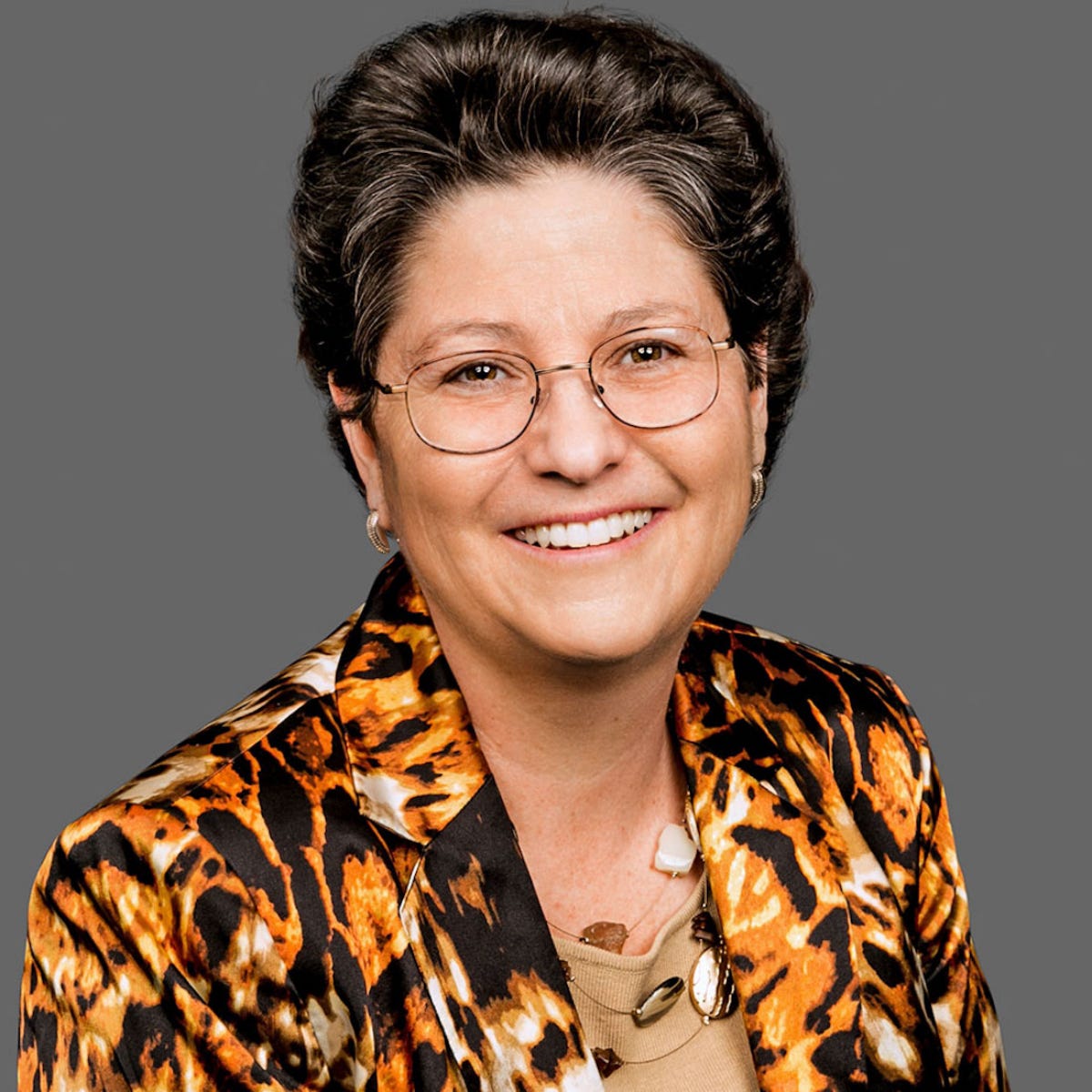
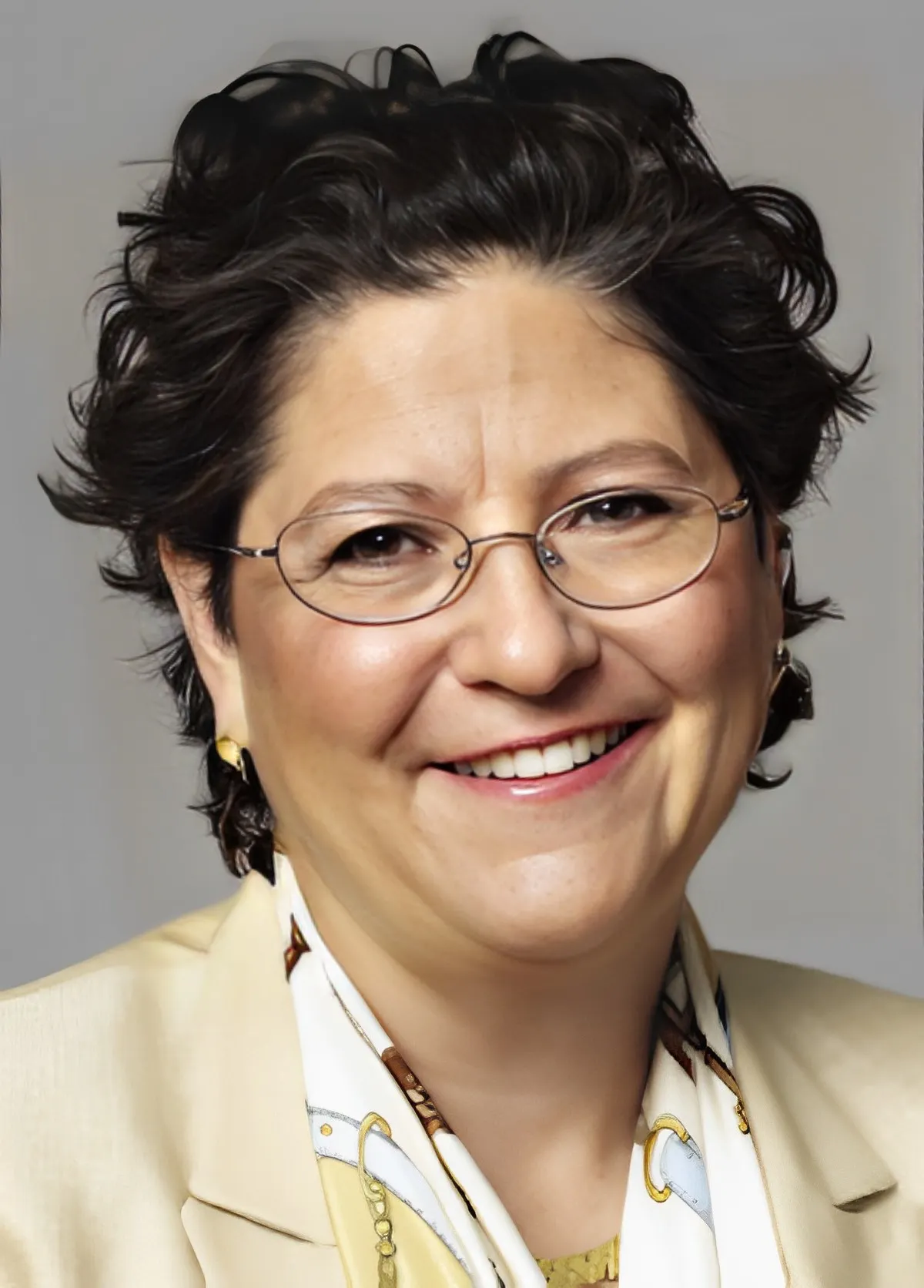
As a part of this series, I had the distinct pleasure of interviewing Eve Burton.
Eve Burton is an executive vice president and the chief legal officer of Hearst, a leading global diversified media, information and services companies, with more than 360 global businesses. Hearst’s major interests span cable entertainment and syndication, interactive and emerging digital media, local broadcast television, magazines, newspapers and real estate as well as business information companies that create and deliver content, analytics and workflow solutions for the finance, healthcare and transportation industries worldwide.
Burton is a member of Hearst’s board of directors. She has overall responsibility of day-to-day management for the Office of General Counsel, which provides legal services to all of Hearst’s businesses around the world. She also manages Oracle HCM technology operations, compliance, corporate human resource issues, labor relations and government affairs. Burton has been one of Hearst’s leaders in establishing worldwide strategic enterprise deals with partners. Additionally, she is a member of Hearst’s Venture Committee, which funds digital initiatives, and is the co-founder of and oversees HearstLab, which fosters innovation and investment in early stage businesses led by women.
Burton sits on the board of directors of Intuit, Inc. and previously was on the board of directors of AOL until its sale to Verizon. She is a member of the advisory board of the David and Helen Gurley Brown Institute for Media Innovation at Stanford and Columbia Universities and is a member of The Council of Foreign Affairs.
Prior to joining Hearst, Burton served as vice president and chief legal counsel at Cable News Network (CNN), where she oversaw all legal matters relating to news and other programming on CNN networks and websites. From 1995 to 2000, Burton was at the New York Daily News as the deputy general counsel. She began her career at the law firm of Weil, Gotshal & Manges after serving as a law clerk for the Hon. Leonard B. Sand in the United States District Court of New York. Burton was a Fulbright Research Scholar at Thammasat University in Bangkok.
The Hearst Office of General Counsel has a dedicated initiative to the ongoing protection of First Amendment rights for its journalists and the preservation of a free press and was awarded a lifetime First Amendment Award from the Reporter’s Committee for Freedom of the Press. Burton has won the Fulbright Award for her international work. She was also named an Outstanding Woman of the Bar by the New York County Lawyers’ Association.
Thank you so much for doing this with us! Before we dig in, our readers would like to get to know you a bit more. Can you tell us a bit about your childhood “backstory”?
My dad was a professor of finance and not-for-profit management, and my mom was a social worker. My dad studied the theory of money, but never lived to maximize wealth. That distinction was a key foundation that informed my moral compass from a young age. Equally, my mom’s work centered our family connection around community and empathy.
My childhood dream was to compete as an equestrian on the World Cup circuit. I rode competitively for many years, but ultimately, my academic parents believed it was time for college after a gap year of riding past high school. And truth be told I did not have the talent to compete at the highest level. But I learned a lot that I still apply to life.
Can you tell us the story about what led you to this particular career path?
After college, I spent many years overseas. I worked with refugees at the UN High Commission for Refugees and Save the Children in Southeast Asia. I sponsored three Vietnamese refugees to come to the US and with whom I am still in close contact today. Then, I returned to Asia and was a Fulbright Scholar at Thammasat University in Bangkok. What I learned during those years abroad spoke to my innate sense of justice and wanting to know the “why” behind so many things.
Law was my second career. I went to Columbia University law school which had a strong international law program and a focus on individual constitutional rights. The United States Constitution and Bill of Rights is a remarkable document that inspired me to become a First Amendment lawyer. Protecting the rights of the press to provide the world with accurate information has served as a through-line for my career.
I spent 5 years at the New York Daily News as a lawyer gaining access to information for journalists who were covering local government. The Mayor of New York City at the time was not interested in transparently sharing accurate information about the city of New York with its constituents — a fundamental violation of the constitution.
Later I joined CNN in Atlanta as their chief counsel. I went from local to national and global press issues. We changed the law to get real time audio access to the United States Supreme Court so the country could hear the arguments in Bush v. Gore which determined the election in 2000. That right still exists today for journalists covering the Supreme Court. Internationally, against all odds, we kept journalists safe during the Israeli-Palestinian conflict that flared in 2001 so that the world got accurate information from a war zone.
I left CNN to teach at Columbia University in the Journalism School when my family wanted to return to New York. My husband was tending full time to our children and he wanted to go home. Frank Bennack Jr., the CEO of Hearst at the time, called and asked me if I would be interested in talking with him and his colleagues about joining Hearst — a global privately held multi-media corporation. He is a remarkable executive and assured me that my commitment to the First Amendment were values that he also shared. It was unusual at the time for a First Amendment lawyer to be a general counsel as most in this position came up through corporate law.
He and the current CEO, Steve Swartz, have never wavered in their support of our journalists. We’ve been an active leader in media supporting First Amendment and press rights around the world — including getting journalists out of jail and getting access to information that allows accurate stories created by thousands of Hearst journalists to go to the public every day in print, digital, and video.
Of all these experiences, it was living abroad that helped me become a better leader. I learned how to better solve problems and collaborate with many different types of people in all areas of law and business. Today, my passion is to enable my teams at Hearst to do the best professional work of their lives. It is my privilege to travel with so many strong colleagues.
Can you share the most interesting story that happened to you since you began your career?
I have now been at Hearst for 20 years, but it feels like I’ve had multiple jobs here. The company has rapidly evolved into a global information services company, on top of our vast legacy consumer media expertise. Every five years or so, I feel like I get a new boost of energy as the company continues to grow.
One of these major growth spurts was the creation of HearstLab, a team dedicated to investing in and scaling early-stage, women-led startups. Between my firsthand experience with the corporate world, Hearst’s diverse portfolio of over 300 businesses across industries, as well as the very small amount of investment that went into women led start-ups (about 2% of all venture funding), I knew we had a unique opportunity to instigate change and be commercially successful.
When we first presented the idea of HearstLab, there were legitimate questions: “What if the startups fail?”, “What if Scouts (the Hearst women executives across the globe who donate time to HearstLab) are distracted from their day jobs?”, and my favorite: “What if we can’t find any women-led startups?” We’ve personally interacted with nearly 7,000 of them over the last 7 years.
With the support of several key executives, we got the green light to start HearstLab. We’ve proven our theory that smart, experienced women can build large venture-scale businesses. Our 60 investments to date are now valued at over $2 Billion collectively. Sometimes the most interesting endeavors aren’t the ones that change course, but the ones that succeed despite the doubts.
You are a successful business leader. Which three character traits do you think were most instrumental to your success? Can you please share a story or example for each?
There are so many characteristics that matter and at different times in a career you need different things to be successful, but let me choose three to answer your question:
- Boldness — Taking risks and going to places others have overlooked is sometimes the least risky thing to do. My whole career is made up of risks — from taking on complex legal cases to setting out to start a successful initiative solely dedicated to investing in early-stage women.
- Thoughtful Confidence — You can’t learn confidence in a vacuum. Confidence comes from inclusion and feeling that your voice matters; feeling that you’re seen, feeling that you’re heard — it gives you the foundation to take calculated risks.
- Empathy — There’s the power of hierarchy and the power of brains, but the power of heart is where the magic happens. Empathy is about leveling power and inspiring opportunity for others. HearstLab uses empathy every day when we look at investment decisions; yes, we want to make the best investment decisions with the highest returns, but we also want to do what’s right by our female founders. The numbers alone are never enough to reach extraordinary performance.
Ok, thank you for that. The premise of this series assumes that our society still feels uncomfortable with strong women. Do you think this is so?
My family always made me believe that I had unlimited opportunities if I worked hard and that my perspective and contribution was valuable and equal to that of my brother. But I think it is fair to say that while we are making some progress, we also all have deep biases, sometimes unconsciously. We have to constantly evaluate and keep learning. Change is hard.
Strong women have always existed, but we’re living in an age where there are now platforms and ventures that fund them to build and develop businesses and a life the way they want to. For those committed to the status quo, that might be uncomfortable — but for the rest of us, both men and women, it gives everyone the opportunity to do their best work.
Without saying any names, can you share a story from your own experience that illustrates this idea?
Many of our women-led start-ups are building companies with products and services that meet overlooked needs, often for women. For example, we invested in a company that sells scientifically-backed products for pregnancy and postpartum recovery. It was an interesting (and eye-opening) conversation with my male counterparts to say the least. That might not have been a company many of them would have identified. But they all got excited when learning about it and we all share an excitement at how successful the company has become! Shared experiences such as this are wonderful.
What should a powerful woman do in a context where she feels that people are uneasy around her?
Be authentic, kind and import some humor or humanity. It’s an important note for all of us: if you’re in the room, move your chair and invite everyone to the table. Acknowledge everyone by name, remember their name, ask about their families. We should all be doing that. Authenticity is about reminding people of our shared humanity; regardless of your title, we have so much we can connect around. It makes those small, closed-door rooms feel a lot bigger, and it gives people outside a chance to get in.
In my own experience, I have observed that often women have to endure ridiculous or uncomfortable situations to achieve success that men don’t have to endure. Do you have a story like this from your own experience? Can you share it with us?
One area where I would say that women in the workplace have the greatest weight (and therefore burden) is around eldercare and childcare. It is something I try hard to address on my teams through longer and flexible family leaves and schedules that work for both families and the office. I always want to be fair for people who do not have these challenges. It is not their job to fill the gap. But childcare and eldercare are daily realities for many women that often are not understood or validated.
We recently were hiring a professional to work at HearstLab and she happened to be a working mom. She was asked “How are you going to work 2 hours from the office and make that work with two children under 3 at home?” Her response: “Well, incidentally, there’s another person at home who created 50% of their DNA. If I’m out of the house for just 2 days of the week then I think he’s getting a pretty good deal on our respective parenting work.” She used humor very effectively and got the job.
We need to continue to advocate for key employee benefits that support women and families and to encourage men also to avail themselves of the benefits.
In your opinion, what are the biggest challenges faced by women leaders that aren’t typically faced by their male counterparts?
We work with early-stage women-led founders everyday who are faced with intense challenges pitching for capital and building their businesses.
I think what’s been exciting is to see that women who come and pitch their company to a group of women typically feel a little more comfortable. And when you feel a little more comfortable, you do it a little bit better. And when you do it a little bit better, people get a little more excited. And when people are a little more excited, they invest. That’s the biggest challenge in our eyes, that men often get to see part of themselves across the table at any firm, and women don’t have the same advantage.
Let’s now shift our discussion to a slightly different direction. This is a question that nearly everyone with a job has to contend with. Was it difficult to fit your personal and family life into your business and career? For the benefit of our readers, can you articulate precisely what the struggle was?
So much has been possible because of my husband. He is an extraordinary man. He was trained as a journalist and believed in many of the things that I was doing and he has been an amazing dad to our four kids (two of whom are adopted). My professional journey would not have been possible without him. Long days. Travel. Failures. We’ve been together for 40 years.
What was a tipping point that helped you achieve a greater balance or greater equilibrium between your work life and personal life? What did you do to reach this equilibrium?
To be honest, I consider balance to be the amount of time I spend in a week where I can have impact, whether that is with our family or my job. If I get that right, I feel like I have work-life balance. It changes every week.
Here is the main question of our interview. Based on your opinion and experience, what are the “Five Things You Need To Thrive and Succeed as a Powerful Woman?”
There are no magic bullets. Again, it depends on many things. What type of job are you in? Where are you in your career? What are your goals and what does success look like to you? We all have different perspectives. But there are a few things that perhaps are universal so let me try and answer your question:
- Empathy is one of our genders’ greatest gift. Use it. Why? Because when you use empathy, you teach empathy — it’s a two-way experience. Leading with empathy isn’t just the best way to engage successfully with someone else, it has a ripple effect that can transform groups. You can activate the empathy in someone else and that will make them a better leader which will in turn positively effect many others in an organization.
- Choose your partner carefully. As mentioned, so much of my career and life has been possible because of my husband. That’s because we have always thought of each other not just as spouses, but as partners in life. The title “partner” evokes a lot of trust and responsibility, which is key. Be intentional about the people you partner with — whether in your personal life or your professional life.
- Find sponsors, not just mentors — Bill Campbell was one of the great coaches for executive teams in Silicon Valley. For some reason, he decided that he was going to be my sponsor. I’m now on the Intuit board because of Bill Campbell. I created the Lab in part because of Bill Campbell. I sat in the middle of the Stanford University campus driveway and on a piece of paper, we sketched out our plan for Scouts, and the women-led Lab model. He pushed me to keep going when it was easier to let it go since many companies had started and failed with creating a “lab” or “incubator.” Mentors will help you shape how you approach your problems, but sponsors will dig in with you, and make sure those seed ideas can take root. I’m also a huge believer in coaches and 360 evaluations. They make executives better and allow you to learn how you are perceived and how to change. It’s unbiased information which is hard to get. Most people look at coaches and say, “Do you have a performance issue?” I look at it and I say, “Do you have a buddy who can make you a better professional?”
- There is no such thing as real work-life balance. Optimize for impact, not for balance. I use the 80/20 rule: you should spend 80% of your time on the 20% of your responsibilities that will have the most impact. The truth is there’s never going to be enough time in the day to get it all done. It’s nearly impossible to be the perfect business leader, parent, and partner at the same, but if you focus on how much concentrated impact you can have in a day, you’ll see that the balance of things ebbs and flows. When kids are small or in trouble, they need your attention. When the company is launching something new or facing a game changing problem, you better be available.
- It’s all about your team. My job is to move the rocks and the pebbles. If we need some paving, we get some paving. If we need to stop something, we stop something. If we need help from someone, I go and I say, “We need help.” Similarly, to partnership, everyone on my team thinks of themselves and their duties in the context of the team. If I’m just moving rocks and pebbles, I’m just moving things around. But if I’m listening and reacting to my team’s needs, my simple action can be a complete game-changer for somebody else.
Thank you for these fantastic insights. We greatly appreciate the time you spent on this.
AM
Written by
Authority Magazine Editorial Staff
Editorial Desk · Authority MagazineThe Authority Magazine Editorial Desk produces, verifies, and edits long-form primary-source interviews with executives, innovators, clinicians, creators, and social impact leaders across Business, Tech, Pop Culture, Wellness, and Social Impact.

Published inAuthority MagazineTop Lessons, Top Authorities · 42K Followers
Exclusive, curated interviews with the leaders and changemakers shaping tomorrow. Leadership lessons, industry deep dives, and executive profiles.