When I told people 3 years ago that I thought we could radically increase access to psychedelic therapy and massively improve mental health outcomes today through at-home ketamine therapy, pretty much everyone outside of medicine told me “you’re crazy.
Wellness
Dylan Beynon of psychedelic therapy leader Mindbloom: The Radical Strategy of Combining At-Home Ketamine with Expert Guidance to Transform Mental Healthcare
The serial tech founder and mental health advocate shares how personal tragedy and psychedelic medicine inspired him to build the world's largest psychedelic therapy platform.
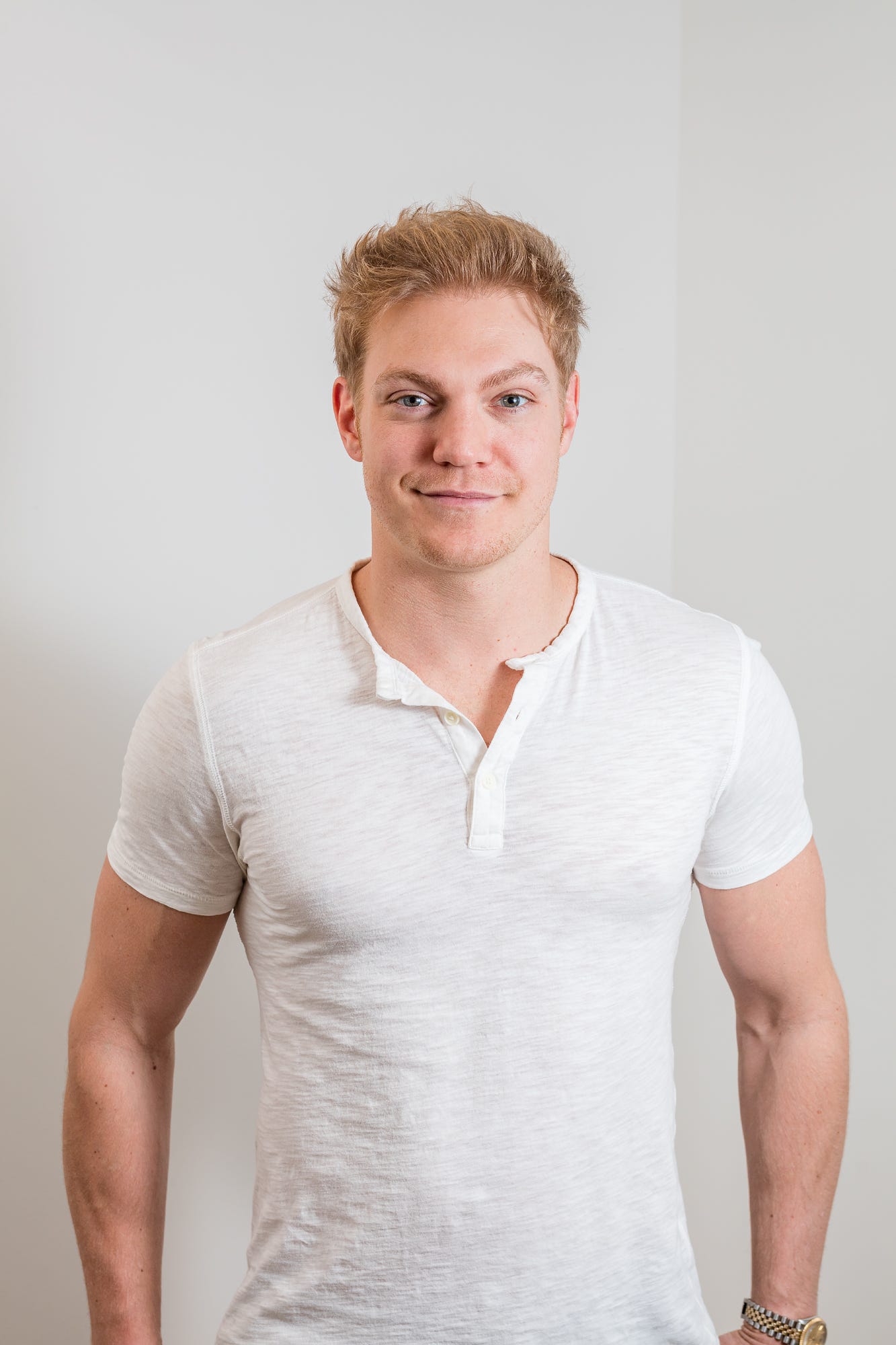
As a part of my series about “Big Ideas That Might Change The World In The Next Few Years” I had the pleasure of interviewing Dylan Beynon.
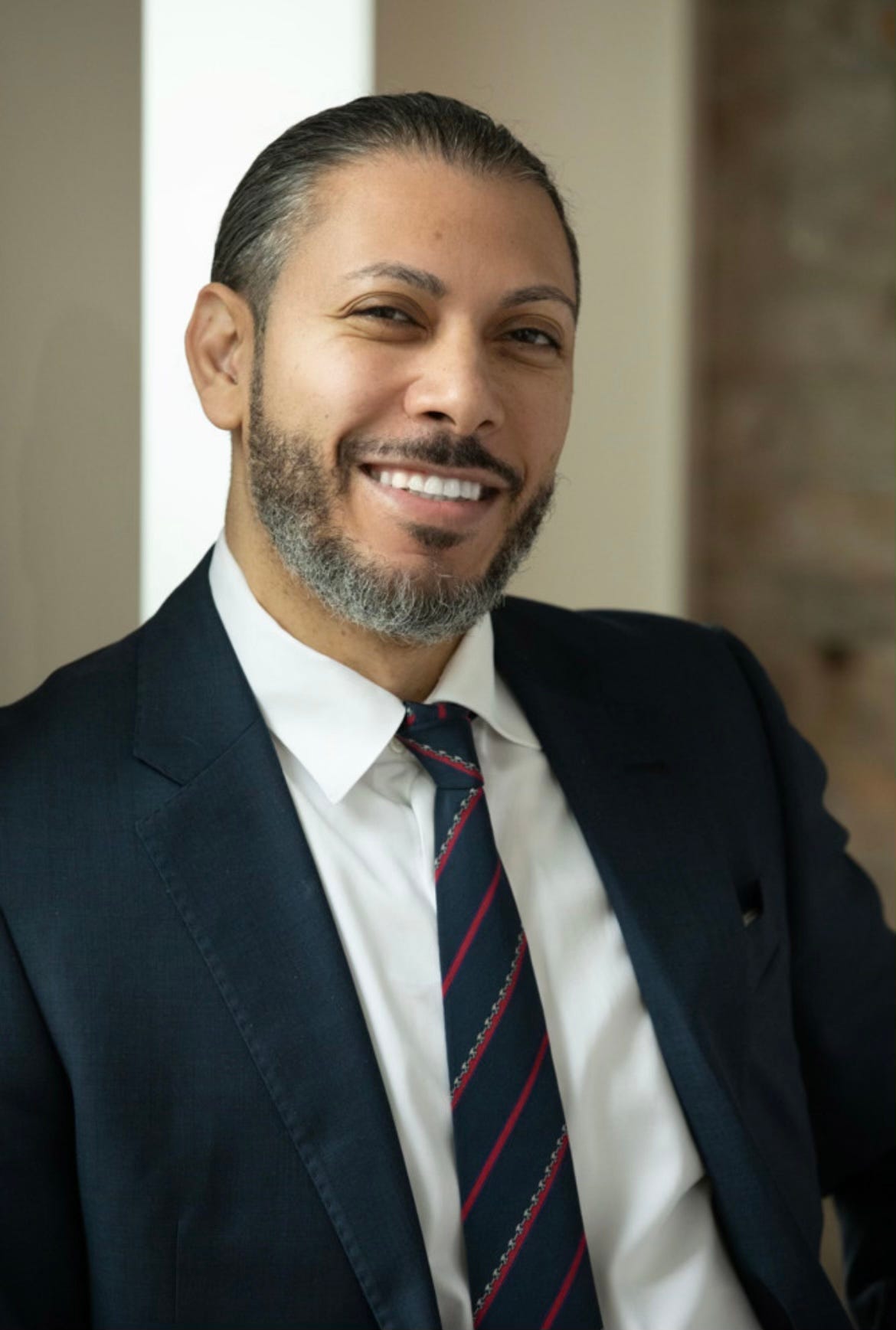
Dylan Beynon is CEO and Founder of psychedelic therapy leader Mindbloom, which is bringing new hope to the millions of Americans battling depression and anxiety every day. He is a three-time founder whose mission-driven, world-positive companies include one acquisition, two market leaders, and hundreds of millions raised. Dylan was recently named a Top 25 Consumer HealthTech Executive and one of the Top 100 Most Influential People in Psychedelics.
Thank you so much for doing this with us! Before we dig in, our readers would like to get to know you a bit. Can you please tell us a story about what brought you to this specific career path?
Watching my mother lose her battle to mental illness, I saw that the mental health crisis doesn’t just affect the afflicted individual, but also their family, community, and the work that they can have trouble doing in the world. Depression is the #1 cause of disability worldwide, after all, and overdose deaths have 5x’ed in the last 20 years.
My life was completely transformed by psychedelic medicine 14 years ago, and I haven’t looked back since. Seeing broader acceptance and access to psychedelic therapies has been the change I’ve most wanted to see in the world my entire adult life.
Mindbloom is my third tech company, but it feels like my life’s work.
Can you please share with us the most interesting story that happened to you since you began your career?
I’m a student of cognitive psychology, and I think a lot about cognitive biases. One of the biases I abhor most is status quo bias. People assume that the way the world is today is exactly how it’s supposed to be and anything new or different is weird. That is, until the new thing exists, and then we forget that we thought it was weird.
When I told people 3 years ago that I thought we could radically increase access to psychedelic therapy and massively improve mental health outcomes today through at-home ketamine therapy, pretty much everyone outside of medicine told me “you’re crazy.” Today, we’re the largest psychedelic therapy platform in the world, and pretty much everyone tells me “your idea was obvious so you guys must be exceptional executors.”
Which principles or philosophies have guided your life? Your career?
First, taking 100% personal responsibility.
Nobody else is going to make me healthy. Nobody else is going to make me happy. Nobody else is going to make me successful. This mindset guided me away from the Wharton-to-Wall Street path I was on and towards tech entrepreneurship where I could bet on myself.
Second, I believe that if I apply focus, intentional learning, and deliberate practice, I can achieve excellence in virtually anything — just not everything at once. Whether it’s meditation, management, marketing, or even social intelligence, by reading the top 3–5 books in a given area, getting advice from experts I aspire to become, and experimenting myself, I can quickly get to 80% expertise in most areas and skills. When combining conceptual and experiential learning, there is no limit to human knowledge and personal growth.
Third, the belief that we have the ability to solve nearly all complex problems and that the future trends towards getting better. When I was younger, I was a cynic and a pessimist. This mindset was disempowering, ineffective, and flat-out an inaccurate mental map of the world. Psychedelic medicine was a key driver helping me realize this, along with the study of positive psychology, cognitive science, and philosophy.
Ok thank you for that. Let’s now move to the main focus of our interview. Can you tell us about your “Big Idea That Might Change The World”?
Mindbloom’s clinical psychedelic therapies, starting with ketamine, are an incredibly impactful tool to improve mental health outcomes. Ketamine was approved by the FDA in 1970 as an anesthetic and analgesic, and more than 20 years of research has shown it may be highly effective in treating depression, anxiety, PTSD, substance use disorders, and other mental health issues. Going beyond just medicine, Mindbloom pairs each client with both a licensed psychiatric clinician and a specialized coach called a Guide, and provides specialized content through its mobile app to support clients through their journey.
By combining the medicine with trained Guides, expert-developed programs, and robust clinical protocols, Mindbloom has been able to support profound improvements in the lives of its clients. Over 80% of clients report significant improvement in symptoms of depression or anxiety after four sessions and only about 5% of clients report side effects, largely mild and immediately resolving, from treatment. In contrast, reported outcomes from SSRI antidepressants are associated with improvements in only about 40–47% of patients, may cause severe side effects in 30–50% of patients, and may take 6–8 weeks for results.
How do you think this will change the world?
Mental health is the #1 public health crisis. Legacy treatment options like Prozac and talk therapy are failing patients and providers. Finally, there are emerging treatment options available today, like ketamine therapy, and other psychedelic therapies that will be available in the next few years, like MDMA-assisted therapy, that are demonstrating exceptional clinical efficacy and safety for these previously almost intractable mood disorders.
We’re on a mission to transform lives to transform the world by radically increasing patient access to safe, effective psychedelic therapies and building clinical programs and consumer products to help people achieve superior clinical outcomes.
Keeping “Black Mirror” and the “Law of Unintended Consequences” in mind, can you see any potential drawbacks about this idea that people should think more deeply about?
One of our core values is to Focus. However, our strategy is to radically increase access to treatment by making it more approachable, affordable, and available, and to create superior clinical outcomes and transformational client experiences.
When building a startup, I’d generally pick one blue ocean customer value vector to build for, not two. But when it comes to psychedelic medicines, what you do before, during, and after an experience dramatically affects the outcomes, quality of the experience, and safety. Without expert support, guidance, and training, the risk of having a negative or even traumatic experience with a psychedelic medicine meaningfully increases.
A lot of people have been trained by our medical system to just take the pill and hope symptoms resolve, but that’s not enough when it comes to your mental health and wellbeing or getting the most out of psychedelic therapy. “Doing the work” on one’s self can be endlessly rewarding and fulfilling, and it can take people to a level of mental wealth they never thought possible, but it requires more commitment than just popping a pill.
Was there a “tipping point” that led you to this idea? Can you tell us that story?
Two quotes come to mind:
- “The world is a very malleable place. If you know what you want, and you go for it with maximum energy and drive and passion, the world will often reconfigure itself around you much more quickly and easily than you would think.” — Marc Andreessen.
- “There is nothing more powerful than an idea whose time has come.” — Victor Hugo.
When I became a ketamine patient myself, I witnessed personally how transformational this treatment is. However, when I started Mindbloom, it was extremely expensive at about $800/session on average. There is no way my working-class family could have afforded ketamine therapy if it were available when we were trying to help my mom, and I knew there had to be a way to increase access and support people through coaching, content, community, and software to get them even better outcomes and experiences.
It’s possible someone else would have built Mindbloom if I didn’t, but the world needed it and I couldn’t take that risk!
What do you need to lead this idea to widespread adoption?
Time.
When I look at the clinical efficacy of ketamine therapy, including for our clients, what I see is potentially a 10x better solution to the mental health crisis than legacy treatments for many people grappling with depression, anxiety, and the trials and tribulations of being human in 2022. I believe that 10x better solutions to peoples’ top burning pain points inevitably become widely adopted.
This idea will become ubiquitous with or without Mindbloom. Our opportunity to contribute is to accelerate the movement. The future is already here, it’s just not evenly distributed!
What are your “5 Things I Wish Someone Told Me Before I Started” and why.
Humans are all wired extremely differently. What works for me might not work for others, so I can only share what’s worked for me. For me, it all starts with a foundation of physical, mental, and emotional growth and wellbeing.
- Taking 100% personal responsibility for my own mental health and wellbeing. I don’t believe in outsourcing my mental health responsibility to psychiatrist, therapists, or coaches. I treat them as advisors, but it’s my job to improve my mental wellbeing, not theirs.
- Making my mental health and wellbeing a #1 non-negotiable top priority just like I do physical health, fitness, and nutrition. I set decade-long, yearly, quarterly, and 2-week goals for cultivating a fit body, a calm mind, meaningful relationships, and meaningful work.
- Vipassana meditation. I go on silent retreats, read and study meditation, and practice regularly, but I got my start on meditation apps. I recommend the Waking Up app.
- Consistently reading stoic philosophy, positive psychology, and spirituality literature. Awareness by Anthony de Mello and The Surrender Experiment by Michael Singer are my all-time favorites.
- Psychedelic therapy. I do Mindbloom 1–2x/month and another psychedelic therapy experience about 3–6 times/year.
Some very well known VCs read this column. If you had 60 seconds to make a pitch to a VC, what would you say? He or she might just see this if we tag them :-)
If you’re personally passionate about psychedelic medicine and lead Series C stage rounds, you might be a fit for our next one.
How can our readers follow you on social media?
I haven’t had social media in 10 years, so they can’t. That’s one of my mental health and wellbeing practices!
They can follow Mindbloom on Twitter or Instagram at @mymindbloom
Thank you so much for joining us. This was very inspirational.
FG
Written by
Fotis Georgiadis
Editor & Journalist · Authority MagazineFotis Georgiadis is a senior columnist at Authority Magazine covering Tech and Business, conducting primary-source Q&A interviews with founders, executives, and industry leaders.

Published inAuthority MagazineTop Lessons, Top Authorities · 42K Followers
Exclusive, curated interviews with the leaders and changemakers shaping tomorrow. Leadership lessons, industry deep dives, and executive profiles.