
I have dyslexia so writing was always a challenge for me. I make silly mistakes like writing ‘not’ instead of ‘now’! I was reluctant to start writing up a PhD thesis and went to tell my professor that I did not think I was up to the task.
Some writers and authors have a knack for using language that can really move people. Some writers and authors have been able to influence millions with their words alone. What does it take to become an effective and successful author or writer? In this interview series, called “5 Things You Need To Be A Successful Author or Writer” we are talking to successful authors and writers who can share lessons from their experiences. As part of this series, I had the pleasure of interviewing Your name here.
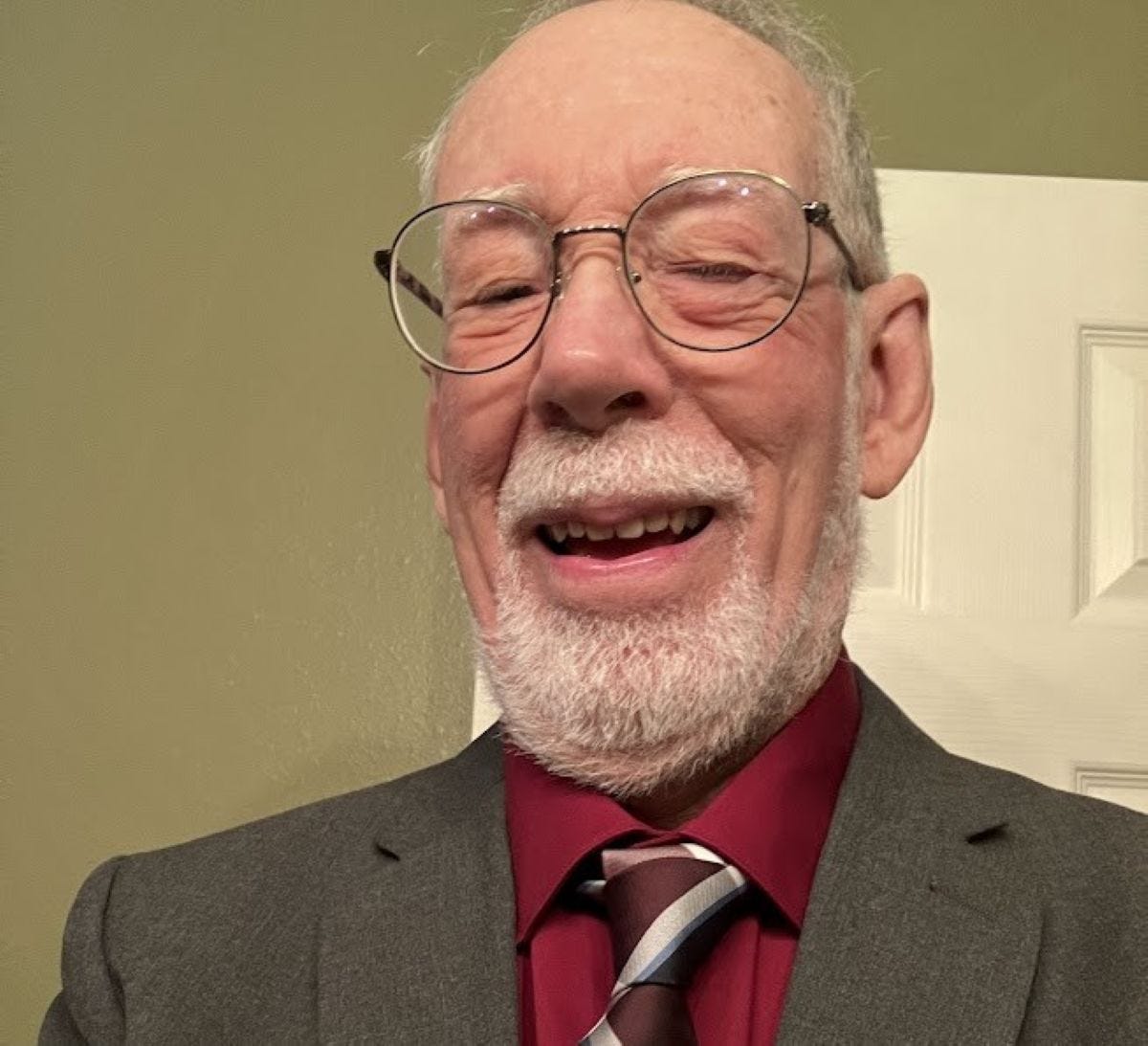
Dr. Iain McCormick, an award-winning coach, has written a range of internationally acclaimed, practical and highly informative books at the intersection of clinical psychology, professional development and workplace coaching. He originally trained in clinical psychology and worked as a therapist in prisons, then completed a PhD on work stress during a long overland expedition to Antarctica. Today Iain coaches a wide range of executives, writes books, supervises and trains coaches in New Zealand, Australia, the UK, Hungary and India.
Thank you so much for joining us in this interview series! Before we dive in, our readers would love to “get to know you” a bit better. Can you tell us a bit about your ‘backstory’ and how you got started?
Can you share the most interesting story that occurred to you in the course of your career?
I trained in clinical psychology and then worked providing therapy for prisoners for four years. During this time, I was approached by a professor from my local university who said he was part of an international group organising a 70-day overland expedition across Antarctica. He asked if I would be interested in going on the expedition and collecting psychological data from the expedition members. I accepted in a nanosecond and went on to write my PhD degree using this data. It changed my life!
What was the biggest challenge you faced in your journey to becoming a writer? How did you overcome it? Can you share a story about that that other aspiring writers can learn from?
I have dyslexia so writing was always a challenge for me. I make silly mistakes like writing ‘not’ instead of ‘now’! I was reluctant to start writing up a PhD thesis and went to tell my professor that I did not think I was up to the task. He looked angrily at me and said in a very firm voice ‘That is my decision and not yours’. Sometimes we just need to let go of our doubts about writing and just start.
It has been said that our mistakes can be our greatest teachers. Can you share a story about the funniest mistake you made when you were first starting? Can you tell us what lesson you learned from that?
In my first book I made a silly and highly embarrassing mistake. I made a last-minute change to a rating scale in the book reversing it from 1 to 5 to 5 to 1 but forgot to change the ‘How you interpret your score’ paragraph. The error was noted by the first reviewer who wrote “This sort of thing should never happen!’ I was horrified and humiliated. I check my work more carefully now!
In your opinion, were you a “natural born writer” or did you develop that aptitude later on? Can you explain what you mean?
I only started writing seriously in my 70s, so a late starter! You would never call me a “natural born writer”. On the other hand, I do greatly enjoy writing and feel it does come easily once I get started.
What are some of the most interesting or exciting projects you are working on now?
I have already written a series of books for professional coaches. Now I have decided to write a completely different book called ‘Tales from an executive coach’. It is such fun to write in the more freeform fiction genre, even if the stories are based on true events.
Here is the main question of our interview. Based on your experience, what are the “5 Things You Need To Be A Successful Author or Writer”? Please share a story or example for each.
1. You need a kick up the backside. Getting started is the hardest part. You may be motivated by reading a brilliant book and thinking ‘I would love to write a book like this’, correction, ‘I will write a book like this’. You may read a rubbish book and think ‘I can write better than this!’ My kick start arrived later in life after a well-known author contacted me on social media and asked me to write a chapter for his new book about the coaching work I was doing. If was just the kick I needed!
2. Writing needs to be fun. If you think that the only way to write is to force yourself to stay at your desk for four or five hours every day, you will not get far and will find that writing is hell. A better approach is to start with a fun question like ‘What exciting thing could happen at this point in the book?’ Then sleep on it. Chances are that your unconscious mind will work on the issue, and you can then enjoy writing the next day. I write using this ‘question and digest’ method and it works!
3. You should hold yourself back from writing too much at any one time. Finish your writing before you get tired and exhausted. Stop work for the day at the point when you still want to write more. I savour the desire to write, and I do understand that getting myself exhausted will typically leave me with bad feelings about writing.
4. Accept that your first draft will be rubbish. Ernest Hemingway the Nobel Prize winning author of such classics as The Old Man and the Sea and When the Bell Tolls, said “The first draft of anything is shit’. So, getting your ideas down in any old way in the first draft and then editing afterwards is the way to go.
5. Keep your day job. A very small number of authors make a great deal of money from writing books. Most of us do not. So, enjoy the writing, celebrate your books, and have modest financial expectations.
What is the one habit you believe contributed the most to you becoming a great writer? (i.e. perseverance, discipline, play, craft study). Can you share a story or example?
Getting enjoyment and satisfaction from writing is the key to becoming a successful writer. I like the idea that the famous composer Mozart, could play snooker, drink beer and write a sonata, all at the same time. It seems he did lots of thinking and composing in his head, so when he was having fun writing music, he was just copying the music down from his head. Thinking a lot, writing in my head and enjoying the creative process has contributed a great deal to my productivity as a writer.
Which literature do you draw inspiration from? Why?
I write about executive coaching and there are so many brilliant authors in the area. I draw inspiration from experts such as Jonathan Passmore, Andrea Giraldez Hayes, Siobhain O’Riordan and Stephen Palmer. These authors have inspired me by opening entirely new exciting ideas and directions for me.
You are a person of enormous influence. If you could start a movement that would bring the most amount of good to the most amount of people, what would that be? You never know what your idea can trigger. :-)
I have written a book on ways to coach people who have deep-seated challenges, called Schema Coaching. I would love to see coaches all around the world using this approach and making a huge difference to peoples’ lives. If it could become a movement, I would be totally delighted.
How can our readers further follow your work online?
You can find my work on https://iainmccormick.net/
Thank you so much for this. This was very inspiring!