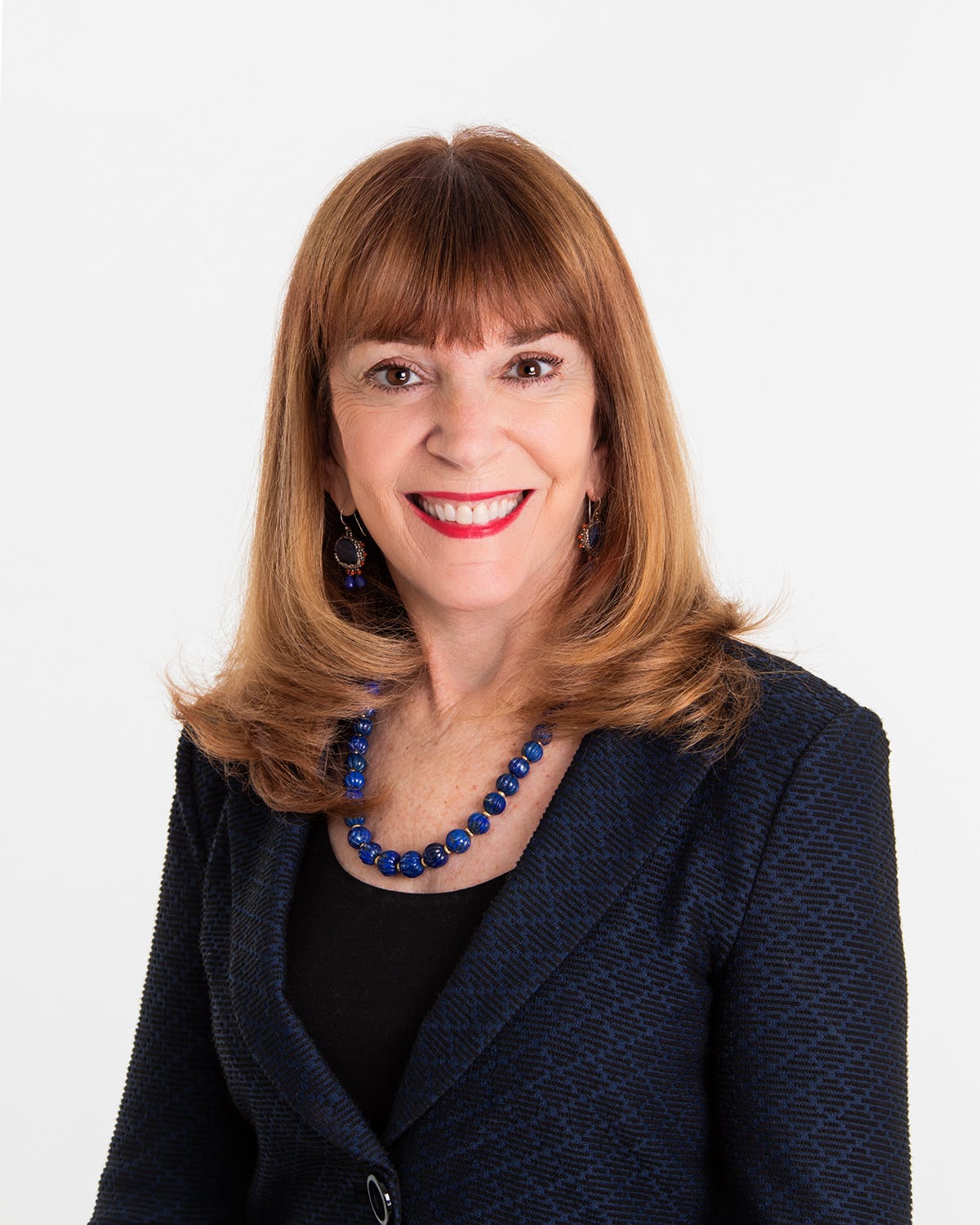
I teach people how to replace addiction with love. In other words, they break up with their addiction and learn how to have loving relationships with themselves and others.
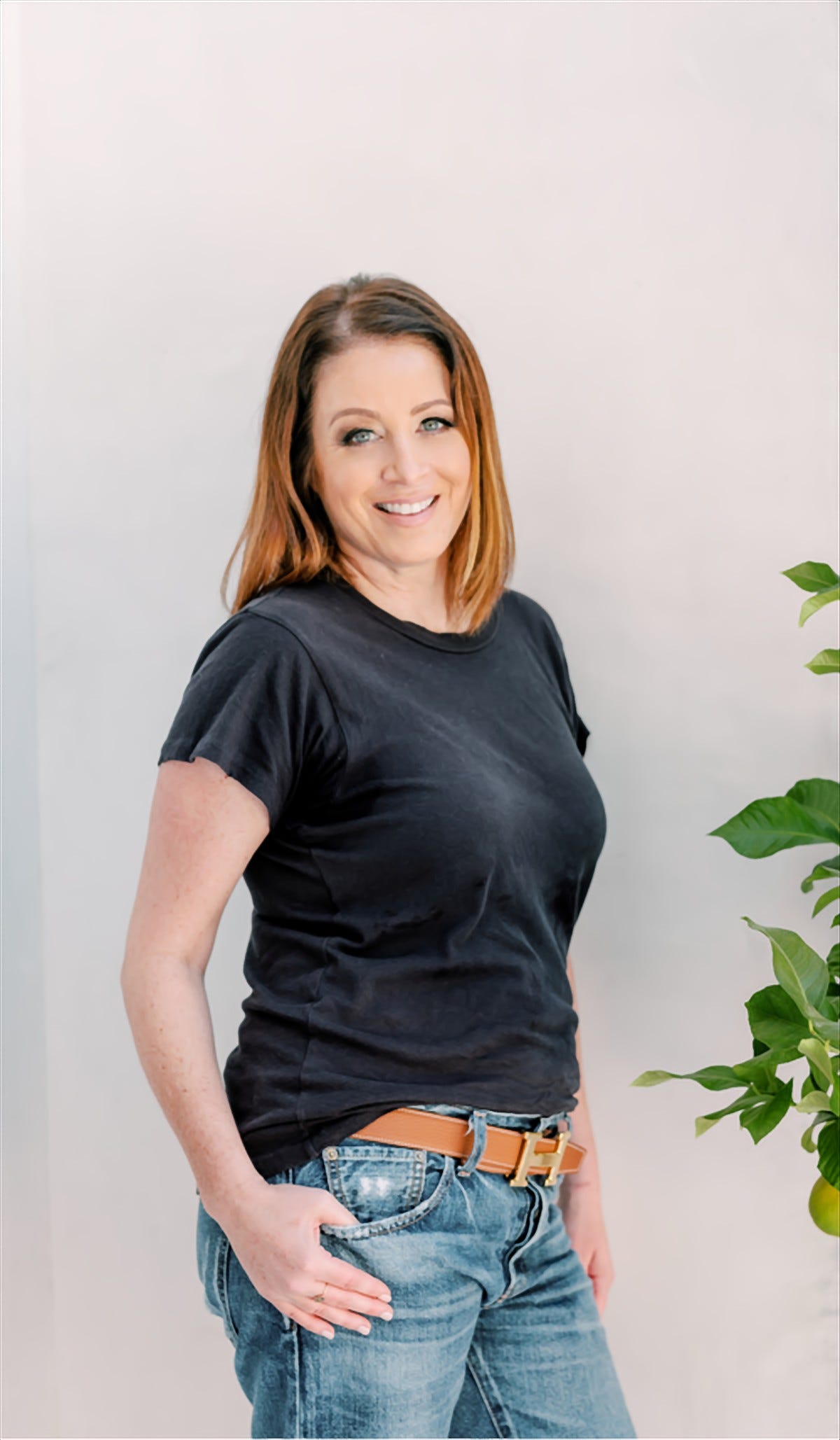
As a part of our series about “Heroes Of The Addiction Crisis” I had the pleasure of interviewing Dr. Donna Marks.
Dr. Donna Marks has been a licensed psychotherapist and addictions counselor in Palm Beach, Florida, for over thirty years. In 1989, Dr. Marks developed a chemical dependency training program at Palm Beach Community College, which has grown into a four-year degree and received the Florida Governor’s Council Award. She is also a certified gestalt therapist, psychoanalyst, hypnotist, sex therapist, and teaches A Course in Miracles, along with sharing her methods with hundreds of thousands of listeners on podcasts and radio shows. Learn more about Dr. Marks, her books, and services at www.DrDonnaMarks.com.
--
Thank you so much for doing this with us! Can you tell us a bit of your backstory?
Is there a particular story or incident that inspired you to get involved in your work with opioid and drug addiction?
I was born into addiction. Alcoholism, food, smoking, and sex addiction were typical in my family. I vowed I would never be like that. I didn’t understand I was being programmed—if I didn’t experience healthy and normal, how would I know what it looked like? At the same time, I always felt a connection to a spiritual force in my mind that led me when I listened. It always told me I could “do better.” That voice led me into my career as a therapist and soon after, into recovery, then to writing books.
Can you explain what brought us to this place? Where did this epidemic come from?
I believe all addictions are a substitute for love. There are several reasons. We’ve normalized addiction from our families and through advertising. As kids, we’re programmed to believe that pleasure comes from outside ourselves—food, alcohol, cars, toys, lovers, etc. Children who witness healthy, loving families that don’t partake in unhealthy behaviors are more likely to live that lifestyle later. When children’s needs are met (feeling loved and cared for) and don’t carry around unresolved trauma, they don’t develop an empty hole they are trying to fill with substitutes for fulfillment. Parents who model patience, understanding, loving communication, healthy self-care, and respect for others enable their kids to then feel secure in themselves and their environments. When the kids are not, they are likely to search for it in ways that are substitutes for that authenticity.
Using drugs to treat addiction is a vicious cycle of replacing one dependency with another, with no healing of the underlying cause. The things that are addictive are designed to be that way. People who don’t feel empty are susceptible to the feelings that addiction provides. They already feel good. Those who feel empty and get lit up are likelier to keep chasing after that feeling.
The other issue is that we are putting things in our bodies that are intentionally addicting us. For example, we know that the cigarette industry was sued for adding ingredients to cigarettes that made them more addictive. There have been lawsuits with Purdue Pharma for Oxycontin because it was so addictive, but most pain medication is. The alcohol content in most alcoholic beverages is higher than need be. Sugar hits the brain the same way as cocaine; both are highly addictive. Addictive products and events, such as gambling and porn, are designed to keep you coming back again and again. This is addiction. People who feel whole do not get the same reinforcement from these experiences as those who feel empty and can walk away. But, when you combine a void with a powerful addiction, walking away isn’t so easy.
The third issue is that prescriptions for narcotics are passed out like candy. Whether it’s a pain medication or benzodiazepines for anxiety or depression, we’ve normalized being a pill-taking society.
Can you describe how your work is making an impact in battling this epidemic?
I teach people how to replace addiction with love. In other words, they break up with their addiction and learn how to have loving relationships with themselves and others. Love is an action word. We think we love our addictions because we love how they make us feel. But love is about emotional, physical, and spiritual actions. When we know how to maintain emotional health through effective communication and bonding, good nutrition and healthy exercise, and finding a higher power to guide us, we will feel so good that we will walk away from our addiction like any other bad relationship. Instead of it draining us, we will have drained it of any value to us.
Wow! Without sharing real names, can you tell us a story about a particular individual who was impacted by your initiative?
Most important to me—my children, my real heroes. None of them use drugs or alcohol and work at maintaining a healthy lifestyle. When I got sober, I decided that the line to stop addiction would be drawn on our family tree, starting with me. I’m not saying they haven’t tried things; they’re human, and some are in recovery, too. But they’ve also made the conscious choice to be free and not risk being robbed of a happy life. We are a sober family.
Can you share something about your work that makes you most proud? Is there a particular story or incident that you found most uplifting?
I’m most proud that despite all my mistakes and shortcomings, I integrated those experiences into my life’s work as a therapist and wrote a book that won multiple awards. Exit the Maze: One Addiction, One Cause, One Solution is everything I’ve learned about addiction and treatment, what does and what doesn’t work. I’m proud to have the opportunity to have this book published. My goal is to save a million lives from addiction in the next ten years.
Can you share three things that the community and society can do to help you address the root of this problem? Can you give some examples?
Raise kids so they feel fulfilled through emotional bonding, safety, trust, and healthy role modeling. Prevention should start at birth and then throughout the formative years. Teaching children to love themselves and others is key to a happy and fulfilling life. It is too late to wait until kids are in high school and tell them to be drug free. They must be raised to find fulfillment and attachment with healthy things, so they won’t find any benefit in participating in addictive behaviors.
Recognize that addiction is the cause of most mental and physical illnesses. Alcohol, drugs, tobacco, sugar, and trans fats used in excess (and because they’re addictive, they are always used excessively by people trying to fill the void) cause almost all major medical illnesses. We treat the symptoms with medicine instead of abstinence from the things that cause the disease. Doctors don’t tell us to quit until we’re too far gone, but then it’s too late. We used drugs to treat the physical and mental symptoms caused by addiction, a vicious cycle. Physicians and mental health counselors must learn to recognize addiction, stop using words like “bad habit,” and help patients stop their deadly addictions—before it’s too late.
Redefine the addiction treatment industry. You now go to treatment for an obvious problem (like drugs) and remain addicted to others (like codependency, food, gambling, sugar, shopping, etc.). For example, stop smoking and start eating, stop overeating and start compulsive exercise, stop drinking and become a workaholic, or stop cocaine and start gambling. The problem is that we think there are many addictions. I contend there’s only one: an invisible hole constantly seeking fulfillment. Once we address that hole and learn how to fill it with love (emotional, physical, relationship, and spiritual), addiction will have no appeal because it won’t offer us anything we don’t already have. We’ll simply walk away like any other bad relationship.
If you had the power to influence legislation, which three laws would you like to see introduced that might help you in your work?
Physicians would be required to understand addiction and stop treating it with pills. Pills for anxiety that patients get addicted to, drugs for depression that are hard to stop, pills for diets that don’t work, and pills for all the physical symptoms like heart disease, stroke, diabetes II, and lung disease caused mainly by addiction. Diagnosing addiction should be a mandatory part of the curriculum.
All drugs are legalized (like in Portugal) and taxed. People will get drugs no matter what. Why punish people for a disease they didn’t create? It makes no sense that people can get drugs from pain doctors and psychiatrists, but to get other drugs, they must go to drug dealers. If all drugs are legal and taxed (like cigarettes), the tax money goes into prevention. For example, parenting pamphlets provided to new moms that outline child-rearing practices that reduce the chances of addiction, such as healthy bonding and attachment and meeting the needs of their newborn. Legalization also would reduce crime and overdose—the two most deadly killers in illicit drugs. Money can also be used for mandatory residential treatment instead of prison. Once the person remains sober and meets the requirements for discharge, they are free to go. One of those requirements would be a solid, sober support system as well as helping others stay sober.
The same warning labels that are currently placed on cigarette packages (i.e. dangerous to your health) are to also be on sugar, alcohol, mood-altering prescription drugs, trans fat foods, pornography, gambling sites, and all other addictions.
I know that this is not easy work. What keeps you going?
I love my work. It’s easy for me and enjoyable because I feel that I’m fulfilling my mission and purpose. I’m doing what I’m here to do. Whether writing, speaking, or seeing patients, I’m excited about my daily work. I feel blessed.
Do you have hope that one day this leading cause of death can be defeated?
Yes, but we can only do this through prevention—understanding how powerful addiction is and never getting addicted in the first place. Raise children by the power of example so that they are susceptible and able to use their minds to make healthy choices as well as think for themselves, instead of allowing their minds to be programmed by others. Focus on the people who genuinely want to be addiction free; it must be a personal choice. People who feel controlled resist help. People who are inspired wish to get better. I especially noticed this during COVID. Some people ate, drank, drugged, and engaged in addiction excessively. Others got therapy, listened to motivational podcasts, exercised, cooked, and did healthy things to improve their lives. We always have the choice between the two.
How do you define “leadership”? Can you explain what you mean or give an example?
There are many unhealed healers in mental and physical health. Leadership is setting an example, walking the talk, and being patient and understanding while also believing in a team’s ability to succeed. Leaders hold people accountable to be and do their best as well as to learn from their mistakes. Most important, they practice what they preach.
What are your "5 things I wish someone told me when I first started," and why? Please share a story or example for each.
https://www.youtube.com/watch?v=cvHSmI_kbMc
When I started my career as a psychotherapist, I wish someone had told me to get therapy as part of the educational requirement. There are too many unhealed healers, and I was one of them. My early childhood trauma helped me understand my patient’s pain better. But what I didn’t understand was my own unhealed wounds. Those should have been addressed before working with others. Mental health counselors should be like healthy parents. We can’t take our patients out of the woods when that’s where we live.
I wish addiction training had been part of the mental health curriculum. When I started practicing as a psychotherapist, I had no idea of the signs and symptoms of addiction. Looking back, I can see the insanity of smoking during sessions. As for recognizing it in myself and others, we weren’t taught that addiction has symptoms and phases, and early diagnosis is key to full recovery. I actually learned about it from patients who were in recovery and referred to me for depression or grief counseling. The more I heard about addiction and recovery, the more I realized I had the same symptoms. While teachers and students are constantly learning from one another, this should not apply to basic competency skills. Surgery is not the time for a patient to tell a doctor a better way to operate.
I wish I had access to an editor before writing my first book. I searched the internet and found myself in a sea of unknown entities. Who was legit, and who could be trusted? What kind of fees are reasonable? I hired a few people locally, but neither fully edited my manuscript because of their limitations. The book turned out fine, but not without plenty of headaches that could have been avoided. Fortunately, when I wrote Exit the Maze, I had an excellent editor who wasn’t inexpensive but provided excellent guidance. She also provided sound advice on marketing the book, another unchartered ocean to navigate that I’d previously made some costly mistakes.
Never give up, never—not on yourself, and not on anyone else. No one told me this, and I wish someone would have. It’s a mantra I use when working with patients. Sometimes, we are so immersed in our profession or personal growth we think we haven’t made any progress. It’s like swimming across Lake Superior with a blindfold and never knowing your progress. You’d see how far you’d swam if the blindfold were off. We are often blind to what’s happening around us and how it's contributing to our progress. If we focus on taking the next stroke and not looking back, we will reach our goals, and even some we never imagined possible. In my recovery, I gave up after 23 years because I thought I wasn’t any better. In reality, I had grown a great deal and could have been grateful for the 23 years of sobriety. Instead, I felt like a failure. When I realized my greatest failure was that I hadn’t learned to love myself, I started the journey again, this time with an entirely different attitude, resulting in an entirely different outcome as well.
You’re never finished learning about your profession; it’s a lifelong process, otherwise you’ll become bored and ineffective. There is no destination. I am fortunate to have two professions that offer constant change and personal and professional growth opportunities. As a psychoanalyst, it’s almost impossible to read all of the books by Freud and other famous analysts, not to mention all of the different contributions to the fields of psychology and addiction. I’ve learned to jump into the controversies without getting upset because, in some respects, they’re all correct. By keeping an open mind, I learn new ideas. I keep the parts that work for me and my patients and let go of the rest. Writing has also been an evolutionary process. The more I’ve learned, the more fun it is to add words to a blank page. Like any art, when the work is complete, there is a deep sense of gratification that others will benefit from it.
You are a person of enormous influence. If you could inspire a movement that would bring the most amount of good to the most amount of people, what would that be? You never know what your idea can trigger. :-)
My movement is to save a million lives from addiction in the next ten years. This is a threefold process: 1) Raise children that aren’t inclined to do things that are harmful to their mental and physical health. 2) Inspire people to break up with their addictions, reclaim their hijacked minds, and replace that mindset with learning how to love. 3) Encourage physicians and psychotherapists to recognize addiction, instead of treating it with ineffective (often addictive) methods.
Can you please give us your favorite "Life Lesson Quote"? Can you share how that was relevant to you in your life?
“Nothing real can be threatened. Nothing unreal exists. Herein lies the peace of God.”—A Course in Miracles
I’ve been a student and facilitator of A Course in Miracles for over 30 years, and it has taught me how to choose love over fear. I’ve come to realize that if a relationship is threatened, it’s loveless, and it was never real to begin with, therefore nonexistent other than in my own mind. Either I wasn’t loved or I wasn’t loving the other person. Love changes form: it doesn’t have to remain the same. Romance turns to friendship; parental love turns to adult love; the love of a hobby turns into the love of a career. When I remember that love is the only thing that’s real and all that matters, I remain in peace.
Is there a person in the world or the US whom you would love to have a private breakfast or lunch with, and why? They might just see this, especially if we tag them. :-)
That’s a toss-up. Tucker Carlson, he seems to be one of the few who understands addiction, constantly addresses it, and what we can do about it. And, of course Oprah, she is a woman who has changed the world with her voice and with those she allows to share on her platform.
How can our readers follow you on social media?
https://www.facebook.com/drdonnamarks/
https://www.linkedin.com/in/drdonnamarks
https://www.instagram.com/drdonnamarks
https://twitter.com/drdonna_marks
https://www.youtube.com/results?sp=mAEB&search_query=drdonnamarks
https://www.youtube.com/watch?v=MsKog4w2WyY
This was very meaningful, thank you so much!