The US education system is still one of the strongest in the world, but it has been undergoing a major transformation as students have come to expect intuitive, seamless technology in every aspect of their lives.
Business
Deirdre Latour: Lifelong Learning and Digital Integration Are Redefining Modern Education
The Pearson corporate affairs leader explains how modern schools must embrace non-traditional students, lifelong upskilling, and advanced technological tools to prepare learners for multiple evolving careers.
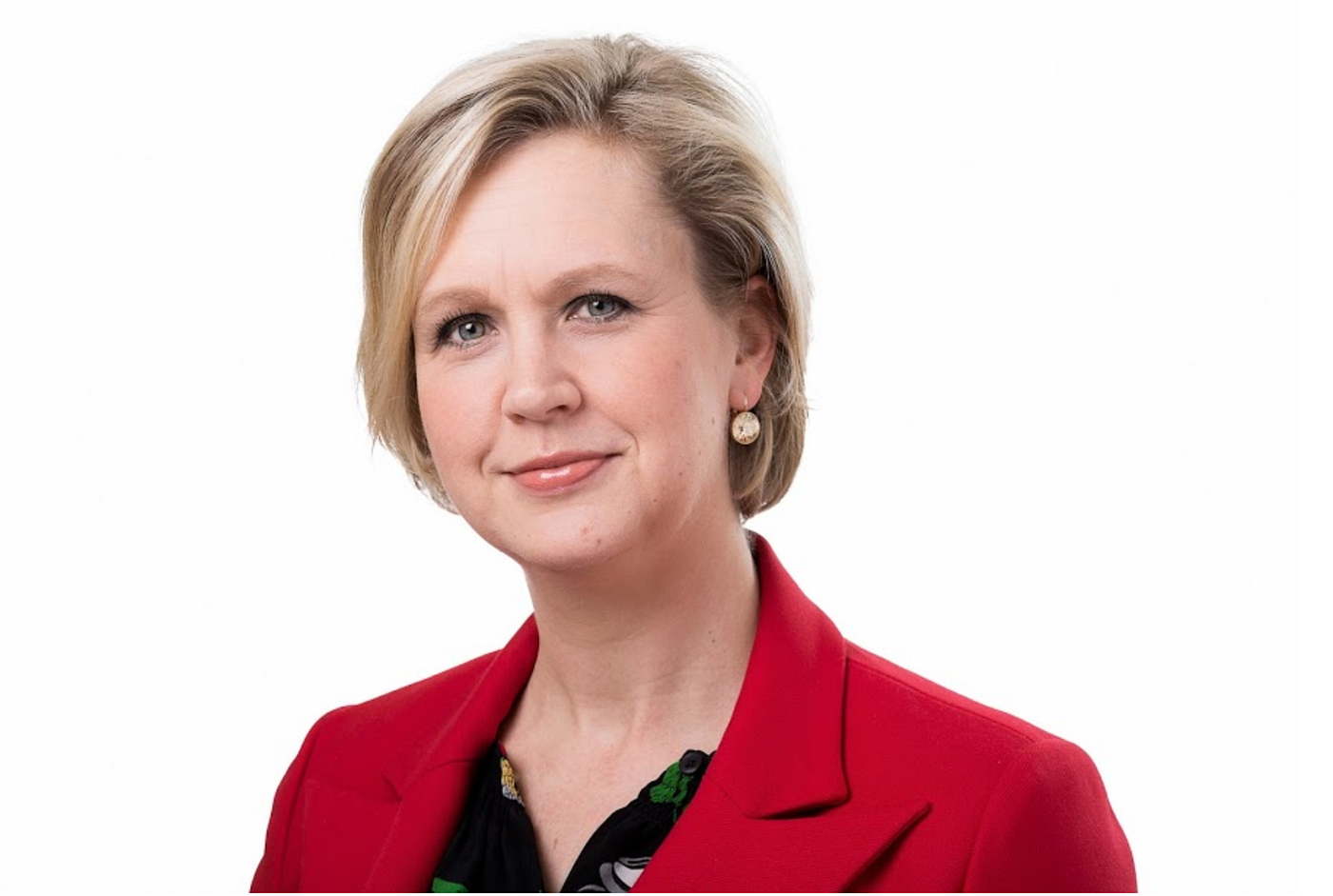
I had the pleasure to interview Deirdre Latour. Deirdre joined Pearson in January 2019 as chief corporate affairs officer. She brings over 20 years of experience in corporate communications and issues management.
Most recently, Deirdre was the chief communications officer for GE, responsible for the company’s communications function globally, including financial communications, public relations, sustainability, public affairs, talent development, and helping to shape the company’s strategy and culture. Prior to this, Deirdre worked for the global public relations firm Edelman, where she was responsible for a variety of corporate communications, brand, cause, consumer and entertainment marketing efforts. She has previously been named Corporate PR Person of the Year by PR News and one of the most influential people by PR Week. Deirdre is a native of Massachusetts and a graduate of Holy Cross College.
Thank you so much for doing this with us Deirdre! Our readers would love to “get to know you” a bit better. Can you share the “backstory” behind what brought you to this particular career path?
After 14 years in communications at GE I was ready to do something new and Pearson offered me an opportunity to use my skills for a great purpose — to help people improve their lives through learning.
Can you share the most interesting story that happened to you since you started your career? Can you tell us what lesson you learned from that?
There are too many to count! In 2010 I had the opportunity to interview at the White House three months after having my first baby. Interviewing in that great house was such a thrill and when I didn’t get the job it helped me realize that timing is everything. It would have been a very hard job to do with a newborn and I was not quite ready for it.
Are you working on any exciting new projects now? How do you think that will help people?
We all have a unique opportunity to reshape learning and education for the future — to make us robot proof and able to learn news skills easily. This is what we are taking on at Pearson. Education has traditionally been very local but we are working to connect the dots around the world to come up with the best solutions.
Can you briefly share with our readers why you are an authority in the education field?
I learn more about education every day as the Global head of corporate affairs for Pearson, the world’s learning company.
Ok, thank you for that. Let’s now jump to the main focus of our interview. From your point of view, how would you rate the results of the US education system?
The US education system is still one of the strongest in the world, but it has been undergoing a major transformation as students have come to expect intuitive, seamless technology in every aspect of their lives. Pearson recently released the results of a first-ever Global Learning Survey, and it found that while there are challenges for traditional education institutions, they also have some real opportunities to step up and help prepare students of all ages for a world where people can expect to have 4–5 different careers.
Can you identify 5 areas of the US education system that are going really great?
- We have the most robust higher education system in the world, attracting people to the US who want a high quality education.
- We have incredibly passionate and dedicated professors and administrators who are committed to student success.
- While not perfect, our system offers opportunities from trade schools to community colleges to four year universities that match nearly any passion or career.
- We have the best research universities in the world, leading to cutting edge discoveries, and unmatched opportunities for students to see real innovation in practice.
- Our students. They are some of the most creative, ambitious, diverse, and driven people in the world. When we give them the right tools to succeed, they have incredible potential to change the world.
Can you identify the 5 key areas of the US education system that should be prioritized for improvement? Can you explain why those are so critical?
- Embracing non-traditional students — our survey found that 87% of Americans embrace lifelong learning, believing that learning doesn’t stop at school. Schools need to be ready for these students.
- Supporting DIY learning — learners told us that they are “self-teaching.” In fact, 81% of people across the globe say that learning will become more self-service as people get older. We should support this with a range of new learning tools and options.
- Integrating technology into education — students are using technology to improve every other aspect of their lives, but the education sector has been slow to adapt.
- Enabling “revolving door” lifelong learning — the days of having one career for your entire life are ending, now we expect people to have 4–5 careers over the course of their life. Schools need to be ready to bring them back in for upskilling and then seamlessly send them back into the workforce.
- Aligning education with employment — employers’ expectations of what their incoming employees have been trained in are changing. More employers are looking for employees with soft skills, who can then be trained to do the job.
How is the US doing with regard to engaging young people in STEM? Can you suggest three ways we can increase this engagement?
The US has been making progress in this area, but there are many barriers to entry in these fields. Pearson is working on ways to make STEM fields more accessible to students by developing tools to help them master prerequisite courses like calculus. This fall, we are introducing an AI powered app called Aida. This tool will allow students to take a picture of a handwritten calculus answer with their phone, and then get real time feedback that goes beyond just right or wrong, but actually tells them where they made a mistake along the way and points them to resources to get help.
Can you articulate to our readers why it’s so important to engage girls and women in STEM subjects?
The name for Aida was inspired by Ada Lovelace, one of the founders of scientific computing and an inspiration to girls who want to pursue STEM careers. We need to make sure young women know about these heroes who helped blaze the path for them and made it possible for girls today to have so many options to pursue STEM careers. The world needs more people in STEM careers and we need diverse thinkers (as we do in every career). Girls need to believe STEM is an option from their very first day of Kindergarten.
How is the US doing with regard to engaging girls and women in STEM subjects? Can you suggest three ways we can increase this engagement?
It is really about exposing them to the possibilities and making them believe anything is possible. I was told at a young age I was not good at math and didn’t like math — how is that determined at such a young age?
We are launching a podcast this fall called Nevertheless, which celebrates women in technology, both historical figures and current figures who are making a difference every day. I am surprised to see how few outlets there are shining a spotlight on women in technology, so I am excited to be able to do a small part to bring them much deserved attention.
As an education professional, where do you stand in the debate whether there should be a focus on STEM (science, technology, engineering and maths) or on STEAM (STEM plus the arts like humanities, language arts, dance, drama, music, visual arts, design and new media)? Can you explain why you feel the way you do?
The arts are hugely important and should remain a strong focus in schools. What we have found in our research is that employers are increasingly valuing soft skills, and arts and humanities subjects are some of the best ways to help develop those skills in students. But, this shouldn’t be an either/or debate — our students need both of these types of skills to be successful and to help them discover where their individual passions lie.
Can you please give us your favorite “Life Lesson Quote”? Can you share how that was relevant to you in your life?
“When people show you who they are, believe them.” — Maya Angelou
We are blessed that some of the biggest names in Business, VC funding, Sports, and Entertainment read this column. Is there a person in the world, or in the US, with whom you would love to have a private breakfast or lunch, and why? He or she might just see this if we tag them :-)
Sarah Jessica Parker — great businesswoman, entrepreneur, leader, talent, mother.
How can our readers follow you on social media?
@deirdrelatour
PB
Written by
Penny Bauder
Editor & Journalist · Authority MagazinePenny Bauder is a senior columnist at Authority Magazine covering Tech and Social Impact, conducting primary-source Q&A interviews with founders, executives, and industry leaders.

Published inAuthority MagazineTop Lessons, Top Authorities · 42K Followers
Exclusive, curated interviews with the leaders and changemakers shaping tomorrow. Leadership lessons, industry deep dives, and executive profiles.