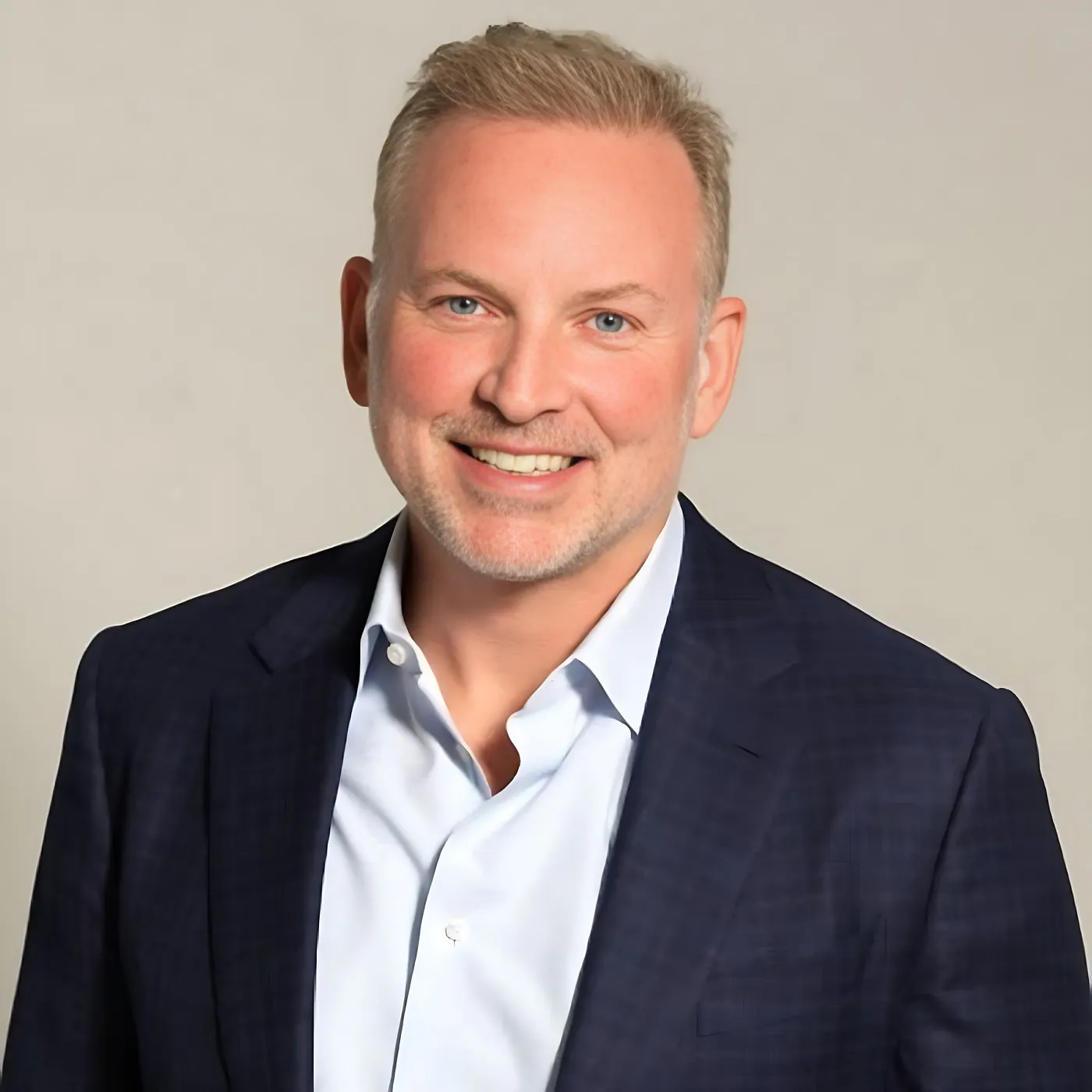
When I wanted to make the move from being a sales engineer to a sales representative, he took a chance on me.
The veteran software executive and former Datadog CRO shares his journey from Queens to the C-suite, detailing how to scale revenue, build elite sales teams, and achieve alignment with the CEO.

When I wanted to make the move from being a sales engineer to a sales representative, he took a chance on me.
A CRO’s role is essential for a company’s growth, taking on the responsibility for all aspects of driving revenue to the company. What makes someone an effective CRO? For someone considering a role as a CRO, what does it take to create a highly successful career in this position? To address these questions, we had the pleasure of interviewing Dan Fougere.
Dan Fougere has spent nearly thirty years in the software industry, has been part of four IPOs, and most recently was Chief Revenue Officer of Datadog where he helped build and lead a team of nearly one thousand people and helped grow annual revenue from $60M to $1B.
Prior to Datadog, Dan held global leadership roles at Medallia, led the NYC region for BladeLogic and BMC Software, and led the UKI team for Actuate while living in London.
In addition to Homes For Our Troops, Dan is also on the Board of Directors for the software companies Heap and Manta, advises many software CEOs and Founders and runs his own investment firm, Shore Drive Capital.
Dan has a BS in Mechanical Engineering from Rensselaer Polytechnic Institute and is married to Stephanie Fougere with whom he has three young children.
Thank you so much for your time! I know that you are a very busy person. Before we dive in, our readers would love to “get to know you” a bit better. Can you tell us a bit about your ‘backstory’ and how you got started?
Since I can remember, I was driven to do whatever it took to have a better life. I always wanted to have nice things and financial security. I also loved figuring out hard problems, learning new skills and being around amazing people from whom I could learn and be inspired. As I moved into leadership, got married, had children and became part of a community I also started to really find my sense of purpose in motivating others to overcome challenges and reach their goals.
But this is where my path started:
I grew up in Queens in NYC but went to high school in a very rural area of New York and came from a family where money was always very tight. My father had served in the military and most people in my family had blue collar jobs. I knew I wanted more and set my sights on college. I was motivated to change my circumstances. I chose to study engineering because I read it was the highest paying degree.
As a new engineer, I was hired by Parametric Technology Corporation (PTC), a CAD software company that at the time did about $200M in revenue but still had startup DNA. I got amazing training at PTC, and worked with a stellar group of people who became a core network for me to this day.
Once I worked with the sales team, I realized I wanted to be on that side of the business and was eager to climb larger mountains and reach the next peak of my career success. So, I transferred to PTC’s sales team, given my knowledge of the technology they sold. It was a good fit for my personality.
I leveraged the great training I got at PTC to get my next job at Actuate, a business intelligence company. After six-and-a-half years, I got promoted to UK sales director and moved to London. I jumped at the chance to move into that leadership role, but found myself half-way around the world, missing friends and family, and the position was not what I expected. A little over two years later I moved back to the US to start fresh.
I took on a first-line leadership role with BladeLogic, a server configuration company. While there, I grew my family as I grew with the company. I was eventually promoted to area director when they were acquired by BMC software. I stayed there nearly five years and by the time I left, I had a wife and two children.
After a while at a big company, I wanted to go back to another startup, so I took a role at Medallia, a customer experience management company, which turned out to be pivotal for my career. I joined as a regional vice president, and over nearly five years was promoted twice, to become their head of global sales. There I had an instrumental role in building a large team, helping to create the sales process, and motivating others to overcome their challenges. It launched me into becoming a C-level executive. In January 2017 I became the Chief Revenue Officer (CRO) for Datadog, at the time a $50M annual recurring revenue (ARR) cloud-monitoring software provider that in September 2019, became known as New York’s most successful tech IPO.
Since the IPO, I have been able to focus on my sense of purpose, giving back to incredible non-profit organizations and investing, advising, and joining the boards of promising new startups, and being actively philanthropic with programs that hold a great deal of meaning to me, including veterans and dyslexic learners.
It has been said that our mistakes can be our greatest teachers. Can you share a story about the funniest mistake you made when you first started? Can you tell us what lesson you learned from that?
Like most people who are willing to push boundaries, I have made many mistakes, funny and otherwise. Although not in the funny category, I made a mistake I learned from very quickly when I became the CRO of Datadog. I hired sales talent from another monitoring software company, but due to the big contrast between that company and Datadog’s market and technology, much of the sales team failed.
Even though both companies sold monitoring, the other company sold only to the legacy on-premise customers while Datadog was purely in the cloud and sold to different buyers with a different process. The cloud, a new and disruptive term back in 2016, usually meant lower-level buyers, smaller, faster deals, and required a different profile of sales person, which surprised me and the Founders.
While a couple of the people I hired from the legacy monitoring companies learned how to adapt to selling this new technology and were able to succeed tremendously, eighty percent of the people we hired from the company failed. We learned from this mistake and avoided hiring people if they weren’t adaptable. In the end, it led us to more success.
None of us can achieve success without some help along the way. Is there a particular person who you are grateful for who helped get you to where you are? Can you share a story?
The one person who most helped me in my career and who I owe the most to for his support is Carlos Delatorre, Chief Revenue Officer of Harness. He is a phenomenal sales leader. When he was the CRO of MongoDB, he built their sales team, sales processes and helped them achieve another one of the most successful tech IPO’s in New York’s history.
While working at PTC as a sales engineer early in my career, Carlos worked as a sales representative, so we worked a lot together selling software and showing people how easy it was to use. When I wanted to make the move from being a sales engineer to a sales representative, he took a chance on me.
As a sales engineer, I was focused solely on the technology of the software we were selling, so as a new sales representative, I was selling the product from that perspective. My sales approach was robotic, and I would get too deep into the weeds of the technology and how it worked. Carlos witnessed how hard of a time I had connecting with potential clients, so he would talk to me about what I needed to do to become more successful in my new role.
I have a lot of gratitude for Carlos. He not only taught me which questions to ask, but how to connect with people and tell an amazing story to make me a convincing salesperson. I learned from Carlos how incredibly hard salespeople must work to be able to get deals done and the number of obstacles they face when things start to go awry on those deals. He was instrumental in preparing me for my role as a sales leader since he was the one who taught me the key to sales success: building strong relationships by being more vulnerable, authentic, and open.
You are a successful business leader. Which three-character traits do you think were most instrumental to your success? Can you please share a story or example for each?
Thank you for all that. Let’s now turn to the main focus of our discussion about creating a successful career as a CRO. For the benefit of our readers, can you help explain what exactly a CRO does? How is a CRO different than a CMO or a CFO?
A CRO must work to improve revenue growth within the company. It’s a risky career. Every day, a CRO is judged on key performance indicators tied to revenue generation. They are regularly faced with economic downturns and have to manage high expectations from stakeholders. To keep their position, CROs must maximize revenue through pipeline creation, closing deals and hiring game-changing people.
CROs have the responsibility to create the ultimate sales team that will lead the company to success. A good CRO focuses on hiring people based on qualities like intelligence, curiosity, drive, and determination. They need to build a team of people who can encourage companies to buy their products, regularly cold-call people they do not know, and manage a tremendous number of client interactions.
A CRO is also in charge of painting a vision that inspires their sales teams to be motivated and energetic about their jobs. They must show employees they are part of a special and life-changing endeavor as opposed to relying solely on financial rewards to keep them engaged. Offering them personal growth, industry recognition and the opportunity to move up the ladder helps employees feel like their company is committed to their success and it shows that their contributions are valuable. This leads to a more engaged and productive workforce.
Over the years I have witnessed how CROs spend their time and realized the best ones are those who spend it with their customers and their people. It is easy to get sucked into being at headquarters and to think that’s good management. However, in reality, a CRO should be out in the field with the sales team and the customers to build relationships, help improve the people and processes and create new opportunities that did not exist before. CROs should be out traveling so much to the point that their Chief Financial Officers (CFOs) and Chief Executive Officers (CEOs) complain about their travel expenses. Typically a CRO should have the most miles traveled of anybody in the company, every year.
A CRO, Chief Product Officer (CPO), Chief Marketing Officer (CMO) and CFO must work together closely to drive company growth. While the CRO provides the CMO with revenue insights, goals, and strategies, the CMO develops and executes marketing campaigns to help achieve those goals. The CPO is in charge of product strategy and works closely with the sales team and customers to understand what new products to develop. The CFO provides both the CMO and CRO with financial data and insights that help them make informed decisions about how to allocate resources. By working together effectively, all four of these roles help their organization achieve its revenue goals and drive success.
Can you tell us about a project, person, or a team you led where you successfully made a big impact? What secrets can you share with us?
At Medallia we were struggling at selling new deals, but by checking our egos at the door and thinking creatively, we achieved great success. Working with my mentor and then CRO of Medallia, Scott Davis, we faced some difficulties that prevented us from being able to meet our goals. As a father of three kids under four, I just bought an expensive house, and was extremely driven to grow our sales numbers. Failure was not an option.
Scott and I had a lot of sales leadership expertise, but not subject matter expertise in this new (to us) space of Customer Experience Management. Although a lot of people in our shoes would look to replace the previous team, we realized we needed help from the original sales team who had very deep knowledge of the industry. So we showed them respect and included them in everything we did, creating one team that worked together. By partnering with the original team we DNA-spliced our methods and hiring profile together with theirs and were able to build something we hadn’t seen before. We created the right cocktail of traditional sales processes and a custom industry-specific approach that cracked the code and led to dramatically greater revenue growth.
Our secret to success was that we weren’t afraid to change something we had used at multiple previous companies when the numbers showed they clearly weren’t working. We asked for help when we needed it. This was one of the first experiences I had that led to an impactful change at the company level and made me think I could become a successful CRO.
Have you ever been presented with a difficult situation that required creative problem-solving? Can you please share the story with us?
As a CRO, I was presented with many difficult situations that required creative problem-solving. I was responsible for hundreds of millions of dollars in new revenue and required to predict the sales forecast for that revenue every month and quarter. Enhancing the accuracy of these forecasts was important but time-consuming and if they weren’t accurate, it could lead to major discrepancies. Being a systematic thinker, I adopted a three-pronged approach to triangulate in on the truth and assure forecasts were as accurate as possible:
Prong 1: With the help of our sales operations team we developed a model that looked at historical data by team, by quarter and developed a prediction model to help create an accurate forecast.
Prong 2: In parallel we did a brute force forecast by conducting a bottom-up review of nearly every deal in the forecast even when we had hundreds of deals to review, and we did this every week. This was a labor-intensive process, but crucial to ensuring the accuracy of our predictions. We left no stone unturned, and it also enabled us to develop strong strategies to fix and close deals at scale.
Prong 3: We incorporated AI into our forecast to help us quickly analyze past data and make predictions based on our variables.
The method helped us improve the accuracy of our forecasts and we came remarkably close to the actual results. Ultimately, this contributed to the success of the business.
Based on your experience and success, what are your “Five Things You Need to Be a Highly Effective CRO?”
You are a person of great influence. If you could inspire a movement that would bring the most amount of good to the most amount of people, what would that be? You never know what your idea can trigger. :-)
Sometimes in life we are faced with difficult situations. I have had financial struggles, battled a fear of public speaking, found myself in the wrong job, and in difficult relationships. What is consistent is that different kinds of life struggles can throw people into despair. But so many successful people have faced many personal challenges and come through them even better. So, it is important not to succumb to feelings of hopelessness. People can’t let their thoughts stop them from achieving the happiness everyone deserves. Being resilient and keeping hope can turn out to be a superpower.
People have the power to set their life vision and adjust their behaviors to achieve the life they want. They should ask themselves where they would like to be in five years and then break that goal down into smaller steps. What actions are needed this week to make progress towards the goal? Write it all down, create a roadmap, and commit to making these changes. It worked for me, and it can work for others. People must believe in themselves. They may find it is one of their greatest sources of strength.
Thank you so much for joining us. This was very inspirational.
The Authority Magazine Editorial Desk produces, verifies, and edits long-form primary-source interviews with executives, innovators, clinicians, creators, and social impact leaders across Business, Tech, Pop Culture, Wellness, and Social Impact.

Exclusive, curated interviews with the leaders and changemakers shaping tomorrow. Leadership lessons, industry deep dives, and executive profiles.
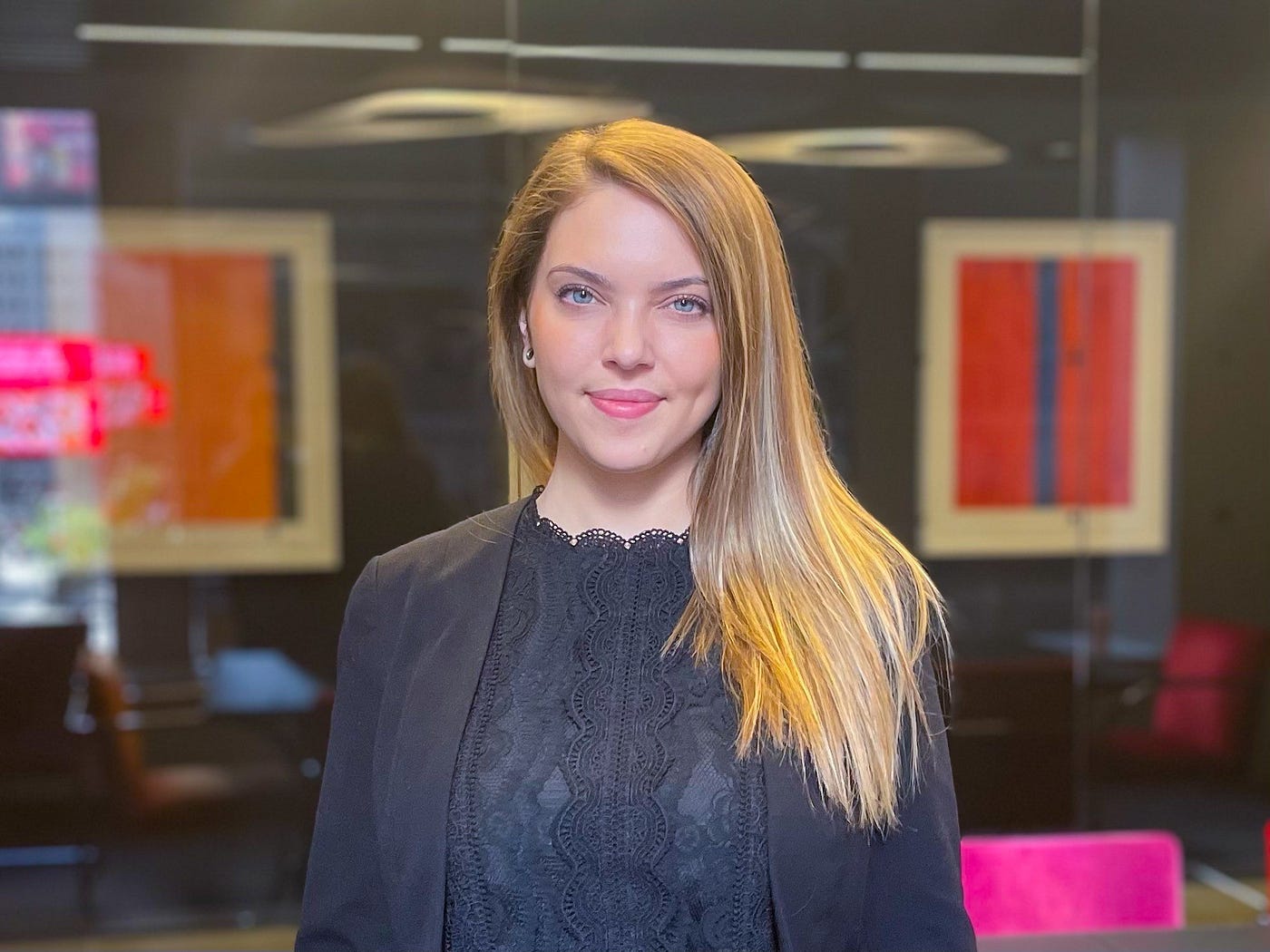
The culture strategy leader at Gensler explains why traditional corporate structures fail human biology and how leaders can redesign environments to foster authentic connection and innovation.
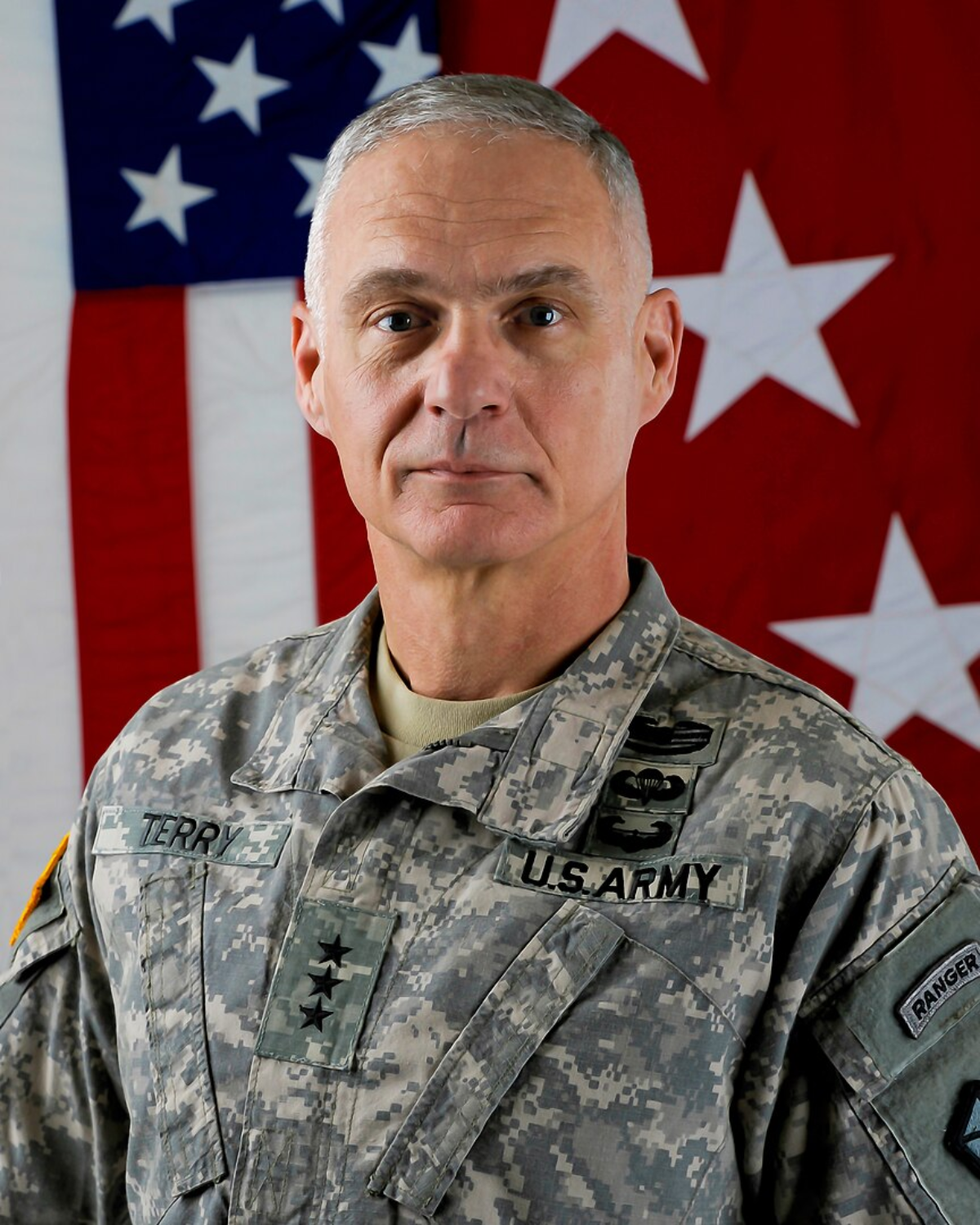
The retired three-star general and Cubic Defense executive discusses his decades of military service, the definition of true heroism, and how modern simulation transforms armed forces preparation.
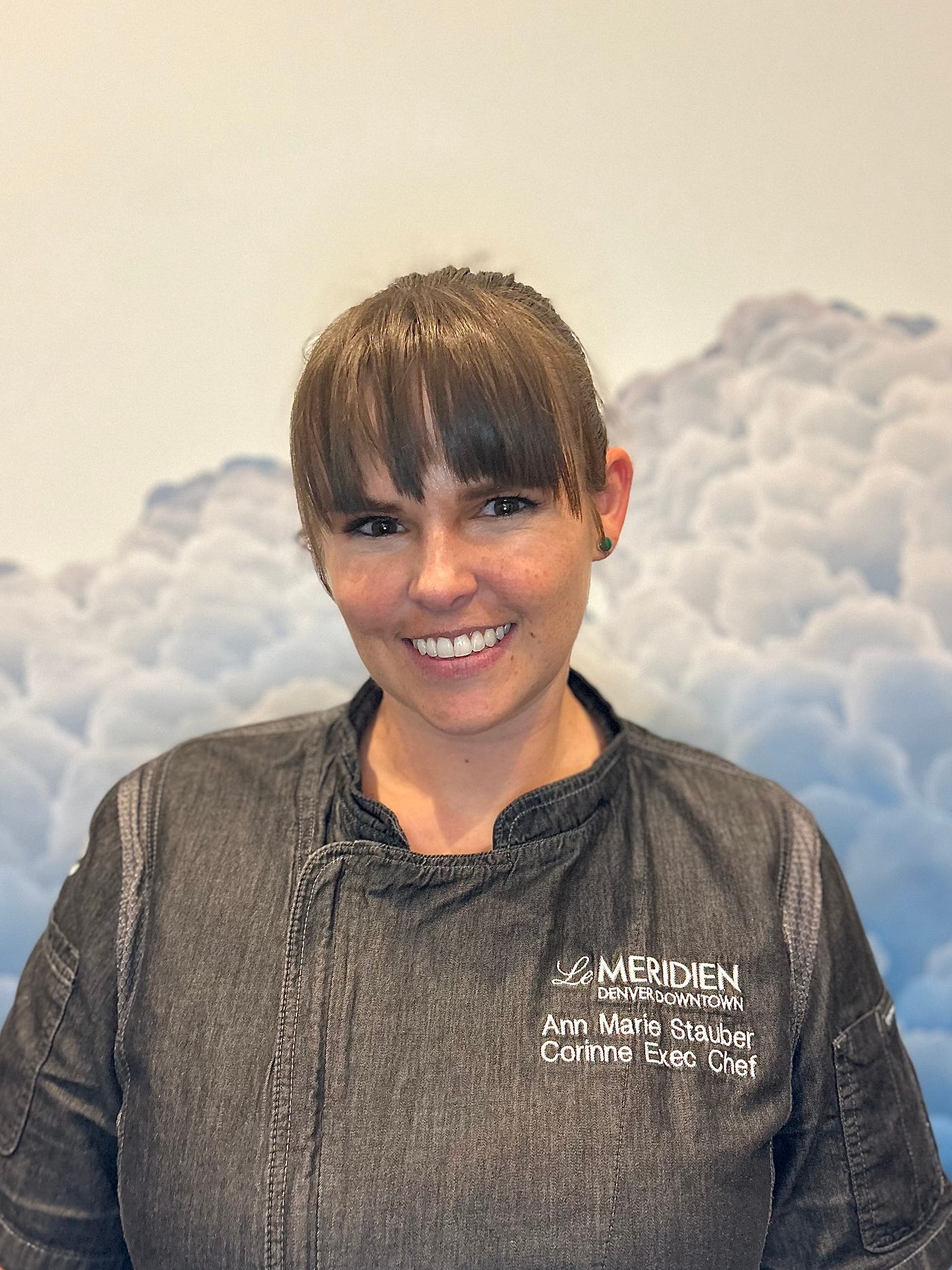
The executive chef at Corinne shares her journey from psychology to pastry, overcoming kitchen anxiety, and finding inspiration in simple, high-quality ingredients.
The founder and CEO shares how prioritizing worker compensation, surviving pandemic hardships, and trusting the right mentors built a values-driven ice cream empire.
The CEO of UW Health shares critical lessons on transforming healthcare systems, embracing feedback, and leading large organizations with unwavering integrity.
The Wells Fargo banking executive shares his unconventional journey from retail management to leading a massive division, emphasizing diverse perspectives and steady leadership.

Dimitra Milan and Jake Dunn share their journey of combining fine art mastery, relentless work ethic, and digital entrepreneurship to empower artists worldwide through Milan Art Institute.

The lifestyle influencer and Beachbody leader discusses how she turned a passion for fitness and community into a multi-faceted brand that helps people dream grander.