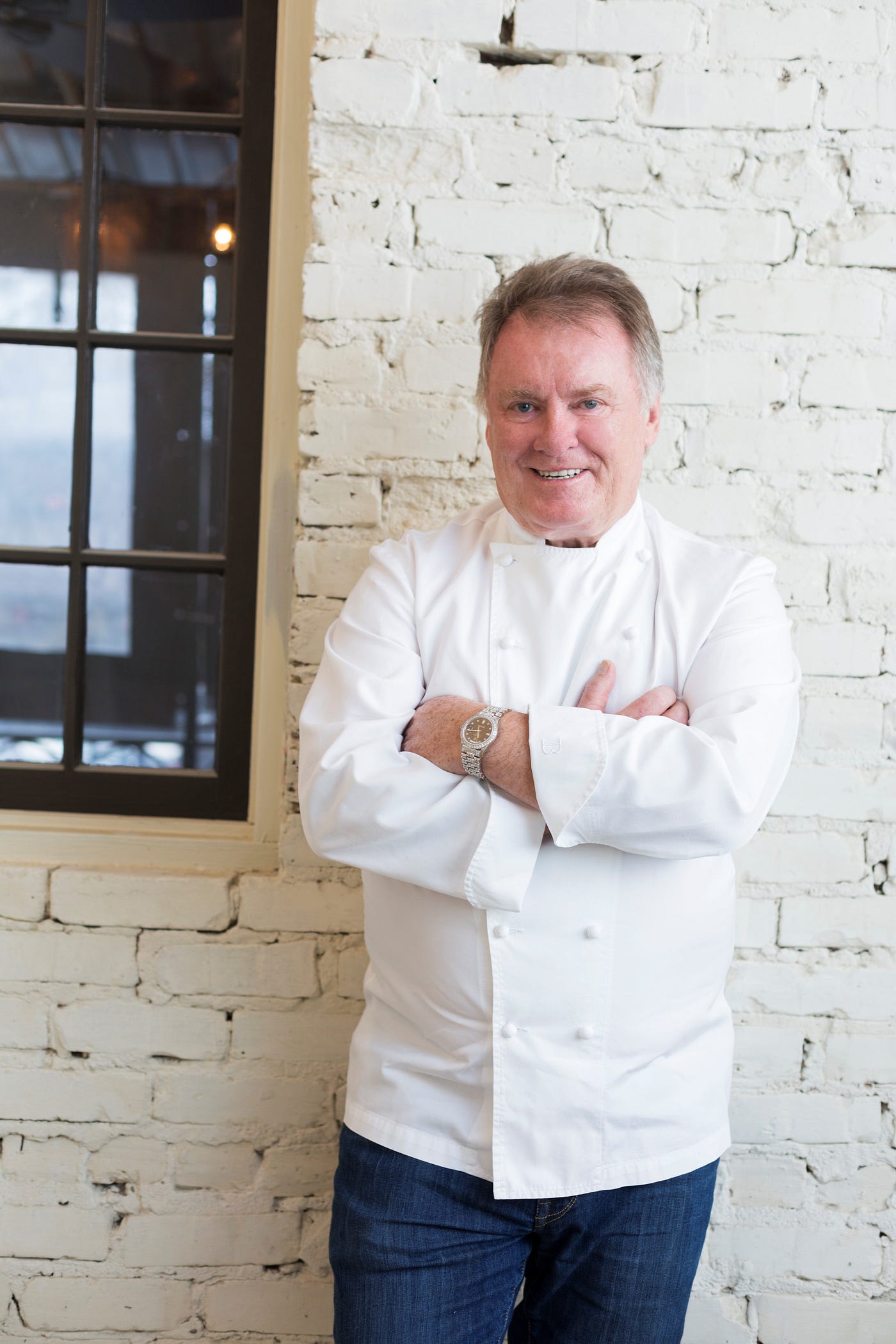
When I finally had the chance to approach him and ask for a picture, he not only agreed but, in that moment, took the time to impart some encouraging words to me.
Business
Ann Marie Stauber on Culinary Simplicity, Kitchen Anxiety, and Mentorship in the Hospitality Industry
The executive chef at Corinne shares her journey from psychology to pastry, overcoming kitchen anxiety, and finding inspiration in simple, high-quality ingredients.
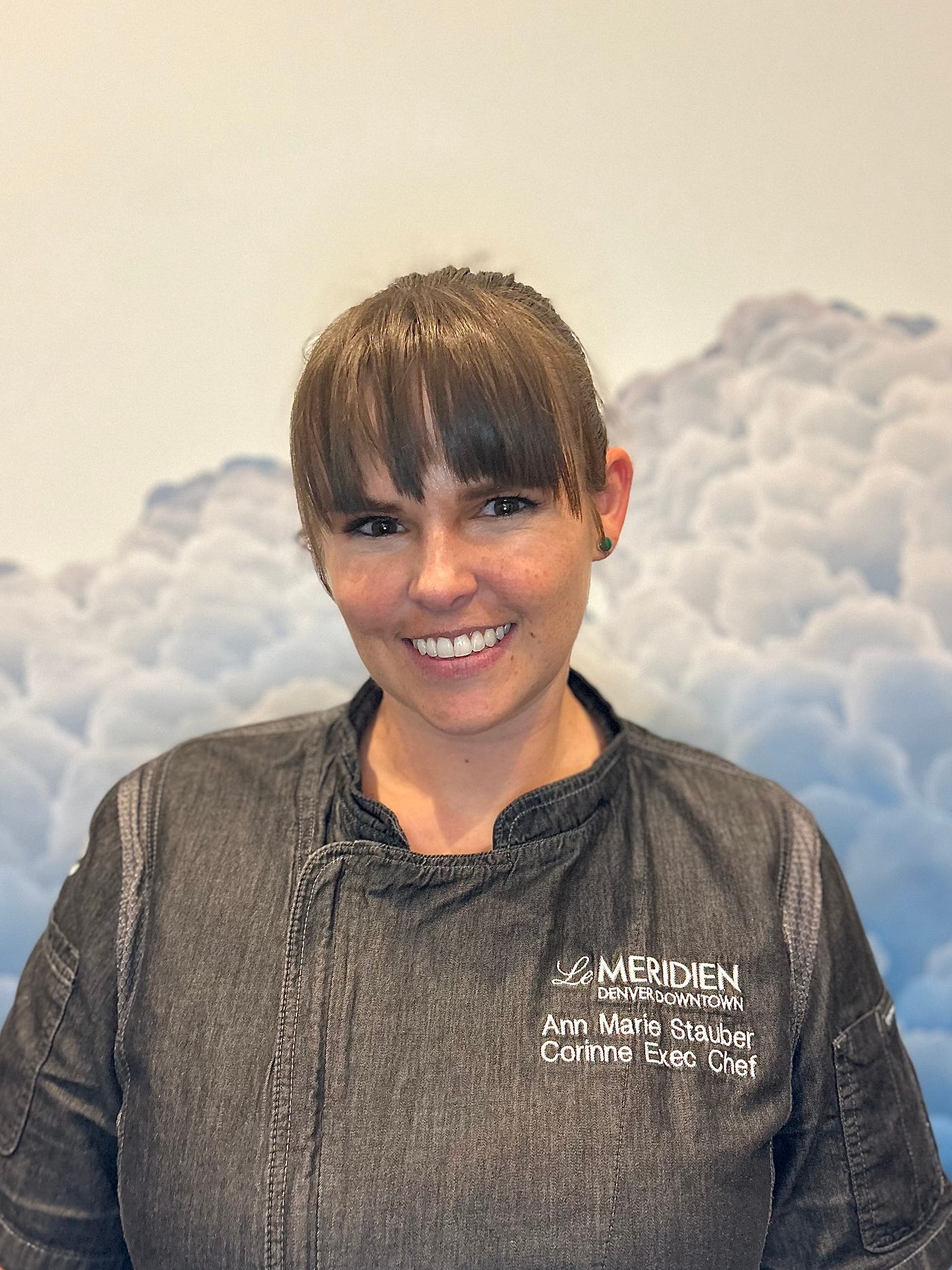
As a part of our series about the lessons from influential ‘TasteMakers’, I had the distinct pleasure of interviewing Chef Ann Marie Stauber.
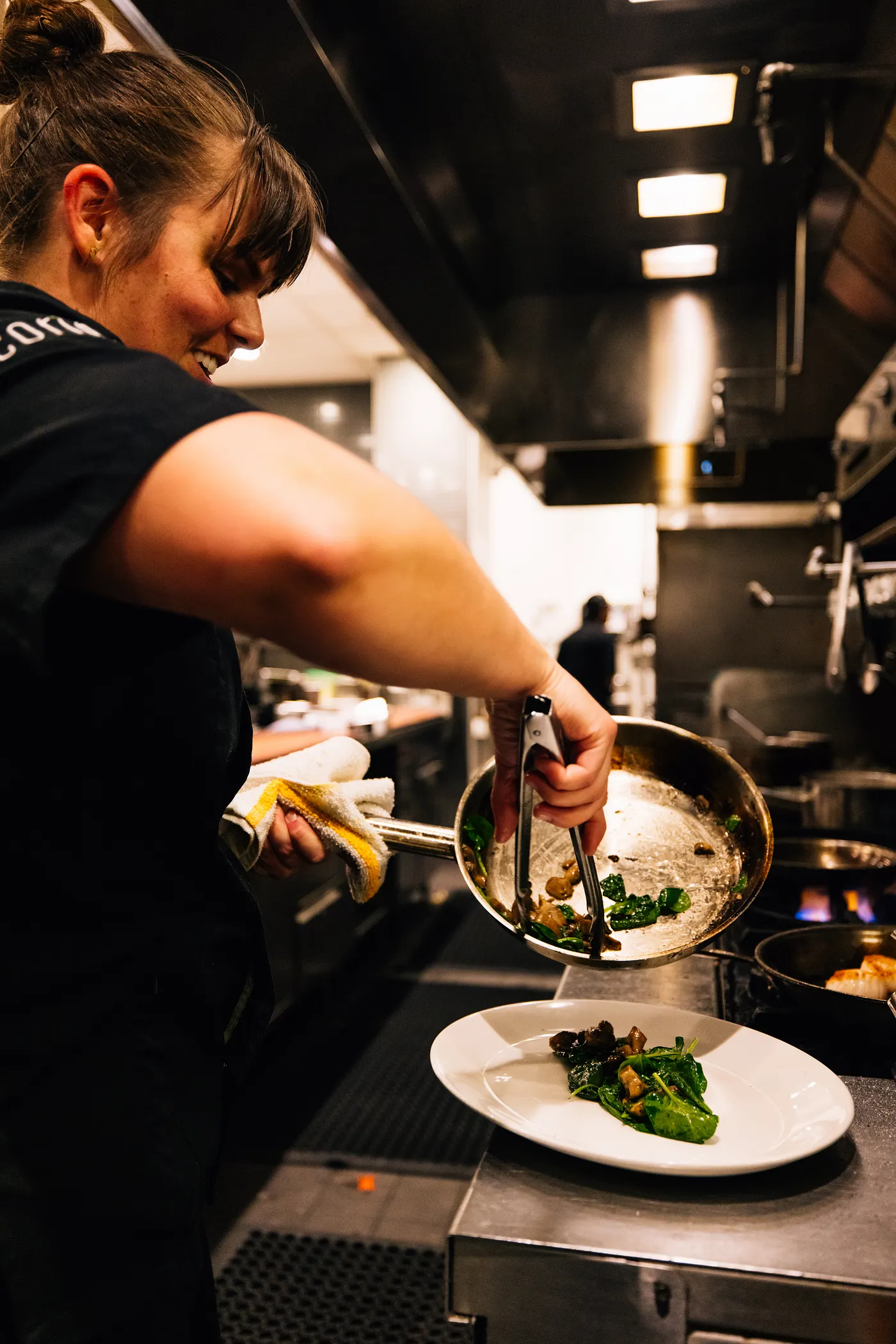
As the executive chef of Le Méridien Denver Downtown’s signature restaurant, Corinne, Chef Ann Marie Stauber oversees the restaurant’s culinary operations, drawing inspiration from over 10 years of experience as a hospitality professional. Chef Ann Marie’s culinary philosophy revolves around the essence of good ingredients prepared well. Through the power of simplicity, she believes the quality of the ingredients shines through in each dish. Her approach weaves seamlessly into Corinne’s menu, offering uncomplicated and honest flavors in its extensive lineup of familiar yet refined plates.
Thank you so much for doing this with us! Our readers would love to ‘get to know’ you a bit. Can you share with our readers a story about what inspired you to become a restauranteur or chef?
My journey towards becoming a chef was inspired by a series of experiences that ignited my passion for the culinary arts. It all began in elementary school when I had my first opportunity to try calamari. Coming from a family that favored classic restaurants and flavors, trying calamari was a completely new experience that opened my eyes to the diverse and exciting world of cuisine. I continued to yearn for a wider array of dining establishments, eager to experience more flavors and culinary creativity. As I progressed through high school, my love for food continued to grow during my time in cooking class, where I was able to build a foundation for my passion. After high school, although I initially pursued and earned a psychology degree, my heart remained in the kitchen, leading me to return to school to study baking and pastry at Johnson & Wales University. There, I excelled academically for the first time in my life, and it prompted me to consider my career path in culinary arts.
Do you have a specific type of food that you focus on? What was it that first drew you to cooking that type of food? Can you share a story about that with us?
I have always had a strong inclination towards creating dishes that are simple in nature but prepared and cooked exceptionally. One of my signature dishes is risotto, which I’ve made for my family more times than I can count. It has helped instill in me a deep appreciation for good food made from high-quality ingredients. In my family, I’m also known for my banana bread, a nutritious recipe I named after my cousin, who helped me create it. This recipe reflects my passion for creating dishes that are delicious, nutritious and comforting. Being a woman in the industry, I also find it encouraging to draw inspiration from other women-owned restaurants.
Can you share the funniest or most interesting story that has happened to you since you became a chef? What was the lesson or take away you took out of that story?
One of the most memorable moments in my culinary journey was when I had the opportunity to meet Gordon Ramsay, whom I have admired for a long time. I was in Las Vegas for a conference and happened to hear about the soft opening of Gordon Ramsay’s Fish & Chips restaurant. Without hesitation, I left the conference early to attend the opening and, hopefully, meet him in person. The dream became a reality! When I finally had the chance to approach him and ask for a picture, he not only agreed but, in that moment, took the time to impart some encouraging words to me. Gordon emphasized the need for more women in the culinary world and told me to keep working hard. The encounter was surreal, and I couldn’t help but call my mom afterward, shedding happy tears. He turned out to be one of the nicest and most encouraging individuals I’ve met. This taught me that even culinary legends like Gordon can be approachable and supportive and are aware of the importance of striving for a more inclusive and diverse culinary community. The interaction also reinforced my passion for creating approachable and delicious food that brings people together, like something as simple as the fish and chips restaurant where I met my idol.
Can you tell us a story about the hard times that you faced when you first started your journey? How did you overcome this obstacle?
As I began my culinary journey, I encountered a significant hurdle: the morning sauté station, particularly the egg station, triggered intense anxiety. The relentless pace and demand for precision tested my mental resilience. During challenging times, including an incident where I was devastated after accidently dropping an entire dish, I quickly learned I am my harshest critic. Through these challenges, I learned a crucial lesson: it’s essential to maintain a perspective on your work. Ultimately, I realized it’s just food and not worth having a mental breakdown over. I grasped that crying over spilled lobster mac and cheese or any minor setbacks is extremely unproductive. This realization helped me navigate the overwhelming moments and set an example for my team, as I always encourage fostering a positive attitude, remaining resilient and not letting the small things deter your culinary passion.
In your experience, what is the key to creating a dish that customers are crazy about?
In my experience, the key to creating a successful dish is all about a delicate balance. It starts with familiarity, where I often begin with a recognizable base and add a creative twist to make it exciting and fun. I like to focus on the transformation of flavors from the start of creating a dish to the finish. Nutrition also plays a significant role, with a focus on incorporating vegetables and acidity to keep the flavors fresh. I strive for this equilibrium in all my dishes, ensuring that no single element overwhelms the palate. This harmony even extends to pairings with wine or cocktails, where I consider how the flavor profiles interact, incorporating elements like acidity and heat. Ultimately, the inclusion of nutritious food and a keen understanding of balance are key steps in creating dishes that leave customers craving more.
Personally, what is the ‘perfect meal for you’?
This is a very loaded question! The “perfect meal for me” is all about sharing food with a group of like-minded friends who share a passion for culinary exploration. Going out with a group to a restaurant where we can order a wide variety of dishes and share them is the epitome of enjoyment for me. It’s an opportunity to try an array of flavors, textures and cuisines, making it memorable and engaging. While it might be a loaded question because there are so many incredible dishes and cuisines to choose from, I find that tapas restaurants often offer the perfect setting for such a meal and experience. Their small, shareable plates allow us to sample a diverse range of flavors and enjoy the full spectrum of culinary delights, while the communal aspect of sharing these dishes amplifies the fun, making it a perfect meal in my book.
Where does your inspiration for creating come from? Is there something that you turn to for a daily creativity boost?
As an extrovert, I believe in seeking feedback and involving my team in the creative process when creating dishes. Collaboration is often underutilized in the industry, and I acknowledge that I wouldn’t be where I am without my incredible team, hailing from different parts of the world with diverse backgrounds. Some of the most remarkable dishes we’ve crafted have resulted from team collaborations. I also turn to platforms like Instagram for daily creativity boosts, exploring recipes that utilize seasonal ingredients and experimenting with different plating styles while keeping an eye on what’s currently trending in the culinary world. While staying attuned to food trends is important, I’m equally invested in broader concepts like sustainability. I often draw inspiration from cookbooks such as “Good Fish” to incorporate responsible, environmentally friendly practices into our menu.
Are you working on any new or exciting projects now? What impact do you think this will have?
We are excited to launch Corinne’s new menu starting Nov. 1. Some standout new offerings include a delectable Butternut Squash Bisque topped with crème fraiche, chives and pecans; a Fall Vegetable Salad featuring brussels sprouts, butternut squash, cauliflower, kale, walnuts and horseradish dressing; and a Braised Wagyu served with pommes puree, heirloom carrots, thick bacon and wild mushrooms. We’ve worked to create a memorable and cozy dining experience that resonates with our customers, evoking feelings of warmth while elevating the comfort food concept. It’s an opportunity to engage our guests with fresh flavors and seasonal ingredients, providing a sense of culinary delight and satisfaction.
What advice would you give to other chefs or restaurateurs to thrive and avoid burnout?
You have to strike a balance. While loving your job is essential, prioritizing your well-being and life outside of work is equally vital. It’s a constant struggle, but planning activities on your days off before they arrive can help you avoid burnout. It’s important that you don’t let the things you love, both personally and professionally, get pushed to the side. For me, finding happiness in activities outside of work is essential, whether it’s hiking, gardening or snowboarding. My advice would be to learn to protect your days off as sacred, allowing yourself to recharge and disconnect from the constant demands of the culinary world. Building a supportive team that values work-life balance is also crucial in maintaining a sustainable and fulfilling career in the restaurant industry.
Thank you for all that. Now we are ready for the main question of the interview. What are your “5 Things I Wish Someone Told Me When I First Started as a Chef” and why?
- Become a master at what scares you: Early in my culinary career, I used to avoid tasks that I found challenging. One of those was making vinaigrette, and I was particularly nervous about it. However, I realized that facing what scares you is the only way to grow. So, I took on the challenge and became proficient at making vinaigrette, even to the point where I can now teach others. Embracing and mastering what scares you can lead to significant personal and professional growth.
- Attitude is just as important, if not more, as cooking skills: I learned that having a positive attitude is crucial in the culinary world. Patience, for instance, was something I had to work on. Simply walking into the kitchen with a positive mindset, saying “today is going to be a good day,” can set the tone for a successful culinary journey.
- You don’t have to go to culinary school: Although I attended pastry school, I discovered that culinary school isn’t the sole path to success. If you can afford it, that’s great, but it’s challenging to escape student debt. Getting into the kitchen early, even starting as a dishwasher, provides invaluable hands-on experience to determine whether you enjoy the environment. This active experience can give you a solid foundation that includes mastering culinary basics, such as maintaining a clean kitchen and adhering to food safety and health department regulations. These basics are essential for executing special dishes or tasting menus effectively.
- Be receptive to feedback: Feedback is the only way to grow and improve. Being open to feedback and actively seeking it is essential for personal and professional development. It’s through feedback that you discover your strengths and areas where you can enhance your culinary skills.
- Move around to different restaurants and locations: Exploring various restaurants and states allowed me to experience different culinary elements and broaden my network. For example, when I worked in Seattle, I learned how to cook various types of seafood dishes. By gaining exposure to different culinary environments, such as catering, hotels and various types of restaurants, you can expand your network and skills, making you a more versatile and well-rounded chef.
What’s the one dish people have to try if they visit your establishment?
Choosing just one dish for people to try at Corinne can be challenging because it depends on individual preferences. However, if I were to recommend a must-try dish, it would be the Belly-On Pork Chop. This dish features heirloom carrots, roasted brussels slaw and a cider-maple jus. It’s a masterpiece of simplicity, balance and precise cooking techniques. What makes this dish truly unique is the inclusion of the belly of the pork chop, which adds a distinctive and delicious element to the meal. It’s a dish that captures the essence of our culinary philosophy — good ingredients done well.
For dessert, I highly recommend our Bread Pudding, served with pecans and housemade bourbon caramel. This dessert is so irresistibly delicious that I often tell everyone to try it. In fact, I once shared a serving with my parents, and I barely had a chance to savor it; they inhaled it with such enthusiasm.
You are a person of enormous influence. If you could inspire a movement that would bring the most amount of good to the most amount of people, what would that be? You never know what your idea can trigger.
If I could inspire a movement, it would center on promoting mental health and personal growth while fostering an environment where individuals feel comfortable discussing their feelings. This is something that I work hard to instill in my team, and it would encourage people to prioritize self-care and well-being, not only for themselves but also for the people around them and their communities.
The core values would emphasize the significance of cultivating a positive attitude and choosing joy in our daily lives. By instilling these values within our teams and ourselves, we can create a ripple effect of positivity and motivation. The movement would aim to destigmatize conversations about mental health and encourage open dialogues. It’s crucial to remind individuals that it’s perfectly okay to talk about their feelings and seek support when needed. By fostering a culture of empathy, understanding and emotional well-being, we can enhance the overall mental health of our communities and, ultimately, bring the most good to the most people.
Thank you so much for these insights. This was very inspirational!
MM
Written by
Martita Mestey
Writer & ContributorContributor at Authority Magazine covering leadership, innovation, and industry insights.

Published inAuthority MagazineTop Lessons, Top Authorities · 42K Followers
Exclusive, curated interviews with the leaders and changemakers shaping tomorrow. Leadership lessons, industry deep dives, and executive profiles.