We are proud to work with authors who are super passionate about their work and are committed to their missions and how they want to impact their audience.
INTERVIEW QUESTIONS.
(If you are unable to download it, please click File-Download)
Please answer the questions, and leave the questions formatted as they are in the document. We may schedule a follow-up call or skype to round things out.
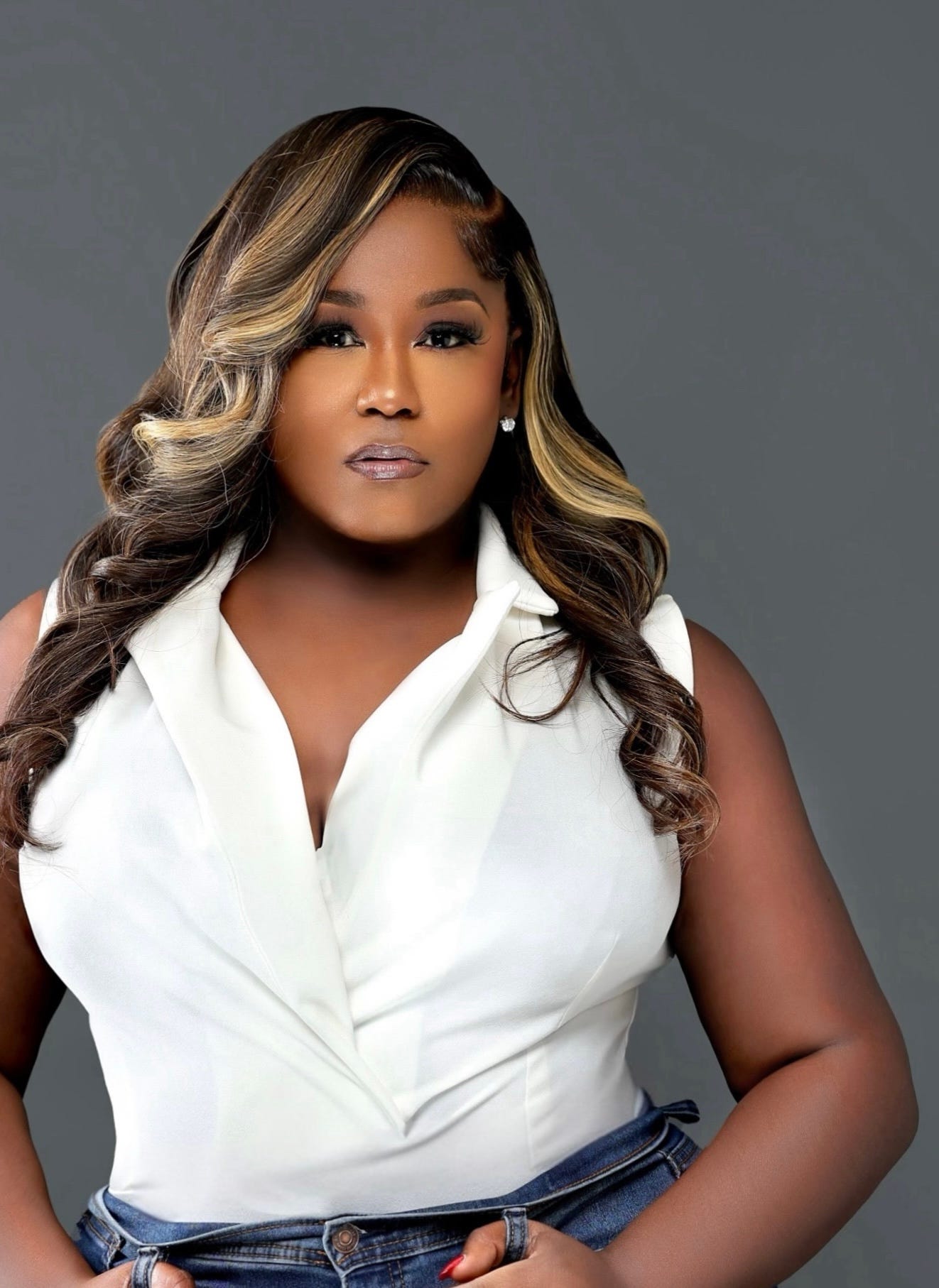
As a part of our series about “How You Can Grow Your Business or Brand By Writing A Book”, I had the pleasure of interviewing Conni Francini.
Conni Francini is the CEO of Soro Publishing, a leading hybrid publisher and brand builder transforming the author experience. As a 25-year publishing veteran, she specializes in content development, marketing, and publicity for authors in K–12 education, business, and leadership. With a proven track record of publishing market-leading and award-winning books, she is dedicated to elevating thought leaders and their brands. She frequently shares publishing insights through podcasts and industry events.
Thank you so much for joining us in this interview series! Before we dive into the main focus of our interview, our readers would love to “get to know you” a bit better. Can you share a story about what motivated you to become an expert in the particular area that you are writing about?
There’s a lot of information out there for authors. How to get more online reviews, what your page count should be, where to list your author bio, etc. This tactical information, sure that has a place, but I feel like some of this information is short-sighted. With my experience at a traditional publishing house, I see the power of a strong brand and a great suite of products and services. I’ve talked to thought leaders and experts with really powerful messages and unique and much-needed perspectives or expertise. Their potential is so much bigger than a book! They have the idea, and I have the vision. I wanted to empower thought leaders with big ideas by guiding them to do more than just “make a book.” If you approach a book strategically, it can be a springboard for your business and your mission.
Can you share a pivotal story that shaped the course of your career?
Last year, I talked with authors who had worked with traditional publishers and shared their frustrations with their experiences. While they valued the quality and professionalism, traditional publishing didn’t feel like a partnership. At the same time, colleagues who were in the process of self-publishing reached out to me for guidance. While they were excited about having full ownership of their work and the process, they felt overwhelmed and in over their heads. I realized that authors were faced with a choice: a professional quality book and professional publishing experience or control and freedom. It felt like an unfair choice for them to make. These conversations revealed a need in the market and became the reason for launching my publishing company.
What are some of the most interesting or exciting projects you are working on now? Are you working on any new writing projects?
I’m excited about all of the books that we have recently launched and have in development right now—all for similar reasons. We are proud to work with authors who are super passionate about their work and are committed to their missions and how they want to impact their audience. Our authors are addressing really important, timely issues and have a unique message or way of solving problems that is exciting. I’m thrilled to partner with them to make the biggest impact possible. Bringing their mission to life is the goal. A book is just one part of it.
Thank you for all of that. Let’s now shift to the core focus of our interview. Can you please tell us a bit about your book? Can you please share a specific passage or story that illustrates the main theme of your book?
I am excited to have a book in development that enables authors get the most from their book publishing experience, especially those who are writing books that are meant to help grow their businesses. It addresses the most common questions and challenges, and the most appreciated best practices that authors need.
I’ve reviewed thousands of book proposals and published hundreds of professional books, and one of the most common challenges is that the books tend to lean on the author’s expertise. Something I’ve learned over my more than twenty years in publishing is that what makes a book successful is not the author’s expertise and knowledge. What makes a book successful is really clear and compelling positioning. A book needs to answer these questions: Who specifically is this book for? What problem does it address? And, what transformation does this book aim to provide. Based on the answers to these questions, we can figure out how to best present the author’s expertise.
You are a successful author and thought leader. Which three character traits do you feel were most instrumental to your success when launching your book? Can you please share a story or example for each?
Empathy: Empathy is important to understanding a book’s audience, enabling me to “walk in their shoes.” I approach their challenges, frustrations, and aspirations with genuine care. It’s what helps me partner with authors to publish books that make readers feel seen, heard, and understood–the kind of books readers don’t want to put down.
Commitment: Let’s face it, writing and publishing a book is a marathon, not a sprint. It takes real commitment and focus to write a manuscript, engage in the editing process, and bring a book to life. There are so many steps and details that need to come together. It’s a creative process that is never easy but can be rewarding. And, promoting a book takes commitment from before the book is published and for years ahead.
Self-belief: I think you have to really believe in your work, your ideas, and the need and relevance of your topics. You have to believe in your own ability to write the manuscript and get the words out, and to go out and pitch to events, media, and bookstores. Without that self-belief all throughout the process, you wouldn't get started, you wouldn’t finish your manuscript, and you wouldn’t get your book to market.
In my work, I have found that writing a book can be a great way to grow a brand. Can you share some stories or examples from your own experience about how you helped your own business or brand grow by writing a book? What was the “before and after picture?” What were things like before, and how did things change after the book?
What I know is that just writing a book won’t necessarily build your business or brand. You have to think about it as a business-building tool. First of all, knowing what your brand is, and using your book to amplify that is part of it. Really understanding who your audience is and writing a book that speaks directly to them, their problems, in their language with a solution they crave. And, you have to know what your business goals are and determine how a book can support those goals.
For example, one of our authors was early in his journey as a consultant and thought leader. As part of our work together to develop the book, we focused early in the process to help him get clear on his audience, what problem he’s solving, and what makes him and his expertise unique. By drawing that information out to initially help inform the book, that helped inform his business. As a result of having a strategic approach to creating this business book, he is now booking speaking engagements, working with prestigious universities, and getting podcast appearances to share more about his work.
If a friend came to you and said “I’m considering writing a book but I’m on the fence if it is worth the effort and expense” what would you answer? Can you explain how writing a book in particular, and thought leadership in general, can create lucrative opportunities and help a business or brand grow?
In my experience, the reasons to write a book to build a business should be business related. If you’re going to spend the time, energy, and money to publish a book as part of your business, the goals for your book should align with your business goals. For example, if you are working to expand your work as a speaker or workshop host, the book you write should align to those efforts in your business. For consultants, a book is one of the best ways to build your authority and showcase your unique approach in your industry. If you have a successful keynote about particular topics, your book should reflect those topics; your book can help create speaking opportunities, and your speaking engagements can fuel book sales.
What are the things that you wish you knew about promoting a book before you started? What did you learn the hard way? Can you share some stories about that which other aspiring writers can learn from?
That it’s not easy and it takes a lot of work! It takes a lot of effort to reach out for promotional opportunities, and it’s not as straightforward and simple as you would hope.
My first book pitch failed. That was such an important lesson for me about pitching and promoting books. I was pitching my knowledge about a topic, but I wasn’t speaking with my audience’s interests in mind. I learned the hard way that nobody cares about “the book.” They care about their situation, their problems, aspirations, and frustrations. I had to learn that promoting a book isn’t about the book, but the audience you’re talking to. What do they want, what can they get from carrying the book in their store, selling the book at their event, or inviting you on as a podcast guest.
Based on your experience, which promotional elements would you recommend to an author to cover on their own and when would you recommend engaging an expert?
Know your own strengths in terms of promotion. For example, if in your work you are media-savvy and have good relationships with the right people in the media, then leverage that for publicity. If there are other areas where you don’t feel as comfortable, such as building your email list or pitching to podcasts or events, bring in resources there. The key is to recognize your strengths and use those to determine how you’re going to get the most from book promotion.
Wonderful. Here is the main question of our interview. Based on your own experience and success, what are the “five things an author needs to know to successfully promote and market a book?” If you can, please share a story or example for each.
Idea #1: Think beyond the book to business goals. When I ask potential authors what “success” means for their book, they sometimes think only about book sales. However, when you’re writing a book to grow your business, success is about more than sales. It should be about your business goals: build a personal brand, establish authority, or expand your products and services.
For example, a keynote speaker will likely want a book that reinforces their message and can be incorporated into their keynote offerings. This has a few benefits: a professional-quality book can elevate their authority with potential clients and events, and they can raise their keynote fees by including a copy of their book for every attendee.
Idea #2: Understand your audience. Before you start promoting your book (or your business), you want to understand clearly who your audience is. Otherwise, any promotional activities you do may fall flat. Paint a full picture of your audience, more than just “women,” “executives,” or “teachers.” What’s important to them? What frustrates them? What do they aspire to? And, just as importantly, where do they get their information?
I recently partnered with a leadership consultant. We clarified that his audience had a strong desire to be an effective leader and that they were mission-driven and people-oriented. They felt stuck in old habits of leadership and wanted to enable both people and the organization to be successful. This knowledge guided how we promote the book, such as which podcasts to pitch to, as not every leadership podcast is the right fit for this audience.
Idea #3: Clarify the problem your book addresses. Here’s the hard truth: nobody cares about your book–or even you or your expertise. They care about their problems, and they are looking for an expert and book that will help them solve that problem. In order to make your book promotion and marketing successful, you’ll want to craft a plan around those problems, instead of your expertise. Most importantly, you’ll want to talk about the problem the way your audience does, using their language as much as possible. That’s how they know you understand them.
For example, I work with K–12 education authors who wrote a book that addresses one of the biggest challenges in education: teacher burnout. When we pitch the authors for podcasts and media opportunities, that’s our focus. Over the course of those media opportunities, the authors get to talk about the book, but those opportunities are anchored around a very important and critical problem.
Idea #4: Make your book’s message unique. Thousands of books are published each day. What will make yours unique? When I’m reviewing book proposals, I’m looking for a clear and compelling unique message or perspective. And, before authors begin writing, we often refine this even more. Without this, book promotion and marketing will be a frustrating experience!
One of my favorite parts of partnering with authors is helping them craft their unique perspective. We work together to codify their expertise, often through a framework, model, or process. This is the fun moment when they say, “It was all in my head, and now I really see it in a clear and simple way!” That’s key to book marketing–making your message simple, unique, and memorable.
Idea #5: Build your author platform. Publicity and promotion opportunities are a series of collaborations. Whether you’re seeking to promote your book to events, digital media, traditional media, social media, etc., your platform will likely be a factor. How much of an audience or engagement might you bring? So, it’s smart to invest in building your platform, based on what your audience wants and where they are: your social media following, your blog, your newsletter, professional affiliations, industry awards, reviews, testimonials, etc.
For example, K–12 education authors I’m working with are becoming more intentional about their platform. They know they have a strong foundation that can help make the book a success and meet their bigger business goals. So, they are investing more time in their email list, promoting their book even while it’s early in development. They’re actively growing their social media following and embedding book writing updates along the way. And, they’re observing what they’re audience responds to. This will strengthen their message and make them more compelling as a speaker, podcast guest, guest blogger, etc., where they can share their expertise and promote their book.
We are very blessed that some of the biggest names in Business, VC funding, Sports, and Entertainment read this column. Is there a person in the world, or in the US, with whom you would love to have a private breakfast or lunch, and why? He or she might just see this, especially if we both tag them :-)
I would love to meet some of my favorite thought leaders and authors, such as Simon Sinek.
How can our readers further follow your work online?
You can follow our work on our website and our social media platforms!
Website: https://www.soropublishing.com/
LinkedIn: https://www.linkedin.com/company/soro-publishing
Instagram: https://www.instagram.com/soropublishing/
Facebook: https://www.facebook.com/people/Soro-Publishing/61560201369308/
Thank you for these excellent insights, and we greatly appreciate the time you spent. We wish you continued success with your book promotion and growing your brand.