What we now call Hustle Culture has its roots in the Industrial Revolution, when for most productive jobs, the amount of time spent on the job was directly proportional to the work output.
Business
Cinzia Campanini of Awin: Inside the Push to Cancel Hustle Culture Through a 4-Day Work Week and Sustainable HR Strategies
The VP of People & Culture at Awin shares how global enterprises can eliminate burnout by implementing flexible work regimes, mental health support, and progressive talent strategies.

“Hustle Culture” is an ethos often propounded by young self-proclaimed internet gurus that centers around the idea that working long hours and sacrificing self-care are required to succeed. This mentality may have gained popularity in the mid-2010s, but it has peaked, and now it has been sardonically renamed “Burnout Culture.” So why exactly is Hustle Culture the wrong path to take? What damage can it cause? What is a viable, sustainable alternative to hustle culture? How can we move from Frenzy To Focus? In this interview series, we are talking to business leaders, mental health leaders, marketing experts, business coaches, authors, and thought leaders who can share stories and insights about “How We Can Cancel Hustle Culture And Create A New Sustainable Work Paradigm.” As a part of this series, I had the distinct pleasure of interviewing Cinzia Campanini.
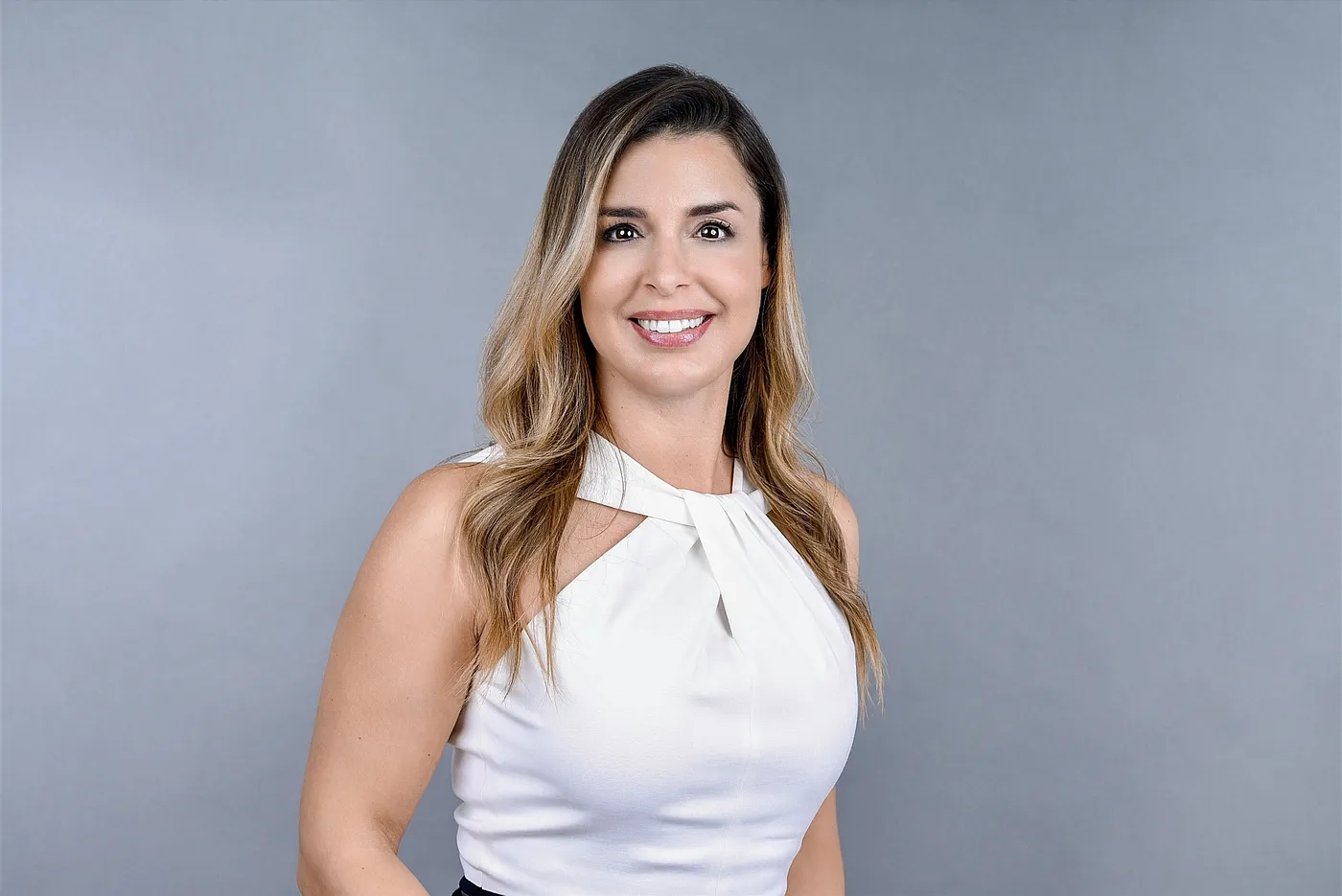
Cinzia brings over a decade of experience in HR business partnering, change management and People & Culture transformation from global organizations in the media, consulting, and industrial sectors. Having joined Awin in 2022 as Vice President People & Culture, her mission is developing a future-proof talent strategy and organizational capabilities, while also providing management and staff with best-in-class support ranging from employee experience and engagement to leadership development, from Talent & Learning to D&I, from people analytics to HR operations. She is passionate about bringing out the best in people and organizations by developing win-win solutions for the business and their most valuable assets: people and culture.
Thank you so much for joining us in this interview series! Before we dive in, our readers would love to know how you got from “there to here.” Inspire us with your backstory!
While I certainly never said “I want to be a VP of People & Culture” as a kid, I was always very curious about people, their stories, and how we communicate with and learn from each other. That’s how life took me to live in different countries (Italy, US, Germany, Switzerland), study Neurolinguistics and Psychology, become a university lecturer by day and language teacher by night, until I took the plunge and joined an HR consulting and executive search firm.
There, I was lucky enough to meet very bright minds and speak with senior executives in my twenties, which made me learn a great deal and want to try and make a difference in an organization from within. Since then, I’ve worked in various companies of different sizes and industries in Talent Acquisition, Talent Management, and other areas of HR (now called People & Culture by many forward-looking organizations), all the way to joining Awin in June 2022.
Awin is a global affiliate marketing company, which has been recognized in various countries for its workplace culture, including being named a Top Workplace by The Baltimore Sun for three-consecutive years. Our employees have access to a breadth of wellbeing initiatives, including a hybrid/remote work regime, a 4-day work week (which we call Flexi-Week), working from home subsidies, and the opportunity to work abroad in one of our global offices. It’s really exciting to be the VP People & Culture at such a company.
Tell us about your typical day!
Perhaps the most exciting thing about my days is that there is no “typical day”, because I get to work on such diverse topics and with many people from around the world. That being said, I have a healthy basic amount of “routine” to my day, from my sacred morning coffee, occasional morning jog (depending on the weather; as a native Italian, I light up when it’s sunny and warm, but struggle to get out in the cold), to firing up my laptop in my home office or making my way to Awin’s office in Zurich by bus or tram (I have a driver’s license but choose not to have a car for environmental reasons, and public transportation here makes it so easy to get around!).
With Awin being such a global company, I have several daily video calls– whether with my team, the Executive Board, Awin colleagues, or external contacts. I make sure to have at least an hour of meeting-free, “thinking time” per day, and after work, to dedicate time to my loved ones, and to my hobbies at least three or four times a week — mainly theater. I’m an amateur actress and it has taught me so many life lessons, from how “the show must go on” in the face of mistakes and insecurities, to the crucial value of preparation and teamwork. I also volunteer with a local association supporting refugees, and play tennis.
What lessons would you share with yourself if you had the opportunity to meet your younger self?
I would tell my younger self the biggest lessons learned over the years, especially about how ‘perfect’ is the enemy of ‘good’, and how the “serenity prayer” is the key to inner peace: grant me the serenity to accept the things I cannot change, the courage to change the things I can, and the wisdom to know the difference. I’m still working on that wisdom, though! On a more professional level, I would tell my younger self that strategy is only as good as the actions that follow from it, and that Human Resources is all about win-win solutions and being the “balance keeper”, in many ways.
Ok, thank you for sharing your inspired life. Let’s start with a basic definition to make sure that all of us are on the same page. How do you define Hustle Culture?
Hustle Culture (I’ve recently heard it referred to as “grind culture” too) is the belief that people must work tirelessly, harder and longer to achieve their professional goals, often including working significant overtime and/or having “side gigs”. This culture regained popularity due to the Great Recession of 2008, particularly among younger generations who felt the need to work long hours and start side businesses due to the tough economic climate. So, overworking and making career the absolute priority in life was normalized, especially on social media, through positive portrayals of “hustlers”.
Now let’s discuss an alternative to Hustle Culture. To begin, can you share with our readers a bit about why you are an authority on the problems that come with Hustle Culture?
I’m not sure if I’d call myself an authority, but as mentioned, I’ve worked in HR at various global companies, and currently am proud to be the VP of People & Culture of a progressive organization, which provides staff with access to several benefits including a hybrid and family-friendly work regime, a four-day work week, special leave for personal issues, home office subsidies, mental health support, opportunities to work abroad, and more. I also have a broad professional network, which allows me to stay up to date on current trends in the workplace, and am an eager reader of books and articles about sociology, industrial psychology, and cultural trends.
The specific term “Hustle Culture” may have been popularized in the 2010s, but the concept behind it and the behaviors that come with it can be traced back hundreds or perhaps even thousands of years. From your vantage point, experience, or research, what were the main drivers of Hustle Culture?
What we now call Hustle Culture has its roots in the Industrial Revolution, when for most productive jobs, the amount of time spent on the job was directly proportional to the work output (imagine the archetypical factory worker in an assembly line) — with obvious human limits. In a narrower sense, this mindset has existed in “Western cultures” since the 1980s and 1990s, when the development of the “tech” industry was accelerated by the personal computer, the internet and work tools such as emails and the precursors of smartphones.
This mentality found particularly fertile ground in certain regional cultures, e.x. in the capitalistic US, the highly industrious mindset of Japan, the ambitious, status-oriented Indian culture, and many others.
Also, let’s not forget that for the “working class”, working long and hard was considered the only way out of a life on minimum income and into a more comfortable lifestyle, affording more opportunities not only for the individual, but also for their family. Coming from a working-class family myself; I have a lot of empathy for this. So, in some cases, “hustle culture” was born out of necessity and other cultural paradigms, which are essential to understand.
I work in the marketing industry, and so I’m very cognizant of this question. What role do you see that marketing and advertising has played in creating the frenzy caused by Hustle Culture that many of us feel?
Every industry has its fair share of hustle idolization, but ad agencies and advertising in general operate in a time-based way (not Awin, which is not a traditional advertising agency but an affiliate marketing and martech services provider). Because many advertising agencies work by billable hours, just like law firms and consultancies, you have to show it off and make sure people know you’re working hard and long. In terms of advertisements promoting hustle culture, this is often enough tied to marketing work tools, so of course, hustling is in the interest of the product provider; the more you work (depending on the type of work), the more you’ll need that laptop /internet subscription/coworking space, you name it.
Two examples come to mind from my personal experience; before the iPhone was launched in 2007, Blackberries were all the rage as precursors of work cell phones. In the US, Blackberry created a billboard with a man on a sailboat and a Blackberry in his hand, and the catchphrase “you can finally work while you’re off” or something to that effect. However, a friend of mine, who was a Marketing Manager, told me that the same billboard was rejected with a laugh by advertisers in Germany, because they claimed it would contradict a tenant of German culture, namely the separation of work and private life, and it would end up being really bad publicity for the product.
I also remember the “5 to 9” Super Bowl ad for Squarespace a couple of years ago. The intended meaning of the commercial was that you could turn your side hustle, your passion, into your dream job (with the help of Squarespace, of course). However, the ad failed by focusing on the “hustle” part, implying that to make your dreams a reality, you must work a second job after your first one ends, from 5 to 9. The Super Bowl is followed by many people in Europe too, so I remember some reactions on this side of the pond, saying this was a good example of how some aspects of Hustle Culture are deeply ingrained in the American mindset about work and success.
Can you help articulate the downsides of Hustle Culture? Why is this an unsustainable work paradigm?
A metaphor I like to use is: hustling is like driving a car two hundred miles an hour, thinking it’ll get us to our destination faster. The problem is, it also burns way more gas, makes it very hard to slow down when needed, increases the risk of accidents, and makes you miss all the good things you might see out the car window while on the road. You might even miss out on an alternative destination that would have been better than the one you had in mind.
If there’s a silver lining to Hustle Culture, it’s that it has attracted attention to the topic of work culture and work-life balance, and indirectly inspired other, opposing schools of thought. In fact, in the past few years, there has been a renowned interest in mental health, emotional wellbeing, and work-life balance. More broadly, the last couple of decades has seen the rise of awareness about mental health being as important as physical health, which was a well overdue realization in Western societies. Think about how we educate children on the basics of keeping physically healthy (personal hygiene, cleaning and covering a wound …) but don’t teach them to develop basic self-awareness skills, to recognize and deal with their emotions and feelings, etc. In the same vein, until recently, seeing a mental health professional was considered taboo by many, but less so now.
This in turn has led to a reflection on the obvious risks of Hustle Culture: the intrinsic and completely normal limits of our bodies and minds, which require a healthy balance and cannot sustainably be overworked over long periods of time without serious, long-term mental, emotional, and physical consequences.
In other words, Hustle Culture is born out of the illusion that there’s no long-term price to pay for hustling. But it is an illusion indeed; even though every individual has a different, deeply personal level of ambition and stress threshold, long-term “hustling” is, simply put, unhealthy for both the body and mind, and also for an individual’s own long-term productivity — thus, ultimately, for the employer too. I could cite dozens of research sources that describe the long-term, sometimes irreparable effects of burnout, stress, and long-standing lack of rest, not only for individuals but for companies as well.
Let’s now discuss Focus, the opposite of Frenzy. Can you please share one area of your personal or business life where you simplified things and then felt less frenzied and more fulfilled? Can you please explain?
One thing I did at my previous company (where we didn’t have the Flexi-Week, unlike at Awin) is simplifying my schedule by reserving at least one working day per week as my “meeting-less time”; i.e., without scheduled meetings, and recommending that my team do the same. Of course I remained available for urgent meetings or calls, but I tried to use this “me time” for strategic work and brainstorming. My manager found it was a great idea and did it himself! Some companies have been piloting “meeting-less Wednesdays”, in the same vein.
Research shows that eliminating unnecessary meetings or commitments gives individuals more time to focus on the things that matter most to them, whether it’s spending time with loved ones or focusing on a particular project. By reducing the amount of “busyness” in their lives, people often find that they have more energy and enthusiasm for the things that truly matter to them, leading to greater fulfillment in both their personal and professional lives.
What life experiences have you adopted in your business or personal life that have left you more satisfied? Can you please explain?
Two things that had a huge impact on my ability to handle stress and anxiety are limiting my time on social media, and writing a “gratitude journal”.The former might seem old fashioned, but as someone who struggled with anxiety and self-worth in the past, I realized that checking out other people’s seemingly perfect life on Facebook, Instagram and the like on a daily basis had created an unhealthy amount of pressure on myself, and distorted expectations of what my life should “look” like. I have felt better since shutting down my social media profiles years ago, except for LinkedIn.
Okay, fantastic. Here is the main part of our interview. In your opinion, how can we break the addiction to being busy or trying to find the next big thing? How can people truly focus on tasks that make THE difference to their business and lives giving them satisfaction or life purpose alignment? Based on your experience and your area of expertise, can you please share “Five Ways To Move From Frenzy to Focused”?
1. Let’s start with the nitty-gritty; if possible in your job, reserve at least half a working day per week (better if a full day) as your “meeting-less time” i.e., without scheduled meetings, and explain it to your team and closest stakeholders. Of course you’ll be available for “urgent” calls, but ideally, you’ll use this time for other tasks that require focus and peace. Also the focus function in Outlook is based on this principle, it can help you pre-book some blocks in your calendar so that they’re not filled up with meetings before you realize it.
2. Harvesting the power of anchors, especially the “synesthesia effect” (i.e. the fact that our brains powerfully connect sensory stimuli and thoughts, e.g. music and memories). My favorite one is taking at least a three-minute break every two hours to listen to a song that reminds you of a good memory and makes you feel happy or relaxed or energized, depending on what you need in that specific moment.
3. Exercise the serenity prayer (I am personally not religious, but as I mentioned earlier, I find this is incredibly powerful, it doesn’t require religious faith): grant me the serenity to accept the things I cannot change, the courage to change the things I can, and the wisdom to know the difference.
4. Establish new habits by starting small. I know this is often said in self-help books and podcasts, but the way it worked for me is as follows: if you want to establish a habit of working out / reading / meditating / you name it for, say, an hour a day, start by doing it one minute a day, every day. Due to how our neuro pathways work, this will make it easier to establish and maintain the habit, which you can then expand on. After years of telling myself I should restart doing yoga daily and never actually doing it, I started doing just one yoga pose in my bedroom at the end of each day, then doing two, then a few more, until doing half an hour of yoga became part of my evening routine.
5. Gratitude journal, as mentioned above. I cannot recommend it enough.
How would you describe a work paradigm that is a viable alternative to Hustle Culture? What would it look like, and what would you call it?
To use the metaphor I mentioned earlier, a viable alternative to the car driving two hundred miles an hour all the time would be one where we speed up and slow down at the right time, and don’t miss the opportunity to adjust course and enjoy the ride, while still keeping our end goal in mind. Simply put, we must recognize that humans are not machines and need rest, relaxation, and time for self-care to function at their best.
To support this work paradigm, employers should strive to have a two-way trust relationship with employees, treat them like adults, allow flexible schedules where possible, granting employees a degree of autonomy over their workday and time off for self-care or other personal responsibilities. In other words, companies should value quality of work over quantity, recognizing that burnout and stress can lead to decreased productivity and ultimately harm the company’s bottom line.
To be clear, this is a two-way street; flexibility and trust are only possible when there is a shared sense of responsibility and ownership, but I do believe that most people (hence most employees) would happily repay their employer with increased commitment and accountability.
To describe this work paradigm, I would call it a “balanced work culture” (as I said earlier, I believe “balance” is so central to wellbeing in many ways). It would prioritize the health and wellbeing of employees while still allowing for meaningful and productive work.
Do you have any favorite books, podcasts, or resources that have inspired you about working differently?
The book I just talked about, “Stumbling on Happiness” by Daniel Gilbert, is a game-changer regarding how we think of what will make us happy and satisfied, and how we manage our expectations and pressure on ourselves.
Also, I highly recommend the work of Guy Winch, a psychologist and leading advocate for integrating the science of emotional health into our daily lives and workplaces.
And Brené Brown’s “Dare to lead”, already a classic.
You are a person of great influence. If you could inspire a movement that would bring the most amount of good to the most amount of people, what would that be? You never know what your idea can inspire.
In the spirit of what we just talked about, I would love to inspire a movement which puts emotional and mental health on the same level of importance as physical health. One that provides people with skills to understand themselves better, their thoughts and feelings, where the pressure to overwork and overperform might come from and how unhealthy it can be in the long term. And most importantly, how to enjoy the ride without going two hundred miles an hour on autopilot. I would love for this to be part of wellbeing initiatives in companies as well.
What is the best way for our readers to continue to follow your work online?
You are more than welcome to follow me on LinkedIn, and to check out Awin news on our website.
This was very inspiring. Thank you so much for the time you spent on this. We wish you only continued success.
About The Interviewer: For 30 years, Drew Gerber has been inspiring those who want to change the world. Drew is the CEO of Wasabi Publicity, Inc., a full-service PR agency lauded by PR Week and Good Morning America. Wasabi Publicity, Inc. is a global marketing company that supports industry leaders, change agents, unconventional thinkers, companies and organizations that strive to make a difference. Whether it’s branding, traditional PR or social media marketing, every campaign is instilled with passion, creativity and brilliance to powerfully tell their clients’ story and amplify their intentions in the world. Schedule a free consultation at WasabiPublicity.com/Choosing-Publicity.
DG
Written by
Drew Gerber, CEO of Wasabi Publicity
Columnist & ContributorAuthority Magazine Columnist & Contributor

Published inAuthority MagazineTop Lessons, Top Authorities · 42K Followers
Exclusive, curated interviews with the leaders and changemakers shaping tomorrow. Leadership lessons, industry deep dives, and executive profiles.