The strongest evidence points to overall eating patterns, not to any single 'brain food.'
In a world inundated with distractions, constant connectivity, and a plethora of information, our cognitive well-being has never been more crucial. Amidst the clamor, how do we nurture our minds, keep our focus sharp, and cultivate habits that promote mental clarity?
As a part of our series, we had the pleasure to interview Christine Ghilain.
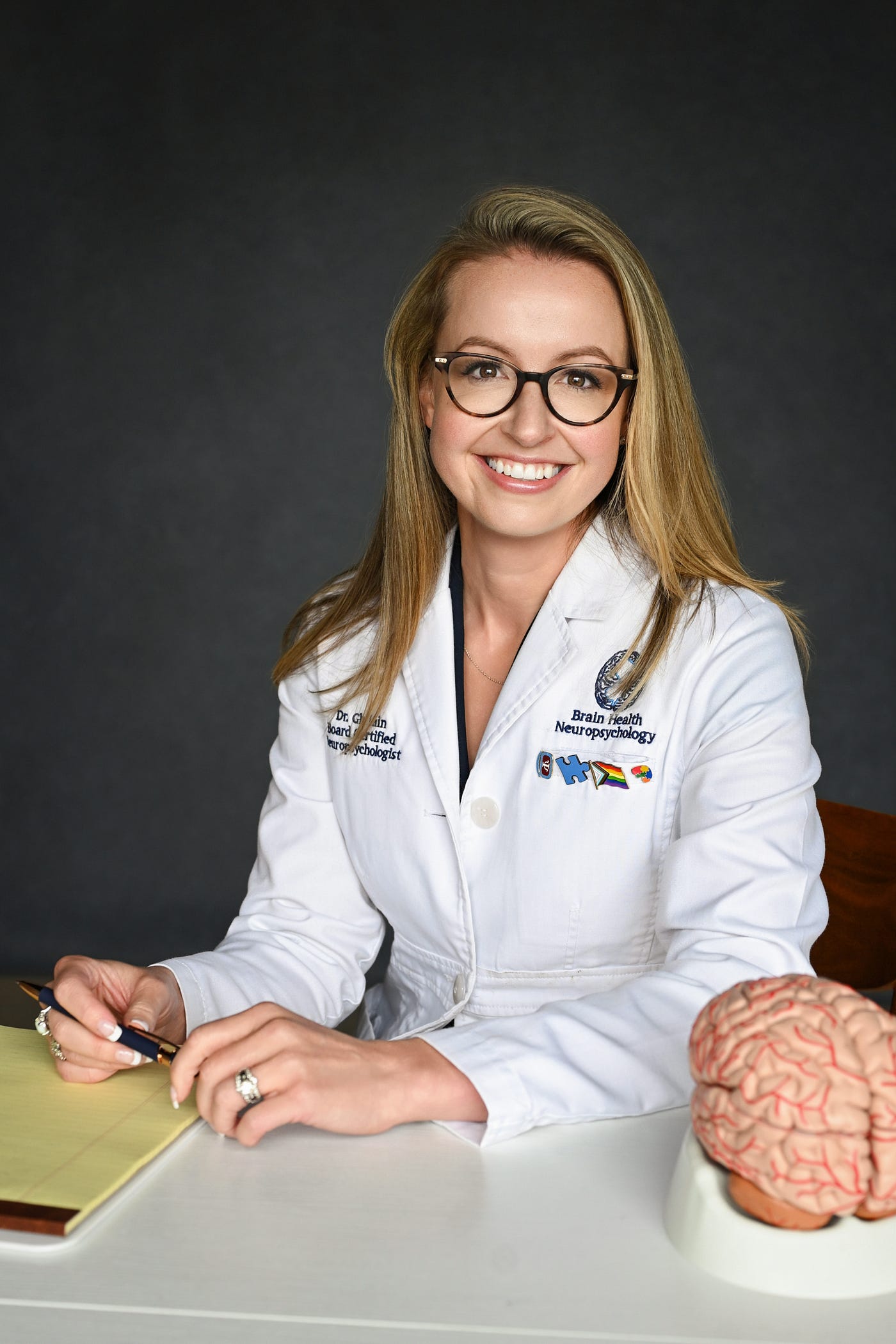
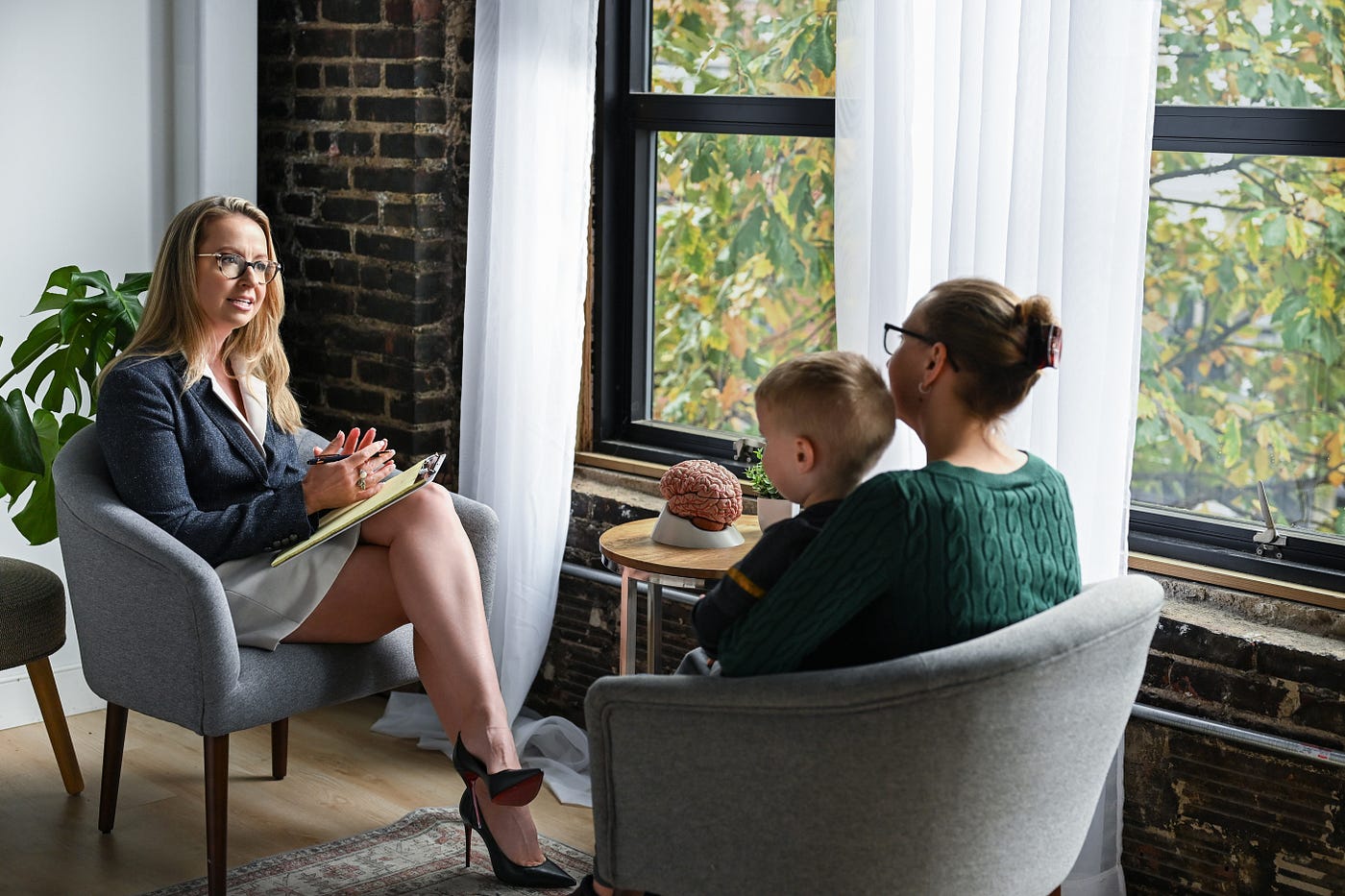
Christine S. Ghilain, Ph.D., ABPP-CN, is a double board-certified neuropsychologist who provides families with clear answers and a practical plan. From ADHD and autism to learning differences and dementia, she makes the diagnosis and explains what is behind a person’s struggles. She believes a diagnosis is a lens, not a label, and gives families, schools, and providers a shared language and practical tools to help the person thrive at every age and stage. After earning her master’s and doctoral degrees in clinical psychology at the University of Miami, Christine completed advanced training on her internship in lifespan neuropsychology at Emory University School of Medicine and Children’s Healthcare of Atlanta, followed by a two-year neuropsychology fellowship. She went on to develop a pediatric neuropsychology service line for an 11-hospital system in the Atlanta suburbs before launching Brain Health Neuropsychology in 2021. Today, she is one of only six professionals in New Jersey to hold dual board certification in Clinical Neuropsychology and Pediatric Neuropsychology from the American Board of Professional Psychology (ABPP).
Thank you so much for joining us in this interview series! Before we start, our readers would love to “get to know you” a bit better. Can you tell us a bit about your childhood backstory?
I grew up in Randolph, New Jersey, and in a lot of ways, I grew up in my mom’s special education classroom. She taught for over 30 years, and whenever I had a day off from school, that’s where I wanted to be. Her students, many of whom had neurodevelopmental or multiple disabilities, experienced the world differently, and I found that inspiring. The more time I spent there, the more certain I became that I’d be a teacher myself.
Music was another constant in my childhood. I was one of 12 students selected for the Governor’s School of Performing Arts in high school, and I later toured internationally with a singing group in college. I’m classically trained, though these days my performances are mostly in the shower.
Shadowing a developmental pediatrician in college added psychology to my path, but teaching was still the plan until my practicum in a classroom. I watched kids struggle in front of me without clear diagnoses or plans to help them, and I was limited in what I could do. That experience is what sent me to graduate school, so I could help those kids and their families get clear answers and identify the support that would help them in school, at home, and in their communities. Now I’ve come full circle, back in Randolph and raising my own daughter in the community that raised me.
Is there a particular book, podcast, or film that made a significant impact on you? Can you share a story or explain why it resonated with you so much?
Two come to mind, one for me as a neuropsychologist and one for me as a CEO.
The first is the film Inside Out. I was in graduate school when it came out, just beginning my formal training in neuropsychology, and I thought it was brilliant. The way it showed memories as glowing orbs, carried through the mind via tracks and stored in long-term memory, made something complicated easy to picture. It also showed why every emotion matters in shaping a person’s experience, including the harder ones. I’ve referenced it with patients and families in my practice many times.
The second is the book The Diary of a CEO: The 33 Laws of Business and Life by Steven Bartlett. I’ve read it several times, and I still go back to my notes on it. Graduate school trained me to be a clinician, but it never taught me how to run a business. When I launched my practice in the middle of COVID, I was working through a lot of uncertainty and learning many things the hard way. To this day, I come back to that book because it speaks to the part of me that was born to be an entrepreneur.
Let’s now talk about lifestyle habits that support cognitive well-being. Are there specific foods or diets that have been scientifically shown to enhance cognitive functions?
The strongest evidence points to overall eating patterns, not to any single ‘brain food.’ Diets rich in vegetables, leafy greens, berries, nuts, fish, olive oil, and whole grains, such as the Mediterranean and MIND diets, have been linked to slower cognitive decline in large observational studies. The picture from randomized trials is more mixed, and I think that’s important to highlight. Cognition is shaped by many things at once, and diet is one meaningful piece, not a guarantee.
What’s good for the heart tends to be good for the brain, because steady blood flow, healthy blood pressure, and stable blood sugar all support how the brain works. I encourage people to work with registered dietitians who can support consistent, sustainable patterns people can actually keep up with, not to seek out superfoods or supplements promising a quick boost. It is all about gradual lifestyle changes that support overall health and well-being.
What are your thoughts on the importance of movement and exercise in the context of cognitive decline? How do different forms of exercise, such as aerobic vs. strength training, influence cognitive well-being?
Movement is a big part of my own life. I ran half marathons in graduate school, got certified as a group fitness instructor during my internship year, and still find myself popping into the front row of class today. So I’m a little biased, but the research is encouraging.
Large observational studies link physical activity with a lower risk of cognitive decline. The evidence suggests that both aerobic exercise and strength training can support thinking as we age, so I tell people the best exercise is the one you’ll actually keep doing. That said, a mix of cardio and strength, plus balance and flexibility work, covers a lot of ground.
I also like the group format. In the largest lifestyle trial to date, a structured program with more support and accountability did better than a self-guided one, and I see that in the classes I take and classes I’ve taught. Showing up with other people makes it easier to stay consistent, and social connection is another thing linked to brain health. And as with anything, it’s worth checking with your doctor before starting a new routine.
Can mindfulness practices or meditation offer measurable benefits to cognitive health?
I’m a believer in mindfulness, with some caveats. I completed an 8-week Mindfulness-Based Stress Reduction (MBSR) training while I was on fellowship and later presented a seminar on MBSR through a neuropsychological lens, so I’ve looked at it as both a practitioner and a scientist.
Yes, there are measurable benefits, but they’re modest, and I always come back to the whole person. Reviews of randomized trials show small improvements in thinking skills, most consistently in executive function and working memory. Imaging studies suggest changes in regions involved in attention, emotion regulation, and memory, but that research is still early and varied, so there is a lot we are still learning.
One of the clearest benefits is how mindfulness helps people manage stress, which affects thinking. Chronic stress, poor sleep, and anxiety all get in the way of attention and memory, so reducing stress can help the brain work better. As with exercise, the best practice is the one you’ll actually keep doing, and it works best alongside, not instead of, good medical care and a holistic plan for health, such as sleep, exercise, and nutrition.
How does the quality and quantity of sleep correlate with cognitive performance and long-term brain health?
Sleep is one of the most important and most underrated things we can do for the brain. Quantity and quality both matter. In the short term, poor sleep makes it harder to pay attention, remember things, regulate emotions, and think flexibly, and many people notice that they aren’t as sharp after even a couple of bad nights of rest. That’s one reason sleep problems can look like attention or memory problems.
Over the long term, the picture is more nuanced. Research links poor or disrupted sleep with faster cognitive decline and with the build-up of proteins associated with Alzheimer’s disease. It’s still being worked out whether poor sleep contributes to decline, is an early sign of it, or both, and that may depend on life stage. One idea is that deep sleep supports the brain’s clearance of waste products, but there is still some debate about how this works in humans.
What I tell people is to treat sleep as an integral part of brain health, not a luxury: a consistent schedule, a wind-down routine, and attention to the quality of sleep, not just the number of hours. If you snore heavily, stop breathing at night, or struggle with insomnia, it’s worth talking to your doctor, because those are most often treatable and they affect thinking. Sleep matters for kids and teens too, since the brain is still developing.
How do social connections and interpersonal relationships influence our cognitive well-being?
Social connection is one of the most underrated parts of brain health. We’re wired for it, and conversation is a mini workout for the brain: you keep track of what was said, hold your own thought while you wait, shift perspective, and manage your emotions in real time.
Large studies link loneliness, the feeling of being disconnected, with a higher risk of cognitive decline and dementia, even after accounting for depression and other factors. It’s an association, not proof of cause, and it may reflect early changes, but the quality of the interaction matters as much as the quantity. It’s about active engagement and feeling understood, not just being physically around people.
A screen isn’t a substitute for interaction. What we learn face to face, the back-and-forth, the waiting your turn, the reading of a room or subtle body language cues, is very different from what happens through a screen or a headset. We saw this after COVID, too: many adults found returning to in-person socializing felt awkward. Instead of working through the discomfort, some people pulled away and leaned into the comfort of home. Video calls can help bridge distance, especially for people with limited mobility, but they work best as a supplement.
The good news is that connection can be rebuilt. Start small and consistent: a walk with a friend, a class on a hobby or area of interest, or a standing coffee date. It gets easier with practice, just like getting back on a bike.
What role do lifelong learning and continuous mental stimulation play in maintaining optimal cognitive health?
Lifelong learning is one of the best-supported ways to build what we call cognitive reserve: the brain’s ability to handle age-related changes before they show up in daily life. People who stay intellectually engaged across their lives (e.g., reading, learning a language, playing chess, visiting museums, or doing mentally complex work) tend to have a lower risk of cognitive decline and dementia. That’s an association, not proof of cause, but it shows up consistently, and it isn’t too late to start. It helps to find activities you genuinely care about and will stick with.
The other keys are variation, challenge, and novelty. Learning something new takes effort, and repeating what’s already easy doesn’t give you the same ‘bang for your buck.’ I’d explore a new hobby or take a language class before I’d do the same crossword every day.
I’m cautious about commercial ‘brain games.’ The research is more mixed than the marketing suggests. If you enjoy them, by all means keep going, but take any claims with a grain of salt. I’d put real-world learning first, alongside movement, sleep, and social connection, and treat any single program as one piece of a bigger plan.
Here is the central question of our discussion. What are your five favorite lifestyle habits that proactively support cognitive well-being? Please share a story or an example for each, if you can.
If I had to pick five, they’d be the habits we’ve talked about, because they work best together.
1. Move your body regularly. Movement has been a constant for me, from running half marathons in graduate school to getting certified as a group fitness instructor during my internship. The research is encouraging for both cardio and strength, and the best routine is the one you’ll keep. Exercise quite literally starts my day on the right foot, and I can feel the effects on my mood, focus, and productivity.
2. Protect your sleep. Sleep is where the brain does a lot of its maintenance, and it affects attention, memory, and mood. Sleep is non-negotiable for me, and my toddler is the only one allowed to mess with that schedule.
3. Stay connected to people. Some of my favorite moments are dinners with my high school friends or casual neighborhood get-togethers. Family gatherings and chats on walks with friends are simply good for the soul. Conversation keeps the brain working, and connection keeps life meaningful.
4. Seek opportunities to learn something new. I learned to replace a sconce in a Home Depot DIY class, and I sang through high school and college. Neither was about brain health, but both resulted in new skills, new learning, and even great friendships.
5. Eat in a way you can sustain. I focus on overall patterns, not one-off superfood fads: plenty of vegetables, berries, nuts, fish, olive oil, and whole grains, which is the pattern linked to slower cognitive decline in large observational studies. What’s good for the heart tends to be good for the brain, and the best plan is one you can keep up. My husband and I occasionally get to cook together, which adds connection to the mix.
Are there any proven techniques or habits that can help protect against age-related cognitive decline?
The first step is knowing what’s normal. Walking into a room and forgetting why you’re there happens to everyone. Knowing what’s typical eases worry and helps catch real problems early. It’s worth a conversation with your doctor when changes get in the way of daily life, such as getting lost in familiar places, repeating the same questions, or struggling with tasks that used to be routine, especially if people close to you notice it too.
I’d be careful with the word ‘proven.’ No single habit guarantees protection. The strongest evidence is for looking after the health of the whole body. A major international commission has identified 14 modifiable risk factors, including hearing loss, high blood pressure, high cholesterol, diabetes, physical inactivity, smoking, heavy drinking, depression, social isolation, vision loss, and head injury. Addressing them may delay or prevent a large share of dementia cases.
So the practical steps are less glamorous than a miracle habit: get your blood pressure, cholesterol, hearing, and vision checked and treated, eat well, stay active, stay connected, keep learning, protect your sleep, and protect your head (e.g., wear a helmet!). Structured programs that combine several of these habits have shown cognitive benefits in older adults, which is why I think of them as a package and not a menu. Speaking with your own doctor is a great way to tailor these habits to support your overall health.
In your professional or personal experience, what can be done to delay cognitive decline if the genetic predisposition is there?
I hear this fear all the time: ‘Will this happen to me if it’s happening to my parent?’ It’s especially common among women in their 40s, who are often raising young children, caring for aging parents, and going through perimenopause all at once. First, a family history raises risk, but it isn’t destiny. Most people who develop Alzheimer’s disease don’t have a family history, and many people with a family history never develop it.
What can be done? The research is encouraging but not simple. Some studies find that a healthy lifestyle is linked to lower dementia risk even among people at higher genetic risk, though not every study agrees. One idea is that people with higher genetic risk may benefit from health-promoting behaviors earlier, which is a good reason to begin in your 40s or earlier, not after symptoms appear. I’m careful not to promise anyone a guarantee, but the lifestyle factors that support the brain also support the heart and overall health, so in my mind there’s little downside.
That means focusing on the habits we’ve talked about: look after blood pressure, cholesterol, hearing, and vision, stay active, eat well, protect your sleep, stay connected, and keep learning. If you’re caring for a parent, caring for yourself belongs on that list too.
I’d also say that routine genetic testing isn’t recommended for people without symptoms, because the results can’t tell you what will happen. If several relatives developed dementia young, a doctor or genetic counselor is the right person to talk to. And if you’re worried about your own memory, a conversation with your doctor, or an evaluation, can replace worry with concrete information and actionable next steps.
Is there a person in the world whom you would love to have lunch with, and why? Maybe we can tag them and see what happens!
Emily Oster. I admire how she goes to the research, reviews it, and distills it into information someone can actually use in their own situation. She’s direct without being an alarmist, she can point to the data behind her conclusions, and she’s personable and relatable, so people feel empowered, not talked down to. I aspire to do the same in my practice and in the broader field of neuropsychology: explain what we know about the brain, be honest about what we don’t, and give families something practical to do with it.
Emily is a runner, and I ran half marathons in graduate school, so I’d love to chat on a run. I’d want to ask how she decides what to trust when the evidence is messy, how she shares uncertainty without losing people’s trust, and how she navigates challenging topics without scaring her followers. I often face difficult or uncertain questions when parents ask me about screens, ADHD, or memory-boosting techniques. I’d also want to nerd out on her best ideas for explaining the numbers in plain language.
So, Emily, lace up your sneakers and join me for a run. I’ll try to keep up, and I’ll bring the post-run protein shakes.
How can our readers follow you online?
You can learn more about my practice, Brain Health Neuropsychology, and book a consultation call at brainhealthneuro.com. I share brain health education as Learn About the Brain on Instagram, Facebook, YouTube, and TikTok at @learnaboutthebrain. For neuropsychologists, my consulting and board certification prep programs through Brain Health Consulting are at thebrainhealthconsultant.com and neuropsychboardprep.com.
Thank you so much for sharing these important insights. We wish you continued success and good health!