I’ve always seen entrepreneurship like running a marathon. There are moments where everything aches, where you want to stop, where you question why you even started, but the pain is temporary. You just have to keep running.
Business
Brooke Triplett on Remote Sales, Integrity, and Building Momentum Without a Safety Net
The founder and sales expert shares how she transitioned from teaching to building a multi-million-dollar recruitment and education company through radical honesty and grit.

Taking the risk to start a company is a feat few are fully equipped for. Any business owner knows that the first few years in business are anything but glamorous. Building a successful business takes time, lessons learned, and most importantly, enormous growth as a business owner. What works and what doesn’t when one starts a new business? What are the valuable lessons learned from the “University of Adversity”? As part of this interview series, I had the pleasure of interviewing Brooke Triplett.
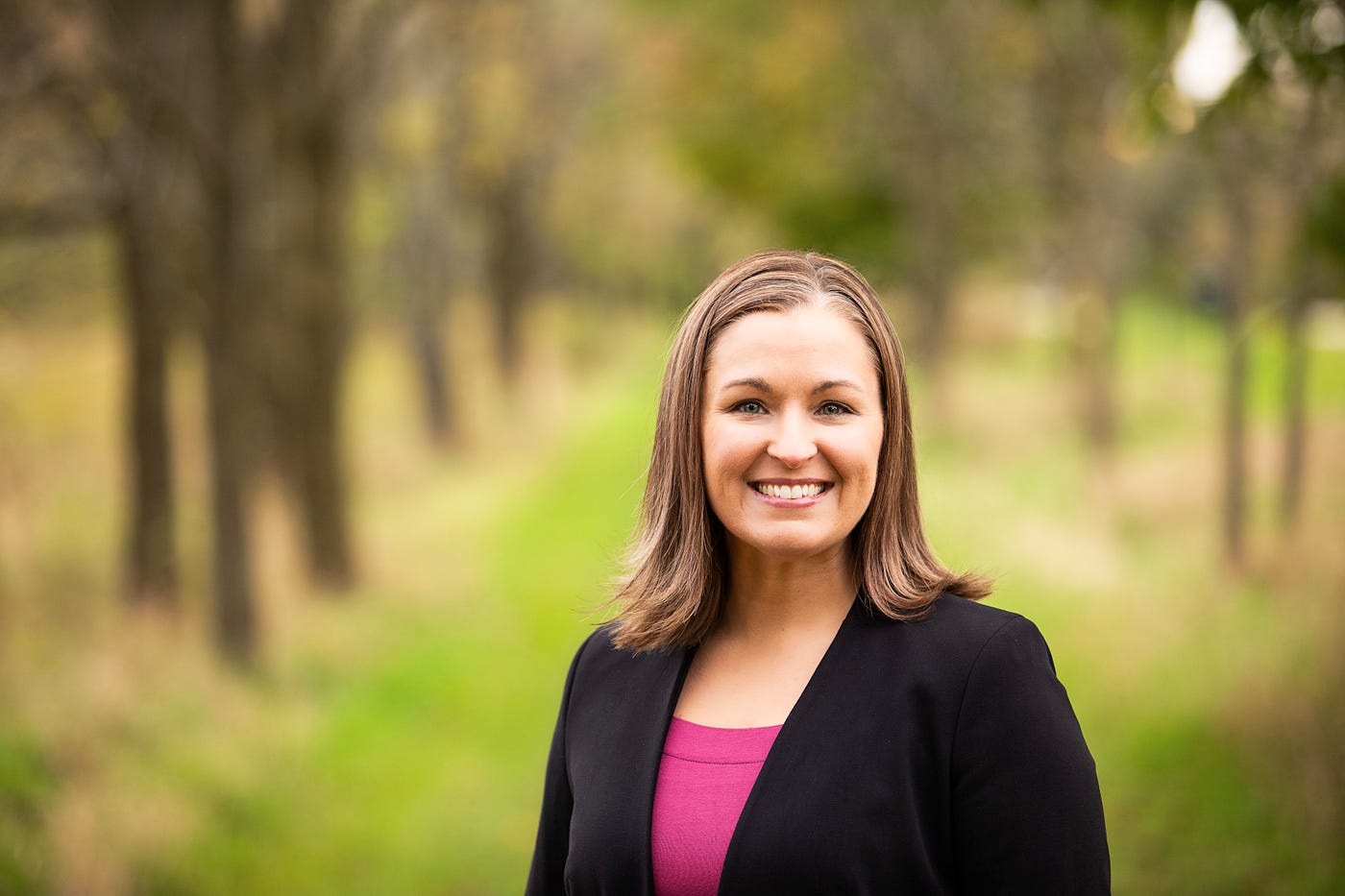
Brooke Triplett is an entrepreneur, speaker, and sales expert. She is the founder of She Sells With Brooke, a recruitment and education company that trains women to launch careers in sales and guarantees their job placement with top coaching and professional services companies.
Her clients also receive ongoing training in mindset, team culture, and results-driven practices while maintaining an aligned, confident, feminine, and empathy-based approach.
This blend of hands-on sales training and personal development allowed Brooke to grow her company from a bootstrapped startup to $10 million in annual revenue in just two years, serving both professionals and corporate partners.
With 33,000+ social media followers and over 6,000 graduates of her 5 Day Freedom Sprint, Brooke is a sought-after speaker and she’s regularly featured in the media.
Thank you so much for joining us in this interview series! Can you tell us a story about what brought you to this specific career path?
I definitely didn’t start out planning to build a global sales company, I started in MLM, selling shakes to anyone who would listen to me. Then I began selling fitness programs from my garage.
In my first month, I made $440, and I’ll never forget that number because it was the universe testing me. It was like it was saying, “Are you going to give up because it’s hard, or are you going to get better?”
I knew $440 wasn’t enough to survive, but instead of walking away, I decided to master the thing that would give me freedom forever, sales. I studied everything I could, watched the people making $20K/month, and thought, I don’t need to hold the fish to know it exists… I just need to learn how to catch it.
That one decision changed my entire trajectory. I climbed to the top of the leaderboard, became obsessed with teaching others how to sell with integrity and certainty, and eventually built She Sells with Brooke, a movement that helps women create financial, time, and location freedom through remote sales.
Can you tell us a story about the hard times that you faced when you first started your journey?
One of the hardest parts when I first started wasn’t money or strategy, it was being seen.
I was terrified of being judged by people I went to high school with… people I didn’t even keep in touch with, people whose opinions didn’t matter to me in any other part of my life. But when it came to putting myself out there online, their imaginary criticism felt huge.
I’d second-guess every post, every video, every offer because I kept picturing them rolling their eyes or gossiping about me. It sounds silly now, but at the time it was paralysing.
The turning point was realising I was letting the opinions of people who weren’t even playing the game stop me from building the life I wanted. Once I understood that, I decided to show up anyway, messy, imperfect, and visible. That’s when my business started to grow, because confidence isn’t built in private, it’s built in action.
Where did you get the drive to continue even though things were so hard?
When things got hard, and they did, often, I’d ask myself one question: “Is the finish line worth the pain?”
And every single time, the answer was yes. I’ve always seen entrepreneurship like running a marathon. There are moments where everything aches, where you want to stop, where you question why you even started, but the pain is temporary. You just have to keep running.
Because once you cross that finish line, the freedom, the pride, the proof that you did it, it’s worth every step, every setback, every struggle.
I’d rather feel the burn of growth than the numbness of staying where I was.
So, how are things going today? How did grit and resilience lead to your eventual success?
Things today are incredible, not perfect, but aligned.
She Sells has grown into a multi-million-dollar company, a global community of women learning remote sales and changing their lives in real time. Though, what most people don’t see is that this didn’t happen because I always had confidence, it happened because I refused to quit when it was hard.
Grit and resilience were my edge. In the early days, I wasn’t the most skilled, but I was the one who kept showing up. I treated every “no” as feedback, every setback as training. When launches flopped or people left the team, I let myself feel it then I got back up.
There’s a moment every founder faces where you either collapse or commit. For me, I chose to commit. I stopped waiting for things to get easier and built the capacity to handle more. That’s what grit really is, staying in the race long enough to collect the rewards.
Today, I lead differently. I’ve learned that resilience isn’t about being unbreakable, it’s about being bendable. You learn, you adapt, you expand. And that’s exactly what’s allowed She Sells to become what it is now.
Can you share a story about the funniest mistake you made when you were first starting? Can you tell us what lesson you learned from that?
When I first started, I was so focused on selling the dream that I completely forgot to talk about the turbulence. I thought the only way people would buy was if I made the program cheap and painted it like an instant success story.
One day, I ended up in a full-blown yelling match with an early client who called me out and said, “You need to be more transparent about the journey.” And honestly she was right. That moment humbled me and it grew me up fast.
It taught me that leadership isn’t about painting a perfect picture, it’s about telling the truth. The real transformation doesn’t happen in the highlight reel, it happens in the messy middle.
The moment I started being radically honest about the work, the doubt, and the growth, that’s when my business exploded. People don’t want perfection. They want real.
What do you think makes your company stand out? Can you share a story?
What makes She Sells stand out is our authenticity and energy.
I’m not selling an out-of-touch lifestyle. I’m not standing on a yacht preaching about freedom while pretending everything’s easy. I’m in the trenches with my community, teaching, leading, and building right alongside them.
The women who come into She Sells can feel that. They see that I’ve lived every part of what I teach from being a broke teacher in a tiny town to building a multi-million-dollar company from my laptop in Bali. Nothing about it was handed to me, and that’s exactly why it’s relatable.During one of our live calls, a student said, “Brooke, the reason I chose to work with you is because you show the raw messy side of freedom and for the first time I believe if you can do it so can I .” That meant everything to me. She didn’t join because I promised luxury; she joined because I showed her leadership, real, raw, imperfect leadership.
That’s what makes us different. She Sells isn’t just a sales program, it’s a movement of women rewriting what success looks like. It’s not about fake flexes; it’s about freedom, skill, and self-belief.
Which tips would you recommend to your colleagues in your industry to help them to thrive and not “burn out”?
Build capacity, not balance. Balance is a myth in business. You’ll have intense seasons, launches, hiring, scaling and quiet seasons. The goal isn’t to keep everything perfectly still; it’s to build the capacity to hold more without crumbling.
Treat leadership like a team sport.I have people I can call, mentors, peers, and friends who remind me who I am when I forget. Entrepreneurship gets heavy when you try to carry it alone. Build your bench early.
Get ruthless with your boundaries.Burnout doesn’t come from working hard, it comes from working on the wrong things. Protect your energy like an asset. Say no faster. Quit things that are not serving you faster.
Find safety in your nervous system, not your calendar. No amount of scheduling fixes an unregulated nervous system. Breathwork, walks, and time away from Slack have saved me more than any productivity hack ever has.
Detach from the highs as much as the lows. When things go well, stay grounded. When things fall apart, stay anchored. Don’t let your self-worth swing with your sales chart.
Remember, it’s not meant to be easy.The universe will test how badly you want it. When it does, breathe, zoom out, and remind yourself: you signed up for this.
None of us are able to achieve success without some help along the way. Is there a particular person who you are grateful towards who helped get you to where you are? Can you share a story?
Absolutely, I’m incredibly grateful for my two business partners, both named Andrew (yes, that gets confusing sometimes).
When we started working together, they had already seen the inside of a multi-million-dollar business. They were operating at a level I hadn’t yet experienced and that meant everything rose to that standard, including me.
Their perspective completely shifted how I thought about business. I’d been running on intuition and grit, but they brought structure, systems, and a higher level of decision-making. It’s the reason we were able to scale so quickly, I wasn’t learning from theory, I was surrounded by people already playing the game at the level I wanted to reach.
That experience taught me something huge: proximity is power. You rise to the level of the room you’re in.
How have you used your success to bring goodness to the world?
I’ve always believed that success doesn’t mean much unless you use it to lift others.
For me, that looks like constantly paying it forward, whether it’s sharing business advice, connecting people with opportunities, or helping other women see what’s possible for them. I’ll always put my hand out to help, because I remember what it felt like to be the woman at the starting line, trying to figure it all out alone.
Inside She Sells, that same philosophy runs deep. We’ve built a culture where women don’t gatekeep knowledge, we share it. We celebrate each other’s wins, we collaborate, and we rise together.
The ripple effect of that has been incredible. I’ve watched women go from earning nothing to replacing their corporate incomes, moving overseas, and creating the kind of freedom they never thought was possible. That’s what “goodness” looks like to me, not just charity, but change.

What are your “5 things I wish someone told me when I first launched my business,” and why? Please share a story or example for each.
1. You don’t need to have it all figured out, you just need to start.
When I left teaching, I didn’t have a business plan or an investor. I had a laptop, a vision, and a “what if this actually works?” attitude. For months, I kept convincing myself I needed to be more prepared, a better logo, a clearer offer, the perfect words. Truthfully, I was just scared. I’ll never forget the day my business partner looked at me and said, “Brooke, there is no business until you post.” That sentence hit me like a truck. I’d been hiding behind planning, waiting for confidence to arrive, when confidence only comes after action. So I posted. It was messy, uncomfortable, and awkward… but it was the start of everything.
That moment taught me that clarity doesn’t come from thinking, it comes from doing. Momentum is built, not found.
2. The people you start with won’t always be the ones who grow with you.
This one hurt the most. You assume everyone will cheer when you start doing well, but sometimes success highlights who’s meant to stay and who was only meant to walk part of the way with you.
There came a point in my business where we had to let go of people who had become friends. And that was hard. I kept telling myself they were loyal, but what I didn’t realise was that loyalty without alignment will hold you back. I held on longer than I should have, out of guilt and attachment, until I realised something, loyalty isn’t proven by how long someone’s been around; it’s proven by whether they still move with you in the direction you’re going.
Letting go made space for the right people to step in, the ones who matched the mission, not just the memory.
3. Stop playing not to lose, start playing to win.
In the early days, we didn’t even realise we were speaking the language of survival. Every meeting sounded like, “Congrats everyone, you’re getting paid this month!” or “We just need five more sales to hit our cash goal this week.” It was all about scraping through, staying safe, and making sure we didn’t lose.
One day, it hit me, we were celebrating avoiding failure, not creating success. Our language was small because our mindset was small. So we made a decision to stop operating from fear and start operating from vision. Instead of asking, “How do we not fall behind?” we started asking, “What would it look like if we actually dominated?”
That shift changed everything, our results, our energy, our leadership. Playing to win isn’t about taking reckless risks; it’s about refusing to let fear be the one making your business decisions.
4. Your business will only grow as fast as you do.
Every new level requires a new identity. Skill alone doesn’t scale you, your belief system does.
When She Sells started taking off, I realised I couldn’t keep showing up as “party girl Brooke.” The one who loved chaos, last-minute plans, and flying by the seat of her pants. That version of me was fun but she wasn’t built to lead a multi-million-dollar company.
I had to redefine what power looked like. It wasn’t about being the loudest in the room anymore, it was about being anchored. I learned that leadership isn’t built in Bali beach clubs or impulsive moments of motivation; it’s built in discipline, consistency, and the quiet decisions no one sees.
Letting go of the old version of me was confronting, but necessary. The business was ready for more long before I was. The moment I embodied the woman who could hold it all, the team, the vision, the scale, everything started to compound.
5. Boundaries make you money.
When you’re new, you’ll say yes to everything, every opportunity, every collaboration, every “quick favour.” You tell yourself it’s being open-minded, but what it really is… is people-pleasing.
I used to say yes to everything. Even when it didn’t align with where the business was heading. I’d justify it by saying, “It’s a good connection,” or “Maybe it’ll lead to something later.” But deep down, I knew I was scared to disappoint people. I was operating from pleaser energy, not CEO energy.
Then I hit a point where I was exhausted, overcommitted, and frustrated that my results didn’t match my effort. That’s when I learned one of the hardest lessons in leadership: saying no is a growth strategy. The moment I stopped saying yes to misaligned opportunities, the right ones finally had room to land.
Boundaries aren’t walls, they’re filters. And when you hold them firmly, you stop attracting chaos and start attracting clients, partners, and opportunities that match your vision.
Can you share a few ideas or stories from your experience about how to successfully ride the emotional highs & lows of being a founder”?
- I cut the ropes.
My favourite scene from The Dark Knight Rises is when Batman climbs out of the pit but only makes it when he cuts the rope. That moment hit me hard. I realised I had to do the same: cut the ropes to the matrix, to the backup plan, to ever returning to a 9–5. Because as long as there was a rope, my brain would look for safety instead of solutions. - I commit to the whole ride.
You can’t half-choose entrepreneurship. When you commit, you commit to the entire journey, the euphoria, the doubt, the breakthroughs, the breakdowns. I don’t fight the lows anymore. I let them refine me. - I treat leadership like a team sport.
When the emotional rollercoaster hits, I don’t isolate, I call in my team. I’ve built a circle of people I can talk to honestly: peers, mentors, and friends who remind me who I am when I forget. Leadership doesn’t mean doing it alone; it means building a team strong enough to hold each other through the ebbs and flows. Highs and lows. - I expect the tests.
Every time I’m on the verge of something big, the universe tests me. It asks, “Are you sure you want this?” I used to see that as resistance. Now I see it as initiation. The test isn’t there to break you, it’s there to build your capacity to hold what’s next. - I anchor myself in faith, not feelings.
The evidence doesn’t always show up first. So when things get heavy, I remind myself: I’ve cut the ropes. There’s no going back, only through. That conviction keeps me grounded when everything else feels uncertain.
You are a person of great influence. If you could start a movement that would bring the most amount of good to the most amount of people, what would that be? You never know what your idea can trigger. :-)
It would definitely be about teaching people how to sell themselves on their own potential. Because the moment you’re sold on you, everything else becomes possible.
Most people are not living small because they lack opportunity; they’re living small because they’ve been conditioned to doubt themselves. They stay in jobs, relationships, or mindsets that don’t fit because the “matrix” tells them safety > freedom. But safety is an illusion. I’d create a global initiative that teaches high-level communication and self-leadership skills (the same ones I teach inside She Sells) to anyone who wants to break free, from teenagers in school to women in corporate jobs to entrepreneurs who feel stuck. Not just “sales” as a career skill, but sales as a life skill: persuasion, emotional intelligence, vision building, self-certainty.
The Goal: To make self-belief and financial freedom normal. To show that you can design your life, work from anywhere, and still lead with integrity and impact. When people stop waiting for permission and start betting on themselves, families change. Communities change. Economies change. This is about opening doors.
How can our readers further follow your work online?
If you want to keep following my work and this movement, you can find me here:
- Speak to a coach: http://shesells.online
- Website: www.brooketriplett.com
- Podcast: She’s Not Selling, raw, unfiltered conversations about sales, self-belief, and freedom
- Instagram: @shesellswithbrooke
- Community: Join the free Freedom Formula Skool group to connect with thousands of women learning remote sales and rewriting their futures
That’s where I share everything, from sales psychology and leadership to the behind-the-scenes highs and lows of building a multi-million-dollar movement from my villa in Bali with my family.
This was very inspiring. Thank you so much for joining us!
AM
Written by
Authority Magazine Editorial Staff
Editorial Desk · Authority MagazineThe Authority Magazine Editorial Desk produces, verifies, and edits long-form primary-source interviews with executives, innovators, clinicians, creators, and social impact leaders across Business, Tech, Pop Culture, Wellness, and Social Impact.

Published inAuthority MagazineTop Lessons, Top Authorities · 42K Followers
Exclusive, curated interviews with the leaders and changemakers shaping tomorrow. Leadership lessons, industry deep dives, and executive profiles.