When we first started taking in food waste a company brought us liquid warm chocolate and when it mixed with the manure it became hard like concrete in the digester.
Business
Brett Reinford of Reinford Farms: Turning Expired Grocery Food and Manure into Renewable Energy Solves Multiple Agricultural Crises at Once
Brett Reinford shares how transitioning from corporate software to his family's Pennsylvania dairy farm led to pioneering innovative anaerobic digestion for large-scale food waste management.
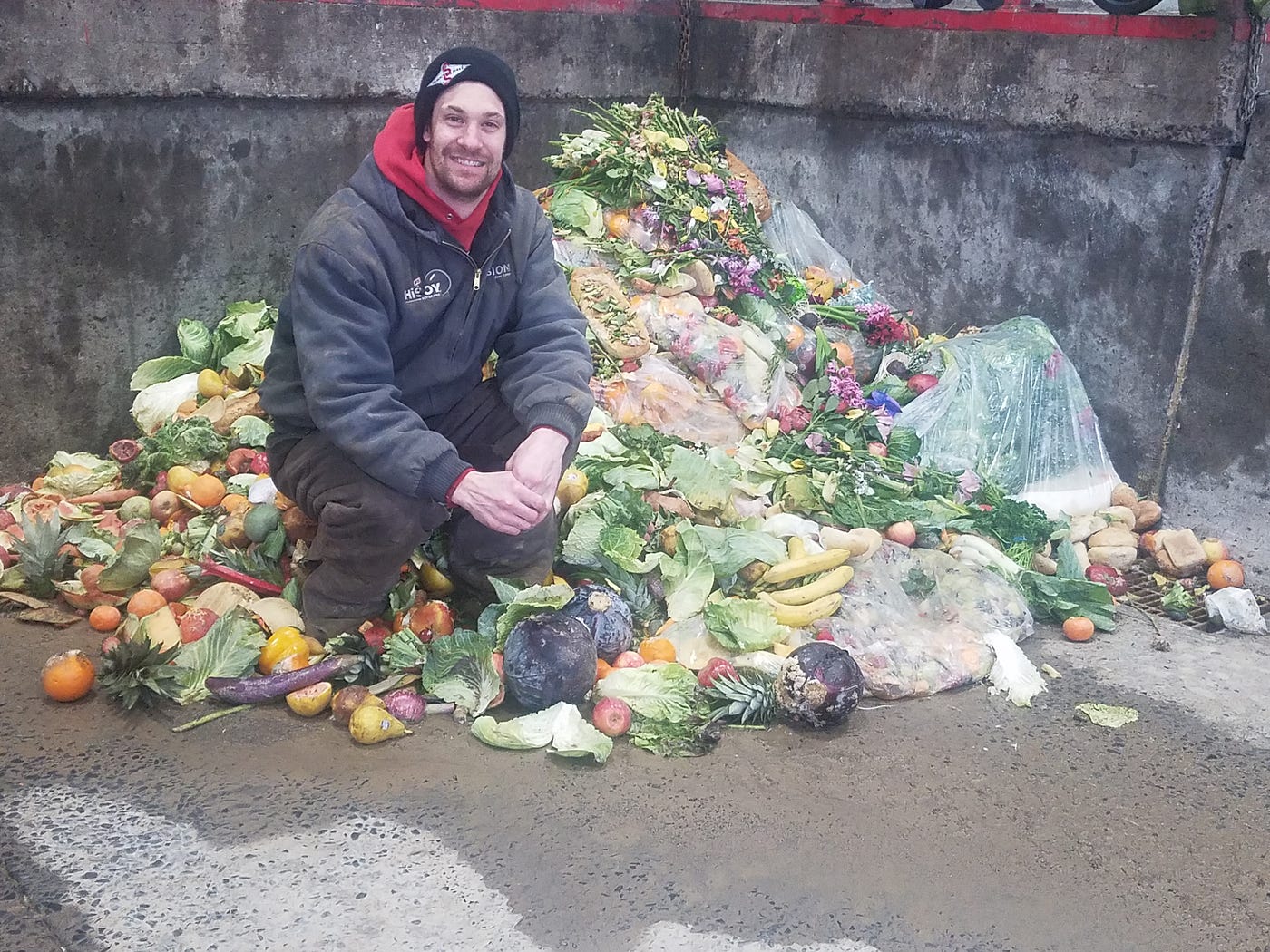
It has been estimated that each year, more than 100 billion pounds of food is wasted in the United States. That equates to more than $160 billion worth of food thrown away each year. At the same time, in many parts of the United States, there is a crisis caused by people having limited access to healthy & affordable food options. The waste of food is not only a waste of money and bad for the environment, but it is also making vulnerable populations even more vulnerable.
Authority Magazine started a new series called “How Restaurants, Grocery Stores, Supermarkets, Hospitality Companies and Food Companies Are Helping To Eliminate Food Waste.” In this interview series, we are talking to leaders and principals of Restaurants, Grocery Stores, Supermarkets, Hospitality Companies, Food Companies, and any business or nonprofit that is helping to eliminate food waste, about the initiatives they are taking to eliminate or reduce food waste.
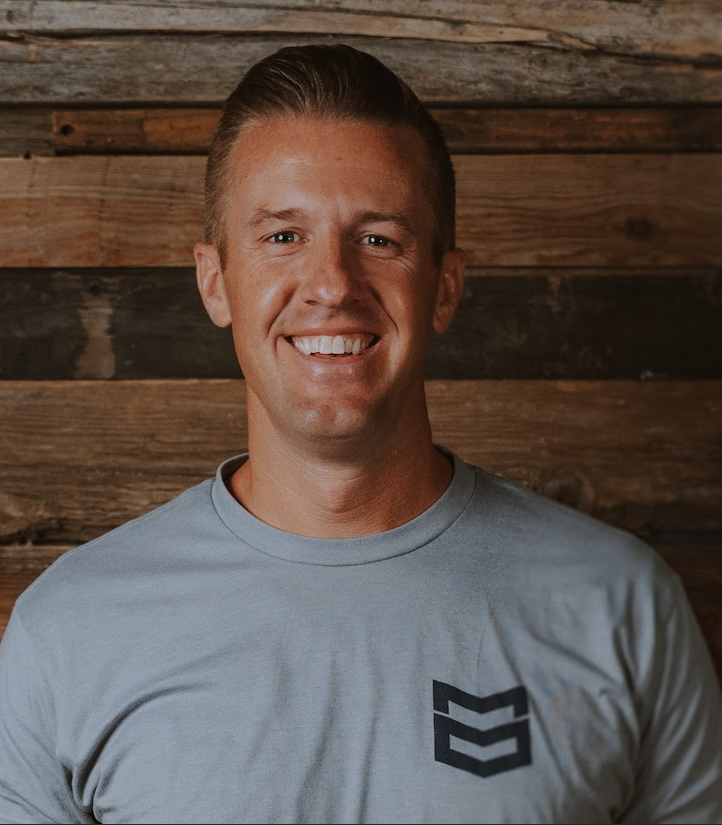
As a part of this series, I had the pleasure of interviewing Brett Reinford.
Brett Reinford left his corporate office job to return home and work on his family dairy farm in Pennsylvania. Brett and his family invested in an anaerobic digester to dispose of food waste and create renewable energy. Reinford Farms was recognized for its environmental achievements with the Innovation Center for U.S. Dairy’s 2018 U.S. Dairy Sustainability Award.
Thank you so much for joining us in this interview series! Before we dive in, our readers would love to “get to know you” a bit better. Can you tell us a story about what brought you to this specific career path?
I’m the second-generation farmer on the land I’m currently farming with my brothers, but in our family we go way back many generations as dairy farmers. Originally, I thought I wanted to try something other than dairy farming so after college I took a software job in Minnesota. I liked it but wasn’t particularly passionate about it so when my dad offered me an office job on the farm, I thought that was a good blend of my non-farming education but on our family farm. Upon returning I re-discovered a love for the farm and I now live across the street from my job. I can’t imagine it any other way and it’s been great for my wife and our family.
Can you share the most interesting story that happened to you since you began at your company or organization?
Many years ago my family had scheduled a vacation and as farmers know, a lot of preparation goes into caring for the animals and the land when we’re away. I was looking forward to the vacation and wanted to help my brother with that “one last thing” before we left for the airport. We were working on the pipes that transport the cow manure away from the barn and a freak accident destroyed my left hand and severely injured other body parts. Instead of enjoying the vacation, I spent seven days in the hospital and many thereafter recuperating. It taught me that things can change in an instant. This incident reminded me that we need to always be flexible and ready to pivot, particularly in agriculture.
Can you share a story about the funniest mistake you made when you were first starting? Can you tell us what lesson you learned from that?
When we first started taking in food waste a company brought us liquid warm chocolate and when it mixed with the manure it became hard like concrete in the digester. The chemistry wasn’t a good fit. Had it been cool it would have been okay but it was liquid cocoa, not like a candy bar. It taught me to really think something through and consider all possible consequences. We now question the chemistry of the food waste we’re taking in. In short, ask more questions for fewer problems.
How do you define “Leadership”? Can you explain what you mean or give an example?
On my farm, leadership is all about being hands on. I show my employees through my actions how I’d like things done, and that I’m in it with them. There isn’t anything I wouldn’t do that I ask them to do. While someone guides the direction, leadership to me is about teamwork.
Can you please give us your favorite “Life Lesson Quote”? Can you share how that was relevant to you in your life?
Treat everyone the way you want to be treated. My dad instilled that in my brothers, my sister and me from an early age, and I think it’s a wise lesson. If you want to be respected, respect others. If you want people to consider your opinion, consider theirs. If you want to be happy, help make others happy.
OK, thank you for all of that. Let’s now shift to the main focus of our interview. Let’s begin with a basic definition of terms so that all of us are on the same page. What exactly are we talking about when we refer to food waste?
The USDA says roughly 40 percent of our food supply is wasted. Farmers work hard every day to feed our communities. We want people to be nourished and to enjoy the foods we create, so this is an issue we care about deeply.
The USDA’s Economic Research Service defines food loss as anything edible that’s available to eat but doesn’t get consumed. It could be from mold, pests or storing it at the wrong temperature. No system is perfect so food can go to waste for any number of reasons. I’d love to see that number fall to zero and for every ounce of milk we produce to provide affordable nutrition to people young and old.
Can you help articulate a few of the main causes of food waste?
There are a lot of reasons why some food doesn’t make it onto someone’s dinner table. Spoilage can happen during transporting or processing. At home, sometimes we don’t use something in the fridge before it goes bad.
Dairy farmers take pride in the nutrition milk and dairy products provide to children and adults, so we never want to hear about any of it going to waste. There are little things we can all do to fight this problem and make sure everyone has what they need to live a happy and healthy life.
What are a few of the obstacles that companies and organizations face when it comes to distributing extra or excess food? What can be done to overcome those barriers?
Most companies want to donate their food for human consumption first. The problem is that there isn’t enough storage and capacity at food banks — it’s a logistics issue. Some of the food like dairy and produce has a shorter shelf life, and sometimes there isn’t the ability to keep these items refrigerated. Work is underway to solve this problem but it’s complicated and takes time.
Can you describe a few of the ways that you or your organization are helping to reduce food waste?
When we realized we could still turn a negative — food waste — into a positive — renewable electricity, we jumped on the opportunity. Our work to reduce food waste came about serendipitously though. We were trying to tackle one problem and realized we could take on several at the same time.
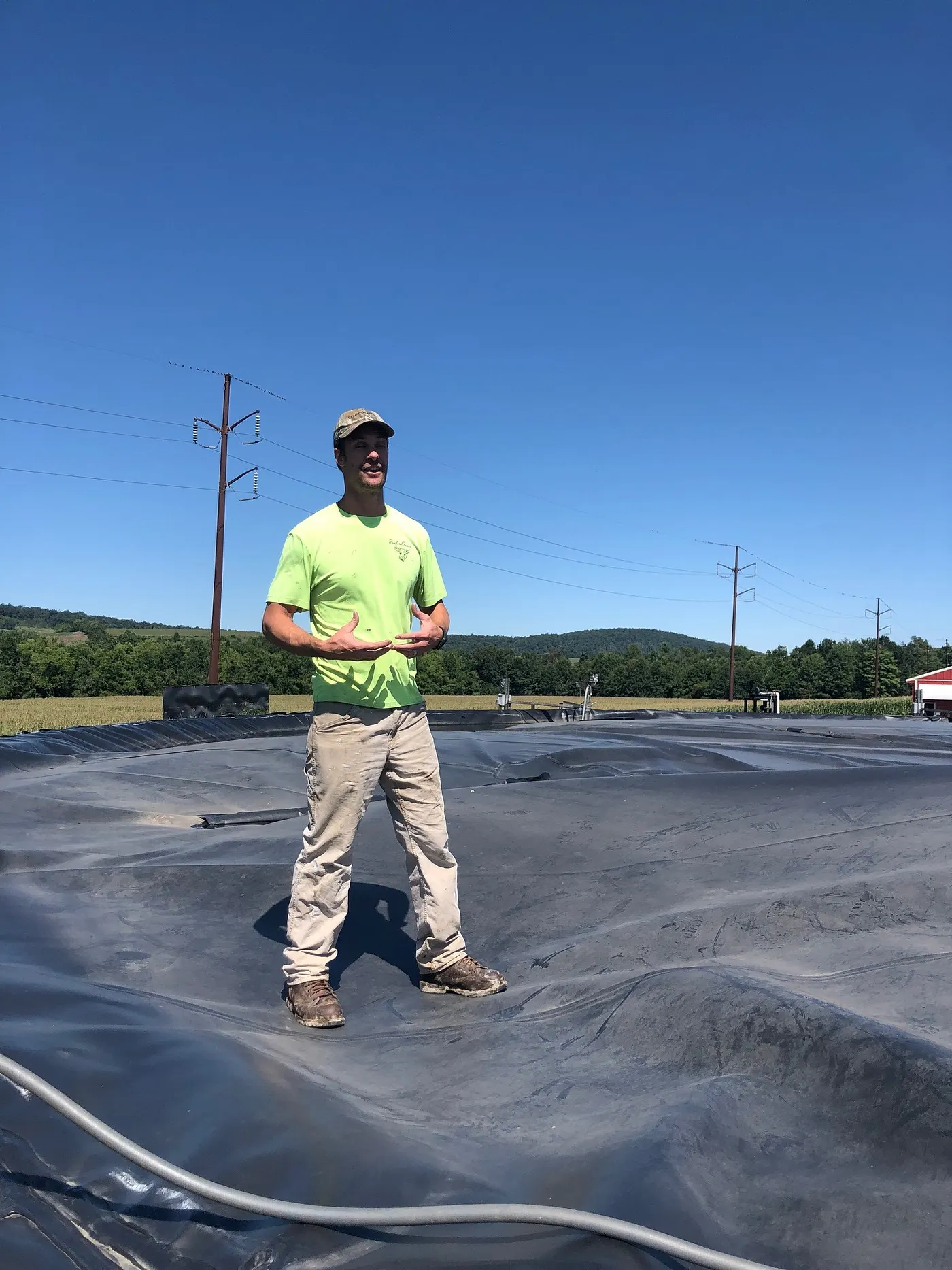
We wanted to be good neighbors and looked for a way to cut down on any unwanted smells from our cows’ manure. We installed an anaerobic digester which would convert the manure into renewable electricity and greatly reduce the manure odor.
The gamechanger for us is when a supermarket broker called asking if they could put expired food from grocery stores into the digester. We didn’t know we could do that, but we realized there was something to this. Suddenly we were getting calls from other potential people looking to do the same.
Eventually we bought a machine to separate the food from its packaging and built a facility on the farm dedicated to food waste management. When we first started a few years ago in 2008 soon after we built our first digester, we were happy to do 1,200 tons of packaged food waste a year. In 2022 we processed 35,000 tons, almost 3,000 tons a month.
Nowadays, we work with 35 different food manufacturing clients like grocery stores and warehouses. We still get most of our food waste from Pennsylvania but can get it from as far away as Maryland and Georgia.
The clean energy we’re producing is enough to power about 600 homes. We’re proud that we’ve found a way to cut down on food waste and turn it into a valuable commodity that helps our community.
Are there three things the community/society/politicians can do to help address the root of this problem?
Ultimately cutting down food waste falls on all of us. On the agriculture side, we can look for ways to improve storage. Retail can improve shipping and better manage in-store supply so less food spoils before it gets put in a grocery bag to take home. And consumers can help by buying just what they need to avoid throwing out the extras. There’s no single solution to fixing this problem but a lot of little actions can add up to a big difference.
What are your “5 things I wish someone told me when I first started” and why.
1 — There was an idea in my mind that there’s more money in the corporate world and more ease of life than the life of a dairy farmer. That simply wasn’t true. I enjoyed my corporate job but wasn’t passionate about it. Do what you’re passionate about.
2 — Don’t be afraid of hard work. Hard and dirty work is not glamorous but can be exceptionally rewarding, especially when you are creating delicious, nutritious food that people love. Knowing people enjoy and can be healthy with dairy products makes the hard work we do not so hard.
3 — Everyone needs to be a team player on the farm.
4 — Look for additional opportunities on the farm and build a business around it. We originally built a digester to reduce odor and appease our neighbors. In the end we learned not to be afraid to innovate and pursue other opportunities on our dairy. In addition to fixing the odor issue our digester creates clean energy and, in taking in food waste, creates even more clean energy and reduces the issue of food waste.
5 — I wish we knew the bulk of food waste is controlled by a select few companies called broker companies. You can’t just call a warehouse and take their waste. We would have saved a lot of time in the beginning had we known that.
Are there other leaders or organizations who have done good work to address food waste? Can you tell us what they have done? What specifically impresses you about their work? Perhaps we can reach out to them to include them in this series.
Most companies are trying hard to waste less. Volumes have dropped and in the realm of food waste, that’s a good thing. People are paying more attention now to what they are wasting and seeking to improve. Start-up companies are helping companies find better homes for their waste. There is a lot of innovation going on in the food waste arena. Start-up companies are trying to address the logistics issues that exist.
You are a person of enormous influence. If you could inspire a movement that would bring the most amount of good to the most amount of people, what would that be? You never know what your idea can trigger. :-)
There is so much information and discussion in society around food waste. Don’t sit on the sidelines and complain about it. I’m a fan of less complaining and more “action with passion.” Get involved. Don’t sit behind their computer and take shots at people or companies. Educate yourselves before having an opinion and have a solutions-oriented mindset.
Is there a person in the world, or in the US with whom you would love to have a private breakfast or lunch, and why? He or she might just see this, especially if we tag them. :-)
The first person that came to my mind is actually deceased — John D. Rockefeller. He was such an impressive businessman. He started from nothing and grew and built his success from the ground up. I’d love to ask what the steps were that got him to those heights and what he learned along the way.
Another two people I’d love to meet — who also are deceased — are Wilbur and Orville Wright. It would be fascinating to learn why they wanted to develop the first motor-operated airplane, and how and why they focused on pilot control mechanisms. I would have a million questions for them.
How can our readers further follow your work online?
Visit Reinfordfarms.com for more information about our farm and usdairy.com for additional information about what we produce — nutritious dairy!
This was very meaningful, thank you so much, and we wish you only continued success.
MM
Written by
Martita Mestey
Writer & ContributorContributor at Authority Magazine covering leadership, innovation, and industry insights.

Published inAuthority MagazineTop Lessons, Top Authorities · 42K Followers
Exclusive, curated interviews with the leaders and changemakers shaping tomorrow. Leadership lessons, industry deep dives, and executive profiles.