If you’re only doing it do make money, audiences will snuff out the inauthenticity.
Business
Brendan Rooney: Why Chasing Quick Money Will Destroy Your Podcast Faster Than Any Competitor
The marine veteran turned media CEO shares how PodCo is disrupting the audio-visual landscape and why authentic passion beats monetization every time.
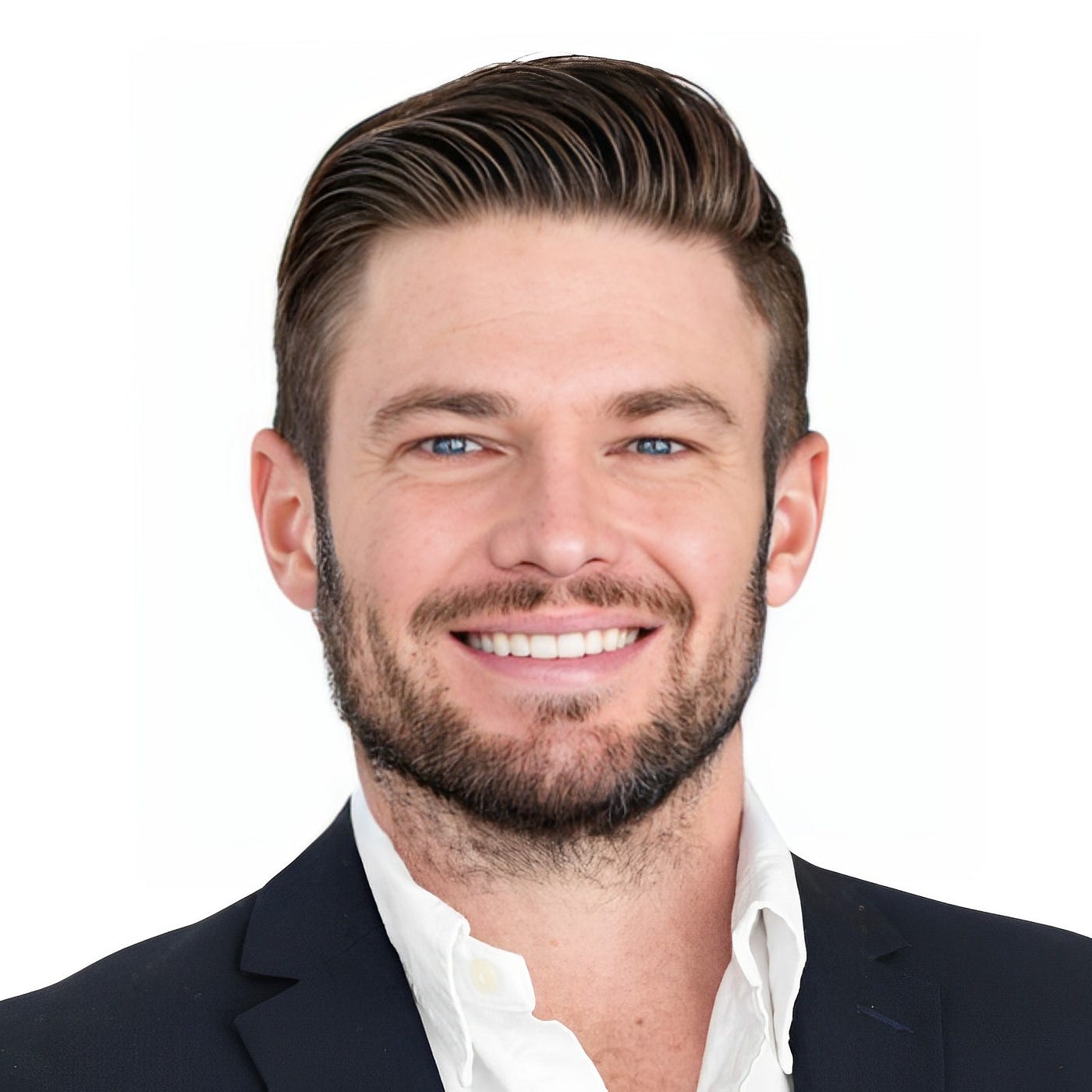
As part of my series of interviews about “5 things you need to know to create a very successful podcast”, I had the pleasure of interviewing Brendan Rooney.
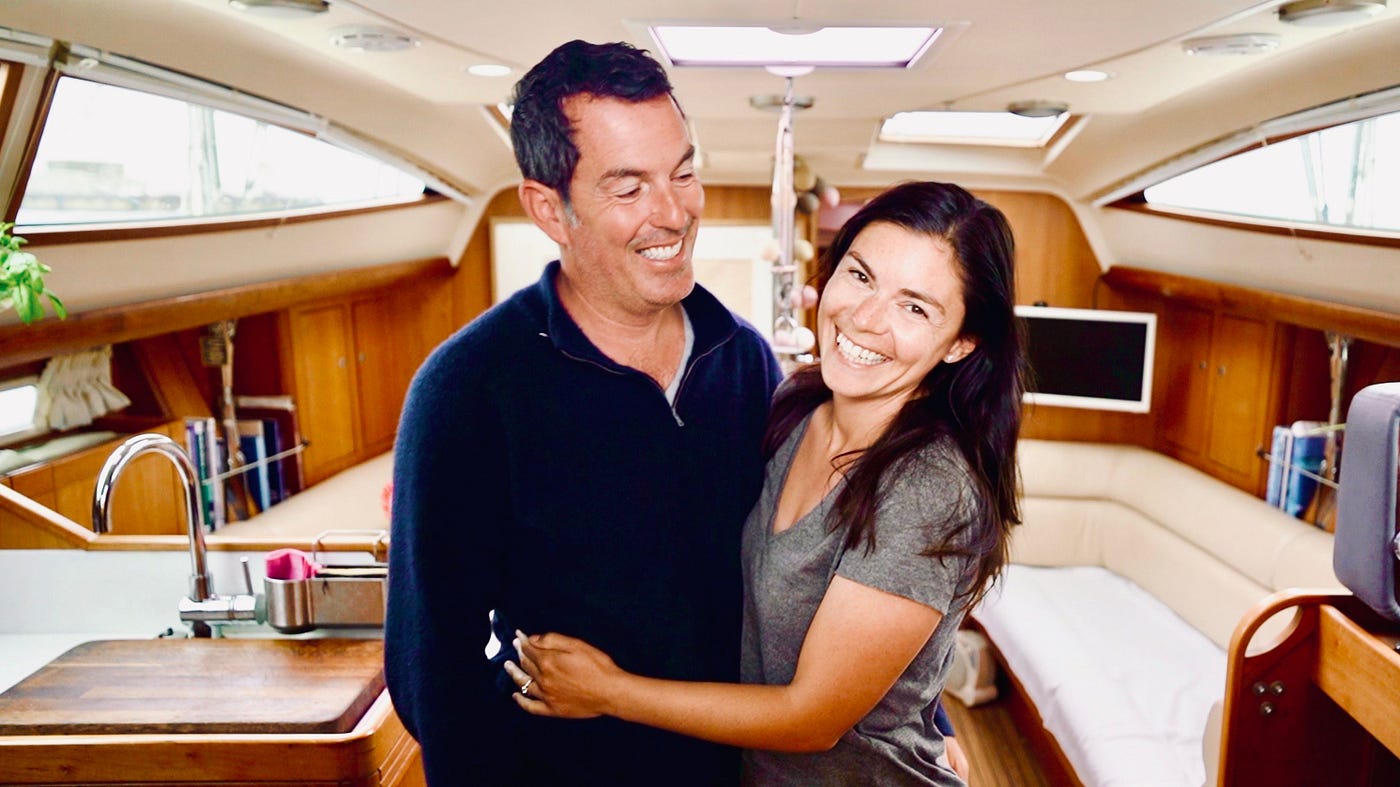
Brendan Rooney is a marine vet who recently launched his new media company PodCo, with his wife, Disney legend Christy Carlson Romano. As CEO of PodCo Brendan has created a truly one-of-a-kind platform that is sweeping the podcast charts with his company’s inaugural series “Wizards of Waverly Pod”, “Ned’s Declassified Podcast Survival Guide”, and the “Brotherly Love Pod”. PodCo believes the future of podcasting lies in both the visual and audio mediums and incorporates a unique hybrid format, via its state-of-the-art studio system located in Downtown Los Angeles, to keep both its listeners and viewers highly engaged. PodCo will continue to expand its footprint in the rewatch category, while developing in other notable categories including Comedy, Society & Culture, Music, Sports, Arts, and News. PodCo podcasts can be found on Apple, Spotify, and all other major podcast streaming platforms and can be seen on YouTube and Facebook. Brendan and his wife Christy Carlson Romano made the move from LA to Austin, TX mid pandemic with their two daughters. When Brendan is not busy running PodCo or creating new series for his platform, he can be found spending time with his family or staying in shape through various workout routines.
Thank you so much for doing this with us! Before we dig in, our readers would love to get to know you a bit more. Can you tell us a bit of your “personal backstory? What is your background and what eventually brought you to this particular career path?
I was born in NY and raised in Southern California by a single, teenage mother, we were on welfare for some time. Eventually my stepfather, whom I consider to be my father, came into my life. He taught me the value of hard work, learning from your mistakes, and possessing a strong moral compass. I moved to New York after graduating high school and enlisted in the Marines the day after 9/11. There I learned to distinguish between being a boss and being a leader; bosses covet power and leaders distribute it. I later graduated from Columbia University in New York where I was mentored by Rupert Murdoch and learned the ins and outs of the media business. I then got my master’s from the American Film Institute in Los Angeles where I made a few movies and packaged a TV series. Around 2016, my focus shifted to a new media space. My wife, Christy Carlson Romano, and I built a successful YouTube channel in a nostalgic cooking format. This project led to the creation of a digital series that we did for Hulu. The freedom to greenlight yourself via branded integrations made it clear that this was the new frontier. Podcasts, while they’ve been around for over a decade, didn’t seem to be taking advantage of video and social media audiences, so I launched PodCo as a video and social media forward company.
Can you share a story about the most interesting thing that has happened to you since you started the podcasting company?
After starting the company, Selena Gomez posted on Instagram about our show, Wizards of Waverly Pod. It skyrocketed the number of emails hitting our inbox. Everyone in the company, including our incredible hosts, puts in a ton of work. So the quality of our shows, combined with them starting to become ubiquitous in people’s socials feeds, has created quite the appetite for continued development on our end.
How long have you been creating podcasts and how many series have you aired?
I’ve had an interest in podcasts for a decade but didn’t produce my first one until about two years ago. Right now, we have six with two, and very exciting new ones about to be announced with several more in development.
What are the main takeaways, lessons or messages that you want your listeners to walk away with after listening to your shows?
We want people watching our shows, as well as listening. Right now, our slate of shows is in the rewatch/nostalgia category. At the end of the day, we want people feeling good. Our shows are a warm blanket and hopefully an antidote to the increasingly chaotic world we’re inheriting.
In your opinion what makes your podcast company binge-listenable? What do you think makes your series unique from the others in your category? What do you think is special about your hosts, guests, or their content?
Our current slate is heavy on rewatch and nostalgia. The people that grew up watching these shows, or loving these hosts, will want the behind-the-scenes knowledge of everything that was happening during that time. We make a concerted effort to deliver as much need-to-know back story as possible. PodCo makes sure to mix it up by having guest stars, fan interactions, and mail bag episodes. Along with other interesting segments included in our podcasts, so they don’t feel too stale or derivative. We also have some exciting new things we’ll be introducing soon into the pods that I think people will really love.
Doing something on a consistent basis is not easy. Podcasting every workday, or even every week can be monotonous. What would you recommend to others about how to maintain discipline and consistency? What would you recommend to others about how to avoid burnout?
It’s all about clear communication and workflow. Bottlenecking, by way of taking on too much, is the death knell of growth. It’s important to establish a strong team, whether it’s a mom-and-pop operation or something much bigger, who clearly understands their roles. Careful analysis of show performance and the ability to know when to pivot when something isn’t working is essential.
What resources do you get your inspiration for materials from?
I’ve gained a sizeable rolodex of incredible people over the years while working in the entertainment business. These folks, in tandem with ruminating on ideas that interest me, are ultimately what goes into my shows’ creation.
Ok fantastic. Let’s now shift to the main questions of our discussion. Is there someone in the podcasting world who you think is a great model for how to run a really fantastic podcast? What are the ingredients that make that podcast so successful?
I think you can just look to anyone who’s at the top of the charts and the answers will be self-evident. Joe Rogan, Alex Cooper, SmartLess, Dax Shepard, It’s Always Sunny, Crime Junkie; all these podcasts/podcasters have unique ways of bringing audiences into their world and keeping them engaged for years.
You’ve been very successful so far with PodCo. Can you share with our readers the five things you need to know to create an extremely successful podcast? (Please share a story or example for each if you can.)
Love what your subject matter is about. If you’re only doing it do make money, audiences will snuff out the inauthenticity. 2. Take time to develop before launching. Have a vision for your show. 3. Build out a social media strategy. 4. Be consistent. Sometimes success happens overnight, sometimes it’s the long game. Just keep posting and be budget conscious. 5. Don’t be afraid to pivot. If something isn’t working, carefully test new ideas.
Can you share some insight from your experience about the best ways to: 1) book great guests; 2) increase listeners; 3) produce it in a professional way; 4) encourage engagement; and 5) the best way to monetize it? (Please share a story or example for each if you can.)
Have a great value proposition. Guests are more likely to come aboard if there’s something in it for them (exposure, they like the subject matter, etc.) 2. Talk about things that are shareworthy (why would someone want to share your podcast with a close friend?) 3. Get a great mic and a great camera (these things are easy to come by these days). 4. Engage with fans on socials and YouTube; let them know you care for them (they are, after all, the reason for your show living or dying). 5. Increase listener and viewership and the money will follow.
For someone looking to start their own podcast, which equipment would you recommend that they start with?
Just a 1080P vlog camera, Shure SM7B mic, and some editing software will get the job done.
Because of your position and work, you are a person of enormous influence. If you could inspire a movement that would bring the most amount of good to the greatest amount of people, what would that be?
Embrace nuance. Once we stop “othering” people, we open the doors to infinite ideas.
How can our readers follow you online?
They can check out our website: www.PodCo.us or find us on IG, TikTok, and YouTube. You can follow me on IG @thebrendanrooney and Christy @thechristycarlsonromano
Thank you so much for sharing your time and your excellent insights! We wish you continued success.
About The Interviewer: Jason Hartman is the Founder and CEO of Empowered Investor. Jason has been involved in several thousand real estate transactions and has owned income properties in 11 states and 17 cities. Empowered Investor helps people achieve The American Dream of financial freedom by purchasing income property in prudent markets nationwide. Jason’s Complete Solution for Real Estate Investors™ is a comprehensive system providing real estate investors with education, research, resources and technology to deal with all areas of their income property investment needs. Through Jason’s podcasts, educational events, referrals, mentoring and software to track your investments, investors can easily locate, finance and purchase properties in these exceptional markets with confidence and peace of mind.
JH
Written by
Jason Hartman
Editor & Journalist · Authority MagazineJason Hartman is a senior columnist at Authority Magazine covering Business and Tech, conducting primary-source Q&A interviews with founders, executives, and industry leaders.

Published inAuthority MagazineTop Lessons, Top Authorities · 42K Followers
Exclusive, curated interviews with the leaders and changemakers shaping tomorrow. Leadership lessons, industry deep dives, and executive profiles.