When we first sketched the napkin — we forgot the kitchen. That was a funny example of how we didn’t prioritize the quality of our food back then. As we grew, everything changed.
Business
Brandon Landry: Inside the Architectural Quest to Build a People-First Culture and Sustainable Restaurant Empire
The co-founder of Walk-On's Sports Bistreaux shares how an LSU walk-on dream evolved into a nationwide hospitality brand centered on resilience, mentorship, and deep human connection.
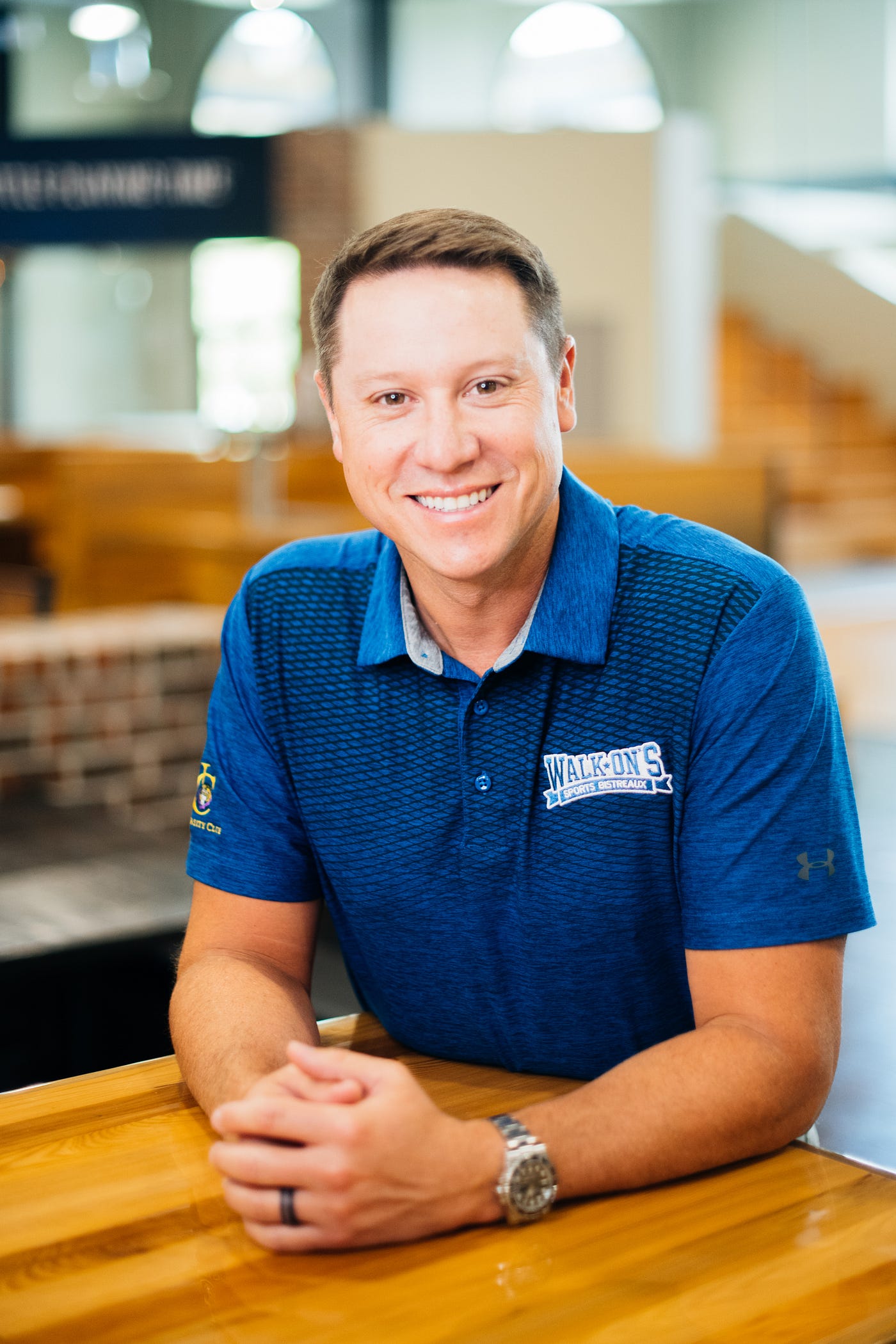
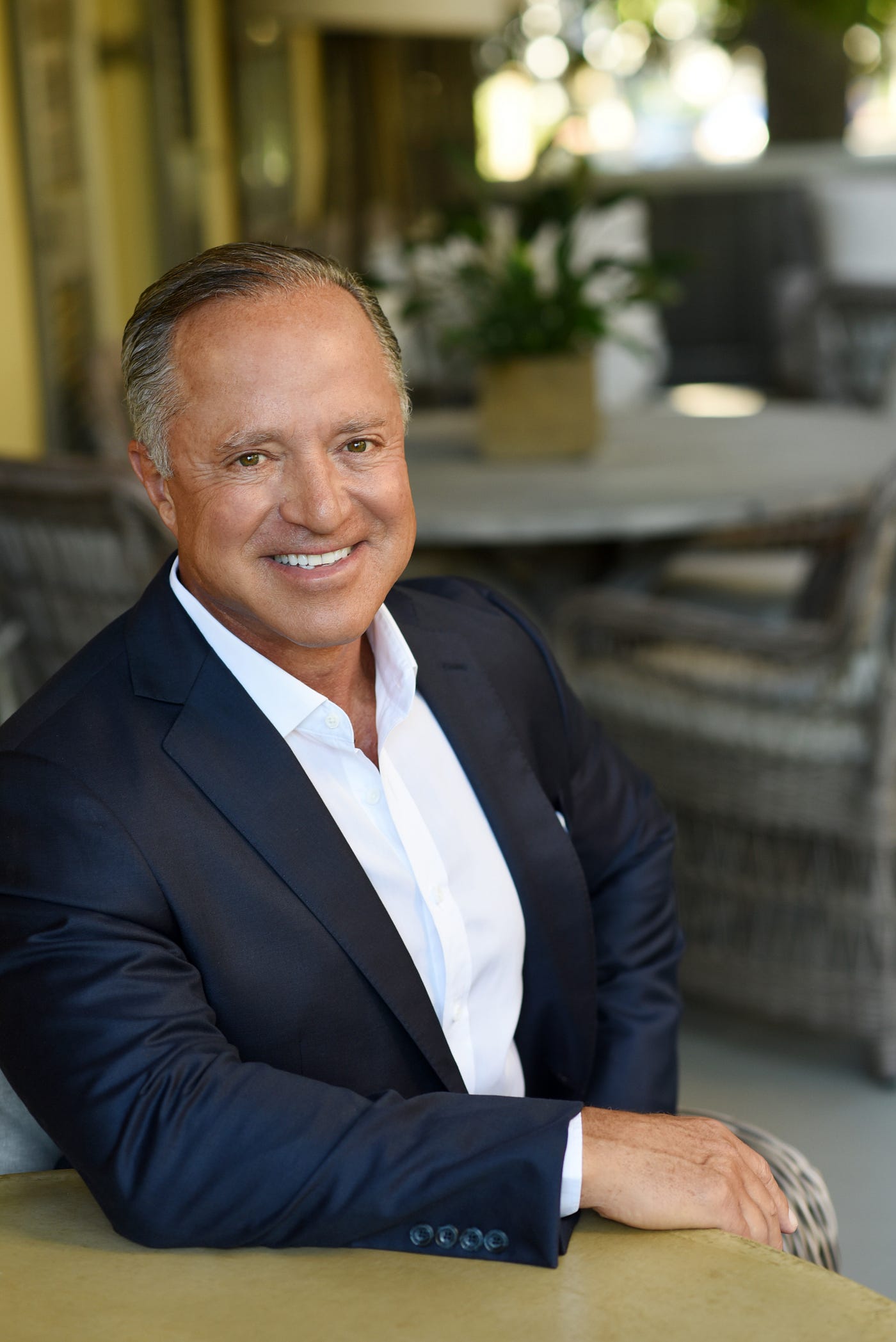
As part of our interview series called “5 Things I Wish Someone Told Me Before I Became A Founder”, I had the pleasure of interviewing Brandon Landry.
Brandon Landry has always been driven to succeed. As a high school basketball player at Catholic High in Baton Rouge, La., Brandon recognized his strong internal drive to succeed and compete at the highest level. When high school ended though, his passion for competing was just beginning. His longtime dream was to be a member of his hometown Louisiana State University’s basketball team. The fact that he wasn’t recruited didn’t deter him. Hard work and dedication earned him a spot on the team as a walk-on and he played from 1997–2000. It was during this time that the idea for Walk-On’s Bistreaux & Bar was born.
Thank you so much for joining us in this interview series! Before we dig in, our readers would like to get to know you a bit more. Can you tell us a bit about your “backstory”? What led you to this particular career path?
I had a longtime dream as a kid to be a member of Louisiana State University’s basketball team. I earned a spot on the team as a walk-on and played from 1997–2000. It was during this time that the idea for Walk-On’s Bistreaux & Bar was born. While living out my dream as part of the team, I traveled across the country and was able to visit some of the best restaurants and sports bars in the country. I saw the need for this in Baton Rouge, especially near LSU. My teammate and I sketched our vision for a floor plan on the back of a napkin while the team flew home from a road game at the University of Tennessee.
Can you share the most interesting story that happened to you since you began leading your company?
It’s not only about having great people, but also about having great people in the right seats. Early on I had some great team members that I almost lost because they were in the wrong seat.
Can you share a story about the funniest mistake you made when you were first starting? Can you tell us what lesson you learned from that?
When we first sketched the napkin — we forgot the kitchen. That was a funny example of how we didn’t prioritize the quality of our food back then. As we grew, everything changed.
None of us are able to achieve success without some help along the way. Is there a particular person who you are grateful towards who helped get you to where you are? Can you share a story about that?
My dad. Whether he knew it or not, he taught me to always treat people with respect and never underestimate the value of relationships. People I’ve met/had good relationships 20 years ago have brought business opportunities to the table.
As you know, the United States is currently facing a very important self-reckoning about race, diversity, equality and inclusion. This may be obvious to you, but it will be helpful to spell this out. Can you articulate to our readers a few reasons why it is so important for a business or organization to have a diverse executive team?
We not only think it’s important to have a diverse executive team but a diverse team throughout our organization. In 2020, we launched an Advisory Council on Diversity comprised of managers, front of house team members and heart of house team members from restaurants across the Walk-On’s system. We value the voices of hourly team members — not just executives — especially when it comes to diversity and inclusion.
As a business leader, can you please share a few steps we must take to truly create an inclusive, representative, and equitable society? Kindly share a story or example for each.
We currently have 10 Diversity Council Members who meet once per quarter (usually by Zoom, due to COVID). In the first in-person meeting in August 2020, facilitated by industry leaders, the Council created their own Vision, Mission and Values. We value their opinion in systemwide initiatives and decisions.
Ok, thank you for that. Let’s now jump to the primary focus of our interview. Most of our readers — in fact, most people — think they have a pretty good idea of what a CEO or executive does. But in just a few words can you explain what an executive does that is different from the responsibilities of the other leaders?
The most important thing an executive can do is keep the vision alive at all costs.
What are the “myths” that you would like to dispel about being a CEO or executive? Can you explain what you mean?
It’s more than a desk job. I’m here to be a positive leader — and it’s important to me to make it to openings/milestones.
What is the most striking difference between your actual job and how you thought the job would be?
Being a founder, I started out running the actual restaurant. Now, it’s more about building the team — rather than building the menu and creating sustainable culture.
Presumably not everyone is cut out to be an executive. In your opinion, which specific traits increase the likelihood that a person will be a successful executive and what type of person should avoid aspiring to be an executive? Can you explain what you mean?
Positivity — that’s what carried us through the pandemic. Maintaining an optimistic mindset is contagious and will carry through to your team. I also put a lot of trust in my team. If I do my job of keeping us focused on our vision, then our team will do the right things to achieve it.
What advice would you give to other business leaders to help create a fantastic work culture? Can you share a story or an example?
Our number one focus is people. If we choose the right people, train the right people and truly show we care — we know our experiences in the restaurant will be amazing, our company will profit, and our team members will become loyal Walk-On’s fans as well.
How have you used your success to make the world a better place?
In collaboration with Furlough Kitchen in Dallas, Walk-On’s Sports Bistreaux launched Furlough Kitchen by Walk-On’s Sports Bistreaux during the COVID-19 crisis. It was a non-profit operation run through the Walk-On’s Game On Foundation that provided furloughed workers one free meal, no matter their former employer. Furlough Kitchen by Walk-On’s operated out of a food truck or curbside at our restaurants and offered food to anyone in need. Through product and monetary donations, we were able to serve 30,000 meals across 5 states.
Something I’m also especially proud of — is the development of team members. Our Broussard, LA location was the first restaurant to open with 100% of management coming from hourly positions in one of our other Bistreauxs.
What are your “5 Things I Wish Someone Told Me Before I Started” and why?
- They don’t teach you in school how to start a business. We learned a lot in the early days by trial and error.
- You get what you pay for.
- You get what you tolerate.
- Prepare for anything. This pandemic taught us to be nimble, innovative and never stop evolving.
- Focus on people from the beginning. I’m not sure that was as important to me in the beginning — and now it means everything.
You are a person of great influence. If you could inspire a movement that would bring the most amount of good for the greatest number of people, what would that be? You never know what your idea can trigger.
I’d love to start a “Don’t type. Let’s talk.” Movement. Although there are some good things that come out of social media, I truly believe it’s causing division in the world. Everyone has a voice that can hide behind a fake name and say what they want about people. Kids coming up don’ have strong social skills and are more concerned about how many likes they have. I’d like to challenge us all to have tough, respectful conversations in person rather than behind a keyboard.
Can you please give us your favorite “Life Lesson Quote”? Can you share how that was relevant to you in your life?
“Be more concerned about what you can do for others than what others can do for you. You’ll be surprised at the results.” John Wooden
We are very blessed that some very prominent names in Business, VC funding, Sports, and Entertainment read this column. Is there a person in the world, or in the US with whom you would love to have a private breakfast or lunch with, and why? He or she might just see this if we tag them.
I think I’d have to say Arnold Palmer. He was a visionary — and really the first athlete to use sports to market. He was also a great businessperson and would love to talk about building a brand.
Thank you for these fantastic insights. We greatly appreciate the time you spent on this.
PP
Written by
Parveen Panwar
Mr. Activated · Authority Magazine ColumnistAuthority Magazine Columnist & Contributor

Published inAuthority MagazineTop Lessons, Top Authorities · 42K Followers
Exclusive, curated interviews with the leaders and changemakers shaping tomorrow. Leadership lessons, industry deep dives, and executive profiles.