My father wasn’t part of my life growing up, and it wasn’t until I was 23 years old that I reconnected with him through the Red Cross.
Being vulnerable and authentic are some of today’s popular buzzwords. It may seem counterintuitive to be vulnerable, as many of us have been taught to project an air of confidence, be a boss, and act like we know everything. In Brené Brown’s words, “vulnerability takes courage.” So is vulnerability a strength or a weakness? Can someone be authentic without being vulnerable? How can being authentic and vulnerable help someone grow both personally and professionally? In this interview series, we are talking to business leaders, mental health professionals and business and life coaches who can share stories and examples of “How Authenticity and Vulnerability Pay Off and Help You Win Personally and Professionally.”
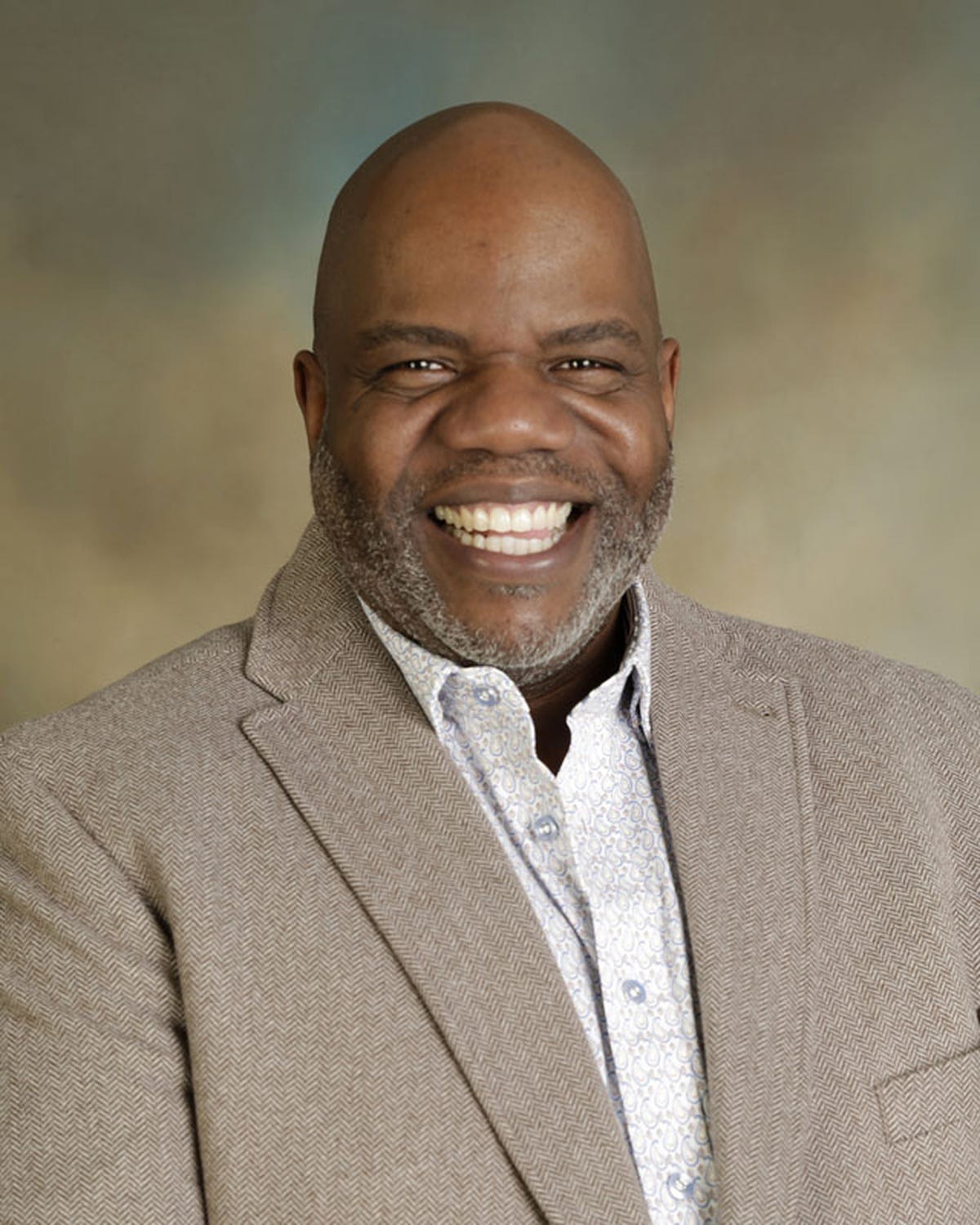
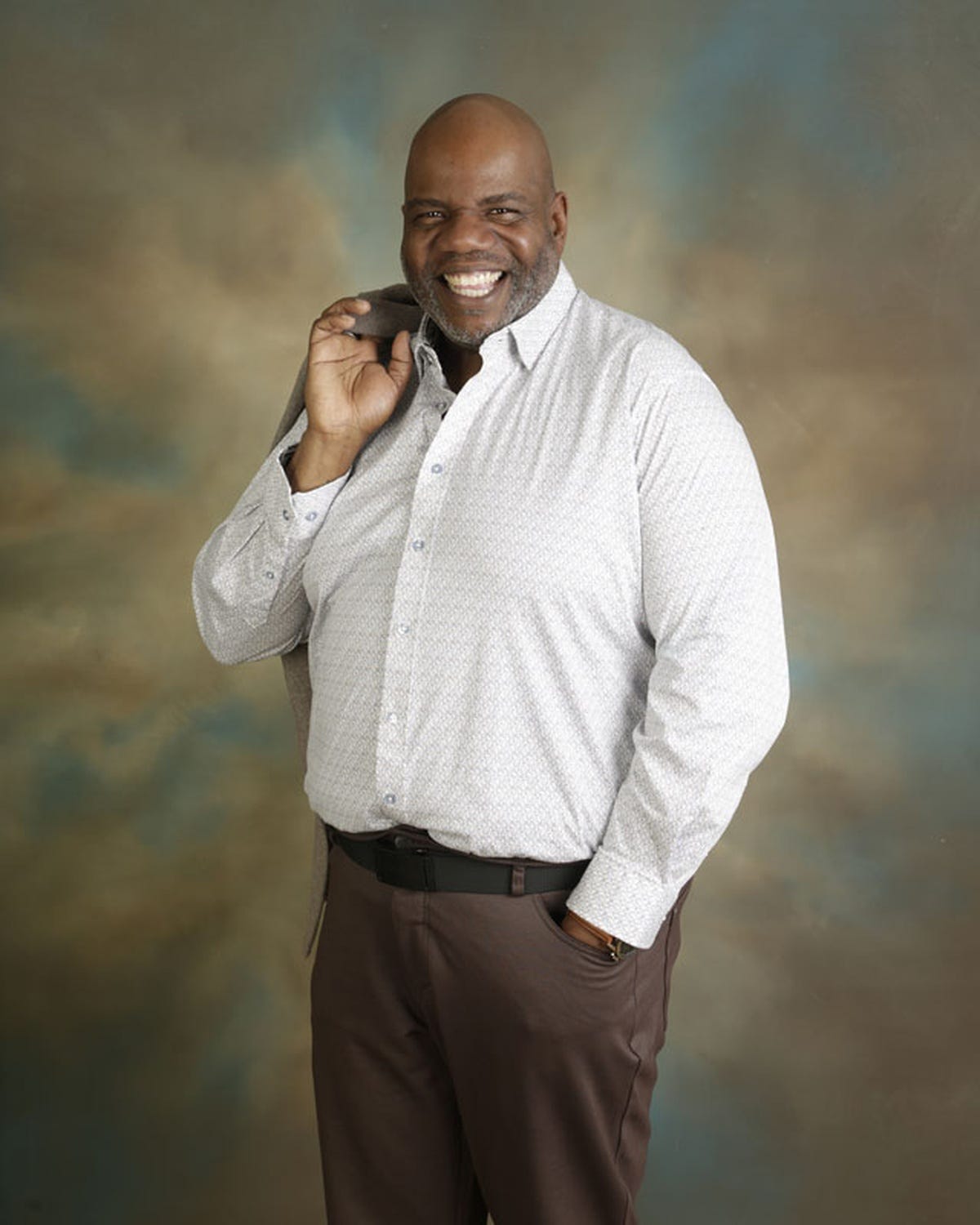
As a part of this series, we had the pleasure to interview Audley Stephenson.
Audley Stephenson is an author, speaker, and creator and host of The Audacious Living Podcast, a globally recognized platform featuring conversations about courage, resilience, leadership, and personal transformation. With a 30-year career in public service and experience as the former Commissioner of the National Basketball League of Canada, he brings a unique perspective on leadership, community engagement, and the power of human connection. He is the author of Living Your Best Audacious Life Ever: How Unleashing Your Inner Greatness Can Change the World, a book that challenges readers to embrace their potential and live with greater courage, authenticity, and purpose.
Thank you so much for joining us in this interview series! Before we start, our readers would love to “get to know you” a bit better. Can you tell us a bit about your childhood backstory?
I grew up in Toronto as the son of Jamaican immigrants. My parents came to Canada in search of greater opportunities, and like many immigrant families, our story involved sacrifice, determination, and the hope of building something better for the next generation.
I was raised primarily by my mother. My father wasn’t part of my life growing up, and it wasn’t until I was 23 years old that I reconnected with him through the Red Cross.
That experience shaped how I understood family, identity, and belonging. When you grow up without a parent present, there are questions you carry with you, even when you don’t always recognize how deeply they affect you.
Another significant influence in my childhood was the Salvation Army. I became involved when I was around ten years old, and that community provided opportunities for mentorship, friendship, leadership, and personal growth.
Looking back, I recognize how important those experiences were in helping me develop resilience and a sense of purpose.
I also learned that the circumstances we grow up in don’t have to define the direction of our lives.
They may influence our starting point, but they don’t have to determine our destination.
Can you please give us your favorite “Life Lesson Quote”? Can you share how that was relevant to you in your life?
One of the guiding ideas in my life is that we all have greatness within us, but realizing that greatness requires us to act.
It’s a philosophy that has become central to my work and the message I share through The Audacious Living Podcast and my book.
I believe everyone has abilities, experiences, and perspectives that can make a meaningful difference in the world.
But having potential and realizing that potential are two very different things.
At some point, we have to be willing to take a chance on ourselves.
That doesn’t mean we won’t experience fear, uncertainty, or setbacks. It means recognizing that courage isn’t the absence of fear. It’s the willingness to move forward despite it.
One of the principles in my BOLD framework is Better Than Yesterday.
I love that idea because it reminds us that personal growth doesn’t require perfection. It requires progress.
We don’t have to transform our lives overnight. We simply need to make choices that move us closer to the people we want to become.
Is there a particular book, podcast, or film that made a significant impact on you? Can you share a story or explain why it resonated with you so much?
One book that had a surprisingly significant impact on me was Wikinomics: How Mass Collaboration Changes Everything by Don Tapscott and Anthony D. Williams.
At the time, I was skeptical about the idea that people could build meaningful relationships and accomplish important things through online collaboration.
But looking back, I realize my skepticism wasn’t entirely about the technology.
Part of it was that I wasn’t fully prepared to be vulnerable.
Putting yourself out there, sharing your thoughts, expressing your opinions, and allowing others to see who you really are requires a certain level of vulnerability.
And at that point in my life, I hadn’t fully embraced that.
The book challenged my thinking. It helped me understand that technology wasn’t simply changing how we communicated. It was changing what was possible when people connected around shared interests and ideas.
One of the fascinating things about Wikinomics was how it explored the power of communities coming together, sharing knowledge, and creating opportunities through collaboration.
The book introduced me to a free, open-source audio editing program called Audacity. It was presented as an example of what becomes possible when people contribute their skills and knowledge toward something that benefits a larger community.
That concept intrigued me. Here was a program developed through the spirit of collaboration, available to anyone willing to learn how to use it.
So I decided to check it out.
Little did I know how significant that decision would become.
When my friend Dave and I launched The NBA Breakdown with Dave and Audley in 2008, Audacity became the software I used to edit our podcast episodes.
We were two guys with a passion for basketball, figuring things out as we went along, and that simple program helped us bring our conversations to life.
What started as two guys talking basketball eventually opened doors we could never have imagined, including opportunities to interview NBA legends like Kobe Bryant and LeBron James.
And here’s the irony that I absolutely love.
Nearly two decades ago, I was using a program called Audacity to begin my podcasting journey. Today, audacity has become the central philosophy of my life’s work.
I host The Audacious Living Podcast, I’ve written Living Your Best Audacious Life Ever, and I speak about the importance of having the courage to embrace our greatness.
Think about that. A book about the power of connection introduced me to a program called Audacity, which helped me discover the power of using my voice. And today, I use that voice to encourage others to live audaciously.
When I reflect on that journey, I recognize something I didn’t fully appreciate at the time.
My initial skepticism about online collaboration was partly rooted in my own reluctance to be vulnerable. I wasn’t entirely comfortable putting myself out there.
But that experience taught me that vulnerability creates opportunities for connection, and connection creates possibilities.
Sometimes the smallest decisions lead us toward our greatest purpose, long before we recognize where the journey is taking us.
Let’s now shift to the main part of our discussion. Let’s begin with a definition of terms so that each of us and our readers are on the same page. What exactly does being authentic mean?
To me, authenticity means living in alignment with who you genuinely are, rather than constantly adjusting yourself to meet other people’s expectations.
It’s about understanding your values, recognizing your strengths and imperfections, and allowing those things to inform how you show up in the world.
But there’s an important distinction I like to make.
Authenticity doesn’t mean that everyone is entitled to know everything about you. You can be authentic and still maintain healthy boundaries.
It also doesn’t mean that you have permission to disregard how your behavior affects others.
Being authentic means being honest about who you are while remaining accountable for how you show up.
I believe authenticity is a lifelong process. As we grow and gain new experiences, our understanding of ourselves evolves. Being true to yourself also means being willing to acknowledge that evolution.
What does being vulnerable mean? Can you explain?
To me, vulnerability is the willingness to allow yourself to be seen without having all the answers or knowing how others will respond.
It’s acknowledging that you have fears, uncertainties, insecurities, and imperfections, and being willing to share those parts of yourself.
And here’s where I believe audacity comes into play.
It takes a certain level of audacity to be vulnerable.
Think about it. When you open yourself up to someone, you’re taking a risk. You’re allowing them to see parts of you that you might otherwise keep hidden. You’re exposing yourself to the possibility of judgment, rejection, or misunderstanding. And there’s no guarantee of how they’ll respond.
That requires courage. That requires audacity.
For many of us, particularly those who have held leadership positions, vulnerability can feel uncomfortable because we’ve been conditioned to believe that strength means always projecting confidence and control.
But I’ve come to understand that vulnerability isn’t the opposite of strength. In many ways, it’s one of the greatest demonstrations of it.
And here’s what makes vulnerability so powerful. When we’re willing to open ourselves up, we create opportunities for genuine human connection. We allow others to see that beneath our accomplishments, titles, and public personas, we’re all human beings navigating many of the same fears, uncertainties, and challenges.
Audacity gives us the courage to be vulnerable, and vulnerability gives us the opportunity to connect.
That’s a powerful combination because those connections can lead to relationships, personal growth, and opportunities we might never have imagined. I believe that we all have a path that we’re destined to walk and when we do so, we’re being authentic to our true selves.
Ultimately, vulnerability isn’t about sharing everything with everyone. It’s about having the courage to be seen when it matters, even when doing so feels uncomfortable.
What are the positive aspects of being authentic and vulnerable? Can you give a story or example to explain what you mean?
One of the greatest benefits of authenticity and vulnerability is that they create opportunities for genuine human connection.
When we’re willing to let people see who we really are, including our struggles, uncertainties, and imperfections, we create space for others to do the same.
I’ve experienced this repeatedly through The Audacious Living Podcast.
Over the years, I’ve had conversations with hundreds of people from all walks of life. Some have achieved extraordinary professional success. Others have overcome unimaginable personal challenges.
But here’s something I’ve come to appreciate.
The most powerful moments in those conversations rarely happen when someone is talking about their accomplishments. They happen when someone shares what it took to get there.
It’s the rejection they experienced, the mistakes they made, the moments they questioned themselves, or the adversity they had to overcome.
Those are the moments when the conversation becomes something more meaningful.
And I think that’s because vulnerability reminds us of our shared humanity.
I’ve experienced this personally as well. When I’ve been willing to share difficult chapters of my own life, I’ve had people approach me afterward and share experiences they might otherwise have kept to themselves.
That tells me something important. Sometimes our willingness to be vulnerable gives someone else the courage to open up.
And when that happens, we’re no longer simply exchanging information. We’re building trust, understanding, and connection.
Authenticity allows people to see who we are. Vulnerability allows them to understand us. And together, they create the foundation for meaningful relationships.
Are there negative aspects to authenticity and vulnerability? Can you give a story or example to explain what you mean?
Absolutely. Authenticity and vulnerability can have consequences, particularly when they’re expressed without appropriate boundaries or consideration for the circumstances.
Not everyone will appreciate your honesty. Not everyone will understand your perspective. And unfortunately, not everyone will handle your vulnerability with care.
I’ve learned that there’s a difference between being open and being indiscriminate about what you share.
For example, in leadership, there are moments when acknowledging uncertainty can build trust. But there are also moments when sharing every concern or frustration can create unnecessary anxiety for the people who depend on you.
The responsibility is to understand the difference.
There’s also the possibility of being misunderstood or judged.
When you choose to live authentically, you’re accepting that some people may disagree with your choices.
But I would argue that the greater risk is spending your life trying to become someone you’re not simply to gain the approval of others.
From your experience or perspective, what are some of the common barriers that hold someone back from being authentic and vulnerable?
I believe fear is one of the biggest barriers.
Fear of judgment. Fear of rejection. Fear of failure. Fear of disappointing others.
Many people have spent years developing an identity based on what they believe others expect from them.
They become so accustomed to playing those roles that they eventually lose touch with what they genuinely want.
Another significant barrier is our relationship with perfection.
We often believe that before we can pursue an opportunity, express an opinion, or make a meaningful change, we need to have everything figured out.
But perfection is an impossible standard.
I’ve also seen how past experiences can influence our willingness to trust others. When someone has been criticized, rejected, or hurt after opening up, it can become difficult to take that risk again.
Ultimately, I think overcoming these barriers begins with developing a stronger relationship with ourselves.
We need to recognize that our value isn’t determined by other people’s approval.
Here is the central question of our discussion. What are five ways that being authentic and vulnerable pay off, and help you win, both personally and professionally?
- They build trust.
Trust is the foundation of meaningful relationships, whether we’re talking about family, friendships, business, or leadership.
People don’t necessarily expect perfection. But they do want to believe that the person they’re dealing with is genuine.
When you’re willing to acknowledge your mistakes, communicate honestly, and follow through on your commitments, you demonstrate integrity.
During my leadership career, I’ve learned that credibility isn’t simply established by your title or position. It’s established by your actions.
Authenticity helps people understand who you are. Vulnerability helps them recognize that you’re human.
Together, they create the conditions for trust.
2. They create deeper and more meaningful connections.
Some of the strongest relationships in our lives develop when we move beyond surface-level conversations.
When we’re willing to share our experiences, challenges, and aspirations, we create opportunities for others to do the same.
This has been one of the greatest lessons from hosting The Audacious Living Podcast.
I’ve interviewed accomplished individuals from many different walks of life, but what makes those conversations memorable isn’t simply their success.
It’s their humanity.
The willingness to share a personal struggle or difficult decision can transform an ordinary conversation into something meaningful.
And those connections can last long after the conversation ends.
3. They make us better leaders.
I believe effective leadership requires the confidence to make decisions and the humility to recognize that we don’t have all the answers.
Leaders who feel compelled to project an image of perfection can unintentionally create environments where others are afraid to make mistakes or express different opinions.
But when a leader demonstrates authenticity and appropriate vulnerability, it can create a culture where people feel respected, valued, and empowered to contribute.
Throughout my 30-year career in public service, as well as my time as Commissioner of the National Basketball League of Canada, I’ve learned an important lesson: Leadership doesn’t require a title.
Some of the most influential leaders I’ve encountered weren’t necessarily the people occupying the highest positions. They were individuals who led by example, earned the trust of others, demonstrated integrity, and inspired those around them to be better.
I’ve come to understand that leadership isn’t about being the smartest person in the room or having all the answers. It’s about creating an environment where people feel empowered to contribute, grow, and realize their potential.
And sometimes the most powerful thing a leader can say is, “I don’t know, but let’s figure it out together.”
Ultimately, leadership isn’t about the position you hold. It’s about the difference you make.
4. They accelerate personal growth.
Growth begins with honesty.
If we’re unwilling to acknowledge our limitations, mistakes, or areas where we need improvement, we make it much harder to evolve.
I’ve experienced moments in my life when circumstances forced me to reconsider what I believed about myself and what I wanted my future to look like.
Those moments weren’t always comfortable.
But they created opportunities for reflection, learning, and reinvention.
One of the principles in my BOLD framework is Outlast Adversity.
To me, that doesn’t simply mean enduring difficult experiences. It means being willing to learn from them and use those lessons to move forward.
Authenticity helps us recognize where we are. Vulnerability gives us the courage to acknowledge where we need to grow.
5. They give others permission to be courageous.
This may be the most important benefit of all.
When someone sees you pursuing a meaningful goal despite uncertainty, sharing an experience that others might find difficult to discuss, or choosing to live according to your values, it can inspire them to reconsider what’s possible in their own life.
I’ve seen this happen through conversations on my podcast and through my work as a speaker.
Sometimes people don’t need someone to tell them exactly what to do.
They need to see an example of someone who was willing to take a chance.
That’s one of the reasons I wrote Living Your Best Audacious Life Ever.
I want people to recognize that greatness isn’t reserved for a select few.
We all have the capacity to make a meaningful difference.
And sometimes the most audacious thing we can do is simply give ourselves permission to be who we truly are.
You are a person of great influence. If you could inspire a movement that would bring the most amount of good to the most amount of people, what would that be?
I would inspire a movement encouraging people to recognize, embrace, and unleash the greatness that already exists within them.
That’s really the foundation of everything I do through The Audacious Living Podcast, my speaking, and my book.
I believe far too many people move through life underestimating their potential.
They convince themselves that they’re not qualified enough, experienced enough, talented enough, or deserving enough to pursue the things that matter to them.
I want to challenge that thinking.
My BOLD framework encourages people to be Better Than Yesterday, Outlast Adversity, Live Your Truth, and Disrupt the Norm.
Imagine what could happen if more people embraced those principles.
Imagine communities where individuals felt empowered to pursue meaningful goals, support one another, challenge limiting beliefs, and use their abilities to make a difference.
That’s the movement I’d love to inspire.
Because when we unleash our own greatness, we create opportunities to help others discover theirs.
Is there a person in the world whom you would love to have lunch with, and why? Maybe we can tag them and see what happens!
That’s an interesting question because I actually have two answers, one involving someone who’s no longer with us and another involving someone whose work continues to inspire me today.
If I could sit down with someone from the past, it would be Tupac Shakur.
I’ve always been fascinated by Tupac because of the different dimensions of who he was. He was a rapper, poet, actor, and social commentator, but he was also someone who demonstrated tremendous emotional depth and vulnerability.
There was a fascinating contrast between his public persona and the more reflective, sensitive individual you could hear in his music and poetry.
I’d love to explore how he navigated those different sides of himself. How much of the person the world saw was the authentic Tupac, and how much was shaped by the expectations placed upon him?
And perhaps the biggest question I’d ask him is, “Is this what you imagined your legacy would be?”
But if we’re talking about someone who’s alive today, someone I’d genuinely love to sit down with and learn from, it would be Les Brown.
Les Brown has been an influence on my work because his philosophy aligns so closely with what I believe about human potential.
His message that “You have greatness within you” resonates deeply with me because it’s the very foundation of what I’m trying to communicate through The Audacious Living Podcast, my speaking, and my book, Living Your Best Audacious Life Ever.
I believe that every one of us has greatness within us. The challenge is having the courage to recognize it, embrace it, and ultimately unleash it.
And that’s where audacity comes into play.
What I admire about Les Brown is that he hasn’t simply built a successful speaking career. He’s dedicated his life to helping people see possibilities in themselves that they might not otherwise recognize.
That’s the kind of impact I aspire to have.
I’d love to sit across from him and learn about his journey, the challenges he faced, and how he developed the confidence to share his message with the world.
I’d also want to understand how he’s managed to sustain that message over so many years while continuing to inspire new generations.
And perhaps most importantly, I’d want to ask him how someone like me, who’s working to build a meaningful legacy through speaking, writing, and podcasting, can take those next steps while remaining authentic to my own voice and purpose.
Because ultimately, I’m not interested in simply becoming a successful speaker or author.
I want to make a difference in people’s lives. I want people to recognize the greatness that exists within them and have the audacity to do something with it.
And I can’t think of many people better suited to have that conversation with than Les Brown.
How can our readers follow you online?
The best place to connect with me is through my website:
https://www.BestAudaciousLife.com
You can also find me on LinkedIn, Instagram, Facebook, and YouTube, where I share conversations, insights, and stories from The Audacious Living Podcast.
My book, Living Your Best Audacious Life Ever: How Unleashing Your Inner Greatness Can Change the World, explores many of the ideas we’ve discussed in this interview, including courage, resilience, authenticity, and personal transformation.
I encourage everyone to join the conversation and discover what it means to live their best audacious life ever.
Thank you so much for sharing these important insights. We wish you continued success and good health!