I realized early on, being so young in both business and healthcare informatics, that I had to be two things: prepared for anything and be able to pivot on a dime.
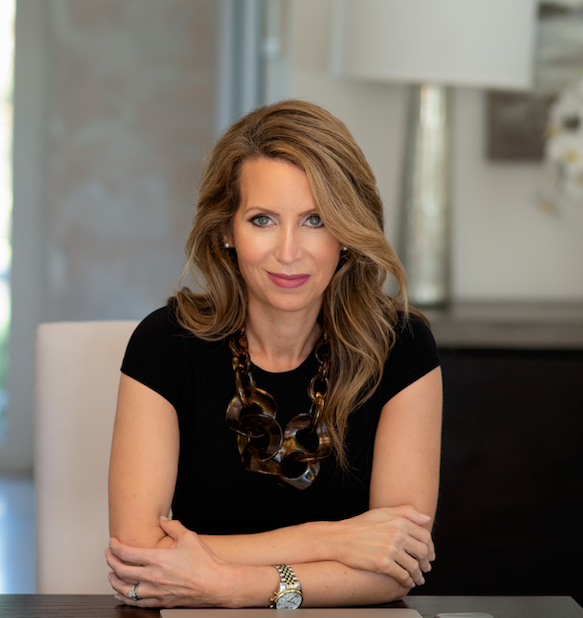
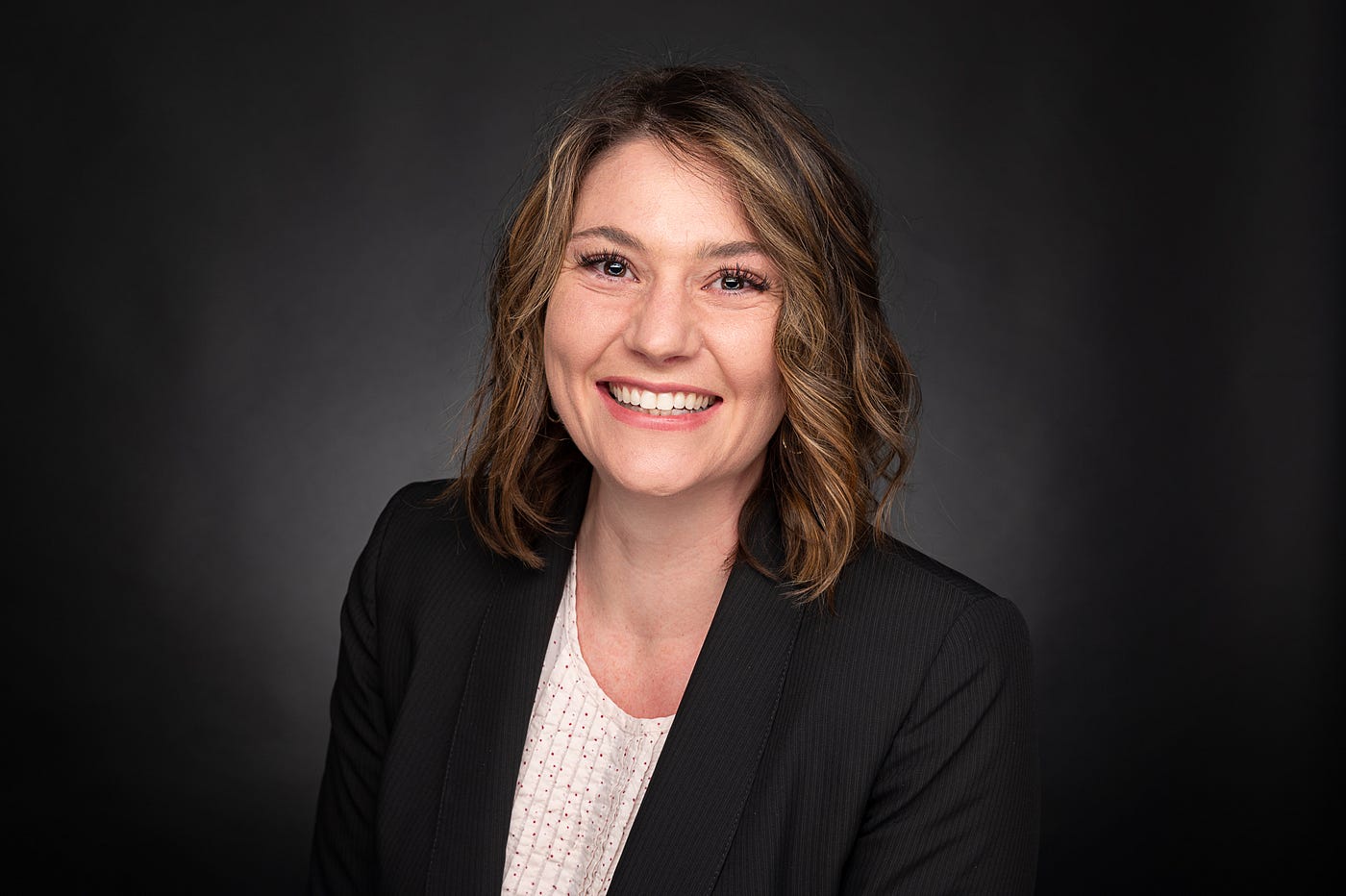
As part of my series about “authors who are making an important social impact”, I had the pleasure of interviewing Ashton Underdahl.
Ashton Underdahl is the International Best-Selling author of the book called Leader Most Loved and associated training course. She is a small business lover, team-builder, and wellness enthusiast who is passionate about helping others succeed by deploying creative yet proven methods to empower leaders and organizations to execute their visions. Through her consulting company, (www.cadrecoeur.com) Ashton specializes in developing work-life balance, leadership, management, business, and professional self-care; and devotes a great portion of all her working hours to local non-profit organizations or children’s organizations that help build stronger, more connected communities.
Thank you so much for joining us in this interview series! Before we dive into the main focus of our interview, our readers would love to “get to know you” a bit better. Can you tell us a bit about your childhood backstory?
Ofcourse! I was a Junior Olympic gymnast as a kid. I had incredibly supportive and loving parents, who helped me get to up to twenty-four hours of practice each week during junior high school and high school. They were very hard working and ambitious people and instilled a diligent work ethic in me. They pushed me to be the best version of myself and to give the glory of it all to God. Inside my gymnastics environment, I was coached by the most positive individuals I’ve ever met. The gym was literally a “no negatives” environment. They pushed us hard physically, and mentally, but loved us every moment of practice. They nurtured our positivity and therefore, our motivation. In the summers, we practiced 6–8 hours a day; one practice in the morning and one in the afternoon. In between practices, I would walk to the neurology clinic (the beginning of my career in healthcare) where my mom had made arrangements for me to scan charts in the clinic’s basement for the office manager. I think I earned $76 dollars per day, and started to learn clinical shorthand, HIPAA Compliance, and SOAP documentation format. Back in the gym, I learned some amazing skills that carried through to real life like perseverance, dedication, resilience, courage, independence, positivity and positive self-image, teamwork, and leadership. I had started gymnastics later than most coaches would like, so I had to work hard and be courageous — and it was tough, but I loved every second of it. For one of my birthdays, my parents bought me a gymnastics poster for my room that read “Hard work beats talent when talent doesn’t work hard” and it became (and still is) my motto. I retired from gymnastics as a level 9 due to a broken lumbar spine in my mid–teens, and had life-changing surgery, a lumbar fusion. I came back to high school that year with a walker. But, to my surprise my gymnastics family still loved me, and I became a coach once my body permitted it. They continued to foster my positive coaching techniques, and my parents continued to support my passion for the sport I loved. Even after I left for college, I still coached gymnastics in other cities, and the children I coached are still my friends on social media to this day. I now have the pleasure of hanging around my home gym, coaching a few times per week, and watching my daughter enjoy the sport.
When you were younger, was there a book that you read that inspired you to take action or changed your life? Can you share a story about that?
When I was younger, I loved the Nancy Drew books. I received a complete box set from my aunt one Christmas and read every single one. Nancy was strong and independent, she was intelligent and resourceful, but respectful. She was courageous. Those are qualities that I was attracted to, things I aspire(d) to be, and were qualities I saw reflected in the women around me. Nancy was afraid at times, but always made a plan and pushed through anyway. Nancy was often faced with adversity as a young woman in a man’s world, like the women leaders around me in real life, but she didn’t let it stop her. That inspired me in many ways. I realized early on, being so young in both business and healthcare informatics, that I had to be two things: prepared for anything and be able to pivot on a dime. This was also like Nancy Drew, where she would save these little artifacts for later and having those things in her back pocket would prevent a disaster — or where she would know just the right thing to say to keep a situation calm and going in the right direction.
It has been said that our mistakes can be our greatest teachers. Can you share a story about the funniest mistake you made when you were first starting? Can you tell us what lesson you learned from that?
I have made so many mistakes, some funnier than others. One time, I brough three-inch heels to a three-day long tradeshow, that was hilarious. Once, before my connecting flight home in Denver, Colorado, I sat down at a bar in the terminal to process my receipts, call my husband, and order a Bloody Mary. I was on the phone and the waitress asked me if I would like to “make that a devil.” I thought she meant make my drink really spicy, and I was on the phone, so I just said yes. What she actually said was “Would you like to make it a double?” and needless to say with the altitude, I could hardly wobble from my barstool to the airplane. The funniest mistake I made in my young career was probably driving home from a healthcare client in Great Falls, Montana. I was listening to NPR, on the phone with my sister-in-law talking about a baby shower and failed to take an important left turn. I was suddenly headed downhill surrounded by maple leaves and realized I had accidentally driven into the Canadian border where I was detained without my papers, driving the company car. Hopefully that was my first and last interrogation ever — very embarrassing. I specifically remember telling the officer “Please, don’t call my husband!” While these were hilarious mistakes, they did have a common theme that I learned later, especially as I started raising children, and it actually evolved into one of my twelve lessons in the book. I thought I could absolutely do it all, and probably all at the same time. There is value to multitasking — but it also comes with risk. Some problems or tasks require your full and undivided attention — and for good reason. When you choose to, or are forced to multitask, there is often a byproduct or even a consequence for doing so. The byproduct might be rework, or work of a lesser quality, or stress, or regret. This led me to many of my conclusions in lesson twelve of the book and the modification of my thinking: I can do absolutely everything — but in bite-sized chunks. Instead of trying to tackle two or three problems or tasks at once, I prioritize them and make time for each of them so that I can give each item my undivided attention. This helps me to live in the moment — and brings me more joy and reward as I complete things throughout the day or week more wholly and successfully.
Can you describe how you aim to make a significant social impact with your book?
I hope that my book is the guiding light for young professionals out there; that my book helps them recognize and prioritize personal balance and helps them create those professional communities that feel like home whether or not we choose to be leaders. We live in such a busy world that sometimes we forget to look at what we’re living for. What exchanges are you making daily? Do those transactions bring you value in one way or another? What are you sacrificing to make those exchanges? We often focus on building a beautiful future and forget to live in the present. I believe in working hard for what you want and believe that setting goals and achieving them can be some of the most monumental moments in our lives, but it’s important to make time for what matters. It’s important to enjoy the journey. We spend most of our lives at work, with people we didn’t choose. What if we chose to nurture those relationships, allowing us to thrive in each moment rather than survive each moment? Balance doesn’t have the same definition for everyone, but I hope that my book inspires someone else to seek mental, spiritual, and physical wellness, and engage in unique communities that stimulate learning and growth and nourish our souls.
Can you share with us the most interesting story that you shared in your book?
You know, the most interesting story I share in Leader Most Loved is probably the snowball that led me to write the book. I stepped away from my corporate career to focus on my health. I had just been diagnosed with pelvic congestion disorder, which was only made worse by working 9 to 14 hours a day at a desk. I absolutely loved my work and had no problem doing that, but the damage I was doing to my body was irreversible, and if I didn’t change the way I was living my life, I probably wouldn’t have a very long or comfortable life. It was a wakeup call. I am a young person, with a young family and a lot to live for and I had ignored my health for too long. You see, after my lumbar fusion as a teen, my body hurt often, and I tended to stray away from things that I thought would aggravate that. That started a blind, ignorant attitude toward my health — ironic for someone working in healthcare informatics, but it’s more common than you think. My situation grew more ironic. Right as the book was being published, we discovered I had a massive angiomyolipoma tumor on my kidney. I just had to laugh, because if I had not ignored my body’s signs and signals over the past decade, things might have been different for my body. This book was a turning point for me, to really incorporate all of the wellness points and attributes that I love but hadn’t been honoring, and really incorporate them into my life. I find this to truly be the most interesting story in the book, because it’s something that people can relate to. I know so many professionals who pour their hearts into their projects and careers and they know they should be exercising, or they know they should be socializing, or they know they should be doing this or that, but it’s hard to incorporate until you get that kick — and sometimes that kick hurts.
What was the “aha moment” or series of events that made you decide to bring your message to the greater world? Can you share a story about that?
I never imagined I would write a book. I had jotted down some notes on index cards while on maternity leave years ago, but really didn’t think I would write. What truly inspired me to write the book was the outpouring of love I received from my team when I decided to step away. I genuinely thought I was going to ride off into the sunset, but my team would not let me. I was really humbled. I received flowers; they threw me a dinner party. Our new COO bought me a watch; my Vice President handmade me a gift basket. I received dozens of heartfelt farewell letters. My boss wrote me a note that said “You are amazing. You have mentored our team and me to a great place. We are set up for success due to you. Love you.” That made me really reflect — I knew I had made boatloads of mistakes but to get this kind of response, I must have done something right, right? I started writing down a bulleted list in my notebook. I kept in contact with many teammates and months after I resigned, we were still meeting for lunch. I met with a former teammate and they asked how I was doing. I told her that I had been reflecting and started writing down some points — she asked me to read them to her. When I finished, she said, “Wow, Ashton I would read that. You should write a book!” I was surprised, but what could it hurt to fatten up this list a little? I thought it would probably be a fantastic LinkedIn article. Then, for Christmas my mom bought me a writing app subscription and told me I needed to go for it, so I enrolled in publishing classes the following month!
Without sharing specific names, can you tell us a story about a particular individual who was impacted or helped by your cause?
There were some early readers of my book who reached out and shared that they were inspired to try something they learned from the book at work, or even at home with their children. But the stories I am most proud of are the ones I shared with my team. Stories where I know I made a positive impact in someone’s life. Part of my leadership philosophy is that skills can be taught, experience can be earned, but character is innate. As a leader, I took a couple of gambles based on that philosophy but boy, did they pay dividends. I think a huge part of being a leader is finding that balance where the business and the people around the business can have a symbiotic relationship; we both get to collect those dividends. This person might not have the skills or the experience right now, but they really have the heart and character of the team I want to build. In this story, the individual had the desire and drive to move forward in life, but maybe didn’t have the financial means to change their skills just yet, nor the support system to gain the experience they needed. When I resigned in 2021, this is the thank you note this person wrote me: “I love you so much! I can’t thank you enough for everything you’ve done for me. Because of you I am where I am. I wouldn’t have been able to grow my career or as a person. You took me out of my tight shell and made me more comfortable and confident to continue to grow! Thank you for everything.” About a year later, I received a text message from this person’s spouse that said “I just want to thank you. Because of your mentoring, and taking a chance on my spouse, you have changed our trajectory. I am just so happy because today my spouse starts a new job in a hybrid environment where she received a dramatic pay increase. This will change our lives. Thank you again.” Getting feedback like this really inspires me to get out there and continue being a part of the community where I can positively impact others and make new success stories!
Are there three things the community/society/politicians can do to help you address the root of the problem you are trying to solve?
I believe that society could help me address a couple of things that would help more businesses contribute to people-purposes, reduce burnout, and make teams feel like second families. First and foremost, I would love to share and spread the belief that leadership does not have to be big or bold or fancy. Leadership can start small, one relationship at a time — you can start in your marriage, with your children, or with a single relationship at work where you choose to invest in another person. Choose to take an interest. Choose them and support them. Be the springboard. Secondly, if our society could focus on others-centeredness, focus on servitude and gratitude as its grounding pillar, I feel all relationships and industries would benefit from that. For example, in healthcare I have many conversations with healthcare providers where they simply express their frustration, that the business of medicine has overtaken the relationship part of medicine and it hurts their hearts. If we, as a society, can transition to a common, core believe that service is our purpose and flip that corporate hierarchy upside down, gratitude would humble the masses. And finally, we live in a “hurry up” world. We live in a “do it now” reality where sometimes hurry, stress, and anxiety dictate our choices. I would like to encourage society to challenge that, make some personal boundaries, and practice that thing grandma used to preach about: moderation. In health, work, and life, practice moderation. If there are 24 hours in a day, and you spend 14 of them working at your desk, we aren’t left with much time for the health or life part, are we? I use this example because it was occasionally one I was guilty of, and I know I am not alone in that. Choose moderation — whether it’s the food we eat, the work we do — make those boundaries and hold yourself accountable for them. Just as in leadership we choose to invest in another, make that little investment in yourself.
How do you define “Leadership”? Can you explain what you mean or give an example?
I would define leadership as a springboard. If you’ve ever watched gymnastics on TV, you’ll know that there is a triangle shaped piece of equipment in front of the vaulting apparatus. That triangle shaped piece of equipment is called a springboard. In gymnastics, a springboard is used to propel a gymnast from ground level to the top of the vault table so that they can do a really big trick off of it. The springboard has a board on the ground, with big metal springs sandwiched in between another board; and binding at one end so it looks like a triangle. The more springs that get added into that springboard, the bigger the bounce a gymnast gets, enabling them to do even bigger tricks off that vault table. I would describe leaders in organizations as springboards. The stronger and wiser you become as a leader, the more springs you add into that springboard, enabling your teams to grow professionally and personally. Leadership is not about power. Leadership is about service. Once you become a leader you are committing yourself to raise up not only your mission, but the team of people that sign up to do it with you. It becomes your duty to enable those people if you want to see your vision executed, and the byproduct of that is safe workplaces, connected communities, empowered individuals, and grateful teams.
What are your “5 things I wish someone told me when I first started” and why? Please share a story or example for each.
My five things I wish someone had told me when I first started, with respect to small business management and leadership are scattered throughout my book so I will highlight my personal favorites here.
Number one is to get yourself a work wife! Develop relationships with your peers, supervisors, and each direct report you have, and get a little personal. It humanizes them to you, and vice versa. I hope you know their dog’s name and that they hate spaghetti. It will begin to change your work culture as people begin to recognize that you care about more than just the role.
Number two is to do one-on-one meetings at all costs. It doesn’t matter if you only have 10 extra minutes per day or per week, make them happen. Every single team member needs that alone time with you, just as much as you need it with them.
Number three is to show gratitude. I have gotten into the habit of identifying a single individual, or a couple individuals rather, that I will show gratitude to each day. It might be an employee, my dog, or my mom, but it is something that I try to do every single day. It keeps me humble and helps me recognize how blessed I am.
Number four is to start walking. Do yoga. Pilates. Bottomline — Exercise! Don’t multitask during this time unless you really need to. I’m not asking anyone to run a marathon, but the mental and physical benefits of just a few minutes of exercise, like walking, can leave a big impact on your day as well as your whole life.
And finally, number five is to set boundaries. Set boundaries for work and your life and honor them. Make sure that you have rewards in life besides your work, that you get joy somewhere else besides your computer chair. It is often popular to blend work and play together, but sometimes blurring those lines makes it so you are unable to unwind. My philosophy is to make bookends so you can fully commit yourself to enjoy what’s right in front of you.
Can you please give us your favorite “Life Lesson Quote”? Can you share how that was relevant to you in your life?
I shared earlier my favorite life lesson quote from growing up was “hard work beats talent when talent doesn’t work hard.” It was on a gymnastics poster my parents gave me and was on my wall until I went to college, I’ve printed it and shared it, and even recited it for my kids. It reminds me to give every task or goal I have my all, that I am the propeller on my plane. But since we already talked about that one, I’ll share my favorite quote from my book, Leader Most Loved: “If positivity is King, and recognition is Queen, they are both wearing crowns called reality.” It means that in leadership, in running a business, in teamwork, in parenting, or in a partnership it is important to recognize that our attitude and our gratitude dictate our outcomes. It means that in relationships we must choose to see the best in each other and recognize it, but also be willing to recognize and work through our shortcomings, in order to obtain the best outcomes. I found that in running a business and in leading my team, coaching became the ultimate management technique where I use positive speech and the ideal of how we will do better next time to successfully impact team performance. Additionally, I found that showing my gratitude and giving praise to my team, both publicly and privately, was more empowering to them that are raised in some cases. Finally, it is important to recognize, as leaders, sometimes we have to recognize tough stuff too; and while that’s not as fun as handing out praise, it too can be used as a powerful propeller for growth. That’s where the last piece of the quote becomes cementing; positivity in business is not to be confused with optimism but rather, is a tool help to identify opportunity.
Is there a person in the world, or in the US with whom you would like to have a private breakfast or lunch with, and why? He or she might just see this, especially if we tag them. :-)
This is such an interesting question! If there was one person in the world or the US that I would like to have breakfast with I think it would be Melissa Orr. I recently read her book titled Lean Out and really appreciate her honest perspective on the corporate workplace for women. I can relate to many of the stories she shares in her book and loved her personal arrival. It would be fun to compare small business with corporate hierarchy over brunch one day and swap notes with a wonderful author like her!
How can our readers further follow your work online?
Readers can find out more about my work by following @cadrecoeur on Instagram! My bio will have links to my website as well as the link to my book. My Instagram stories and posts for the next several months will focus on client success stories, community work and partnerships, and new business endeavors! It’s an exciting season to be in small business, and I am very grateful to be a part of it.
This was very meaningful, thank you so much. We wish you only continued success on your great work!