I realized that working in drug development was a way to marry my analytical mind and love for puzzles and problem solving with bringing new medicines to people who needed them.
Business
Ashley Kline of Dompé Pharmaceuticals: Inside the Strategy to Revolutionize Rare Disease Drug Discovery Through Advanced Computing and Empathy
Dompé Pharmaceuticals Global Biotech Head Ashley Kline shares how analytical precision, AI, and an unyielding commitment to empathy are transforming modern therapeutics.
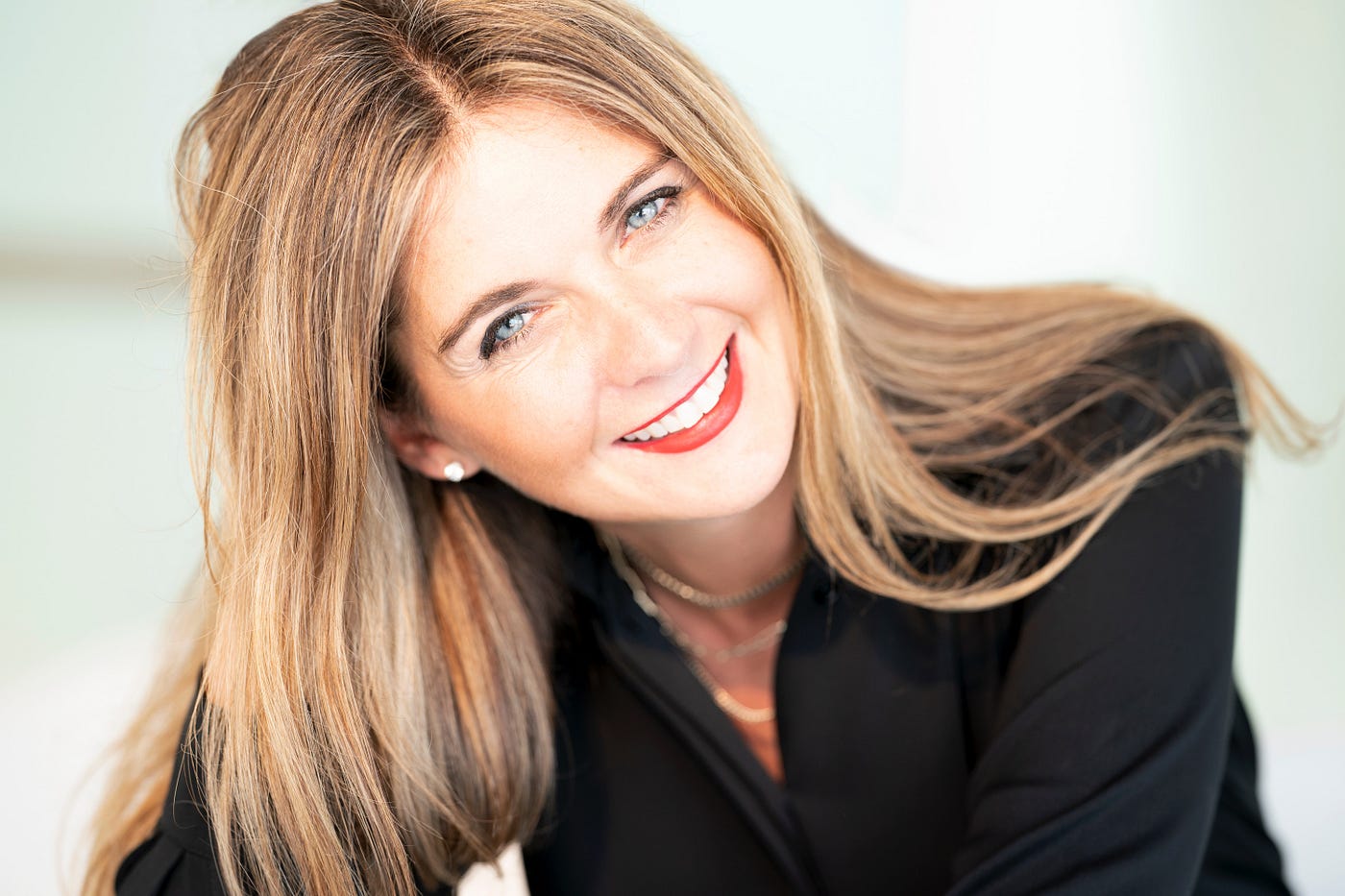
How does a successful, strong, and powerful woman navigate work, employee relationships, love, and life in a world that still feels uncomfortable with strong women? In this interview series, called “Power Women” we are talking to accomplished women leaders who share their stories and experiences navigating work, love and life as a powerful woman.
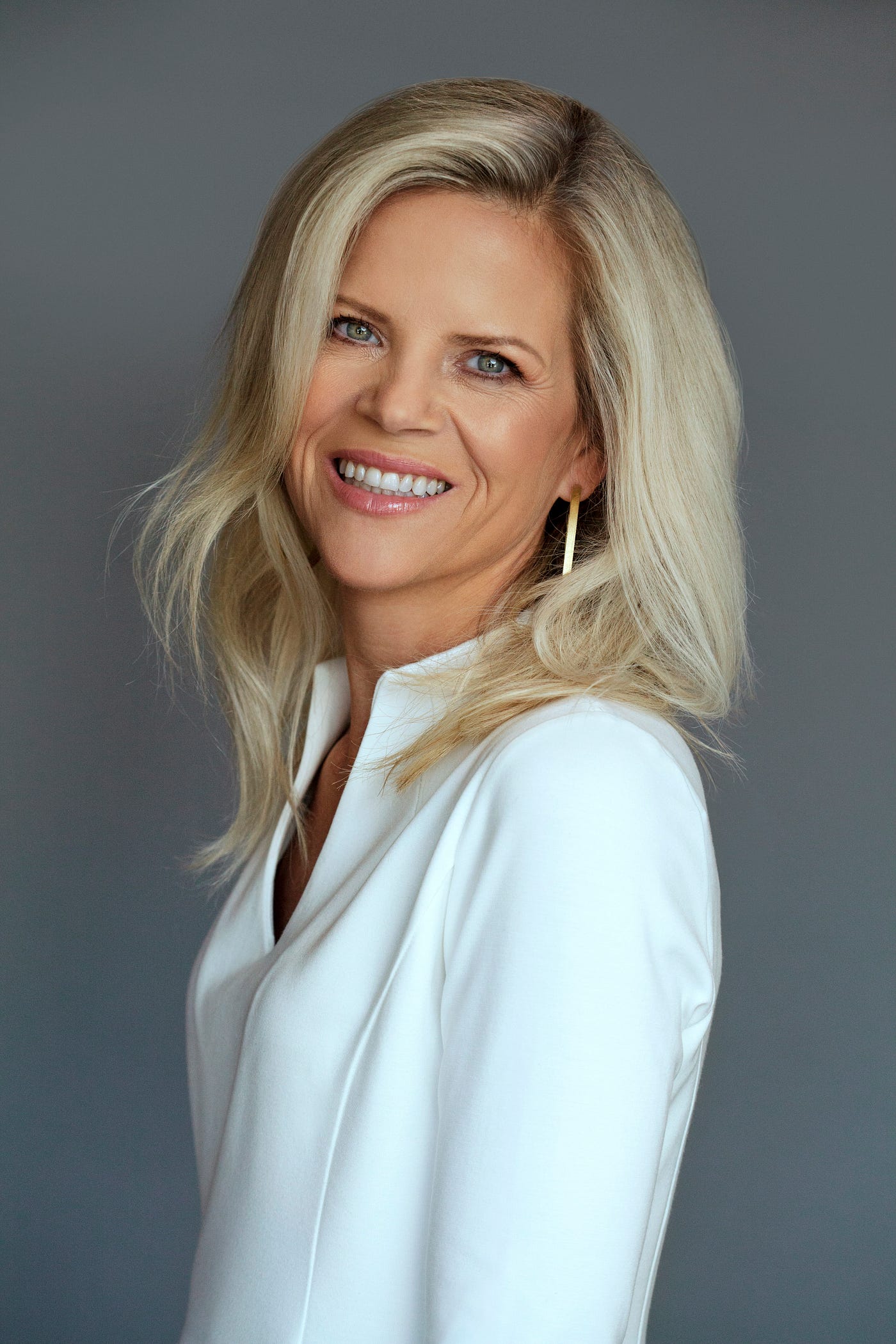
As a part of this series I had the distinct pleasure of interviewing Ashley Kline, Global Biotech Head and US General Manager, Dompé Pharmaceuticals.
With deep expertise in the biotech industry, Ashley joined Dompé in 2018 to establish and build the company’s presence in the United States.Since joining the company, she has overseen the commercialization of Oxervate, which achieved rare disease designation from the Food and Drug Administration for the treatment of neurotrophic keratitis, as well as the clinical development for pipeline products in cancer fatigue and Type I diabetes. Currently in her role as the head of the global biotech organization, Ashley leads teams in North America, Europe, and China that are tasked with bringing the company’s innovative portfolio of medicines to patients around the world.
Thank you so much for doing this with us! Before we dig in, our readers would like to get to know you a bit more. Can you tell us a bit about your childhood “backstory”?
I grew up in Western Massachusetts and my parents really emphasized education. I loved puzzles and logic games and math came easily to me. I had a million different ideas about what I wanted to be “when I grew up,” ranging from a plumber to an architect to hard-hitting journalist. While I didn’t end up in any of those fields, I do know how to fix a leaky toilet (laughing).
My family also owns a dairy farm near Boston, and my mother and a lot of my other family members work there. We make our own ice cream and sell our milk the old-fashioned way, delivered door-to-door in glass bottles. There really is nothing like it.
Can you tell us the story about what led you to this particular career path?
I have always been interested in the medical profession. When I was younger, I loved all of the medical dramas. I guess I was hooked first by ER, back in the George Clooney days. After business school I was working at Bain & Company as a consultant, and one of the large biotech companies was a client of mine. I realized that working in drug development was a way to marry my analytical mind and love for puzzles and problem solving with bringing new medicines to people who needed them. Now, in my role at Dompé, I have the opportunity to combine my analytical tendencies with a mission to unlock new ways to help people living with difficult to treat medical conditions.
Can you share the most interesting story that happened to you since you began your career?
One of the most memorable and inspiring moments of my career happened during a meeting with the R&D team at Dompé. In preparation for this meeting which was scheduled to talk about potential lifecycle plans for our neurotrophins platform, I spent weeks reading articles on PubMed and trying to get smart on everything that we could do with neutrophins, which are derived from nerve growth factor. The meeting itself was a revelation as to the profoundly creative and innovative approach to discovery that exists at Dompé.
Think about this, I’m working with this remarkable Italian company with a 130 year heritage that has brought to market a drug for an orphan and rare disease, based on Nobel prize winning research and continues to work with Arieh Warshel, the recipient of the Nobel Prize for Computational Chemistry through its Exscalate platform to leverage AI and High Performance Computing to develop new drugs. And, I’m sitting in a meeting where people from all different parts of the company presented the work they had been doing, revealing truly novel approaches to unlocking the potential of neutrophins to address a wide range of diseases.
It was awe-inspiring. While this particular meeting was pivotal for me, it was the first of many such experiences with this diverse group of creative scientific minds.
You are a successful business leader. Which three character traits do you think were most instrumental to your success? Can you please share a story or example for each?
- Background Brainpower — I am constantly processing in the background with my subconscious, it’s like having a second brain. Especially helpful, whether I am trying to work out a strategic challenge at work or remember that picture day is coming up at school.
- Intellectual curiosity — I am a lifelong learner and always most engaged and excited about discovering new ideas and new ways of helping people tap into their own creative capacity.
- Being a problem-solver — there are always going to be barriers to achieving a goal whether it is ensuring that patients have access to critical medications during a pandemic or (getting to a child’s soccer game in the middle of a busy day). Everything we do at Dompé starts from a vantage point of filling an unmet medical need vs. solving the problem for which a precedent has already been set. By not allowing precedent to limit our thinking, our approach to innovation pursues the possible to deliver against what is most needed. Oxervate, our treatment for the rare eye disease, neurotrophic keratitis, is a great example of this — we launched with record speed, 4 months from start-up of US team to product availability.
Ok, thank you for that. Let’s now jump to the primary focus of our interview. The premise of this series assumes that our society still feels uncomfortable with strong women. Why do you think this is so?
While I recognize that many women have had difficult times achieving leadership and being celebrated for being who they truly are, this has not been my experience. Since the very beginning of my career, I have been very fortunate to be surrounded by senior women who were unabashedly pushing boundaries and changing the game. Here at Dompé, I was welcomed into the company by Nathalie Dompé, our co-CEO (with her father), and Eriona Gjinukaj our Chief Operating Officer. The three of us are part of a c-suite team that is almost 50% female. Our leaders spend a lot of time living our We Care About Each Other operating principle, which is about acceptance and diversity.
Without saying any names, can you share a story from your own experience that illustrates this idea?
I am pleased to say that my stories are all about acceptance and support by both the women and men that I have worked with. However, I know that many women have had different experiences. In fact, because we know how lucky we are to work within an especially supportive environment, it is top-of-mind for the leadership at Dompé to ensure that we are not only mentoring and supporting other women but as well recruiting to ensure that everyone — regardless of gender, culture or experience — feels included and works to include others.
What should a powerful woman do in a context where she feels that people are uneasy around her?
Get a new job. No, really — the most important thing is to find a place that welcomes and encourages you to be your authentic self and if that is not where you work today, you should find a place that supports you for who you are. What often holds people back — not just women –is putting all their effort into “fitting in.”
At Dompé, we are focused on disrupting medical intervention in areas of compelling needs, taking bold steps to develop new standards of care and continuing to improve patient pathways in serious diseases. That requires courage, diversity of experience and an openness to new ideas. That demands that we not only support but encourage people to be their authentic selves, to take risks, speak up and be kind but assert your convictions.
What do we need to do as a society to change the unease around powerful women?
First, I think we need to start from a different premise. I think we should be talking about how we build organizations that celebrate diverse experiences, styles and thinking in the interest of innovation. I know that I am fortunate that Dompé is extremely well gender-balanced and diverse and takes its role seriously with respect to introducing careers in life sciences not only to women but to people of color. We are proud of our success in recruiting and retaining diverse candidates and continue to make this a priority for all of our open positions.
I do recognize that there are segments of society that are less comfortable with such diversity and gender equality. However, at Dompé we remain dedicated to advancing a culture of creative collaboration while making sure that we embrace individuality and support people’s ability to live their lives — welcoming them to a place where everyone can unlock their potential. If we can model this for our people and others in our industry, we can create the conditions for new innovations to manifest and hopefully improve society.
Let’s now shift our discussion to a slightly different direction. This is a question that nearly everyone with a job has to contend with. Was it difficult to fit your personal and family life into your business and career? For the benefit of our readers, can you articulate precisely what the struggle was?
Interviewers often want to talk about balancing work and family with female leaders. The insinuation is that we have extra responsibilities at home, and that we cannot possibly “have it all.” The truth is, no one can have it all, regardless of gender, at least not at the same time, and certainly not without a lot of help.
At Dompé we work hard to think about sustainability for our teams. We try to align people’s work with their skills and interests (we use a tool called YouMap). When people are energized by their work, they often find an extra gear. We also practice ruthless prioritization. If something is not needed, we encourage people to raise their hand and say why it isn’t. I like to remind the team that this is not the Dharma Initiative — no one should be pushing a button every 108 minutes without knowing why.
What was a tipping point that helped you achieve a greater balance or greater equilibrium between your work life and personal life? What did you do to reach this equilibrium?
Dompé is a family-owned business. We feel privileged to work at the intersection of technology and life sciences to improve the lives for people diagnosed with conditions for which we believe we can deliver a substantial leap in the standard of care. But, while everyone in our organization understands that we are here to do an important job, we also have families and lives outside of work.
Personally, equilibrium is not something I strive for — I think about my career as something more like a band that records in the studio and then goes on tour. Both are critical to success, and very different.
Right now, I am in a period that I would characterize as working on new material. A major focus for us today remains making Oxervate available around the world and I work with our teams in Italy and China a lot, so I take a lot of calls early in the morning and really late at night. I often have calls that bookend my days, so I carve out time during the day to spend with my daughters and practice self-care, whether that is yoga, pilates, or even a coffee with a friend.
At other times, my job requires me to give more. During those periods, I have awareness that this is a leg of the tour, and am conscious that it cannot be a “forever” state. Taking vacations and practicing self-care are both important, any rock star (real or imagined!) can’t perform if she is side-lined with exhaustion. During those periods, it is also important to ask for understanding and forgiveness from the people you love.
I work in the beauty tech industry, so I am very interested to hear your philosophy or perspective about beauty. In your role as a powerful woman and leader, how much of an emphasis do you place on your appearance? Do you see beauty as something that is superficial, or is it something that has inherent value for a leader in a public context? Can you explain what you mean?
Appearance is about confidence. Being confident and comfortable in a professional setting is more important than how other people might perceive me.
Ok super. Here is the main question of our interview. Based on your opinion and experience, what are the “Five Things You Need To Thrive and Succeed as a Powerful Woman?” (Please share a story or example for each.)
- A supportive village. At work and outside work. People who will pick you up when you fall down.
- A sense of adventure.
- Empathy. — There are so many people living with rare diseases for which there are no solutions. Understanding the limitations this places on their lives is a major impetus for how we think about drug discovery.
- Resourcefulness — With the advent of the COVID-19 pandemic we were already pioneering new ways to think about drug discovery and repurposing, and had been working on Zika virus. We pivoted those resources to COVID without really knowing what would happen and are really proud to have set up the EXSCALATE4COV consortium which is leading to some very exciting opportunities.
- A tube of red lipstick. (kidding — sort of)
Thank you for these fantastic insights. We greatly appreciate the time you spent on this.
MS
Written by
Ming S. Zhao
Editor & Journalist · Authority MagazineMing S. Zhao is a senior columnist at Authority Magazine covering Pop Culture and Business, conducting primary-source Q&A interviews with founders, executives, and industry leaders.

Published inAuthority MagazineTop Lessons, Top Authorities · 42K Followers
Exclusive, curated interviews with the leaders and changemakers shaping tomorrow. Leadership lessons, industry deep dives, and executive profiles.