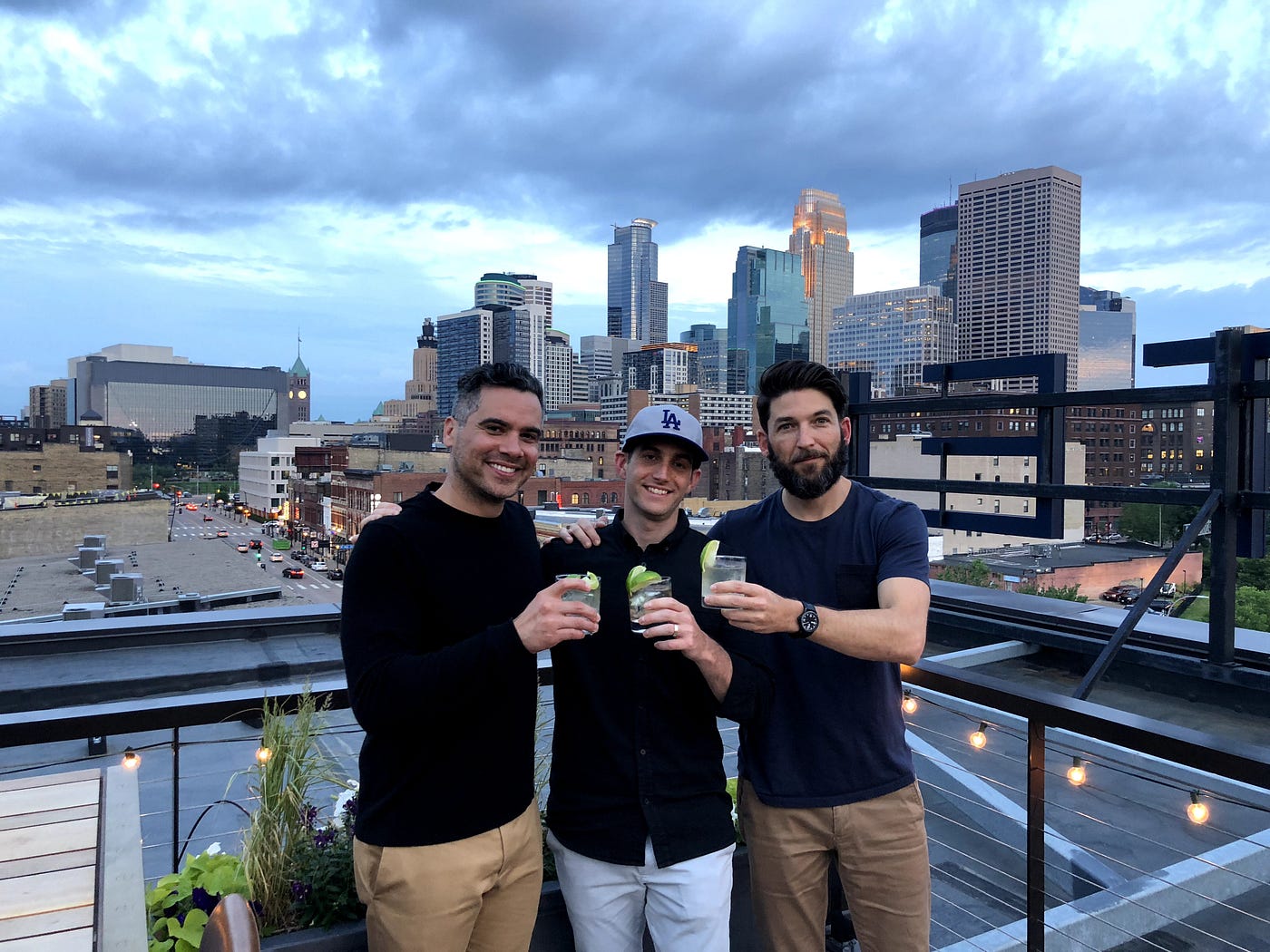
In those conversations, we realized that all these people who had made such incredible career transitions had a sibling or cousin or friend who helped them prepare them for these opportunities with these large companies.
Business
Anshuman Singh: Inside the Architectural Quest to Fix Tech Recruitment and Upskill Software Engineers
The co-founder of Scaler and InterviewBit shares how bridging the gap between university curriculums and industry demands creates sustainable careers for software engineers.
Startups have such a glamorous reputation. Companies like Facebook, Instagram, Youtube, Uber, and Airbnb once started as scrappy startups with huge dreams and huge obstacles.
Yet we of course know that most startups don’t end up as success stories. What does a founder or a founding team need to know to create a highly successful startup?
In this series, called “Five Things You Need To Create A Highly Successful Startup” we are talking to experienced and successful founders and business leaders who can share stories from their experience about what it takes to create a highly successful startup.
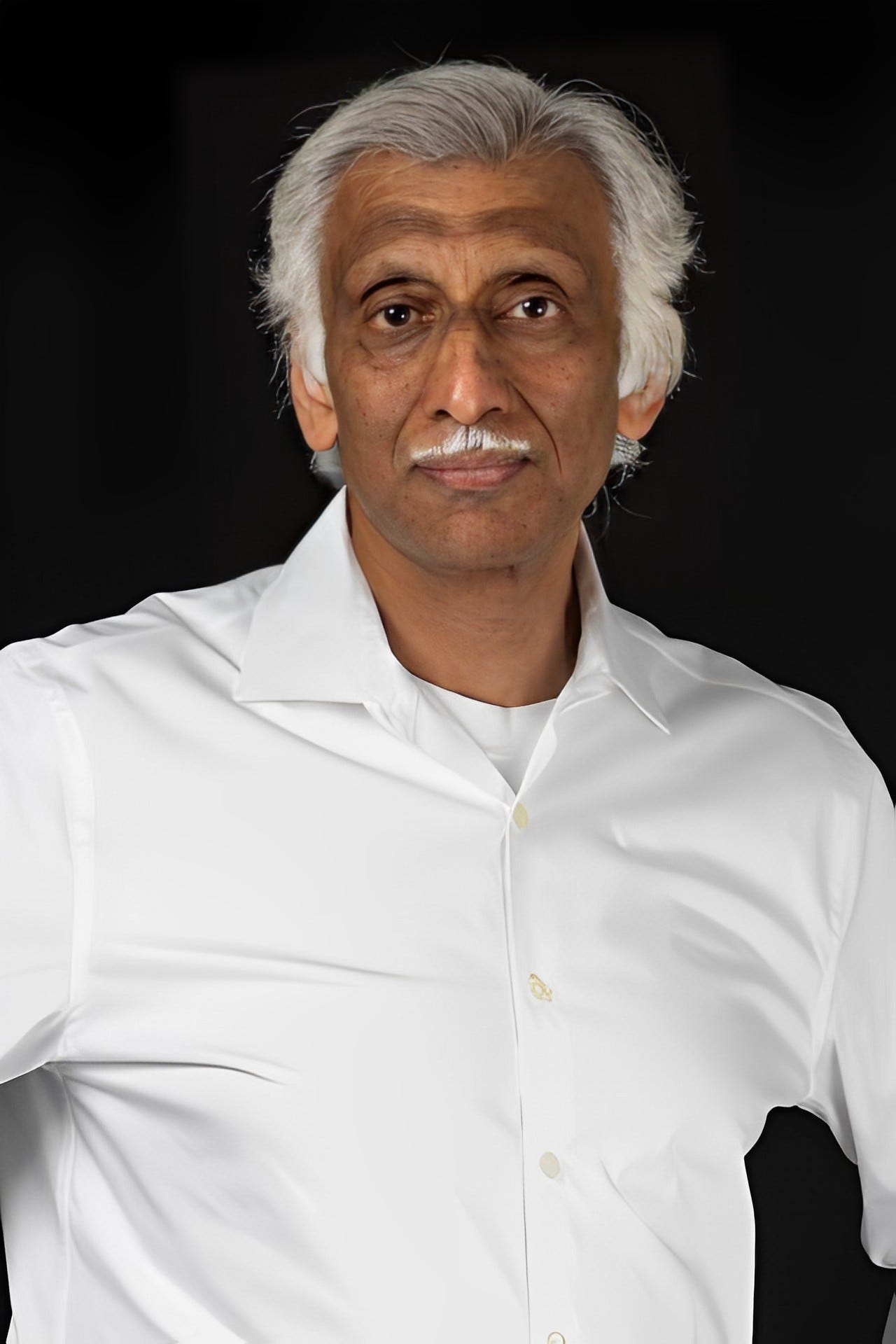
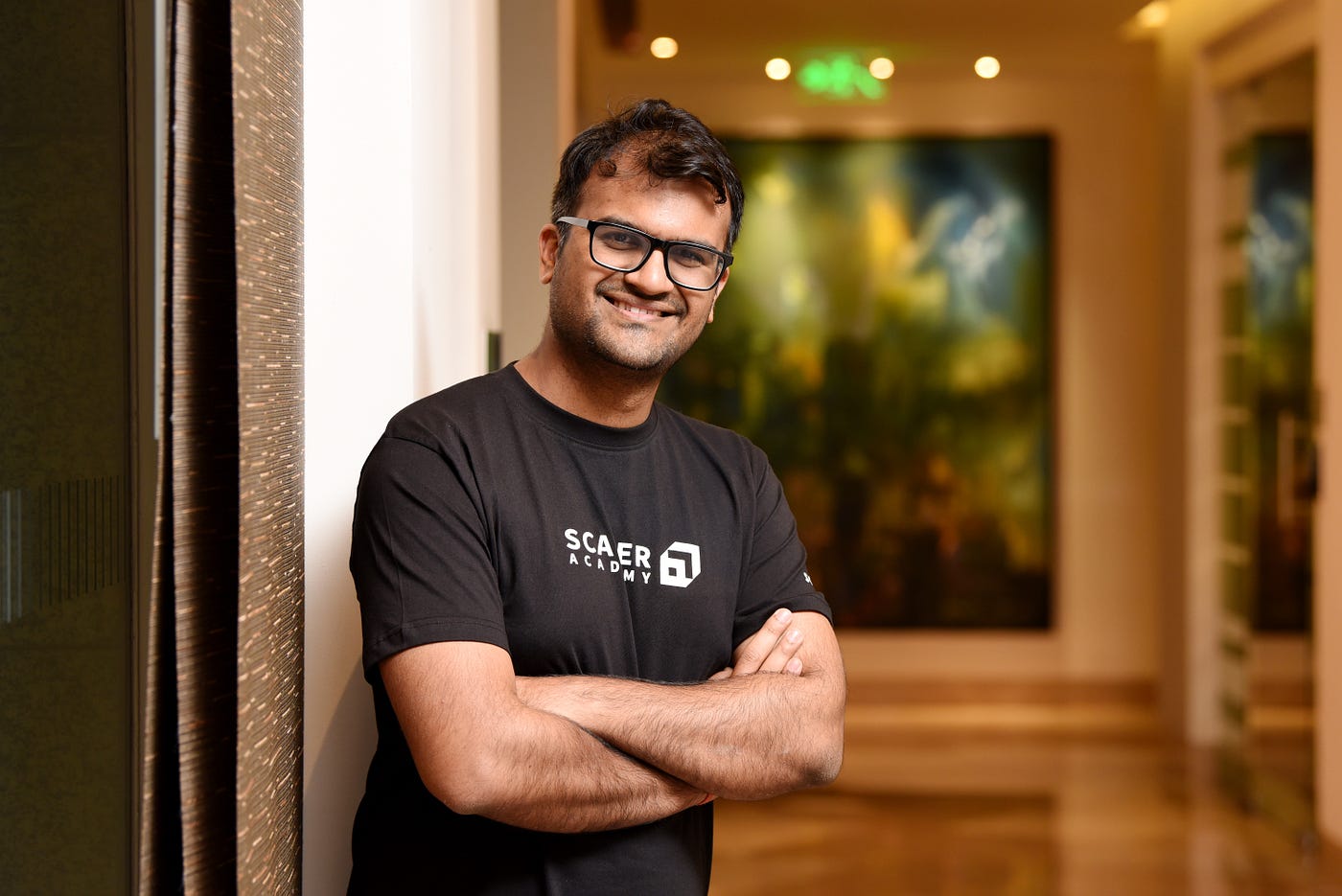
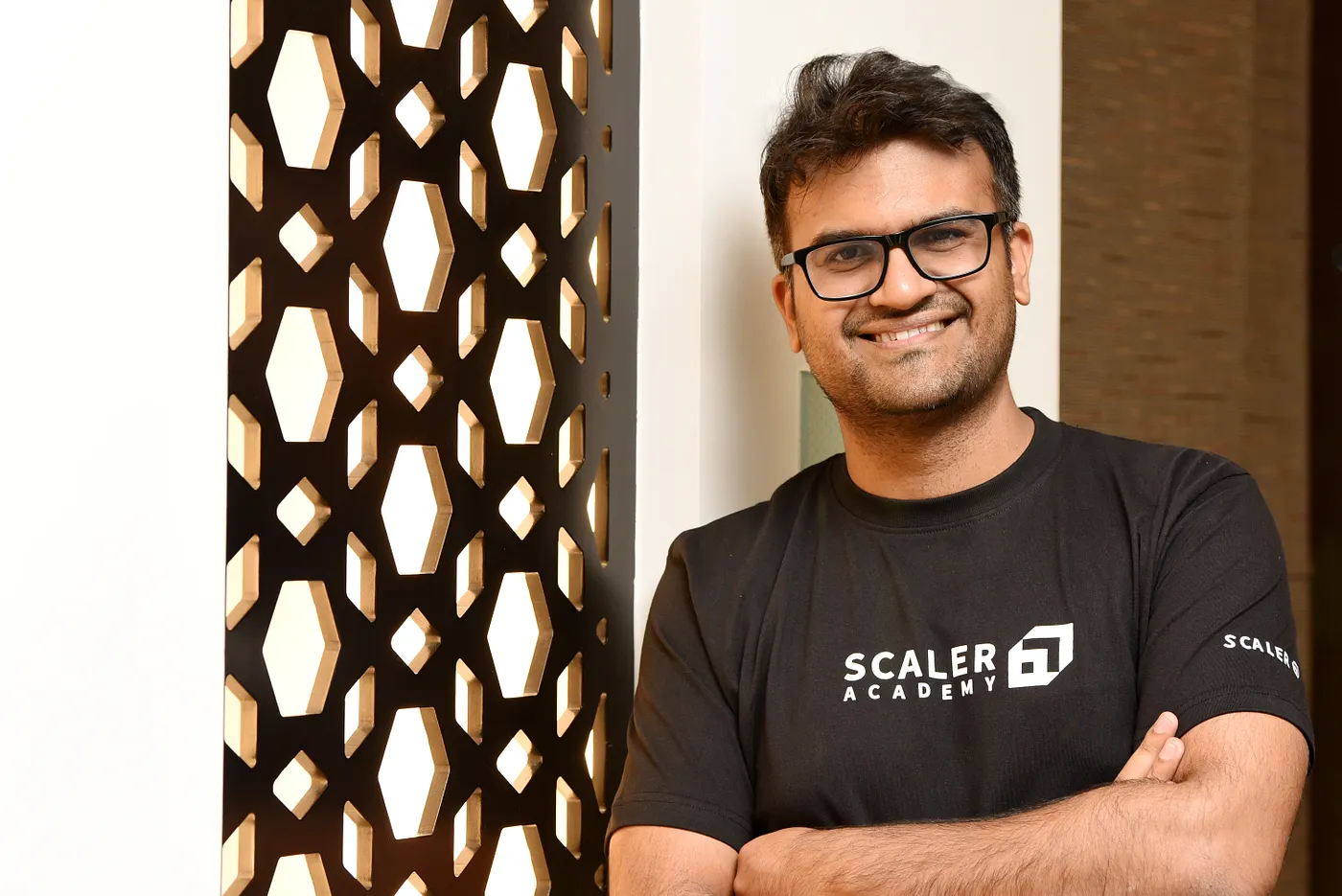
I had the pleasure of interviewing Anshuman Singh, Co-Founder, Scaler and InterviewBit.
Anshuman Singh is one of the co-founders at InterviewBit and Scaler. He started his career at Directi as a consultant helping them scale their CodeChef initiative. In 2010 he moved to the United States of America and joined Facebook. In the initial years of his association with Facebook, he was leading the development of critical features like messaging and chat. In 2013 he moved to London and helped Facebook establish a strong presence in the region. Along with site-building work, Anshuman was also actively involved in the technology recruitment efforts of Facebook London. Towards the end of 2014, he was ‘bitten by the entrepreneurship bug’. Along with his college friend Abhimanyu Saxena, he decided to turn his passion for programming and teaching into a career and launched InterviewBit in January 2015. His experience at Facebook made him realize that the vast majority of young software professionals don’t possess the requisite technical skills. And those who had the necessary skill sets were unable to scale up their careers because they didn’t have any exposure or reference point to navigate the, often complex, recruitment processes of global companies. Since its launch in 2015, Anshuman and the team have been able to build InterviewBit into one of the most popular skilling and tech recruitment companies in the country. In 2019, they successfully launched Scaler — an online career accelerator program — the next step in the evolution of InterviewBit.
An alumnus of IIIT — Hyderabad, Anshuman has represented the South Asia region in ACM ICPC World Finals twice.
Thank you so much for joining us in this interview series! Before we dive in, our readers would love to “get to know you” a bit better. Can you tell us a bit about your ‘backstory’ and how you got started?
I started my career with Facebook as an early member of the tech team. In the initial years, I was leading the development of critical features like messaging and chat. In 2013 I moved to London and helped Facebook establish a strong presence in the region. Along with site-building work, I was also actively involved in the technology recruitment efforts of Facebook London. I had to recruit new talent for projects, which turned out to be a tedious job. Even after screening hundreds of resumes and conducting interviews, we were only able to find the right talent in single digits. Almost 90% of the candidates we interviewed did not have the necessary tech skills that were required for the job. This was when I experienced the scarcity of skilled tech talent in the industry and realized the gap that exists between the university curriculum and the skills that are required to succeed as a software engineer. My co-founder Abhimanyu Saxena, who was one of the early tech leaders at Fab.com, had also faced the same challenge while recruiting talent for their rapidly growing tech team.
In 2015, together, we started InterviewBit as an online platform providing interview prep to aspirants to make them job-ready, thereby also addressing the challenge faced by recruiters in hiring the right talent for the job. Later in early 2019, we launched Scaler as a full-fledged upskilling platform for working professionals. At Scaler, the pedagogy of the courses has been created and structured basis interaction with recruiters and industry leaders (CXOs) as it helps understand what companies are looking for, in their employees, and we then train our learners with those skill sets accordingly.
What was the “Aha Moment” that led to the idea for your current company? Can you share that story with us?
During our time at InterviewBit, we engaged with about 100 people who had used our platform to help with their job interviews and eventually ended up securing employment opportunities with top tech companies like Uber, Amazon and others. In those conversations, we realized that all these people who had made such incredible career transitions had a sibling or cousin or friend who helped them prepare them for these opportunities with these large companies. The idea of ‘mentorship’ that is today our USP for the Scaler program came from that experience. We genuinely believe that was the turning point for us, leading to the launch of Scaler and the tremendous success of our programs. Institutions like Harvard, Stanford, etc., offer a similar version of the mentor experience through their communities of peers and alumni. Unfortunately, not everyone has the opportunity to get educated at such prestigious places. At Scaler, we connect our learners with professionals working in the tech industry and understand the nuances of how things work. Through their mentors, learners can grasp both interview skills and soft skills and career advice that allows them to make better decisions and carve a more sustainable career path for themselves.
Was there somebody in your life who inspired or helped you to start your journey with your business?
Our experience with Tech recruitment spurred the idea of InterviewBit, but Scaler was a lot more personal than that. My younger brother was an engineering student back in the day, and his experience at college, the outdated curriculum, and teaching practices were so glaring that we started contemplating the idea of Scaler. During that time, we were also engaging with Sequoia on possible funding opportunities. Shailendra Singh and Prateek Sharma of Sequoia Capital India along with their team were incredibly encouraging and helped us tremendously to develop the idea, turning it into a full-fledged business opportunity. We were fortunate to secure our seed funding through their Sequoia Surge program in early 2019. With their team’s help, we could launch Scaler in April of the same year. They have continued supporting our business by participating in our Series A&B funding rounds alongside Tiger Global and Lightrock India, advising us on how we can grow and scale effectively.
What do you think makes your company stand out? Can you share a story?
The impact we can make on the lives of our learners is something that motivates all of us at Scaler to be better and do better. So many young people with dreams and aspirations have trusted us with their futures. It is a lot of pressure but in a good way. For a vast majority of them, finding the right job and being paid better salaries can change their lives completely. So many of them come from such humble backgrounds and have struggled for years. To see them succeed and grow is very satisfying.
For instance, there was this one learner from Pune in India. His father used to have a small grocery store on the side of the street. They saved every penny to ensure they could educate their child and help him become an engineer. But unfortunately for them, the college curriculum in most educational institutes across the world is fairly outdated. Unless you study in an Ivy League college, it is even harder to see financial success. He joined Scaler, worked hard, upskilled himself and today works for Amazon. He has been able to buy a house for his family and give them a life they could never have imagined a few years ago. And there are so many like them, with different struggles — financial, mental, cultural — it is such a huge honor for us to be able to help them. These kinds of career and life outcomes we can help our learners with — that is our USP and differentiates us from everyone.
You are a successful business leader. Which three-character traits do you think were most instrumental to your success? Can you please share a story or example for each?
What has worked for us (Abhimanyu and me) has been the fundamental stuff. They sound easy but can sometimes be tricky to implement. Fortunately for us, we feel we have been able to set up a system that helps us stay on track. The three things we strongly focus on are -
- Ensuring we build an environment in a way that is a great place to work. This included focusing on setting up policies and a culture that allows our team members to flourish alongside us. We enable that by working with people that understand and can relate to our vision and mission. We hire judiciously by thoroughly vetting prospective people on their work skills, attitude, and personality, looking for a fit with the existing team. And once they are on board, we have created checks and balances that help us ensure they are on track with their work and goals. We are very flexible to allow people to move teams or projects if they find something else that fits their goals better. We also help them train and upskill while on the job if they need some help in that direction.
- Staying focused on building a great product that sells itself is one of the most significant objectives we chase daily, month on month. It is easier to lose sight of your goals or why you started something in the first place, especially with the daily rigmarole of running a business, making a profit, and keeping customers and investors happy. It is super important to ensure that your product is impeccable because it all comes down to that. We re-evaluate and innovate our offering regularly. It keeps us sane and the business going strong. We have taken on experiments here and there. Still, we have always ensured that we stay focused on the core product of building a great online tech varsity that allows working professionals to build solid and sustainable careers.
- Staying humble and connected to your customer is easier said than done. But that is also something we strongly believe helps us stay on track. Both Abhimanyu and I take classes for our learners. We engage with learners on calls and WhatsApp conversations, helping them with whatever they need and staying connected, so they feel a sense of belonging to the community. Most of our teams, irrespective of which department they work for, engage with learners regularly, ensuring we are at the top of things. We do that for our partner organizations as well, allowing us to better understand the industry’s requirements and evolve our offering to match the industry’s needs.
Often leaders are asked to share the best advice they received. But let’s reverse the question. Can you share a story about the advice you’ve received that you now wish you never followed?
When we started with InterviewBit in 2016, many people told us to take things slow and not run after funding or over-ambitious goals. That was also when the start-up ecosystem saw a lot of dynamic action in both the e-commerce and ride-hailing sectors, and things were quite unpredictable. So, we played it very safe and chose very humble targets. In hindsight, while the time we took to build the fundamentals of the business really helped us build a solid foundation for the company, we do feel we could have been a little more ambitious and set some audacious goals.
Can you tell us a story about the hard times that you faced when you first started your journey?
A year after we launched Scaler, the pandemic happened. We were growing steadily and had a lot of consumer interest, but the pandemic was a big damper to our momentum. As a platform that upskills people and helps them build their tech careers, the fact that a lot of organizations had halted their hiring or rescinded offers, it was tough to keep enrolling in learners when we weren’t sure if they would be able to find the right employment opportunities once the program was completed. We halted our intake for over five months. During that time, we doubled down on things that were in our control, such as focusing on the product, creating a better experience for learners on the platform, updating our curriculum, and building some additional services. It was a hard time, but fortunately, we could keep our heads down and stay focused on the end goal. Eventually, things settled down, and we could get back on track. The growth from thereon has been phenomenal. We grew 22X since April 2020.
The journey of an entrepreneur is never easy and is filled with challenges, failures, setbacks, as well as joys, thrills and celebrations. Can you share a few ideas or stories from your experience about how to successfully ride the emotional highs & lows of being a founder”?
The journey of a founder is not very different from any other person’s journey through life. There are highs and lows, what one must understand is that neither of them is permanent. It is a part and parcel of living. You have got to keep your head down and keep going. Being cautious, not wallowing in the misery of a failure is very important, being pragmatic and just getting the work done is key. What helps with that is a support system — friends, family, colleagues — basically a group of people that keep you grounded when things are going great and consequently, guide you when things are tough. ‘Nothing in life stays the same’ or ‘Change is the only constant’ — These are hard truths to come to terms with, but once you do, they really keep you walking the path.
Let’s imagine that a young founder comes to you and asks for your advice about whether venture capital or bootstrapping is best for them? What would you advise them? Can you kindly share a few things a founder should look at to determine if fundraising or bootstrapping is the right choice?
There is no right or wrong option here. The choice between bootstrapping and investor-backed financing relies on several factors — the kind of business they are doing, the financial condition of the founder, how much money they need to make it viable, etc. If the company is such that you will need to scale very fast, and the speed of growth decides whether you survive or die, then it makes sense to take help from venture funds with the right experience and money. First-time founders hardly ever have a large corpus they can use as they please. It also depends on whether the founder needs to make a significant investment upfront to set up operations or if the business is agile enough to get kick-started with limited initial capital. In the case of the latter, bootstrapping is the way to go. A lot of repeat entrepreneurs don’t raise early on in their subsequent businesses because they have a certain amount of funds available to them already. The idea is to strike a balance between the two depending on your requirement. There is a massive debate on ownership and stake between founders and VCs, but the simple metric is this — if you can do it without a lot of outside help — go for it. Otherwise, owning a small part of a successful venture makes more sense than not having a business at all.
Many startups are not successful, and some are very successful. From your experience or perspective, what are the main factors that distinguish successful startups from unsuccessful ones? If you can, please share a story or an example for each.
The most significant difference between successful and unsuccessful startups is their focus on long-term goals. Near-sightedness has led to a downfall for a lot of businesses. The mentality of ‘let us just survive this quarter and we will figure’ doesn’t work. While it is essential that every day/week/month, there are needles being moved, what makes a company become the Google, Apple, Amazon, or Netflix of their category is keeping your eye set on the very long-term vision/goal, often spanning over decades. If you take the example of Apple, in 2000, when mobile phones had just been launched, they were already considering building smartphones. They finally launched iPhone in late 2000 — around 2008 — and since then, they have continued to evaluate their strategy and innovate. Over a decade and a half later, they are still a leading brand in the smartphone industry. If you look at Airbnb also, they are a 14-year-old company. They have pivoted their business several times over the years and remain relevant. The two most significant factors, in my opinion, are long-term vision and continuous innovation.
What are the most common mistakes you have seen CEOs & founders make when they start a business? What can be done to avoid those errors?
Lack of clarity on the goals of the collective organization on the part of a founder/CEO is one of the most common errors I have seen being committed. The key to the success and survival of any organization depends on the leader’s skill of identifying the top priorities (of course, these need to be married to the long-term goal) for a certain period to ensure they make it.
The other usually is a lack of focus and alignment. Many people make the mistake of doing too many things at once, which leads to spreading themselves and their team too thin. While diversifying is good, it makes sense to do that once your core product/business is solid and stable. Look at organizations like Amazon and Google, they are into tons of different things, but this is now. When they started, they focused on one particular sector/industry — grew tenfold in those, established themselves and then started experimenting with other avenues that act as alternative profit centers. For example — Tesla is focusing on electric vehicles. It is not like they cannot or should not make regular cars with diesel or petrol engines — but they are focusing on creating their niche and building leadership and market share in that sector. We are also following a similar strategy for our business. We will continue to focus on the core tech space, helping techies be the best version of themselves, build solid careers and eventually become the future leaders of the tech industry.
Startup founders often work extremely long hours and it’s easy to burn the candle at both ends. What would you recommend to founders about how to best take care of their physical and mental wellness when starting a company?
Like fitness and many other things, being an entrepreneur is a lifestyle. It is not a stop-gap arrangement; you must be in it for the long haul. As they say, it is not a sprint but a marathon. You will need to maintain a certain pace to do it. It would be best if you built a lifestyle around your start-up ambitions as an entrepreneur. Just as you would take small water breaks to hydrate yourself in marathons, you must also do that as a start-up founder. Take small breaks throughout the day to keep yourself refreshed. And in those breaks, do whatever you usually do that makes you happy — reading, music, movies, swimming, running — anything. Finding a balance in the chaos is the key to making it work. The long-term vision and planning come in handy here as well.
If you could start a movement that would bring the most amount of good to the most amount of people, what would that be?
I think we already are a part of that through Scaler — we are working towards changing the way young working professionals scale their careers, building the next generation of global tech leaders.
We are blessed that some very prominent names in Business, VC funding, Sports, and Entertainment read this column. Is there a person in the world, or in the US with whom you would love to have a private breakfast or lunch, and why? He or she might just see this if we tag them.
Elon Musk. He has spoken about broken tech education and needing an overhaul on several occasions. Plus, Tesla and SpaceX are doing phenomenal work in the tech industry, and it would be great to get the opportunity to interact with him. Since we are solving the problem of tech education, it would also be useful to hear his two cents on what else we can do to make it better or if we could work with him in some way.
This was truly meaningful! Thank you so much for your time and for sharing your expertise!
AM
Written by
Authority Magazine Editorial Staff
Editorial Desk · Authority MagazineThe Authority Magazine Editorial Desk produces, verifies, and edits long-form primary-source interviews with executives, innovators, clinicians, creators, and social impact leaders across Business, Tech, Pop Culture, Wellness, and Social Impact.

Published inAuthority MagazineTop Lessons, Top Authorities · 42K Followers
Exclusive, curated interviews with the leaders and changemakers shaping tomorrow. Leadership lessons, industry deep dives, and executive profiles.