When I purchased my first stocks in 1997, I didn’t know what I was doing. At first, all I met were losses. It was frustrating and I wanted to learn more on how to prevent these losses.
Business
Andrea Unger of The Unger Academy and author of The: How Strategic Discipline and Step-by-Step Goal Setting Build Long-Term Trading Success
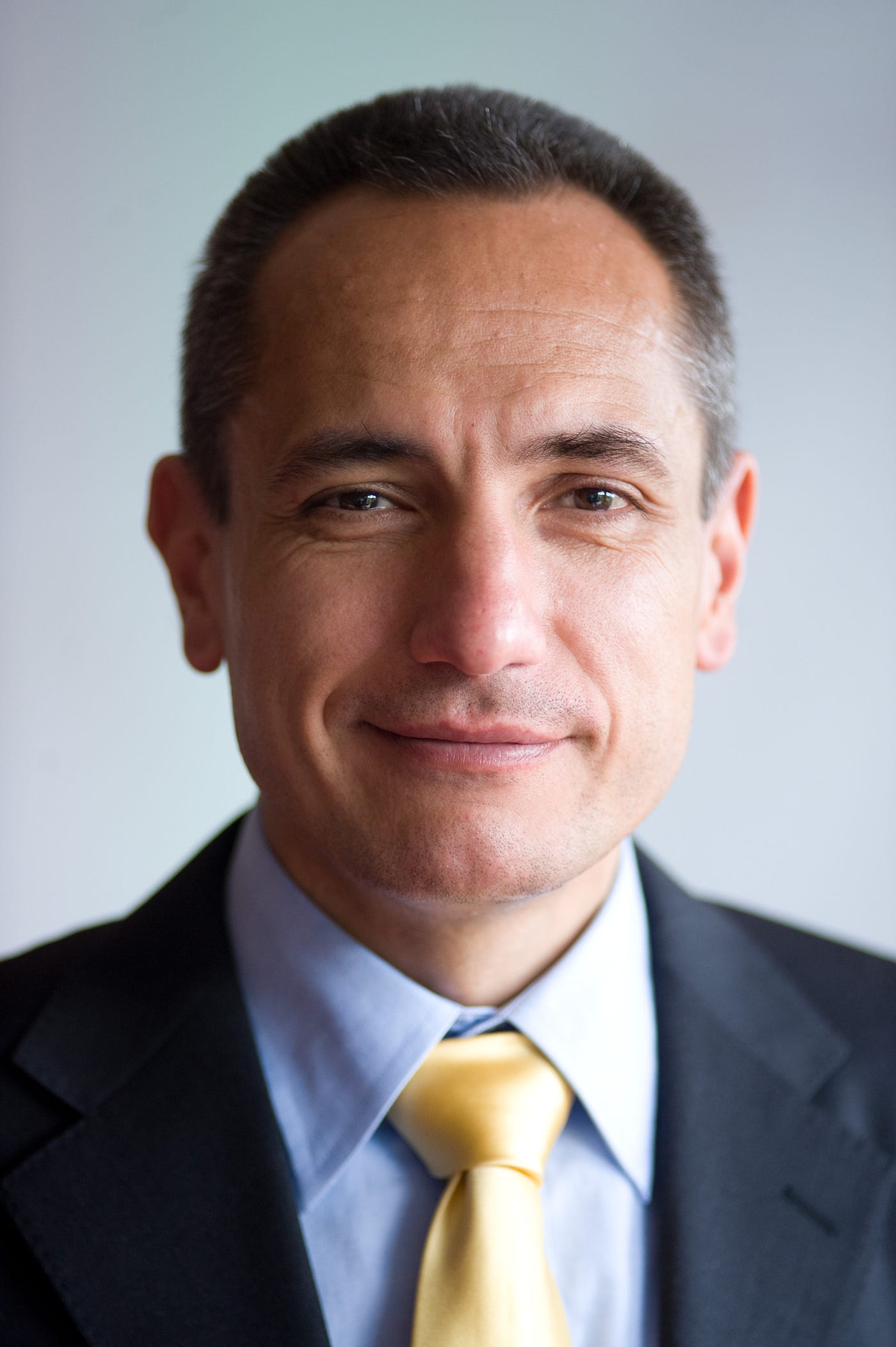
As a part of my series about the The 5 Essentials of Smart Investing, I had the pleasure of interviewing Andrea Unger.
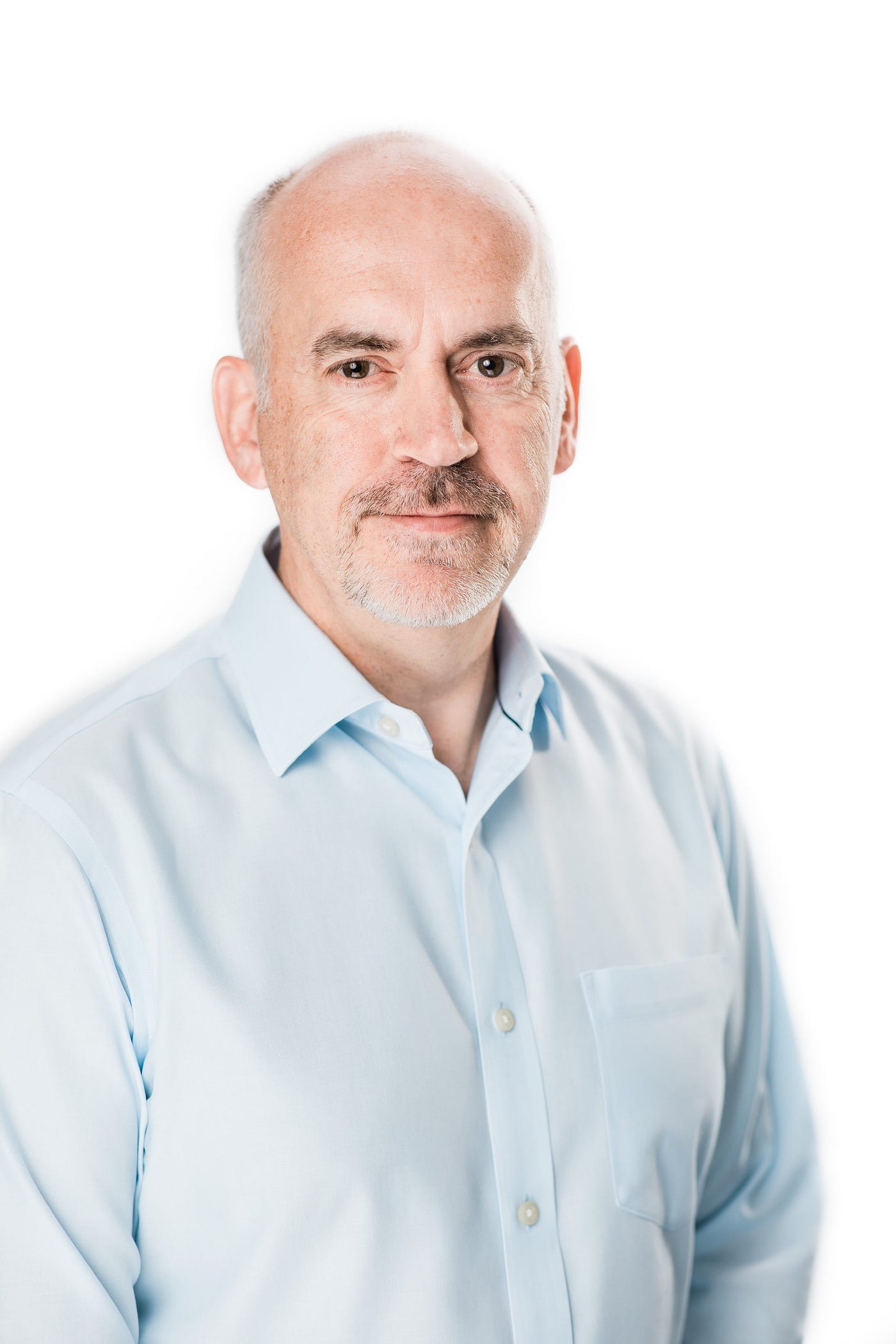
Andrea Unger is a full-time professional trader, President of The Unger Academy and author of The Unger Method. Andrea is the only Four-Time World Trading Champion (2008, 2009, 2010, and 2012), he’s an honorary member of SIAT (Italian Society of Technical Analysis, a branch of IFTA) and speaks throughout Europe, America, Australia and Asia. Connect with him on Facebook @AndreaUngerOfficial or Instagram @unger_academy.
Thank you for doing this with us! Our readers would like to learn a bit more about you. Can you tell us the “backstory” about what brought you to the finance industry?
I started out as a mechanical engineer, but I yearned for independent work. Too many factors at my job were just not dependent on my skills or choices. I couldn’t find any company where I liked how human resources were treated. I felt too often that companies saw numbers instead of people. At that time, I also had a deep desire to become an entrepreneur. That’s when I started working to make money in the financial markets.
When I purchased my first stocks in 1997, I didn’t know what I was doing. At first, all I met were losses. It was frustrating and I wanted to learn more on how to prevent these losses. I heard stories everyday where people made money and I thought, why not me too? I started studying the markets as much as I could. And eventually, I started making money. But I’m still here and I’m still learning all the time.
Can you share with our readers the most interesting or amusing story that occurred to you in your career so far? Can you share the lesson or take away you took out of that story?
I was completely ignorant when I got started. When I went to the bank to purchase my first stocks, the lady at the counter told me, “The stock is quoting $7.30, how much do you want to purchase?” And I said, “$7.30. If that’s what it costs.”
She had to explain to me how it worked. My level of ignorance was astonishing. Looking back, there were so many things that I did not understand.
Are you working on any exciting new projects now? How do you think that will help people?
We are always working on so many projects and I’m lucky to work with a great team who is trained to study and understand what is going on in the market. Currently we are working on crypto. Cryptocurrencies have been out there for a while, but only lately has there been the possibility to trade them using automated trading systems through Multicharts. When we started trading them, we discovered that our models fit very well with these markets. So it’s been a lot of fun trying different strategies and working in different directions. It’s definitely been our most thrilling project recently.
Ok. Thanks for all that. Let’s now jump to the main core of our interview. According to this report in Fortune, nearly two-thirds of Americans can’t pass a basic test of financial literacy. In your opinion or experience what is the cause of these unfortunate numbers?
Fortune says that Americans are the problem, but I have traveled all over the world and I can tell you that this problem is everywhere. There are too many people with no knowledge at all about how the financial world works. And the common denominator pulling all these people into the market is greed. It’s a compounding problem because along with greed, we have so many scams trying to take advantage of people.
People have a dream to find money growing on trees and obviously, that’s never going to happen. People need to be educated. It’s one of the reasons why I have started The Unger Academy. When we start, I don’t teach immediately about futures or cryptocurrencies, but rather the basics. We explore what the financial markets are, how they work, and what it is possible to expect.
Just looking at what the major markets in the world are doing is a great way for students to adjust their expectations. People need this education and there aren’t too many teachers out there who actually trade. Most of the people teaching how to trade dont themselves, and have no real idea how to do it. There are honest teachers, but there are so many scams out there. And of course, if you are taught by someone who has no experience in the market, you won’t get anything out of it.
If you want to become a medical doctor, you need an advanced degree. You need to prove you have the schooling and knowledge to do what you are going to do. This does not exist in the financial markets. If you could prove that you are really working in the markets and trading your money and clients, and you could demonstrate you have experience, it would help cut down on scams.
But given the nature of the business, I fear this is hard to achieve, which is why I got into the education field. I hope that people will realize what is useful and what is misleading in the markets as they get started.
If you had the power to make a change, what 3 things would you recommend to improve these numbers?
There are really just two things that can be done to be successful. First, education from when you are young. Then second, some type of required degree or certification. There is not much more to be done in a general way. There are even websites trying to warn people of scams, but they can’t necessarily be trusted either.
Ok, thank you! Now to the main question of our interview: You are a “finance insider”. If you had to advise your adult child about 5 non intuitive essentials for smart investing what would you say? Can you please give a story or an example for each.
- You need patience and you need to be driven. If you want to trade, the desire must come from inside and it must never be the dream of becoming rich. You must have a real passion to study the markets and apply what you learn. If you have passion, you will have the perseverance to ride the highs and lows of the markets. Without it, you’ll get discouraged.
- Set a clear goal and pave the way to it. It’s important to set a clear goal. I had a student who was aggressive and didn’t believe in the way we did things. As he learned more about me and how I work, he began to trust me. Still, I tried to keep him away from trading because I wasn’t sure it was the best choice for him, just psychologically speaking with his personality type. I wasn’t sure he would succeed.
I tried to keep him out of the school, as I didn’t want him to waste his money, but he still really wanted to do it. I couldn’t stop him. And I’m glad I wasn’t able to, because he surprised me. He set a step-by-step goal. He wanted to meet just one goal first, creating just one strategy. And guess what? He mastered it and he set another goal. He wanted to create a portfolio of strategies and this is what he is working on right now. He’s really doing well, but he had a clear goal. And he didn’t set another until he met the first one. - Remember, it’s far better to get rich slowly than poor quickly. People want to get rich very quick. But this makes them approach the markets with too much risk. It’s hard to be patient, but it takes time to build your wealth. Just look back at your family and life and think about the time it took to achieve everything you have. None of it happened overnight. Go step-by-step, and build your wealth slowly. If not, you could be ruined or end up with huge losses.
- Never underestimate your risk tolerance. Many years ago, I planned my equity growth and I planned to accept a 25% drawdown as part of my risk profile. To lose money is part of the game but analyzing good strategies ends up having winners at the end of the path and this often leads to neglect the drawdowns in the middle. When you are in the middle of a drawdown, you don’t know what will happen next. And seeing that loss makes you feel terrible. I was feeling very low when I ran an analysis. Turns out, my drop was 11%, far less than what I had thought I could withstand. The lesson here? Understand your risk tolerance, never overestimate it. It will come in handy during the lows.
- Don’t be an eternal student. It’s easy when you are planning to get really into the numbers in the development stage. Studying the markets is fascinating and you start feeling like you can plan your way to any success long-term. But it can also make you over hesitant to actually pull that trigger. If you never take that step and actually enter the markets, you’ll never experience the essence of investing. You have to take the step, risks and all, to become a professional trader.
None of us are able to achieve success without some help along the way. Is there a particular person who you are grateful towards who helped get you to where you are? Can you share a story about that?
Looking back over the course of my career, a friend of mine helped me at the very start understand the nature of trading systems. I always thought that they are complicated. But he showed me a very simple way to build trading systems to break out of a high or break out of a low and close out at the end of the day. It was a step-by-step way to automation and what I do everyday today with The Unger Method. Without him, I’d be way behind where I am now, or completely out of the trading world.
Can you please give us your favorite “Life Lesson Quote”? Can you share how that was relevant to you in your life?
Always stay humble. This is true for everything. Staying humble helps in relationships with people and with what you are doing. In trading it’s extremely important. It has helped me understand that good periods will always pass. When you are on a high, you start feeling like you are a superstar. If you don’t stay humble and realize it won’t last forever or it might just be luck, it’s easy to take unnecessary risks.
You are a person of great influence. If you could inspire a movement that would bring the most amount of good to the greatest amount of people, what would that be? You never know what your idea can trigger. :-)
If I could suggest a movement in the trading world, I would propose that every broker in the world could charge just one cent extra with each trade that could be used for good. The so-called “evil traders” could help someone who is more in need than those who are trading in the markets. One cent would not be an incredible amount of money, but putting it all together, it would be substantial. If anyone is listening, maybe they can start contacting all the brokers about this.
Thank you for the interview. We wish you continued success!
JH
Written by
Jason Hartman
Editor & Journalist · Authority MagazineJason Hartman is a senior columnist at Authority Magazine covering Business and Tech, conducting primary-source Q&A interviews with founders, executives, and industry leaders.

Published inAuthority MagazineTop Lessons, Top Authorities · 42K Followers
Exclusive, curated interviews with the leaders and changemakers shaping tomorrow. Leadership lessons, industry deep dives, and executive profiles.