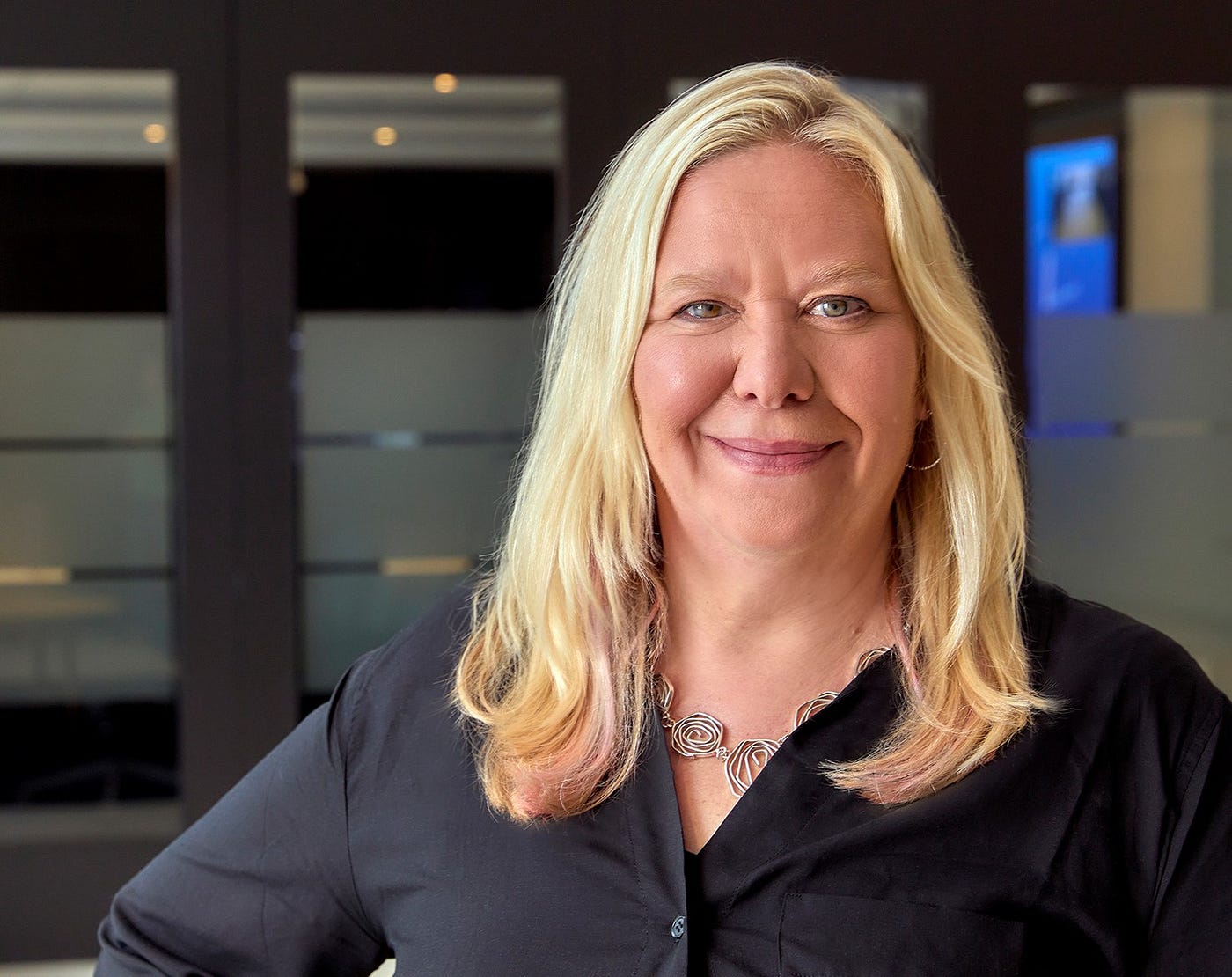
I don’t think many people purposely do this to the extent I do, or at least for the reasons I do it.
Business
Andra Mazur Smith of Niche on Embracing Discomfort, Rejecting Luck, and the Power of Representation in Leadership
The chief legal counsel at Niche discusses her transition from music business aspirations to high-growth tech, the value of elite education, and why seeking out discomfort drives true personal growth.
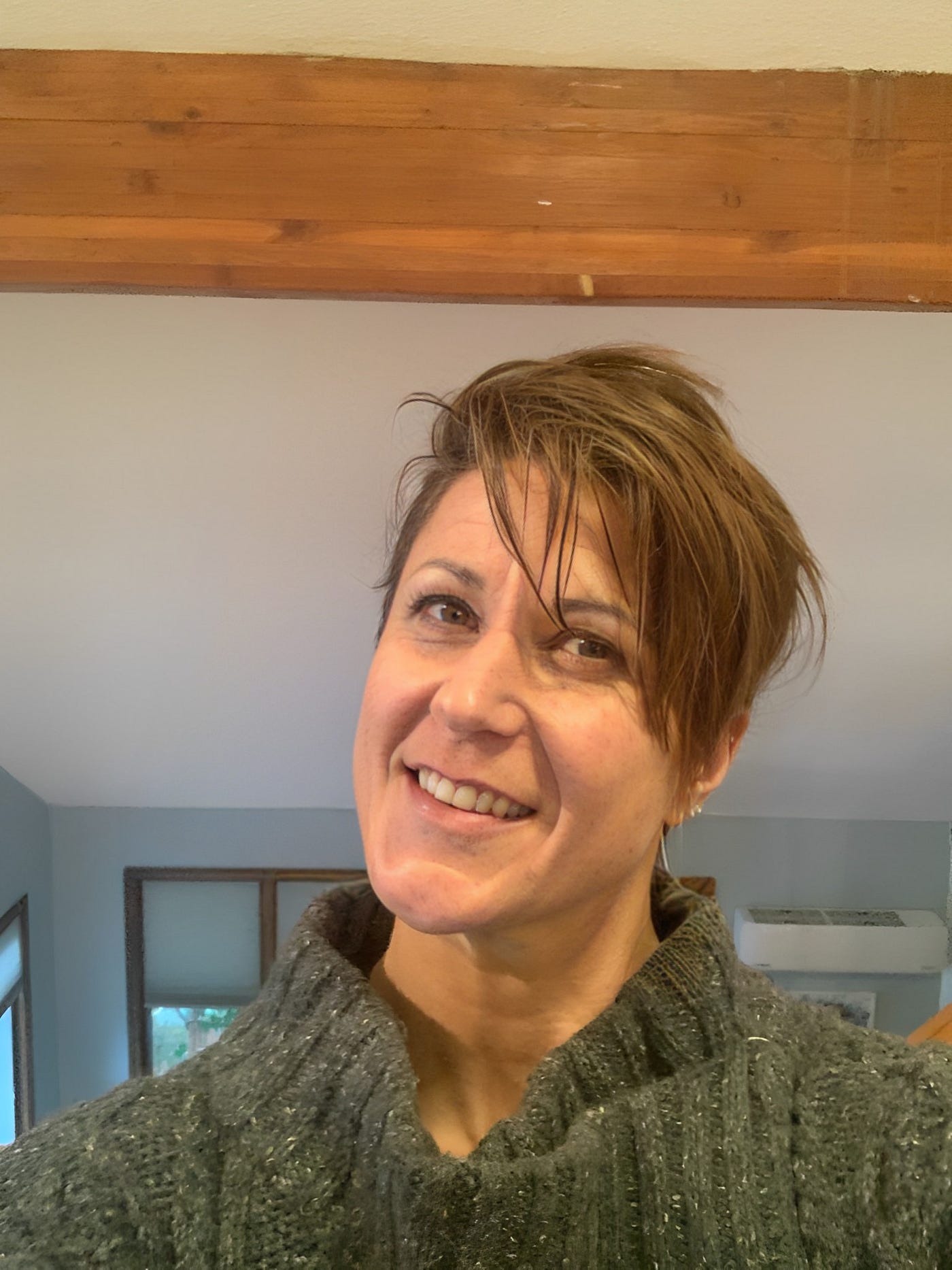
The legal field is known to be extremely competitive. Lawyers are often smart, ambitious, and highly educated. That being said, what does it take to stand out and become a “Top Lawyer” in your specific field of law? In this interview series called “5 Things You Need To Become A Top Lawyer In Your Specific Field of Law”, we are talking to top lawyers who share what it takes to excel and stand out in your industry.
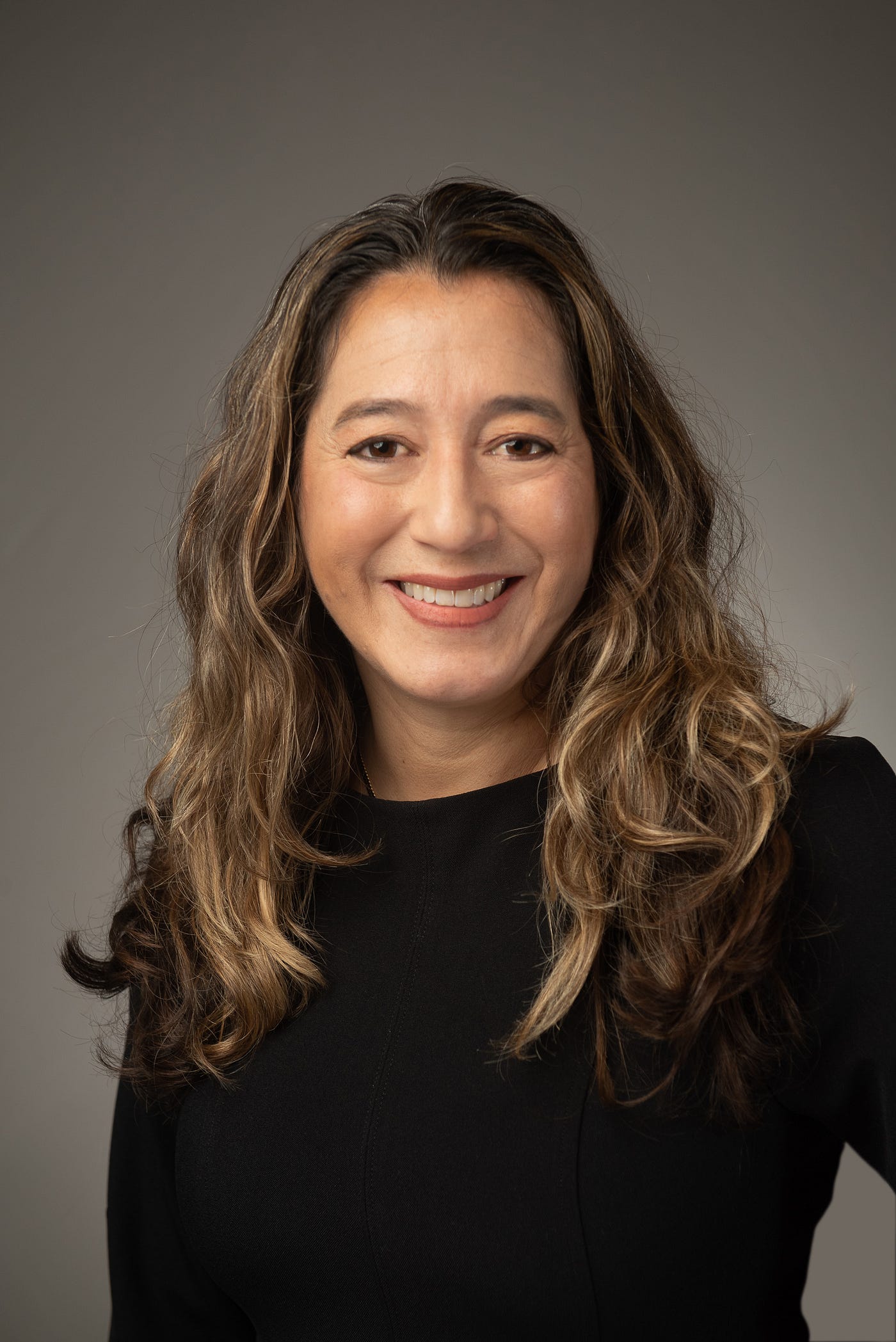
As a part of this interview series, I had the pleasure of interviewing Andra Mazur Smith.
Andra has established herself as a leading business-focused general counsel for various Internet, B2B and B2C SaaS organizations. Recognized as a 40 Under Forty award recipient by the Hartford Business Journal at the age of 30, she has since expanded her influence nationally and internationally in the entertainment, travel & leisure, and edtech industries. Andra also devotes a significant amount of time participating in pro-bono charitable endeavors related to nature conservancy and her 501(c)3, Runaway Grrrl Foundation, a scholarship charity with the mission of promoting self-sufficiency and financial independence for women through education.
Thank you so much for joining us in this interview series. Before we dig in, our readers would love to get to know you a bit more. What is the “backstory” that brought you to this particular career path in Law? Did you want to be an attorney “when you grew up”?
Ha — no! I majored in Music Business because I envisioned myself working in the music industry in marketing or finance, but that was right around when Napster, the downloadable music platform, was shaking things up in the industry and all the record labels were struggling. It was then that I saw that a career in entertainment or travel & leisure law might be a bit more my speed.
Can you tell us a bit about the nature of your practice and what you focus on?
I have predominantly worked for B2B SaaS, internet marketing, and advertising companies in the entertainment and travel & leisure industries. But in my current role I’m the chief legal counsel for a growth-stage edtech company called Niche. With comprehensive profiles on every school and college in America, Niche helps students and families find their right-fit schools, and its mission aligned with my personal passions and charitable endeavors.
You are a successful attorney. Which three character traits do you think were most instrumental to your success?
Resilience, discipline, and a strong central locus of control.
What unique qualities do you have that others may not? Can you please share a story or example for each?
I purposely seek out activities, work, sports and hobbies that make me uncomfortable. Whether completing an Ironman while serving as the General Counsel of a fast-growth tech company, running the R2R trail at the Grand Canyon in a day as part of my “R&R,” doing cold plunges in the lake throughout all New England seasons, or taking on stretch projects at my job that fall well outside my core competencies, I truly believe that people grow and become better humans when they seek out discomfort, overcome it, and realize they are stronger than they think. Enduring discomfort is also a humbling experience which builds empathy and compassion by enabling a person to internalize the truth that the human condition of suffering is universal.
I don’t think many people purposely do this to the extent I do, or at least for the reasons I do it. My short expression for this quality is attempting to reach full potential by being “harder to kill and easier to love.”
Do you think you have had luck in your success? Can you explain what you mean?
No, I’ve had privilege, but not luck. I work extremely hard and am extremely driven. I have made a lot of sacrifices by choosing what I value most in my life, and then I focus on those priorities with a high level of commitment. That being said, I had parents who prioritized education, I grew up in a place where going to college was almost a given, and I was simply born into all of that. So, in that sense, privilege is a bit of luck.
Do you think where you went to school has any bearing on your success? How important is it for a lawyer to go to a top-tier school?
Yes, without a doubt it did. Every single one of my hiring supervisors has commented on my education as a measure of intelligence. But it’s not just about getting into the schools — being a high performer at those schools was also critical. It is the one piece of advice I give to folks considering going to law school: go to the best school you can get into, and it should be top-tier if you are focused on a return on your investment in obtaining a law degree. This depends on their goals as an attorney, of course.
Based on the lessons you have learned from your experience, if you could go back in time and speak to your twenty-year-old self, what would you say? Would you do anything differently?
I’d tell her not to worry so much about grades, and to have a little fun. I had a very different college and law school experience than what I hear from other colleagues. I was so focused on achieving good grades and having part-time jobs to support myself that I studied, worked, exercised, and really didn’t engage in too many social activities. I missed a big part of the higher education experience by being so driven.
This is not easy work. What is your primary motivation and drive behind the work that you do?
One word: Representation. It’s my driving force — I want to show young women what it looks like to be the top attorney at various high-growth, very successful businesses. If they can see me do it, they can see themselves in this same role. If more women are leading legal teams and business teams at the end of my career, my deepest career mission will have been achieved.
What are some of the most interesting or exciting projects you are working on now?
Niche is such an amazing platform. Imagine influencing someone’s most foundational life decision — it’s big stuff. Where you go to school truly shapes the rest of your life: from what you do for a career, to where you live, and even who you might meet as a partner in life. So much of who a person becomes stems from the educational experiences they have, which is why Niche’s work to help match students and their families with the best school for them is so important. It’s powerful stuff.
Where do you go from here? Where do you aim to be in the next chapter of your career?
Great question! I recently was chatting with one of my good friends, a very successful businesswoman in her own right, and we were pondering the question, “what brings meaning to our careers.” For me, I am still in my growth-phase where I want to take on more stretch projects and roles. Mentoring folks who are earlier in their careers is still very important to me as well, so I think I will always be seeking out opportunities to support the career development of others as well, both in my current and future chapters.
Without sharing anything confidential, can you please share your most successful “war story”? Can you share the funniest?
I had the privilege of working with an excellent team of attorneys during a significant lawsuit many years back. We worked such long, hard hours and really developed such a great rapport. We could joke and laugh but still be singularly focused on winning the lawsuit (which we did). I actually had to serve as a witness at trial, and one of the lead outside counsels looked at me and said “you’re up — don’t ‘F’ it up” with a wink. What a great way to make me smile and cut the tension. To this day, anytime I have to undertake a stressful endeavor, I think of that jocular expression, and it brings me down a notch.
Ok, fantastic. Let’s now shift to discussing some advice for aspiring lawyers. Do you work remotely? Onsite? Or Hybrid? What do you think will be the future of how law offices operate? What do you prefer? Can you please explain what you mean?
I work remotely, but I travel once or twice a month for in-person time. This balance is great 20 years into a career because it gives me the flexibility to work comfortably from my home, but also balances the energizing vibe of “together time.”
While I love my current situation, I don’t think it would have been right for me early on in my career when you have many more of those quick, real-time questions. I also have concerns about younger attorneys working at law firms in a fully remote scenario. As in-house counsel, I’m hiring those attorneys to do work for my company. I want to make sure those younger attorneys have access to their law firm partners to learn and grow. From what I hear from those partners, it just isn’t possible at the level they were able to provide when folks were in-person.
How has the legal world changed since COVID? How do you think it might change in the near future? Can you explain what you mean?
The shift to remote offices was the largest change; however, most legal work was always done “remotely” (not face-to-face), so the heads-down work hasn’t changed dramatically, from my experience.
Based on your experience, how can attorneys effectively leverage social media to build their practice?
I am probably the wrong person to answer this. I am not on Facebook, Twitter, TikTok or any social media platform except LinkedIn. And I only use LinkedIn to keep up with my colleagues’ and former colleagues’ careers. I love congratulating people when they are hitting their strides in their careers. It really brings me joy, but I don’t know that this really is leveraging social media in any way for brand-building or networking. It’s simply trying to show folks that career achievement is meaningful and important.
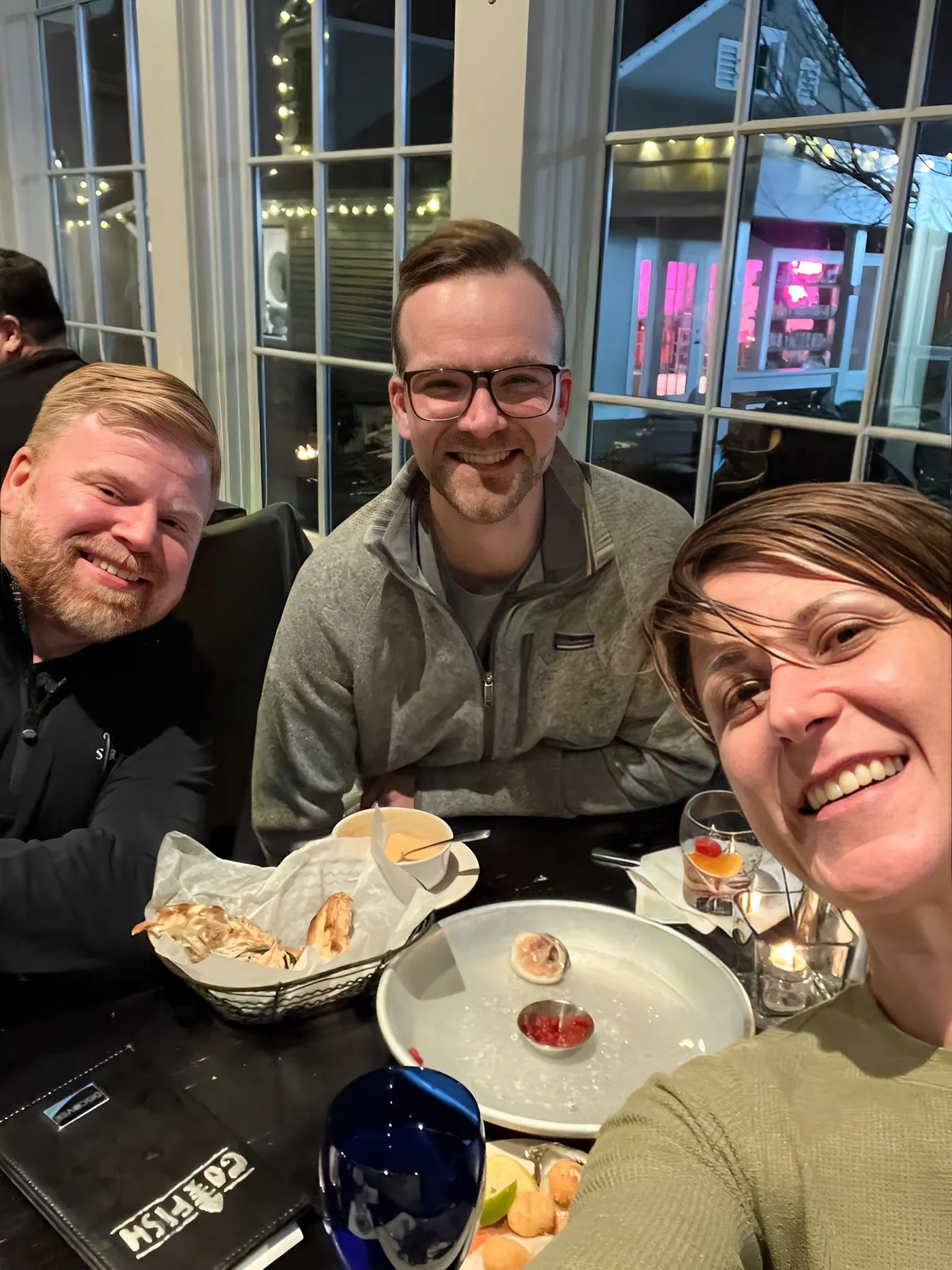
Excellent. Here is the main question of our interview. What are your “5 Things You Need To Become A Top Lawyer In Your Specific Field of Law?” Please share a story or an example for each.
- Resilience — I cannot tell you how many times I’ve been told “no,” have been rejected or made a mistake. I don’t think this is unique to the legal field, but in any career, the true secret to success is being able to fail, get up, dust yourself off and keep pushing forward.
- Discipline — You must be able to do hard work, and lots of it, day in and day out. Having a sense of urgency, doing the most difficult things early in your day without procrastination, and sticking to your deadlines and commitments is critical to success as an attorney.
- A strong central locus of control — we are the masters of our own destiny. Being able to internalize that by taking ownership of your decisions, priorities and actions really gives you a confidence that cannot be snuffed out, even throughout the many difficulties that your career (and life) will throw at you.
- Integrity — Doing the right thing when no one is watching is a baseline, but doing the right thing when it isn’t popular and you are being questioned about it is a true challenge. However, as attorneys, this is a mandatory skill and character trait to develop. We must have the courage to speak up when we see or feel something that isn’t right.
- A love for the work and, even better, the people you work with — Work can just be a four-letter word, but not if you really lean in and invest in the mission, the people you impact and your own growth. You can just collect a check, or you can use each career move to grow yourself into the person you want to be.
We are very blessed that some of the biggest names in Business, VC funding, Sports, and Entertainment read this column. Is there a person in the world, or in the US with whom you would love to have a private breakfast or lunch, and why? He or she might see this. :-)
Serena Williams — she is a true GOAT. I’m so impressed by her journey as the best tennis player of all time into a venture capitalist with a focus on underrepresented founders. She has endured a lot of discomfort in her life, her sports career and in society overall, so she proves my philosophy — I believe it has made her a stronger, more well-rounded human. Harder to kill, easier to love.
This was very inspiring. Thank you so much for the time you spent with this. We wish you continued success and good health!
About the Interviewer: Eric L. Pines is a nationally recognized federal employment lawyer, mediator, and attorney business coach. He represents federal employees and acts as in-house counsel for over fifty thousand federal employees through his work as a federal employee labor union representative. A formal federal employee himself, Mr. Pines began his federal employment law career as in-house counsel for AFGE Local 1923 which is in Social Security Administration’s headquarters and is the largest federal union local in the world. He presently serves as AFGE 1923’s Chief Counsel as well as in-house counsel for all FEMA bargaining unit employees and numerous Department of Defense and Veteran Affairs unions.
While he and his firm specialize in representing federal employees from all federal agencies and in reference to virtually all federal employee matters, his firm has placed special attention on representing Veteran Affairs doctors and nurses hired under the authority of Title. He and his firm have a particular passion in representing disabled federal employees with their requests for medical and religious reasonable accommodations when those accommodations are warranted under the Rehabilitation Act of 1973 (ADA). He also represents them with their requests for Federal Employee Disability Retirement (OPM) when an accommodation would not be possible.
Mr. Pines has also served as a mediator for numerous federal agencies including serving a year as the Library of Congress’ in-house EEO Mediator. He has also served as an expert witness in federal court for federal employee matters. He has also worked as an EEO technical writer drafting hundreds of Final Agency Decisions for the federal sector.
Mr. Pines’ firm is headquartered in Houston, Texas and has offices in Baltimore, Maryland and Atlanta, Georgia. His first passion is his wife and five children. He plays classical and rock guitar and enjoys playing ice hockey, running, and biking. Please visit his websites at www.pinesfederal.com and www.toughinjurylawyers.com. He can also be reached at eric@pinesfederal.com.
EL
Written by
Eric L. Pines
Executive Contributor · Authority MagazineEric L. Pines is an executive interviewer and contributor covering leadership, culture, and business for Authority Magazine.

Published inAuthority MagazineTop Lessons, Top Authorities · 42K Followers
Exclusive, curated interviews with the leaders and changemakers shaping tomorrow. Leadership lessons, industry deep dives, and executive profiles.