When you have lived that reality, you never forget what a children’s hospital means to a family, and you never stop wanting to make it stronger.
In an era where social and environmental challenges are increasingly pressing, certain organizations stand out for their bold and innovative approaches to creating meaningful impact. These trailblazing organizations are not just meeting the status quo but are setting new standards for what can be achieved through dedicated, impact-focused programs. What does it take to pioneer such transformative initiatives, and what can others learn from their successes? I had the pleasure of interviewing Aimee J. Daily, Ph.D.
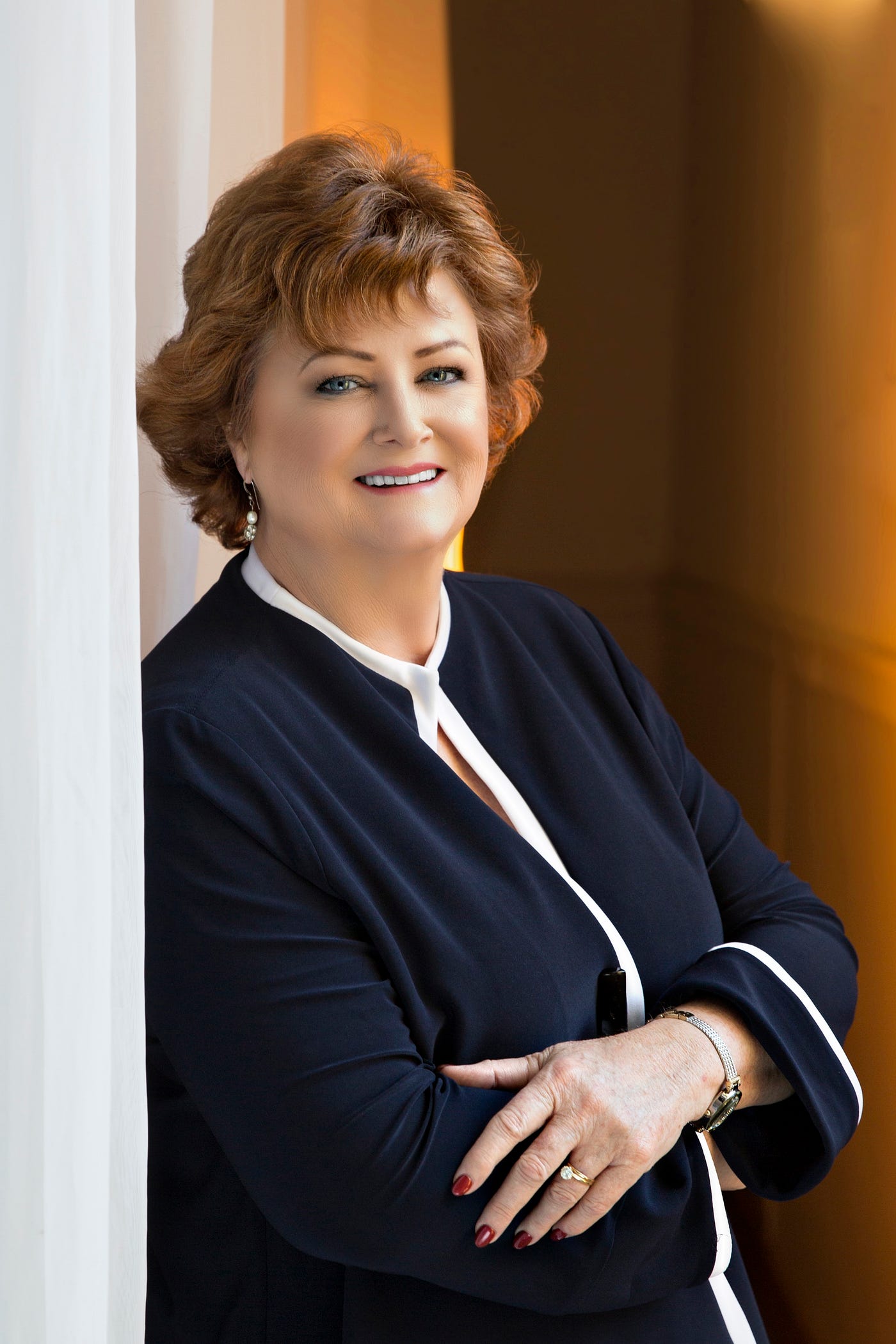
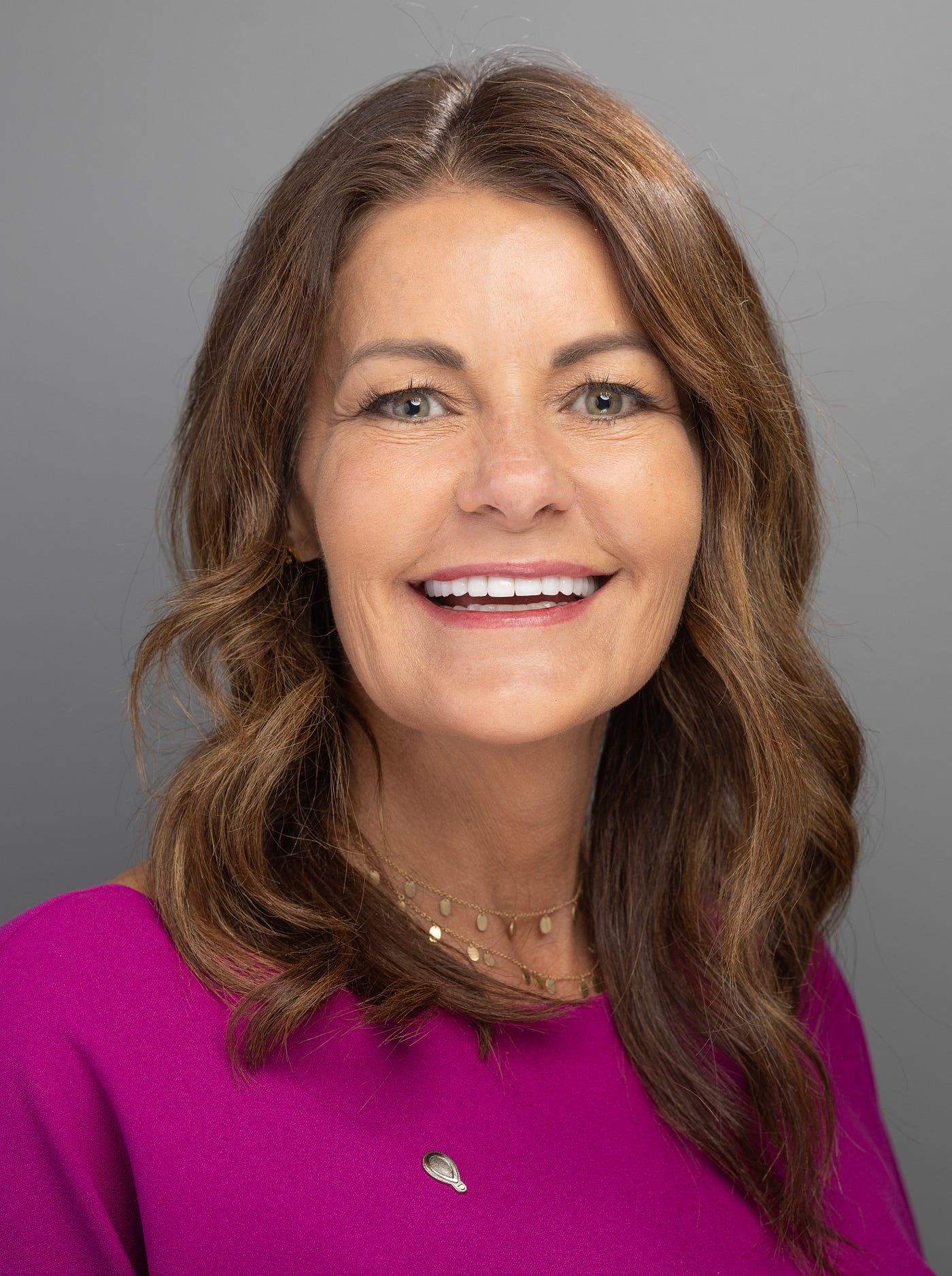
Aimee J. Daily, Ph.D., has served as President and CEO of Children’s Miracle Network since November 2023, bringing more than 20 years of executive leadership in healthcare, organizational development, and transformation. She earned her Ph.D. from Benedictine University and has built a career helping teams strengthen culture, leadership, and performance while keeping patients and families at the center. Daily’s connection to children’s hospitals is deeply personal, as both of her children were born prematurely and spent months in the NICU, experiences that shaped her commitment to improving children’s health in every community.
Thank you so much for doing this with us! Our readers would love to get to know you a bit better. Can you share a bit about your background and what has led you to your current role?
Absolutely, and thank you for having me. I started my career on the people and transformation side of healthcare, and for more than two decades I worked inside a health system as an educator, organizational development leader, and transformation officer. I spent those years focused on a simple idea: when you help leaders lead well and teams work well together, you improve the experience for patients, families, and staff.
Stepping into this CEO role was the intersection of everything I care about, mission, impact, and the chance to bring people together around something bigger than themselves. It also felt personal. Both of my kids were born prematurely and spent months in the NICU. They are adults now, and they are my miracles. When you have lived that reality, you never forget what a children’s hospital means to a family, and you never stop wanting to make it stronger.
What inspired you to start or join your organization, and what is its core mission?
Children’s Miracle Network exists to bring people together to raise funds and awareness for children’s healthcare in local communities. I was drawn to this work because it is both highly human and highly measurable. We get to rally families, corporate partners, donors, students, gamers, golfers, credit unions, and so many others around one shared purpose, and the result is real support that stays local and helps kids get the care they need.
I joined because the mission is urgent, and because the model works. When people come together with generosity and creativity, children’s hospitals can make big change for all kids.
Could you tell us about your journey in the industry and any significant experiences that have shaped your approach to impact-focused programs?
My journey has taught me that impact is never accidental. It is designed. It is led. It is measured. And it is sustained through culture.
I spent years helping navigate change, whether that was improving quality and safety, strengthening leadership capability, aligning strategy, or building high-trust teams. That work shaped how I lead today. I believe in setting a clear direction, doing the hard work to bring people along, and building systems that make the right thing easier to do. I also believe you can be both warm and demanding. We can lead with heart and still hold ourselves accountable to outcomes, because kids and families deserve excellence, not good intentions.
And personally, being a parent who has lived in a children’s hospital changes how you see everything. You stop thinking in abstractions and start thinking in bedside moments. That perspective keeps me grounded.
Can you describe your company's mission? Does your organization solve societal problems? If so, tell us how. What customer problems are you solving?
Our mission is to bring people together to raise money for children’s healthcare in local communities.
Yes, we are addressing a big societal problem: children’s access to the care they need to survive and thrive. Children’s hospitals serve kids with the most complex medical needs, and families are often navigating fear, financial stress, and uncertainty all at once. The “customer problem” we solve is helping children’s hospitals do more for kids by funding critical needs, supporting innovation, expanding access, and strengthening the programs and services families rely on.
We also solve a different kind of problem for partners and communities. People want to make a difference, but they want to know their effort matters. We create meaningful, trusted ways to give, engage, and see impact.
Do you have a big hairy audacious goal for your organization and its impact on the planet?
We do. We launched our Health for All Kids Impact Pledge, a commitment to raise $1 billion in two years for children’s hospitals across the U.S. and Canada. It is ambitious, and that is intentional, because the need is urgent.
In 2024, our collective effort helped generate a historic total of more than $464 million. That is the power of community, partners, and local hospital impact working together. Since our founding in 1983, we have raised nearly $10 billion, and I am proud of that legacy. At the same time, we cannot wait decades to reach or next level of impact. The Impact Pledge is our way of challenging ourselves to move faster, think bigger, and invite more people into the mission.
Can you describe one of the most audacious impact-focused programs your organization has pioneered? What was the inspiration behind it?
The Health for All Kids Impact Pledge is one of the most audacious programs we have put forward recently because it is both a bold goal and a rallying cry. The inspiration came from listening to hospitals, families, and partners and recognizing a truth we cannot ignore: the demand for children’s healthcare is growing, the complexity of care is increasing, and families need us to rise to the moment.
The Pledge also reflects a leadership belief I hold strongly. If the mission is big, the goal should be big enough to change what is possible. It is not just about fundraising. It is about momentum, visibility, community pride, and creating a stronger future for kids.
What were the biggest challenges you faced while developing and implementing this program, and how did you overcome them?
When you set an audacious goal, the challenge is not just the number. The challenge is alignment, trust, and clarity at scale. We are a network, and that is our strength, but it also means we need to communicate exceptionally well so people understand the “why,” the “how,” and what it means for them.
If I could do one thing differently, I would slow down just enough to bring even more people along earlier in the process. Big wins land better when everyone understands the purpose before the big moment arrives. We leaned into strong change management, built a guiding coalition, and listened closely as feedback came in. We adjusted, clarified, and kept the focus where it belongs: on raising more money for kids and families.
Tell us how your program has been received by customers. What struggles have you had generating customer interest? Please share what successes you've had with customers.
The reception has been energizing. Hospitals, partners, and communities want something they can rally around, and the Impact Pledge gives us a clear, shared aim. As we have traveled and activated in different hospital markets, we have seen how powerful it is when local impact is put front and center. People want to know their community is part of something bigger, and they also want to see the difference their support makes locally.
The main challenge is attention. There are many urgent causes in the world, and families and partners are being asked to care about a lot at once. We overcome that by telling the truth with clarity and hope. We show what children’s hospitals do, we elevate real stories, and we make it easy for people to engage through partners and programs that fit their lives.
Our success has come from meeting people where they are, honoring local pride, and building long-term partnerships that grow over time.
How do you measure the customer success, business success and impact of your programs? Can you share any specific metrics or outcomes?
We measure success in layers.
First, we track the most direct business outcome: dollars raised, partner growth, program participation, and campaign performance. Those metrics matter because they fund impact.
Second, we measure network and customer health: hospital engagement, partner satisfaction, renewal rates, program consistency, and whether our teams and tools are making it easier for hospitals and partners to succeed.
Third, and most importantly, we focus on impact measures that tell the story of real outcomes, which can include access to care, services expanded, equipment funded, and family support strengthened. Some of those are captured through hospital reporting and impact narratives rather than one universal metric, because each children’s hospital has unique community needs.
My philosophy is simple: measure what matters, use the data to learn, and never let metrics replace the human story. You need both.
How do you ensure that your programs are sustainable and scalable over the long term?
Sustainability comes from structure and relationships.
We build programs that can be repeated and strengthened year after year, not just one-time moments. That means clear playbooks, shared standards, consistent storytelling, and strong operational support for hospitals and partners. It also means investing in relationships, because scalable impact is built on trust.
We also stay focused. Not every good idea is the right idea. We prioritize the programs that align with our mission, create impact for children’s healthcare, and make it easier for partners and communities to show up consistently in support of our mission.
What are your "5 Things You Need To Bring An Audacious Idea to Fruition”? If you can, please share a story or example for each.
1. A “why” that is specific and human.
When the goal is audacious, people need to feel it, not just understand it. For us, the “why” is not abstract. It is families in the NICU, kids in treatment, parents trying to hold it together, and care teams doing extraordinary work. That clarity turns a big goal into a personal mission.
2. A coalition, not a solo act.
Big impact is never a one-person accomplishment. When we launched our Impact Pledge, we leaned on a coalition across hospitals, partners, and internal teams. The goal only becomes real when people across the network see themselves in it and help shape it.
3. Discipline and measurement, even when the work is emotional.
We pair inspiration with clear plans, milestones, and metrics. In healthcare, I learned that what gets measured gets improved. That same discipline applies here, especially when we are asking people to aim higher and move faster.
4. The courage to iterate in public.
Audacious work rarely arrives perfect. You learn, you listen, you adjust, and you keep moving. We have had moments where feedback helped us tighten our messaging or clarify how the work connects to local impact. Iteration is not failure, it is leadership.
5. A culture that can carry the weight of the goal.
If the culture is not healthy, the goal will burn people out. I focus heavily on how we lead, how we communicate, and how we support one another through change. You can set an ambitious target and still lead with care, clarity, and accountability. In my experience, that is what makes momentum sustainable.
VIDEO: https://youtu.be/yi83AUxcrxc
What piece of advice would you give to other organizations looking to pioneer their own impact-focused programs?
Be clear about the problem you are solving, who you serve, and what success looks like. Then build a plan that matches the ambition. Invest in trust and communication earlier than you think you need to. And do not underestimate the power of consistency. Big impact is often the result of doing the right things, repeatedly, with excellence.
Also, remember this: people want to be part of something meaningful. If you invite them in with purpose and respect, they will surprise you with their generosity and creativity.
Can you share a story of someone who has inspired you in your journey?
The people who inspire me most are our patients and their parents. I know firsthand the resilience it takes to walk through a child’s diagnosis, treatment, and recovery. When you see a parent advocating for their child in the middle of fear and exhaustion, you witness a kind of courage that changes you.
What stays with me is their willingness, in the middle of their own challenges, to advocate for children’s healthcare and remind all of us why this mission matters. Those moments remind me why this work matters and why we cannot settle for incremental progress when kids need us to be bold. They are the reason we push for bold goals, strong partnerships, and continued support for children’s hospitals in every community.
How can our readers further follow your work or your company online?
You can follow Children’s Miracle Network on our website and across our social channels, including @childrensmiraclenetwork. You can also follow me on LinkedIn, where I share highlights from across the network and the partners and programs that make this mission possible.
This was great. Thanks for taking time for us to learn more about you and your business. We wish you continued success!