Founded in 2000, Sushi Maki was born of a failed family owned start-up called Wrapido which, as its name implies, sold wraps. Rather than call it quits, we decided to humbly embrace the so-called failure as an opportunity to learn what to do next.
As part of our series about “5 Things I Wish Someone Told Me Before I Became a Restaurateur”, I had the distinct pleasure of interviewing Abe Ng, founder and CEO of Sushi Maki.
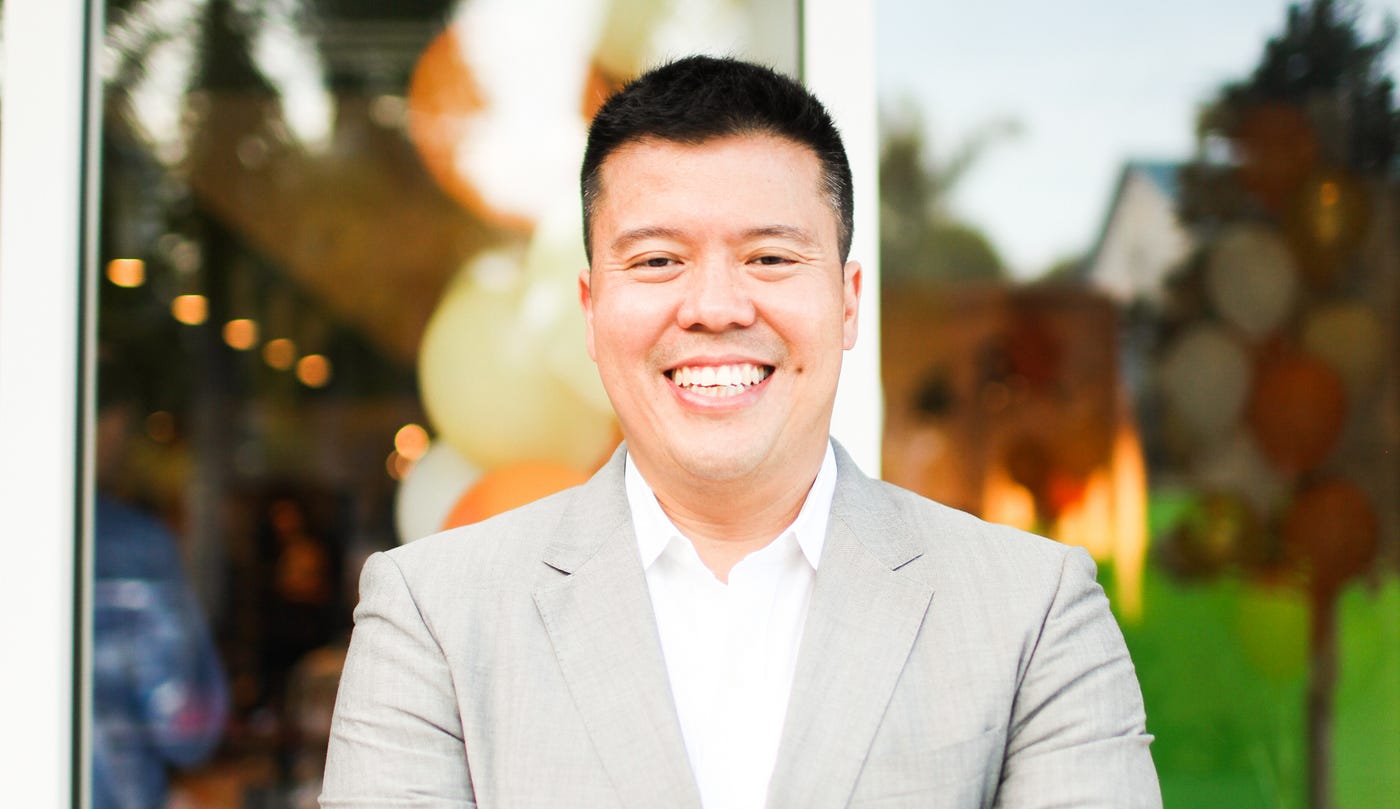
Abe is the CEO of Miami-based Sushi Maki and Canton Chinese Restaurants. In this role, he oversees the strategic development and management of all 15 locations owned and operated under Sushi Maki and Canton brands. He is also a partner with Whole Foods Markets overseeing 10 Market Stations throughout the South Florida Region.
Thank you so much for doing this with us! Our readers would love to ‘get to know’ you a bit. Can you share with our readers a story about what inspired you to become a restaurateur?
I grew up in the restaurant business, so it was always in my blood, but when I graduated Cornell and worked in the real estate financial consulting group at Ernst & Young LLP, I realized that I was more interested in reading about restaurant and food trends rather than analyzing hotel feasibility and litigation support. I always felt a special tug at my heart from the restaurant sector.
Do you have a specific type of food that you focus on? What was it that first drew you to cooking that type of food? Can you share a story about that with us?
I have always loved all sorts of ethnic food. Asian cuisine is what works best for me and my tastebuds. As I’ve gotten older, eating cleaner and healthier has become increasingly important, and sushi has always been a natural type of cuisine that checks all those boxes. The story behind Sushi Maki is, I remember feeling intimidated at sushi bars where the sushi chefs were sometimes unfriendly and Japanese menu items were often difficult to pronounce. Hence, in dreaming up our heroic vision we imagined Sushi Maki to democratize and demystify sushi. For example, instead of “Salmon Usuzukuri,” we simply call it “Salmon Truffle Ponzu.” Our sushi rolls have names like Two-Timing Tuna, Silky Smooth Salmon and the Whole Foods Roll – easy to pronounce and enjoy!
Can you share the funniest or most interesting story that happened to you since you became a restaurateur? What was the lesson or take away you took out of that story?
Founded in 2000, Sushi Maki was born of a failed family owned start-up called Wrapido which, as its name implies, sold wraps. Rather than call it quits, we decided to humbly embrace the so-called failure as an opportunity to learn what to do next. And with hard work, grit and determination, we succeeded over the past 20-plus years to become the region’s go-to, award-winning sushi restaurant brand. We have over 20 locations from Miami-Dade to Palm Beach counties. Our sushi is sold at Whole Foods Markets, stadiums, hospitals, universities and airport concessions, plus we have a massive catering operation which ensures that any sushi consumed at a hotel or corporate event in South Florida probably came from Sushi Maki. And the lesson to be learned is that applying grit and perseverance through what seems like a horrible moment, can actually mark the beginning of the next big thing.
Can you tell us a story about the hard times that you faced when you first started your journey? How did you overcome this obstacle?
Following the failure of our Wrapido concept, the original business problem we were trying to solve when creating was: “What does the city really need?" The answer we found was: "A stylish neighborhood sushi bar." So, I decided to invest in my entrepreneurial vision and take on personal loans to finance my business. Unable to take a salary for the first two years, I had to rely on my wife Christina’s income. Soon, however, the restaurants started “losing less money,” slowly we showed a modest profit and today, we have $25M in annual revenues. We are targeting to double in the coming years. Our entire journey, from the beginning and through the Great Recession of 2008 and the current pandemic, has been filled with a steady stream of challenges. We have found success by applying the same formula: taking a deep, unemotional breath and assessing the current market dynamics, and reinventing ourselves to seize the opportunities that exist on the flip side of the challenges.
In your experience, what is the key to creating a dish that customers are crazy about?
The key to creating a dish customers are crazy about is providing an incredible flavor experience. It’s all about having different textures so that you have that “craveable” kind of food flavor. In today’s world, social media has added a new dimension, so dishes also have to look amazing and Instagram-worthy.
Personally, what is the ‘perfect meal for you’?
The perfect meal for me, outside of sushi, is steak. While I don’t eat red meat as much as I used to, every now and then I enjoy a good New York strip steak, lightly seasoned, cooked rare for an indulgent celebratory experience.
Where does your inspiration for creating come from? Is there something that you turn to for a daily creativity boost?
I get my creative inspiration from travel and finding the off-the-beaten path restaurants where locals dine and little English is spoken. That’s where I’ve often found some of the most interesting dining experiences. I also talk to people outside of my industry and with different perspectives, to keep my mind active and open to new ideas.
Are you working on any new or exciting projects now? What impact do you think this will have?
Currently, I am reimagining the neighborhood Chinese restaurant experience and working to modernize my family’s Canton Chinese Restaurant concept, which has been a beloved go-to staple in South Florida for decades.
What advice would you give to other restaurateurs to thrive and avoid burnout?
Hire amazing, smart people with a strong work ethic! The challenge then is to keep them growing, and to keep them growing, the company must continue to evolve and expand. It’s a cycle that enables everyone to continue to experience new things and avoid burnout.
Thank you for all that. Now we are ready for the main question of the interview. What are your "5 Things I Wish Someone Told Me When I First Started as a Restaurateur" and why? Please share a story or an example for each.
Surround yourself with mentors. Mentoring up and down allows you to learn from people who are younger than you and just joined the company (i.e. what in the world is the metaverse?). This practice has been very inspirational for me.
If you are going to marry, marry someone who can share in and support your restaurant dream.
Stay fit and trim, it’s much easier to stay in shape than to get in shape. And in the restaurant business you eat at weird hours, food tastings can be calorie bombs and, let’s be honest, celebrations always revolve around food.
The restaurant business is a team sport, across all walks of life. The best teams always win.
Slow and steady wins the race. The restaurant business is rarely a “get rich quick” industry. Building a long-term great restaurant company and making an honest and solid living go hand in hand.
What’s the one dish people have to try if they visit your establishment?
The Budda-Cane sushi roll – it’s the perfect combo of sweet, crunchy and creamy. And the creaminess in the avocado is “good fat.” ☺
You are a person of enormous influence. If you could inspire a movement that would bring the most amount of good to the most amount of people, what would that be? You never know what your idea can trigger.
I would love to inspire a movement where sourced seafood sources all over the world would be required by law to be sustainable. Making it illegal to overfish and instead making sure that all species caught or farmed could sustain long-term health and stability of that species, as well as the greater marine ecosystem. This would ensure the ability for future generations to enjoy seafood that's good for you and the oceans too.
Thank you so much for these insights. This was very inspirational!