I grew up in severe poverty without any sense of basic physical, psychological, and financial safety, which didn’t leave any room for even considering emotional safety.
(If you are unable to download it, please click File-Download)
Please answer the questions, and leave the questions formatted as they are in the document. We may schedule a follow-up call or Zoom to round things out.
(Aang Lakey, Increasing Consciousness): Emotional Intelligence; What It Is, Why It Is So Essential, And How We Can Increase It
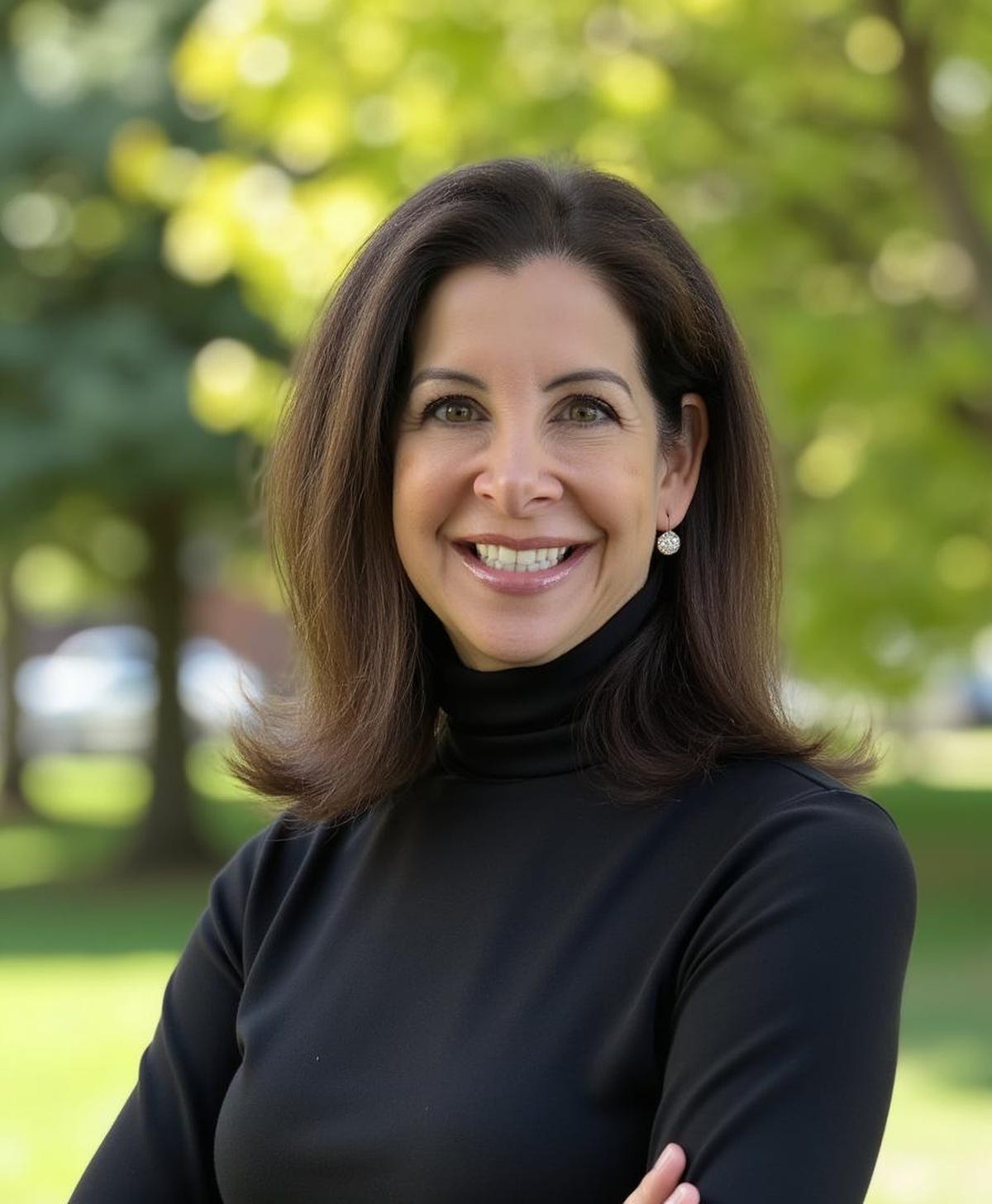
As a part of our series about “Emotional Intelligence, I had the pleasure of interviewing Aang Lakey.
Aang Lakey (they/them) is an author, educator, and leadership advisor working at the intersection of leadership development, human behavior, and systems change. They are the Founder and CEO of Increasing Consciousness, a global leadership development and consulting firm that helps leaders and organizations translate awareness into consistent, values-aligned action. Drawing from a background in social work, violence prevention, organizational development, and public-sector leadership, Aang’s work integrates emotional intelligence, nervous system regulation, systems thinking, and equity-centered practice into practical leadership frameworks. They are the author of the Leadership Consciousness Essentials book series, which introduces original frameworks supporting Leadership Reflexivity, Conscious Intentionality, Congruence, and Presence. Aang works with executives, teams, and institutions to build cultures of trust, psychological safety, and accountability by focusing on how leaders show up and how their everyday behaviors shape organizational culture.
Thank you so much for joining us in this interview series! Before we dive into the main focus of our interview, our readers would love to “get to know you” a bit better. Can you tell us a bit about your childhood backstory?
I grew up in severe poverty without any sense of basic physical, psychological, and financial safety, which didn’t leave any room for even considering emotional safety. No one in my life had any capacity for emotional regulation, much less the ability to model or teach me how to regulate my emotional state. I was taught to suppress my emotions which led to emotional reactions that were explosive and unpredictable. I never had a language for my emotions, any ability to regulate my physiological responses to my emotions, or even awareness of the impact that my lack of emotional capacity had on my life.
As I moved into leadership roles, first in the military and later in social work and violence prevention, I began to see I started to understand just how important emotional regulation was in life and leadership. I first started to observe how other’s emotional misalignment and unconscious reactions caused tremendous harm to the survivors I was working with and how their lack of basic skills to understand or regulate their internal states prevented them from forming the relationships and cultural dynamics they were trying to achieve. After navigating a relational dynamic with my partner, I also started to recognize those same patterns in myself.
In my own journey of self-development and professional advancement, learning emotional intelligence became my own turning point. I could see and experience first how my own development of awareness, regulation, and empathy fundamentally changed how I led, how I related to others, and how I understood systems of power and impact. Over time, I came to see emotional intelligence not as a personal skill set, but as a foundational capacity for leadership, equity, and collective well-being.
That realization is what ultimately shaped my work today. To truly create global change, I believe we must begin with helping people understand themselves emotionally, relationally, and systemically so that we do not unintentionally recreate harm at every level of our leadership. For me, emotional intelligence is not an optional skillset or a nice to have once you reach a certain level. It is essential for leaders, communities, and systems.
What or who inspired you to pursue your career? We’d love to hear the story.
I’ve been inspired by so many people throughout my life, in different ways and at different moments as I navigated my struggles with my own development. What stands out most is not a single influence, but how the many different relationships shaped my clarity and conviction over time.
One of the earliest influences was my academic advisor during my first master’s program. She challenged me every day to think critically about systems, power, and responsibility, and helped me understand that my own leadership always has an impact. The wisdom of her insight has stayed with me throughout the 17 years that have passed since.
More recently, in my journey to start my own company and works toward my vision of elevating the global consciousness, my coaching colleagues continue to inspire me daily. They model every day what it looks like to live with intention, pursue meaningful work, and align purpose with practice. Their presence consistently reminds me that leadership is not just about influence and change, but that it’s also about how we choose to live and be while navigating it.
None of us can achieve success without some help along the way. Was there a particular person who you feel gave you the most help or encouragement to be who you are today? Can you share a story about that?
Perhaps one of the most influential people who helped me along the way was my undergraduate sociology professor who set me on the path to think for myself and explore myself more deeply. At the time, I was completely unaware of how many of my beliefs were shaped by ignorance, socialization, and unexamined assumptions and it was abundantly clear in the papers I wrote. Writings and reflections that, with my current level of understanding, I would be deeply ashamed to read and that also revealed just how little I understood about myself and the world around me.
Rather than shaming me or shutting me down, she gently pushed me to go deeper, asking questions that required me to explore not just the content of my arguments, but my emotional reactions to them. She encouraged me to notice where I felt defensive, uncomfortable, or resistant and to stay curious about why and where those feelings came from, which was both unsettling and transformative.
To this day, I still carry an underlying fear about the fact that she saw parts of me I that I don’t ever want anyone to see about me. Without her patience, guidance, and insistence that I think for myself, I wouldn’t be doing the work I do today. Ultimately, she laid the foundation for my capacity to question, reflect, and grow and made it safe for me to do so.
Can you share the funniest or most interesting mistake that occurred to you in the course of your career? What lesson or take away did you learn from that?
One of the most interesting mistakes I made early in my career was assuming that people in leadership positions had earned those roles because they already possessed the full range of skills required to lead well. I believed competence, self-awareness, and emotional capacity were prerequisites rather than enormous gaps that often go unaddressed for years (or longer!).
It didn’t take long for reality to challenge that assumption, and I immediately started to see how most traditional leadership development programs, mentoring relationships, and coaching models were failing our teams. These programs would focus heavily on strategy, performance, and outcomes, while overlooking the human intelligence required to lead. Things like emotional awareness, emotional regulation, relational skills, and cultural context.
That realization forced me to adjust how I worked with leaders. I had to learn how to speak their language, understand what motivated them, and meet them where they actually were rather than where I thought they should be. By reframing my approach and using my own understanding more intentionally, I saw better outcomes not just for leaders, but for the people and systems they influenced.
The lesson I learned was simple and humbling: effective leadership development begins with understanding humans, not just numbers and output.
The road to success is hard and requires tremendous dedication. This question is obviously a big one, but what advice would you give to a young person who aspires to follow in your footsteps and emulate your success?
Think for yourself, even when it’s uncomfortable or frowned upon. Learn how to ask yourself the hard questions about who you are, what you value, and what you actually desire, not what you’ve been taught to want or believe, and be willing to unlearn beliefs that no longer serve you. Finally, don’t confuse external success with internal alignment. The more honest you are with yourself, the more meaningful and sustainable your path will be.
Is there a particular book, film, or podcast that made a significant impact on you? Can you share a story or explain why it resonated with you so much?
Two books that deeply influenced me and continue to influence me daily are Start With Why and Oneness. Start With Why helped me clarify purpose and intention in my work, while Oneness reinforced a deeper sense of interconnectedness and compassion. Together, they remind me that meaningful leadership begins with clarity of purpose and an understanding that our actions ripple far beyond ourselves.
Can you share your favorite “Life Lesson Quote”? Why does that resonate with you so much?
One Buddhist teaching that resonates deeply with me is:
“What you think, you become. What you feel, you attract. What you imagine, you create.”
To me, this reflects the responsibility we carry for our inner world and how directly it shapes our actions, relationships, and impact. It’s also a constant reminder that our awareness and understanding is generative and always shaping our lives.
What are some of the most interesting or exciting projects you are working on now? How do you think that might help people?
Right now, my work is focused on three interconnected areas. First, I’m completing my Leadership Consciousness Essentials book series, which translates emotional intelligence, reflexivity, intentionality, congruence, and presence into practical leadership practices. The goal is to help leaders move beyond theory and actually integrate these capacities into daily decision-making and behavior.
I’m also facilitating an executive mastermind designed to provide leaders with a safe space to challenge long-held assumptions, explore the complexities of their cultural contexts and organizational dynamics, and grow alongside peers who are navigating similar pressures. Many leaders don’t have spaces where they can slow down, reflect honestly, and receive grounded feedback without associated performance expectations.
Finally, I’m developing workshops and courses that make emotional intelligence and nervous system regulation accessible to broader audiences. Together, these projects help people build self-awareness, strengthen relationships, and lead in ways that reduce harm while increasing clarity, trust, and long-term impact.
OK, thank you for all of that. Let’s now shift to the core focus of our interview. Can you briefly tell our readers a bit about why you are an authority about Emotional Intelligence?
My experience and expertise in emotional intelligence comes from my lived experiences navigating life challenges, my professional background, and my thought leadership. As a social worker and violence prevention expert, I had to understand human behavior, emotional dynamics, and how our ability to regulate our responses impacted both ourselves and our relational impact. This early professional foundation deeply shaped how I approached my work with leadership teams, developmental education and long-term systemic impact.
I’ve also completed multiple coaching and leadership development certifications, as well as spent close to two decades working directly with leaders across military, public-sector, and organizational contexts. Through my work in various fields, I’ve seen how emotional intelligence directly affects decision-making, culture, and outcomes and how different fields values emotional intelligence as a skillset.
Emotional intelligence is a central pillar of my book series and leadership frameworks. I don’t treat it as a soft skill or abstract concept, but as an embodied, practical capacity that leaders must develop to navigate complexity responsibly. All of my work integrates emotional awareness, nervous system regulation, and relational dynamics to help leaders translate their insights into conscious action.
For the benefit of our readers, can you help to define what Emotional Intelligence is?
I see emotional intelligence as the capacity to recognize emotional reactions as they arise, understand where they come from, and regulate the nervous system in order to choose how to respond rather than react. It involves noticing internal signals, whether those are emotional, cognitive, and physiological, and integrating that awareness in ways that support healthy relationships, effective leadership, and responsible engagement with broader systems.
For myself, emotional intelligence is not just about managing feelings, but about understanding how our emotions shape our perception, our decision-making, our communication, and our power dynamics. When we can practice the foundational aspects of recognizing, understanding, and regulating our emotional state, it allows us to respond with greater clarity, empathy, and intentionality. Our ability to model the way gives space for others to do the same and also creates feeling of safety for those we interact with.
At its core, emotional intelligence bridges the personal, relational, and systemic aspects of leadership. It helps individuals align their internal experience with their external behavior so that their actions are more congruent, thoughtful, and constructive in both personal and professional contexts that help to shape systemic understanding and growth.
How is Emotional Intelligence different from what we normally refer to as intelligence?
Traditional intelligence is often measured by cognitive ability, or how quickly we can process information, analyze problems, or apply logic, but emotional intelligence is an embodied practice that is less about what we know and more about how we relate to ourselves and others in real time. It is what determines whether our knowledge is applied consciously and skillfully or unconsciously and reactive.
Simply understanding and analyzing concepts is not enough. We must actually be able to use that information in ways that help us to navigate our inner conflicts and relationships, and this is where emotional intelligence out-performs traditional intelligence. It requires more than knowing and understanding alone and must be practiced in our daily lives to fully experience the rewards.
Can you help explain a few reasons why Emotional Intelligence is such an important characteristic? Can you share a story or give some examples?
Emotional intelligence gives us the ability to consciously choose our path forward instead of being driven by unexamined reactions. I honestly didn’t understand this fully until navigating my own behaviors after a traumatic brain injury, which significantly increased irritability and emotional reactivity in my daily life. Throughout my recovery, I had to learn how to recognize my emotional activations, understand what was happening in my nervous system, and regulate before responding so as to not be dismissive, hurtful, or unkind.
While I still struggle with the skillset, I have been able to see the impact that it has had on my life and relationships. As challenging as this process is or can be at times, it is also one of the greatest gifts of my life. It has deepened my empathy for others, sharpened my self-awareness, and helped me understand how difficult emotional regulation can be for others.
My own experiences have reinforced why emotional intelligence is so essential, as well as how critical it is for leadership. Without a foundational level of emotional intelligence, we cannot consciously choose our behaviors and actions to better support our leadership goals and we can unintentionally harm relationships. However, with emotional intelligence, we gain access to choice and the ability to lead and live with greater alignment.
Would you feel comfortable sharing a story or anecdote about how Emotional Intelligence has helped you in your life? We would love to hear about it.
Emotional intelligence helped me understand myself and my needs before trying to navigate relationships with others. Being able to identify my emotional patterns, triggers, and nervous system responses has allowed me to better meet my own needs and to communicate more clearly with others.
As I developed these skills, my relationships changed around me and the actions I took with others. I was able to be more present, less reactive, and more capable of engaging in honest dialogue without escalating or shutting down. It helped me form healthier partnerships, both personally and professionally, because I could name boundaries, express my needs or fears without shame, and respond with more alignment to my values and beliefs.
Ultimately, emotional intelligence gave me a stronger internal foundation that taught me to pause, notice, and understand so that I could consciously choose the est path forward.
Can you share some specific examples of how Emotional Intelligence can help a person become more successful in the business world?
Emotional intelligence directly supports leadership presence, problem-solving, negotiation, and decision-making under pressure. Leaders with high emotional intelligence can remain grounded during uncertainty, listen more effectively, and respond with intention rather than react in high-stakes situations.
It also improves communication and conflict navigation, by allowing leaders to understand their own emotional responses, so that they are less likely to escalate tension or make impulsive decisions. Leadership teams with high emotional intelligence create space for collaboration, innovation, and clearer thinking.
High emotional intelligence also helps leaders read dynamics accurately, manage stress, and build trust in negotiations or during complex problem-solving. Over time, these skills can strengthen the business credibility, improve team performance, and contribute to more sustainable and ethical business outcomes.
Can you share a few examples of how Emotional Intelligence can help people have better relationships?
You cannot have good relationships with others unless you first have a good relationship with yourself. This is where emotional intelligence comes in. When individuals can recognize emotional patterns that might prompt an unconscious reaction which is not in alignment with their values or desired relational dynamics and regulate their internal state before unconsciously responding, they can communicate more clearly and listen more openly.
They are able to reduce defensiveness, misinterpretation, and emotional escalation in others and redirect or realign interpersonal dynamics as needed. Instead of reacting from old patterns or assumptions, emotionally intelligent people can stay present and curious during disagreement and recognize how others’ behaviors are shaped by their own internal experiences. This understanding supports compassion, accountability, and repair which are key elements of strong, resilient relationships.
Can you share a few examples of how Emotional Intelligence can help people have more optimal mental health?
Emotional intelligence supports optimal mental health by helping people recognize their own emotional patterns and understand where they come from, so that they are not overwhelmed by them when they do arise. It brings in a level of awareness that allows for a more holistic understanding of challenges, stressors, and internal responses. When we can name our feelings and our best understanding of where those feelings are coming from, it helps us challenge those feelings and put them into a larger context.
Also, when people can regulate their nervous systems, they reduce the fight or flight response in their body and allow for more clear cognitive functioning that better equips them to manage anxiety, stress, and emotional overload. Over time, this capacity supports resilience, clarity, and a more compassionate relationship with themselves which is key for long-term mental and emotional well-being.
Ok. Wonderful. Here is the main question of our interview. Can you recommend five things that anyone can do to develop a greater degree of Emotional Intelligence? Please share a story or example for each.
1 . Identify Your Emotional Triggers
The first step in developing emotional intelligence is understanding what activates you emotionally and why. Triggers often point to unresolved experiences, unmet needs, or deeply held beliefs. Early in my own work, I noticed that I would clench my jaw tight enough to break all my teeth when something triggered my anger or defensiveness. Learning to recognize that trigger helped me to slow down and take the time I needed to process and respond with intention. Awareness is the first step to create conscious choice.
2 . Learn to Pause Before You Respond
Pausing is what creates the space we need between our emotional activation and our outward behavior. That pause can be a breath, a moment of silence, or even a decision to revisit a conversation later. I’ve learned that even a few seconds of pause can prevent harm, miscommunication, or regret. Being able to pause is what allows the nervous system to settle enough for clarity and alignment to return. When my irritability is through the roof, the only thing that keeps me from not being rude and unkind to others is by forcing myself to pause (sometimes just for a moment, and sometimes for week!) so that I can remind myself that I value kindness and I should respond with such.
3 . Expand Your Emotional Vocabulary
Many people only recognize a narrow range of emotions which limits their ability to respond effectively. Practicing emotional labeling, or simply naming what you feel throughout the day, helps to build precision and self-understanding. It took me most of my adult life to understand that what I thought was simple “anger” was so much more, and that the emotional complexity behind what I perceived as anger needed to be defined in order to fully understand my reaction so I could release the burdens I carried with it.
4 . Practice Regulation Techniques That Work for Your Nervous System
There is no universal regulation tool that works for everyone and in every circumstance. Breathwork, grounding practices, movement, visualization, and sensory practices all work differently depending on the person and the context in which you are trying to use them. If you know that movement helps you to release stuck emotions, then you should prioritize that practice, but in the same regard, movement is not always appropriate for the context. Even if movement is your go to release, you may have to choose an alternate practice when you are in the middle of a meeting or speaking at an event. Our emotional intelligence grows when you experiment, notice what helps you settle, and use those tools consistently in the contexts that are appropriate.
5 . Choose Your Responses With Intention
Emotional intelligence comes to life in the moment you choose how to respond after regulation has occurred. Once you’ve identified your trigger, paused, named what you’re feeling, and regulated your nervous system, you regain access to conscious choice. This is the point where you can ask, “What response aligns with my values, my goals, and the impact I want to have here?” Developing the capacity for conscious choice means responding from intention rather than habit, fear, or reactivity, and it is what allows you to act in ways that are consistent with who you want to be so that you can maintain your integrity at all times. Over time, repeatedly choosing aligned responses builds trust, integrity, and credibility, both with yourself and with others. In essence, emotional intelligence is as much about choosing differently as it is about understanding or feeling better.
Do you think our educational system can do a better job at cultivating Emotional Intelligence? What specific recommendations would you make for schools to help students cultivate Emotional Intelligence?
Yes, absolutely. Emotional intelligence should be treated as foundational skills that help across all levels of life and leadership.
I would recommend that schools begin by teaching emotional labeling early, helping students name what they feel and distinguish between similar emotional states. From there, students should be taught regulation practices such as breathing techniques, grounding exercises, and mindful pauses that help them calm their nervous systems. It’s also important to teach students how to trace emotions back to their root causes, whether it’s fear, unmet needs, or social pressures, so that they can better understand their reactions and how to consciously move forward.
When these skills are taught early and integrated into daily learning, students can build awareness, reduce reactivity, and support learning, focus, and resilience.
Ok, we are nearly done. You are a person of great influence. If you could inspire a movement that would bring the most amount of good for the greatest number of people, what would that be? You never know what your idea can trigger.
I’m currently working to inspire a movement that integrates consciousness into leadership at every level. Most often, leadership programs and appraisals prioritize performance or outcomes without examining how leaders’ internal states shape decisions, culture, and power. I believe that when leaders operate more consciously, they influence not only their teams, but organizational norms, policy, and broader systems. By leading with conscious choice they can create cultures that are more humane, more equitable, and better equipped to navigate complexity and change.
We are very blessed that some of the biggest names in Business, VC funding, Sports, and Entertainment read this column. Is there a person in the world, or in the US, whom you would love to have a private breakfast or lunch with, and why? He or she might just see this, especially if we both tag them :-)
There are two people I would genuinely love to share a quiet breakfast or lunch with: Simon Sinek or Brené Brown. Both of these individuals have profoundly influenced how leadership is understood and practiced, especially more human centered approaches. Without their contributions to the leadership arena, I would never have been able to speak about integrating more consciousness into our leadership dynamics. They quite literally have laid the foundation and helped people to understand the importance of the “soft skills” in leadership.
I admire how they translate complex emotional and relational concepts into language leaders can actually use and I would love the opportunity to explore how their work intersects with consciousness-based leadership and equity based systems change. More than anything, I’d value the chance to sit with people who continue to challenge leaders to lead with both integrity and heart.
How can our readers further follow your work online?
Readers can follow my work and ongoing insights on leadership consciousness and organizational culture on AangLakey.com, LinkedIn, Instagram, YouTube, or through my articles on Brainz Magazine.
Thank you for these really excellent insights, and we greatly appreciate the time you spent with this. We wish you continued success.