Early in my IDEO career, I was working on a project with the CDC to understand how to best encourage tweens to eat more fruits and vegetables.
Business
Vivian Barad of IDEO: Inside the Design Strategy to Eliminate Food Waste and Reshape Consumer Habits
Vivian Barad, leader in IDEO’s Design for Food studio, shares how human-centered design thinking can transform supply chains, address systemic barriers, and drastically reduce food waste.
It has been estimated that each year, more than 100 billion pounds of food is wasted in the United States. That equates to more than $160 billion worth of food thrown away each year. At the same time, in many parts of the United States, there is a crisis caused by people having limited access to healthy & affordable food options. The waste of food is not only a waste of money and bad for the environment, but it is also making vulnerable populations even more vulnerable.
Authority Magazine started a new series called “How Restaurants, Grocery Stores, Supermarkets, Hospitality Companies and Food Companies Are Helping To Eliminate Food Waste.” In this interview series, we are talking to leaders and principals of Restaurants, Grocery Stores, Supermarkets, Hospitality Companies, Food Companies, and any business or nonprofit that is helping to eliminate food waste, about the initiatives they are taking to eliminate or reduce food waste.
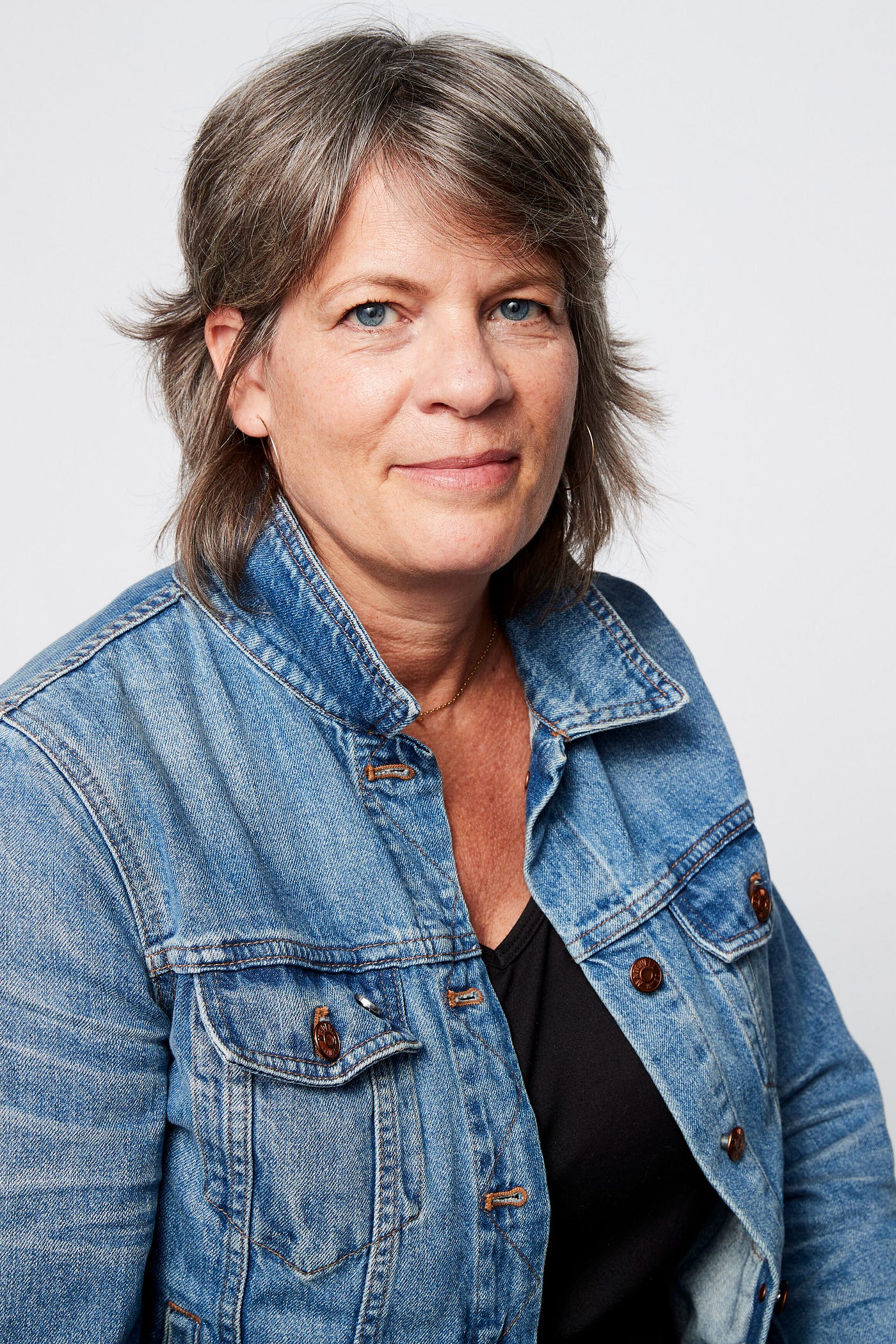
As a part of this series, I had the pleasure of interviewing Vivian Barad.
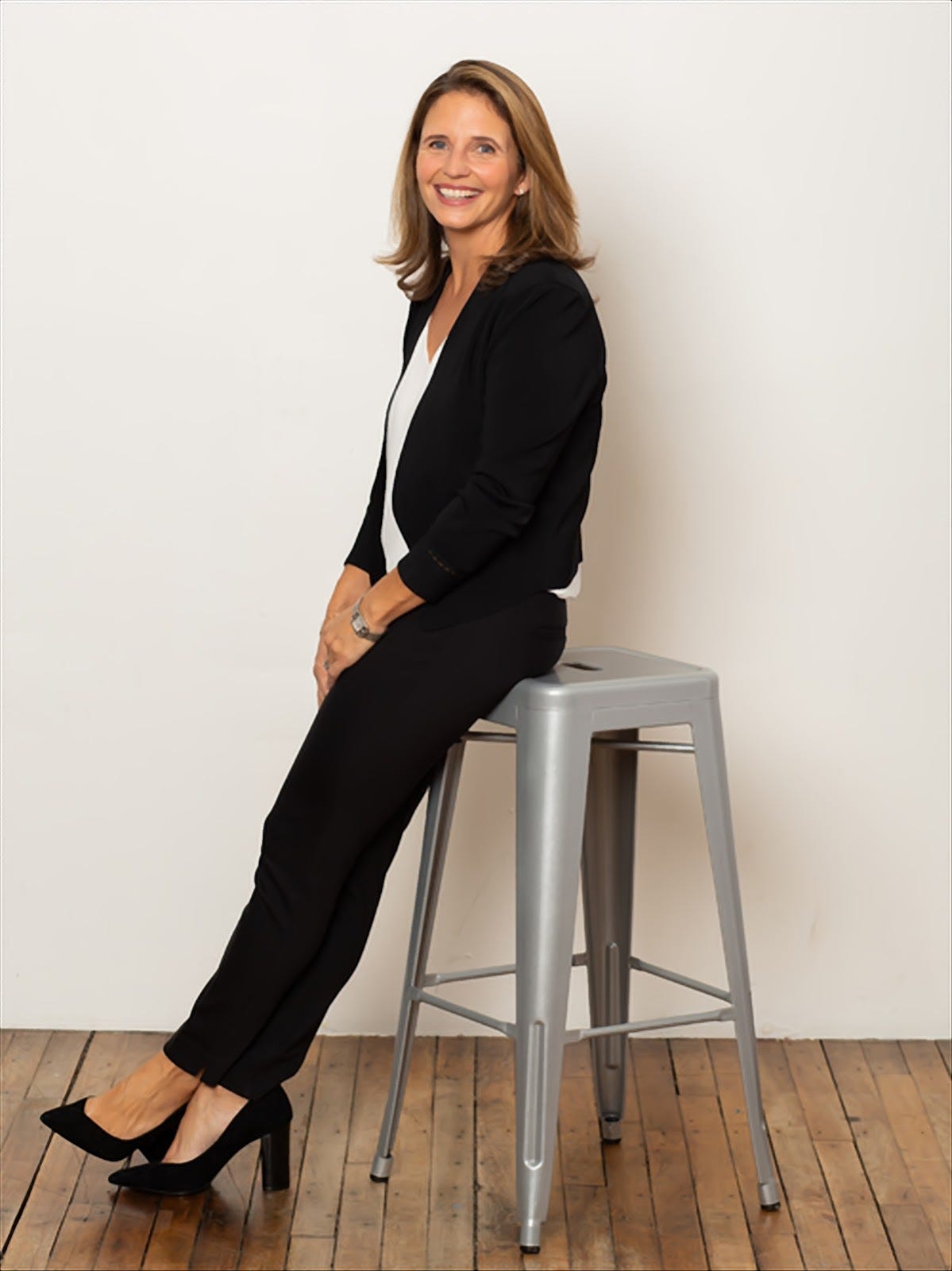
Vivian’s passion is to improve people’s lives through design. As a leader in IDEO’s Design for Food studio, she focuses on helping clients find new business opportunities as well as developing brands that help people enjoy healthier and better food, beverage products, and experiences. And prototyping all that makes her happy.
Thank you so much for joining us in this interview series! Before we dive in, our readers would love to “get to know you” a bit better. Can you tell us a story about what brought you to this specific career path?
I was always a maker as a kid. Whether it was a dollhouse or a treehouse, I was constantly creating new objects or drawing the things I couldn’t build. My father was an architect and my mother was a therapist, so I found myself combining my father’s design and build mentality with my mother’s curiosity for people and analytical thinking.
After starting out my career as a journalist, I soon realized that I wanted to be on the other side of my interactions — instead of being the storyteller, I wanted to be the story maker. So, I went back to school at the California College of the Arts in San Francisco. One day in CCA’s prototyping shop, I saw a student making models for a tea set that could be used on a high-speed train. I thought this was a fascinating assignment to design a tangible object in an extreme context and how people, or users, would interact with it. I found industrial design that day and fell in love with it as a way to use my creativity to solve problems for people.
Once at IDEO, I began gravitating towards projects with our food & beverage portfolio and our health practice. My interest in the overlap of food and health went beyond the familiar struggle of eating healthy when I was diagnosed as pre-diabetic — it was definitely a wake up call and inspired me to use design thinking and my creative confidence to design my way out of this health predicament. Since then, my passion has evolved past my personal health and towards the health of communities and the planet. Food nourishes our bodies and souls, bringing us joy and delight, and creates human connections. While the food industry plays an even more outsized role on climate, it also has enormous potential to help repair damage done to our soil and atmosphere.
Can you share the most interesting story that happened to you since you began at your company or organization?
Early in my IDEO career, I was working on a project with the CDC to understand how to best encourage tweens to eat more fruits and vegetables. This project really influenced my passion for health and wellness, and massively increased my understanding of how complex and challenging it is to have a positive impact when solutions must incorporate individual and community needs, structural and systemic barriers, governmental policy, and business viability.
As we spoke to families from different backgrounds, from single-parent households, to kids with food allergies, to families struggling to get food on the table, I started to understand at a much deeper level that food choice isn’t just a personal preference, but a decision constrained by structural issues and systemic racism. For instance, while fresh produce is considered the beacon of health, most children aren’t eager to fill their stomachs with leafy greens and broccoli. So if you are a budget-sensitive family, you can’t afford to stock up on foods that your children may not eat and are highly perishable. You will want to purchase items that are actually going to be eaten, which tend to over-index on snacks and shelf-stable items.
Because of that project, I’ve become passionate about designing food products that are both convenient and nutritious, not to mention delicious, so individuals and families do not have to compromise their health due to time or budget constraints.
OK, thank you for all of that. Let’s now shift to the main focus of our interview. Let’s begin with a basic definition of terms so that all of us are on the same page. What exactly are we talking about when we refer to food waste?
We often conflate food loss and food waste because they both refer to food that goes uneaten. However, these terms differ in where they occur in the supply chain: Food loss occurs in production, for example, tomatoes that don’t get picked or potatoes that get plowed under — we saw this quite a lot in the news during the pandemic. Food waste happens further down the supply chain when food is unsold or uneaten in places like retailers, restaurants, and in our homes. In total, one-third of all food grown globally is lost or wasted, contributing to 8% of human emissions, all while 10% of the world’s population goes hungry.
Can you help articulate a few of the main causes of food waste?
Food waste happens across the supply chain. In North America and other industrialized countries, we tend to buy too much food, too infrequently. People will come home with shopping bags full of food that they cannot finish before expiration and end up having to throw some of it away. Retailers have become more cognizant of the problem of food waste and have led programs to donate their unsold and uneaten inventory to food banks and food pantries. Unfortunately, a persistent problem exists with these charitable efforts, as people who access charitable food face a lack of choice and might end up with a box of food their families won’t eat or sometimes can’t eat because of health issues. It’s pretty hard to make a meal out of canned goods, expired or unfamiliar produce — and it requires cooking skills, a kitchen or at least a hot plate, and for the unhoused that may not even have a can opener. As a result, charitable food can also be wasted.
What are a few of the obstacles that companies and organizations face when it comes to distributing extra or excess food? What can be done to overcome those barriers?
The obstacles for overcoming waste vary depending on where it occurs in the supply chain. For farmers, it’s about getting their crops picked by skilled farm workers and onto trucks for distribution. For retailers, it’s about making sure they never run out of high-quality product in-store and that it all gets sold, while ensuring they can identify the scale of waste through data analytics. And for consumers, it’s about the expectations, habits, and unexpected life events (like a child being sick) that lead to food going unused.
Broadly speaking though, we have an abundance mindset throughout the food system, which is not unique to the U.S. Whether it’s a home shopper overstocking the fridge, a restaurant owner mismanaging inventory, or even a food service manager overloading the buffet line, we as a collective are inefficient in how we distribute and consume food.
To overcome this, we need to redesign our mindset when it comes to food. Of course, these are difficult changes to imagine because food is a universal source of connection and delight. But to truly tackle food waste, we need to learn how to be frugal, creative and efficient with our resources and leverage data to better manage the supply and demand signals across the supply chain.
Can you describe a few of the ways that you or your organization is helping to reduce food waste?
IDEO partners with industry stakeholders across the food system, including farmers, food manufacturers, global brands, and retailers to create systems that promote sustainability and resilience. From a design perspective, we are well positioned to develop solutions that design waste out of the food system. One of the key takeaways from the work we have done in this space, is that the current food system is not broken, it’s working exactly as it’s designed. So the onus is on us and our partners to make the changes needed to reduce waste, support regenerative ag and the repair of soil health, and reduce emissions.
One great example is IDEO’s partnership with the Northern Illinois Food Bank (NIFB) on their “My Pantry Express” program. It’s the first of its kind 24/7 online pantry that offers people choice in the food they receive through a food bank. Typically, food banks measure success based on tonnage of food distributed, but NIFB, and its visionary CEO Julie Yurko, came to us because they wanted to incorporate a human-centric form of food relief that would put people’s needs (NIFB calls them Neighbors) at the center and measure success on Neighbor satisfaction as well as — and as a driver of — tonnage of food distributed. Through our human-centered design process, we discovered that offering food choice from pantries creates greater Neighbor satisfaction and therefore wider distribution and less food gone to waste. With our help, NIFB has created a charitable system that prioritizes customer satisfaction and co-creates solutions with the Neighbors they serve.
In another instance, IDEO worked with the World Wildlife Fund and FarmLink to create more efficiency in the food supply chain by connecting farmers, pickers, and food banks. Since food loss often occurs at farms when growers struggle to find workers to bring their excess food stock to market, we needed to identify ways to connect supply chain stakeholders. Using a digital platform, we were able to design a way for farmers to more easily connect with pickers actively looking for work, and food banks that were in need of supply.
Are there things the community/society/politicians can do to help address the root of this problem?
I believe we put too much onus on individuals and what they can do to support climate-positive outcomes. As individuals we definitely can contribute to change, but governments, private sector organizations and philanthropy have a huge responsibility here. At IDEO, we see it as an opportunity for innovation and to create new value for our partners.
As communities, we should also realize the importance of regional food systems. While we have a remarkable global food system that is able to efficiently grow and distribute food, the worsening impact of climate change and extreme weather patterns causes an increase in supply chain disruptions. One way to mitigate the problem is to invest in regional supply chains and ensure those smaller food webs are strong, resilient, and flexible.
For example, during the 9/11 attack, Manhattan was cut off from the food supply chain as bridges and tunnels in and out of the city were shut down. This shocked the food system and disconnected the city from vital resources. During recovery, the city realized it needed to invest in local food resilience. By partnering with regional farms and creating farmer hubs and markets, New York City built a regional food system that can better withstand disaster. We’ve seen supply chain disruptions again with the pandemic, and unfortunately with climate change, weather will continue to impact food supply. How might we continue to strengthen our regional food systems and help our growers become more resilient? As an individual, you can support your local farmers markets but what more can corporations and governments do to build in resilience?
Are there other leaders or organizations who have done good work to address food waste? Can you tell us what they have done? What specifically impresses you about their work? Perhaps we can reach out to them to include them in this series.
IDEO is currently working to redesign procurement, which is vital to structuring a relationship between farmers and retailers that incentivizes regenerative agriculture. With the Circular Economy of Food CoLab, we have been able to use collaboration and prototyping to tackle the toughest questions and quickly surface potential solutions. The Food CoLab is anchored by member companies Danone, Kroger, and Electrolux and relies on a network of farmers, food companies, startups, and NGOs. In 2020 alone we engaged 51 global organizations and 65 global fellows and experts in the circular economy and regeneration space.
Since 2018, the Food CoLab has built over 30 prototypes that promote a circular food system, ensuring that waste becomes a resource, the environment and farming are uplifted, and all materials realize their full value. CPG procurement and the myriad problems it contributes to in our food system is also a major area of focus: determining how it leads to overproduction, why it reinforces intensive farming approaches, and how it shifts the risk of diversifying operations to growers. Together we are prototyping new procurement models that can be scaled with input from farmers (both open to and skeptical of change) and experts in policy, ecosystem services measurement, and regenerative agriculture.
Through CoLab we’ve been working with Sunny Parr, Kari Armbruster, and Lisa Zwack who lead Kroger’s Zero Hunger | Zero Waste strategy. They combine philanthropy and the company’s business and operational strategy to create communities that are free from hunger and waste. Additionally, we’ve worked with Barry Waddilove and the design team at Electrolux on reducing food waste in homes through the appliance and kitchen design, culinary education, and data. They’re really looking at how they, as designers and makers, can implement the circular design in their work to encourage reducing waste and sustainable eating at home.
I’m very inspired by Julie Yurko, the CEO at Northern Illinois Food Bank. She has an impressive clarity of vision and an unyielding dedication to reimagining the charitable food system to get people what they want, not just what they need. One of her goals is to transform the food bank experience into something similar to Goodwill, where people are shopping for what they want in a supportive community. I think that is a transformative way to think about food assistance.
You are a person of enormous influence. If you could inspire a movement that would bring the most amount of good to the most amount of people, what would that be?
For me, the food system and environmental protection are inextricably linked. So, every change we make in the food system has a profound impact on the planet and the climate. That’s why I’m so passionate about minimizing food waste and mainstreaming regenerative agriculture. I think promoting sustainability and efficiency in the agricultural sector and making the most out of the abundance we have will have the biggest impact on reducing food waste and saving the planet.
This was very meaningful, thank you so much, and we wish you only continued success.
MM
Written by
Martita Mestey
Writer & ContributorContributor at Authority Magazine covering leadership, innovation, and industry insights.

Published inAuthority MagazineTop Lessons, Top Authorities · 42K Followers
Exclusive, curated interviews with the leaders and changemakers shaping tomorrow. Leadership lessons, industry deep dives, and executive profiles.