Earlier in my career, I made the big mistake of believing and approaching all business equally. I quickly learned that not everyone is equal in business. Without a doubt, we are all equal as humans and should always be treated with respect, but when it comes to business there are levels of leadership and furthermore a healthy business dealing hierarchy.
Business
Ty Baisden of COLTURE: Why Not Everyone Is Equal in Business and Not Everyone Can Come Along on the Journey to Success
Music manager and COLTURE founder Ty Baisden explains why effective leadership requires operating off principles instead of emotions and recognizing that not everyone is ready for the journey of legacy building.
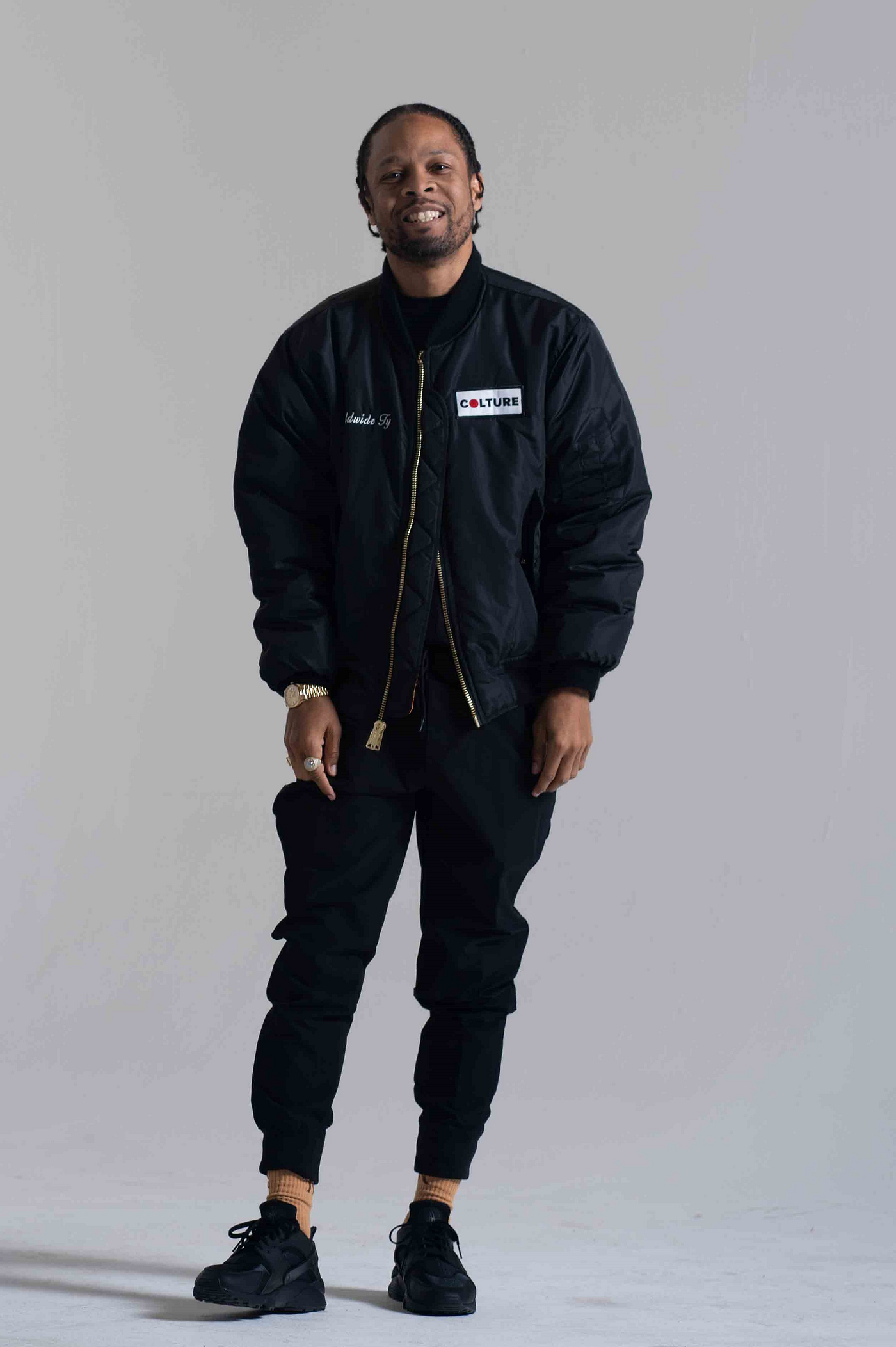
We are living in the Renaissance of Work. Just like great artists know that an empty canvas can become anything, great leaders know that an entire organization — and the people inside it — can become anything, too. Master Artists and Mastering the Art of Leadership draw from the same source: creation. In this series, we’ll meet masters who are creating the future of work and painting a portrait of lasting leadership. As part of this series, we had the pleasure of interviewing Ty Baisden.
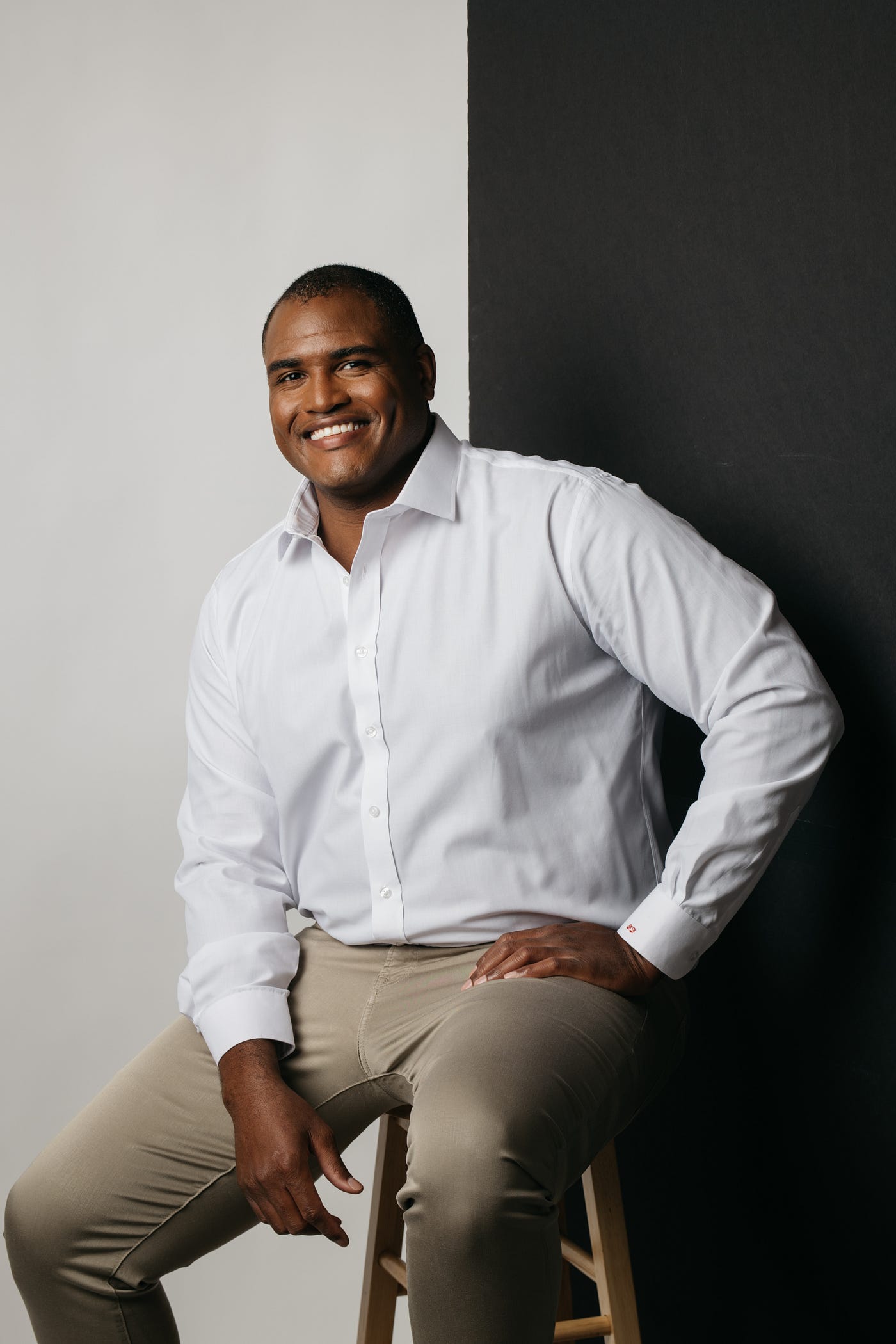
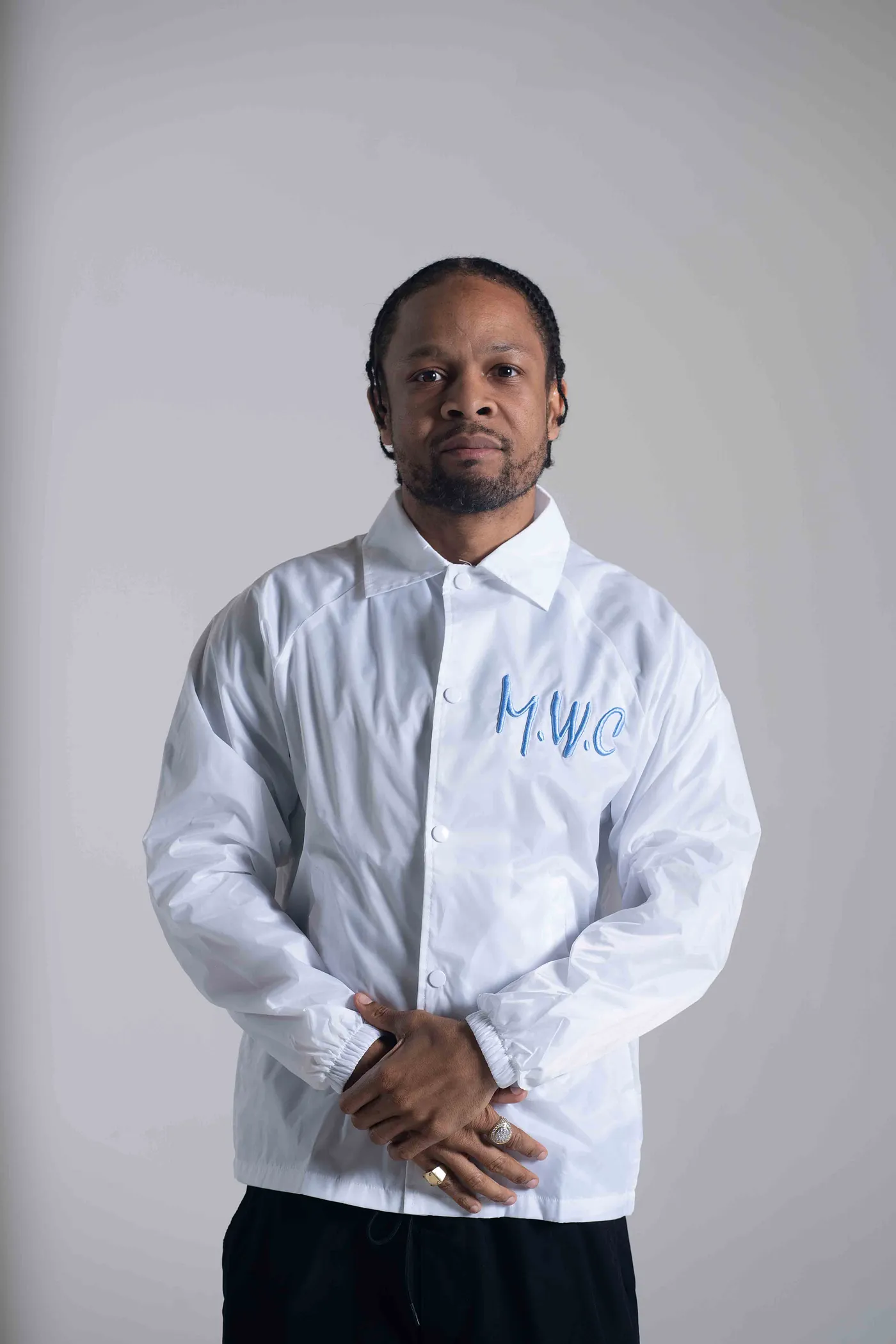
Ty Baisden is a prominent figure in the music, entertainment and sports arena, having been recently named to the 2023 Billboard R&B/Hip Hop Power Players list for a second year in a row. He was also included amongst the 2023 Billboard Managers to Watch List. He is known for his management of a range of talent such as platinum-selling artist, Brent Faiyaz, actor and music artist Malcolm Mays to NCAA Athletes as well as tech entrepreneurs.
Thank you for joining us. Our readers would enjoy discovering something interesting about you. What are you in the middle of right now that you’re excited about personally or professionally?
Currently, I’m personally very into golfing. Professionally, I’m super excited about COLTURE’s sports agency. I am moreover, excited about our commitment to invest in AI along with any other innovative forward-thinking ideas, concepts and partnerships.
We all get by with a little help from our friends. Who is the leader that has influenced you the most, and how?
Fellow talent manager and music titan, Troy Carter continues to influence me. Additionally, I am inspired and influenced by Phylicia Goings, Businesswoman, Co-Founder of COLTURE Holdings, World Traveler and Faith Leader.
Sometimes our biggest mistakes lead to our biggest discoveries. What’s the biggest mistake you’ve made as a leader, and what did you discover as a result?
Earlier in my career, I made the big mistake of believing and approaching all business equally. I quickly learned that not everyone is equal in business. Without a doubt, we are all equal as humans and should always be treated with respect, but when it comes to business there are levels of leadership and furthermore a healthy business dealing hierarchy.
How has your definition of leadership changed or evolved over time? What does it mean to be a leader now?
My personal definition of leadership has changed a lot actually. What leadership means to me today, is to be able to lead your team towards growth while acknowledging all of the weaknesses your team has. Knowing your team’s weaknesses, as well as your own, is valuable and necessary for great leadership. As a great leader moves their team towards positive growth they also should be able to help strengthen or even eliminate weaknesses.
Success is as often as much about what we stop as what we start. What is one legacy leadership behavior you stopped because you discovered it was no longer valuable or relevant?
I stopped thinking everyone can come along on the journey to success. This was powerful as the harsh truth is that not everyone is ready to carry the weight of building a true and authentic legacy. It is hard to even think about legacy if you are not mentally ready — and when you evaluate who’s ready for the journey of success, it’s far less people than you think.
What is one lasting leadership behavior you started or are cultivating because you believe it is valuable or relevant?
One lasting leadership behavior that I started because it’s definitely valuable is operating off principles not emotions. Principles and values drive behavior while emotions often drive confusion.
What advice would you offer to other leaders who are stuck in past playbooks and patterns and may be having a hard time letting go of what made them successful in the past?
I recommend that leaders seek and find a good business coach. Regardless of leadership level, we all benefit from coaching — it’s invaluable.
Many of our readers can relate to the challenge of leading people for the first time. What advice would you offer to new and emerging leaders?
New and emerging leaders must become the visionary or step aside and serve the visionary.
Based on your experience or research, what are the top five traits effective leaders exemplify now? Please share a story or an example for each.
The five effective traits that leaders can exemplify right now include self-discipline, a strong work ethic, respect for their team and peers, enhancing communication skills and communication channels, and moreover taking calculated and strategic risks.
- When you’re disciplined…You get results!
- When you have a strong work ethic you design the results.
- Respect for your team and peers leads to sharing of the results.
- Communication is so important because we need it to create the results we want.
- Calculated and strategic risks afford the opportunity for leadership to continue to drive the company into profitability.
American Basketball Coach John Wooden said, “Make each day your masterpiece.” How do you embody that quote? We welcome a story or example.
My masterpiece is waking up daily. After waking you are only adding value to the greatest masterpiece anyone can make. The masterpiece of daily life.
What is the legacy you aspire to leave as a leader?
As a leader, I aspire my legacy to include building a company that will be a pipeline for people from underserved communities, those who historically did not have the resources nor access to grow a legacy, and for that company to last at least 500 years.
How can our readers connect with you to continue the conversation?
Email: Ty@colture.cc
@worldwidety_ (Instagram)
@worldwidety (Twitter/X)
LinkedIn: https://www.linkedin.com/in/worldwidety
Thank you for giving us the opportunity to experience a leadership master at work. We wish you continued success and good health!
About The Interviewer: Karen Mangia is one of the most sought-after keynote speakers in the world, sharing her thought leadership with over 10,000 organizations during the course of her career. As Vice President of Customer and Market Insights at Salesforce, she helps individuals and organizations define, design and deliver the future. Discover her proven strategies to access your own success in her fourth book Success from Anywhere and by connecting with her on LinkedIn and Twitter.
KM
Written by
Karen Mangia
Editor & Journalist · Authority MagazineKaren Mangia is a senior columnist at Authority Magazine covering Tech and Business, conducting primary-source Q&A interviews with founders, executives, and industry leaders.

Published inAuthority MagazineTop Lessons, Top Authorities · 42K Followers
Exclusive, curated interviews with the leaders and changemakers shaping tomorrow. Leadership lessons, industry deep dives, and executive profiles.