There is a “myth” that CEO’s have all the answers. I think the “myth” of the CEO always being the smartest person in the room must be replaced with the ideal that the CEO can always find the smartest people in the room and bring them together for the common good of the organization.
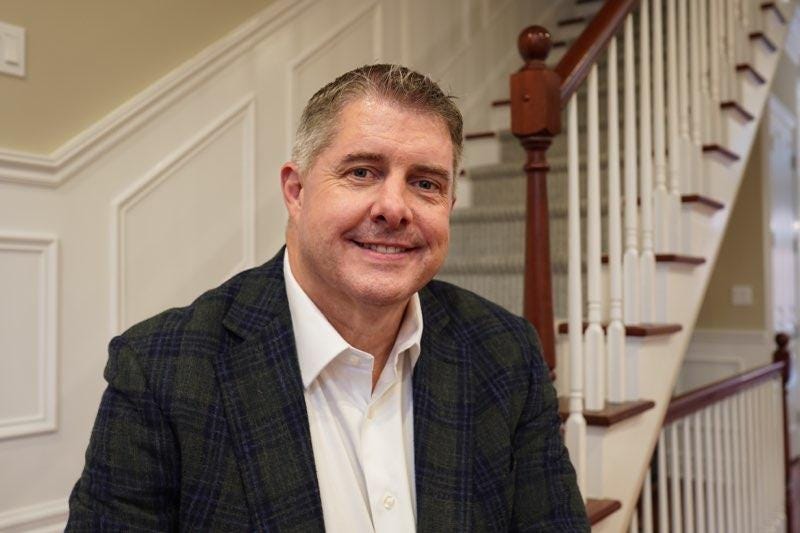
As a part of our series called ‘Five Things I Wish Someone Told Me Before I Became A CEO’ we had the pleasure of interviewing Tim Egan.
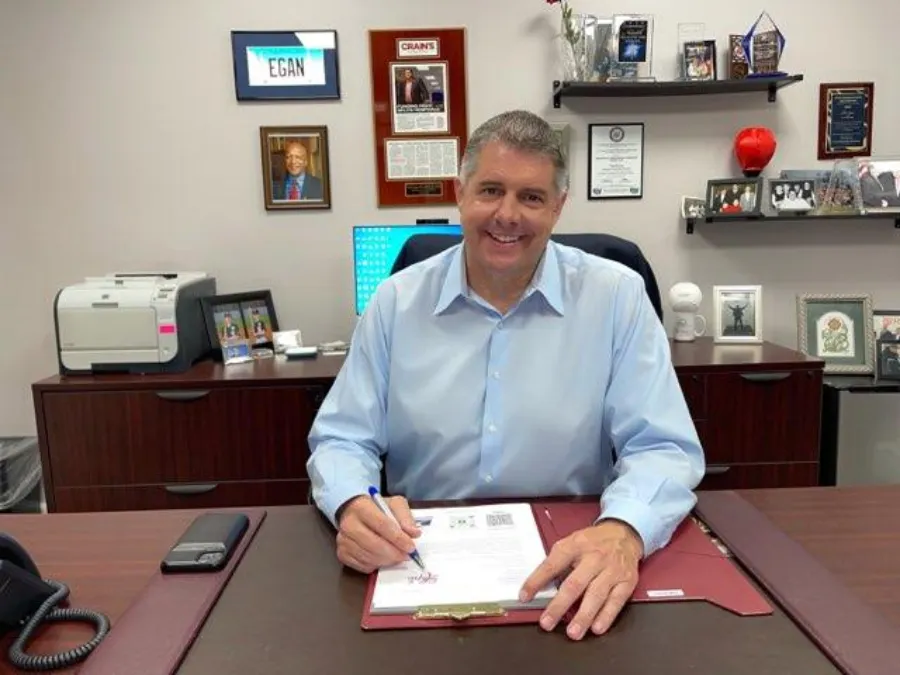
Tim Egan currently serves as President & Chief Executive Officer at Roseland Community Hospital, a licensed 160 bed Safety-Net Hospital on Chicago’s far Southside. Under Egan’s strategic leadership, Roseland Community Hospital was recently selected as a recipient of the Healthcare Transformations Collaboratives Program under the Pritkzer administration. This initiative has been spearheaded for over five years by Mr. Egan.
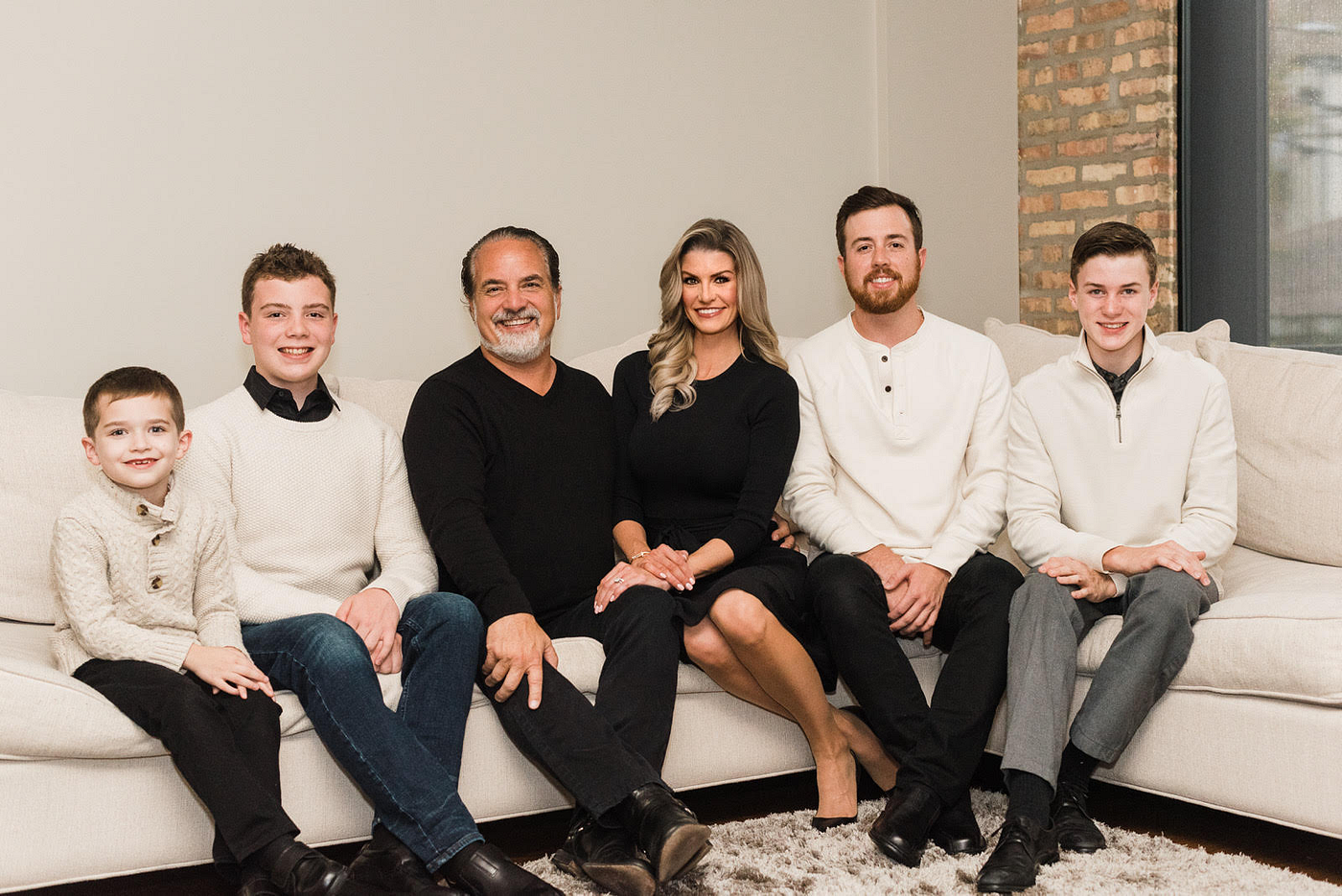
Prior to Roseland Community Hospital, Egan served as Vice President of Norwegian American Hospital and Executive Director of the Norwegian American Hospital Foundation for over a decade. Egan also spent eight years as an executive with RUSH Presbyterian St. Luke’s Medical Center in Chicago. Egan is the proud father of four sons.
Thank you so much for joining us in this interview series! Before we dig in, our readers would like to get to know you a bit more. Can you tell us a bit about your “backstory”? What led you to this particular career path?
I graduated University with a journalism degree after playing four years of college basketball. As an athlete I wanted to stay fit and began playing rugby with the Westside Condors in Chicago. One of my teammates was a physical therapist at a big university hospital. As I watched my rugby team travel all around the world, I decided to give up my journalism career. I was able to begin my healthcare career and join my teammates on tours to Ireland, France, Spain, Argentina, Australia, Brazil and New Zealand.
Can you share the most interesting story that happened to you since you began leading your company?
Being forced to sue the Governor of the State of Illinois who was imposing an unnecessary budget impasse, which would have cut Medicaid/Medicare funding to Safety Net Hospitals. That budget impasse would have shut the doors of several hospitals in Illinois. It was a case where Illinois politics almost destroyed hospitals serving economically challenged communities. Thanks to our attorneys, the Shriver Center for Poverty Law, we won our federal court case and survived.
Can you share a story about the funniest mistake you made when you were first starting? Can you tell us what lesson you learned from that?
As I said, I played rugby. When I used to show up to senior leadership meetings with broken ribs or a stitched-up face, it got to be pretty funny to explain why I was often our hospital’s best patient. The lesson is: Never be afraid to explain your scars. There’s a lesson in every one of them.
None of us are able to achieve success without some help along the way. Is there a particular person who you are grateful towards who helped get you to where you are? Can you share a story about that?
I’ve been lucky to have many mentors during my life. One of the most outstanding has been Illinois Secretary of State Jesse White. We have worked both politically and philanthropically for decades. He is responsible for guiding me with the following directions: “Do something nice for someone every day and your life will be fulfilled.”
As you know, the United States is currently facing a very important self-reckoning about race, diversity, equality and inclusion. This may be obvious to you, but it will be helpful to spell this out. Can you articulate to our readers a few reasons why it is so important for a business or organization to have a diverse executive team?
Inclusion unlocks diversity and diversity unlocks generational success. Having a diverse executive team shows that the organization is committed to hiring executives who have a wide variety of experience and insight to better support the company and its mission.
As a business leader, can you please share a few steps we must take to truly create an inclusive, representative, and equitable society? Kindly share a story or example for each.
In one specific instance, I received a letter from one of our patient’s relatives citing a lack of empathy he witnessed from our staff. I invited the author to sit down and talk to me about the entire experience. The writer of that letter is now my Director of Operations. I found a representative of the community my hospital serves and included him in the future of our hospital’s mission.
Ok, thank you for that. Let’s now jump to the primary focus of our interview. Most of our readers — in fact, most people — think they have a pretty good idea of what a CEO or executive does. But in just a few words can you explain what an executive does that is different from the responsibilities of the other leaders?
Managers want to be Directors. Directors want to be Vice Presidents. Vice Presidents want to be CEO. Every step of the way, it may feel like your power may increase and influence may expand. That doesn’t mean the job gets easier as you rise through the ranks. When you hit CEO, all responsibility is yours and yours alone.
What are the “myths” that you would like to dispel about being a CEO or executive? Can you explain what you mean?
There is a “myth” that CEO’s have all the answers. I think the “myth” of the CEO always being the smartest person in the room must be replaced with the ideal that the CEO can always find the smartest people in the room and bring them together for the common good of the organization.
What is the most striking difference between your actual job and how you thought the job would be?
I spend much more time with lawyers than I ever expected. As a healthcare executive I would much rather spend my time with physicians and nurses. The American healthcare system is a litigious beast.
Do you think everyone is cut out to be an executive? In your opinion, which specific traits increase the likelihood that a person will be a successful executive and what type of person should avoid aspiring to be an executive? Can you explain what you mean?
Not everyone is cut out to be an Executive. People who are selfish, who put greed and profit over people and ethics, may find success but they won’t find true happiness. I look at Steve Jobs last words: “… all the recognition and wealth that I took so much pride in have paled and become meaningless in the face of my death.” Since I work in healthcare and at a Safety Net Hospital, my entire professional life is dedicated to the mission of our hospital. Sacrifice and endurance are the most important traits needed to survive in my world.
What advice would you give to other business leaders to help create a fantastic work culture? Can you share a story or an example?
Listen more and listen to everyone. Your frontline workers know more about your operations than you do. They know where the breakdowns of service and communication are better than Leadership.
How have you used your success to make the world a better place?
In 2013, the hospital I was asked to take over was $34 million in debt. I helped save the hospital for the community it serves. I have been successful in overcoming massive debt, political struggle and even a global pandemic. Keeping the doors of our hospital open make the world a better place because every life that is saved is a generation of lives impacted.
Fantastic. Here is the primary question of our interview. What are your “5 Things I Wish Someone Told Me Before I Started” and why? (Please share a story or example for each.)
Become a Juris Doctor (JD). As the CEO of a hospital I didn’t know I would be involved with so many lawyers.
Keep your Gym Membership: You must keep your body fit if you want a fit mind.
Laugh More: Keeping your sense of humor is critical.
Use Your Vacation Time: Don’t be proud of the fact you’ve banked so much vacation time. You need to decompress.
Love: Love your job. Love your kids. Love your life partner. If you are living a live without love, you’re not really living.
You are a person of great influence. If you could inspire a movement that would bring the most amount of good for the greatest number of people, what would that be? You never know what your idea can trigger.
Start having qualifying tests for candidates for elected office. If a candidate does not know that the Constitution of the United States means, they have no business running for President.
Can you please give us your favorite “Life Lesson Quote”? Can you share how that was relevant to you in your life?
Irish patriot Terence MacSwiney said: “It’s not those who inflict the most, but those that endure the most, that shall prevail.” I have faced personal hardships and professional hardships. Loved and lost and mourned the dead. With each heartbreak comes a new lease on life because you can never, ever quit. My four sons need me to be the strongest Father I can be and nothing can ever defeat my purpose in this world.
We are very blessed that some very prominent names in Business, VC funding, Sports, and Entertainment read this column. Is there a person in the world, or in the US with whom you would love to have a private breakfast or lunch with, and why? He or she might just see this if we tag them.
Retired Senator George Mitchell (author of MAKING PEACE) is whom I would like to share a private lunch. Mitchell took the lead for the United State in negotiating the Good Friday Peace Accord in Northern Ireland. As President Clinton’s envoy, Mitchell piloted a peace many in Ireland never thought could happen.
Thank you for these fantastic insights. We greatly appreciate the time you spent on this.
AM
Written by
Authority Magazine Editorial Staff
Editorial Desk · Authority MagazineThe Authority Magazine Editorial Desk produces, verifies, and edits long-form primary-source interviews with executives, innovators, clinicians, creators, and social impact leaders across Business, Tech, Pop Culture, Wellness, and Social Impact.

Published inAuthority MagazineTop Lessons, Top Authorities · 42K Followers
Exclusive, curated interviews with the leaders and changemakers shaping tomorrow. Leadership lessons, industry deep dives, and executive profiles.