In most organizations, the phrase “sales team” is a misnomer. It is often a collection of individual salespeople reporting to a sales manager. Very few sales are made via the collaboration of individual salespeople.
A strong, high-performance sales team is critical to a successful business. But what makes a sales team successful? What strategies can leaders use to create a highly successful sales team? To address these questions, in this interview series, we are talking to CROs, marketing leaders, and sales leaders about "How To Turn a Good Sales Team into a Great One. "As a part of this series, I had the pleasure of interviewing Steven Howard.
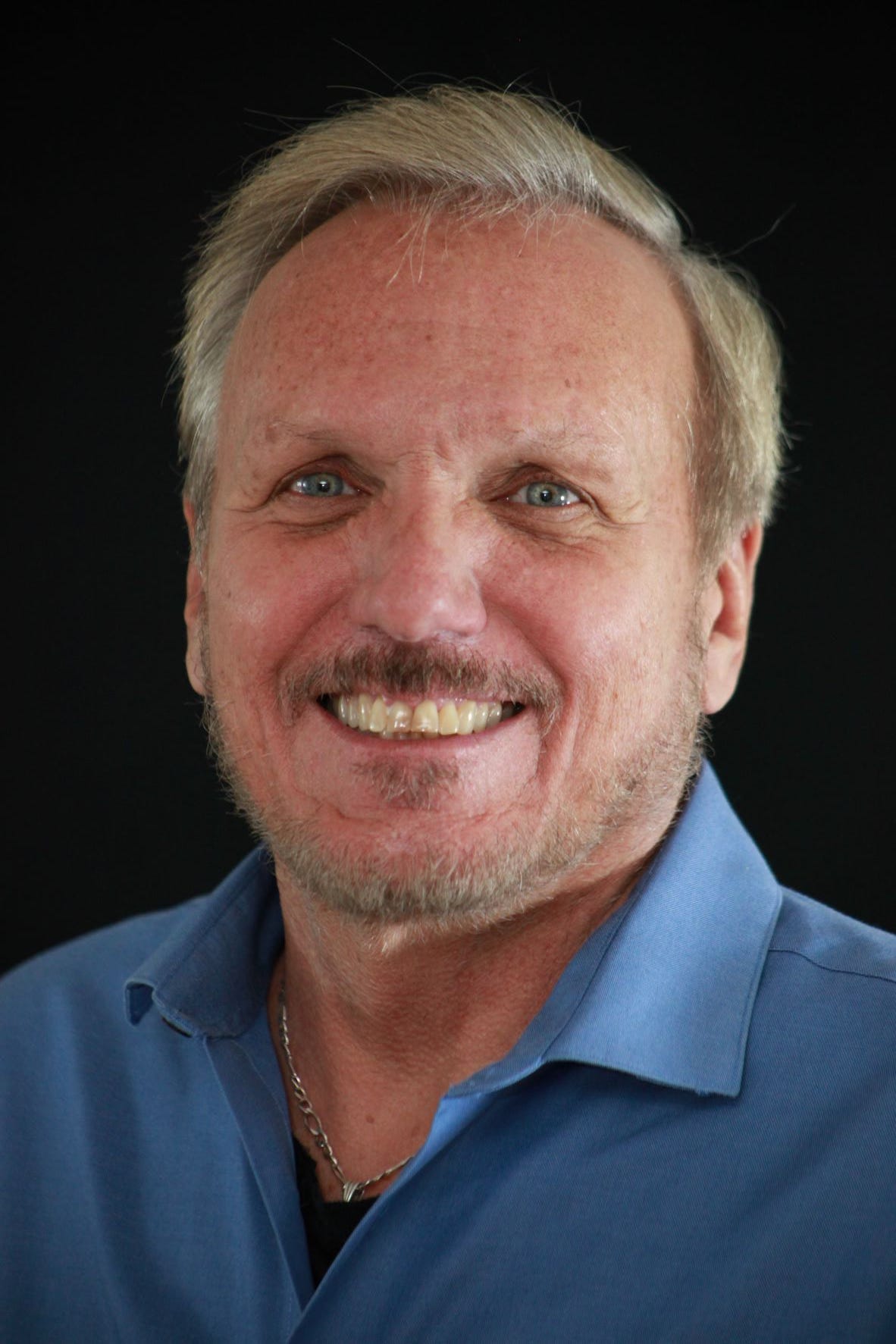
Steven Howard is the award-winning author of 22 leadership, business, and professional development books. His latest book is Humony Leadership: Mindsets, Skills, and Behaviors for Being a Successful People-Centric Leader. In awarding the book a Gold Medal, the Nonfiction Authors Association called Humony Leadership “a significant work with an important mission.”
Steven was named to the 2023 Top 200 Global Biggest Voices in Leadership list by the LeadersHum network in recognition of his thought-provoking and leading-edge thinking on leadership.
Thank you for doing this with us! Before we begin, our readers would like to learn a bit more about you. Can you tell us the "backstory" about what brought you to this career path?
My corporate career was in marketing and sales management across several industries, including consumer electronics, publishing, the airline industry, and consumer retail banking.
In these roles, I managed salespeople, independent sales representatives, distributors, and an outbound call center operation. As a sales leader, I placed great emphasis on sales coaching, mentoring, and training to enhance the individual and collective skills of my salespeople. I also learned early on in my career the importance of focusing on the sales cycle process, not just the sales results.
Can you share with our readers the most interesting or amusing story that has occurred to you in your career so far? Can you share the lesson or takeaway you took from that story?
Back in the late 1980s, I was living and working in Singapore. My sales territory covered all of South Asia, from Brunei to Pakistan. One trip to Sri Lanka occurred during the civil war there. My flight landed in the middle of the night and during the journey to the hotel, we encountered a road barrier by one of the fighting factions. I will never forget the scared and nervous look of the 15-year-old cradling an AK-47 rifle as he peered through the window and asked for my passport. Maintaining my calm helped calm him down, and we were quickly allowed to proceed. Fortunately, not many sales trips were so dramatic!
The lesson is to remain calm during every step of the sales process!
Are you working on any exciting new projects now? How do you think that will help people?
Yes, I am. I am extending the concept of the Humony Mindset beyond what I wrote about in my last book, Humony Leadership. In that book, I focused on the benefits of a Humony Mindset for leaders. Now I am expanding this to how we interact with one another, especially in public and the workplace.
Humony is a word I created combining human, humanity, and harmony to reflect our need to build communities and lives of connection, wellbeing, and harmony.
Unfortunately, we live in a divisive and divided world. We need more harmony in our lives. In our families. In schools. And in our communities and workplaces. To achieve this, we need a collective mindset change. One that moves from a “what’s in it for me” mentality to a “what is the emotional wake I create in my interactions with others?” mindset. I hope the Humony Mindset concept can provoke this change.
For the benefit of our readers, can you tell us a bit about your experience leading sales teams? How many years of experience do you have, and what size teams have you worked with?
I led sales teams for nearly 15 years in my corporate career. Now I coach sales leaders on how to lead, develop, and grow their sales teams. I also train salespeople on the Consultative Selling Process, using proven techniques I created when leading my sales teams.
What do you think makes a sales team great? What strengths or characteristics do you try to cultivate?
A leader who understands the differences between being a Sales Manager and a Sales Leader. Leaders need to know how to perform both roles. The art is knowing when to be a sales manager and when to be a sales leader.
In most organizations, the phrase “sales team” is a misnomer. It is often a collection of individual salespeople reporting to a sales manager. Very few sales are made via the collaboration of individual salespeople.
A great sales team is one where the mindset about the “sales team” comprises the sales individuals PLUS all of the internal support people who help make sales happen. This might be application experts, installation specialists, customer support personnel, and product training people. These are the team members that salespeople rely on. Their cooperation and collaboration can make or break the sales process and closing success rates.
Unfortunately, others often manage and lead these so-called “support” activities. And thus, functional barriers create internal conflicts, differing priorities, and incompatible measurements that prevent good sales teams from becoming great sales teams.
Successful sales teams know that selling is a team sport, especially for high-ticket items and selling services. In those situations, you win deals by collaborating with your internal colleagues. You lose deals when you try to do things on your own.
In your experience, what role does effective communication play in building a successful sales team? Can you share any techniques you've used to improve communication within your teams?
Effective communication is much more than a sales leader giving hyped-up motivational talks or explaining a new sales strategy to their salespeople.
The two most important elements of effective communication are listening and asking great questions. This is how sales leaders learn what is happening with customers and what hurdles their salespeople are facing.
I designed a more effective one-on-one sales review process that I now teach to sales leaders. Most one-on-ones are simply customer and prospect review discussions focusing on how and when each prospective deal will close. My process dives deeper into how the salesperson develops the client relationship and how the sales leader can support these efforts.
How do you maintain a healthy balance between competition and collaboration among your sales team members? Can you share an example of when this balance led to improved team performance?
Competition in sales teams is usually for prizes and other internal rewards. This creates jealousy and cements the lack of collaboration between salespeople.
In the sales incentive programs I design and run, cooperating with one another, sharing ideas and techniques, and helping other team members close a deal are recognized and rewarded.
Additionally, having a group target goal works well. My outbound sales team (mostly 19–22-year-olds) achieved a group target and were rewarded with a three-day sales training program in Bali. We did sales training from 7am to noon, and they got to experience Bali in the afternoons and evenings.
The cooperation and collaboration within this team remained high well after that sales incentive program.
Also, sales incentive programs should focus on the sales process, not just sales results. If you want people to change how they sell, you must incentivize this. For instance, salespeople are reluctant to go to clients with creative, innovative ideas as part of the consultative selling process. Reward the ones who do with incentives (even for those ideas which do not result in new deals) and others will follow suit. Effort must be rewarded, not just results.
In your experience, what role does ongoing sales training and professional development play in the success of a sales team? Can you recommend any specific resources or methods that you've found particularly effective?
Sales training is good for teaching core concepts like Consultative Selling and basic sales skills such as High Impact Questions and Closing Techniques.
But the best professional development for salespeople comes via sales coaching and mentoring, either by the sales leaders or a professional sales coach. This is why sales leaders need to excel at the coaching and mentoring aspects of leadership (or use a professional coach to assist them).
How do you keep your sales team engaged and motivated, even during challenging times or market downturns? Can you share a story or example from your own experience?
Personal coaching and mentoring are two of the best ways to ensure engagement and motivation.
Many managers fail to recognize that reinforcement feedback (what others call positive feedback) is highly motivating when done right. Unfortunately, too few leaders are trained in how to provide effective feedback.
Every salesperson is different, which is why we need to motivate each person differently. Again, this is a key difference between a sales manager (who tries to motivate everyone on the team the same) and a sales leader (who coaches and mentors each person based on their unique personalities, wants, needs, and desires).
What role does technology play in the success of a sales team? Are there any tools or platforms that you've found particularly useful for streamlining processes, enhancing collaboration, or providing valuable insights?
Technology is a tool rarely used effectively by salespeople. CRM systems are the worst example as they are designed to keep managers informed rather than help salespeople close deals.
Rather than technology, I have found that using effective processes, such as the one-on-one sales review process I mentioned above, are the best tools.
People forget that sales is a process centered around human interactions. They want technology to shorten the sales process, which it cannot. Too much focus on technology and reporting systems ruins the customer relationship aspect of sales, entices tick-box activities, and thus reduces sales effectiveness.
How do you approach setting goals and measuring success for your sales team? What key performance indicators (KPIs) do you focus on, and how do you ensure they are aligned with the overall goals of the company?
I hold salespeople accountable for their forecasting accuracy. The bonus structure should have an element of forecasting accuracy built into it, as the rest of the operation relies on these forecasts. Results that come in 10% or more below forecast, or more than 15% higher than forecast, have a negative impact on bonuses.
Sales goals are the traditional measuring stick for sales, which overlooks that sales is a process. I prefer to measure the width and depth of each client relationship being built by salespeople. I also prefer to track how many creative, consultative selling proposals each salesperson makes. These are the things that lead to results. These are the things that matter. Hence, these are the things that should be measured, recognized, and rewarded.
Ok. Thanks for all that. Here is the main question of our interview. What are the five things you need to build a highly successful sales team? Please share a story or example for each.
1 . Sales leaders who understand the differences between being a Sales Manager and a Sales Leader.
2 . Incentive programs that focus on the sales process, not just sales results.
3 . A structured process for more efficient one-on-ones reviews with salespeople.
4 . Sales leaders who focus on the sales process, not just results.
5 . An organization structure that rewards the internal customer and sales support people in conjunction with the sales bonuses and commissions given to salespeople.
We are nearly done. You are a person of enormous influence. If you could inspire a movement that would bring the most amount of good to the greatest amount of people, what would that be? You never know what your idea can trigger. :-)
The Humony Mindset concept I mentioned earlier. We live in a divided and divisive society. We need more harmony in our lives. In our families. In schools. In our communities and workplaces.
A Humony Mindset helps to ensure that more of our personal interactions and individual actions are based on kindness, compassion, peace, and respect.
We need more positive examples in society and our workplaces. Those with a Humony Mindset will be such examples.
How can our readers further follow your work online?
I post blog articles and have other resources on my website: www.CalienteLeadership.com
Plus, I share content on all of the usual places:
LinkedIn: https://www.linkedin.com/in/stevenbhoward/
Twitter: https://twitter.com/StevenBHoward
Instagram: https://www.instagram.com/humonyleadership/
But most importantly, subscribe to my YouTube channel, as I am constantly uploading new content there: https://www.youtube.com/@stevenhowardonleadership
Thank you for the interview. We wish you only continued success!
Thank you for giving me the opportunity to share some thoughts on these important elements of sales success.