In that moment I learned, you have to keep it moving. No matter how embarrassing the moment, you brush yourself off, stand-up and keep pressing forward.
Business
Sherina Smith of American Family Insurance and Main Street America: The Accidental Activist Mindset That Drives Multicultural Growth and Industry Disruption
The Chief Marketing Officer shares her transformative journey from engineering failure to leading powerful cultural insights and driving true diversity in corporate marketing.
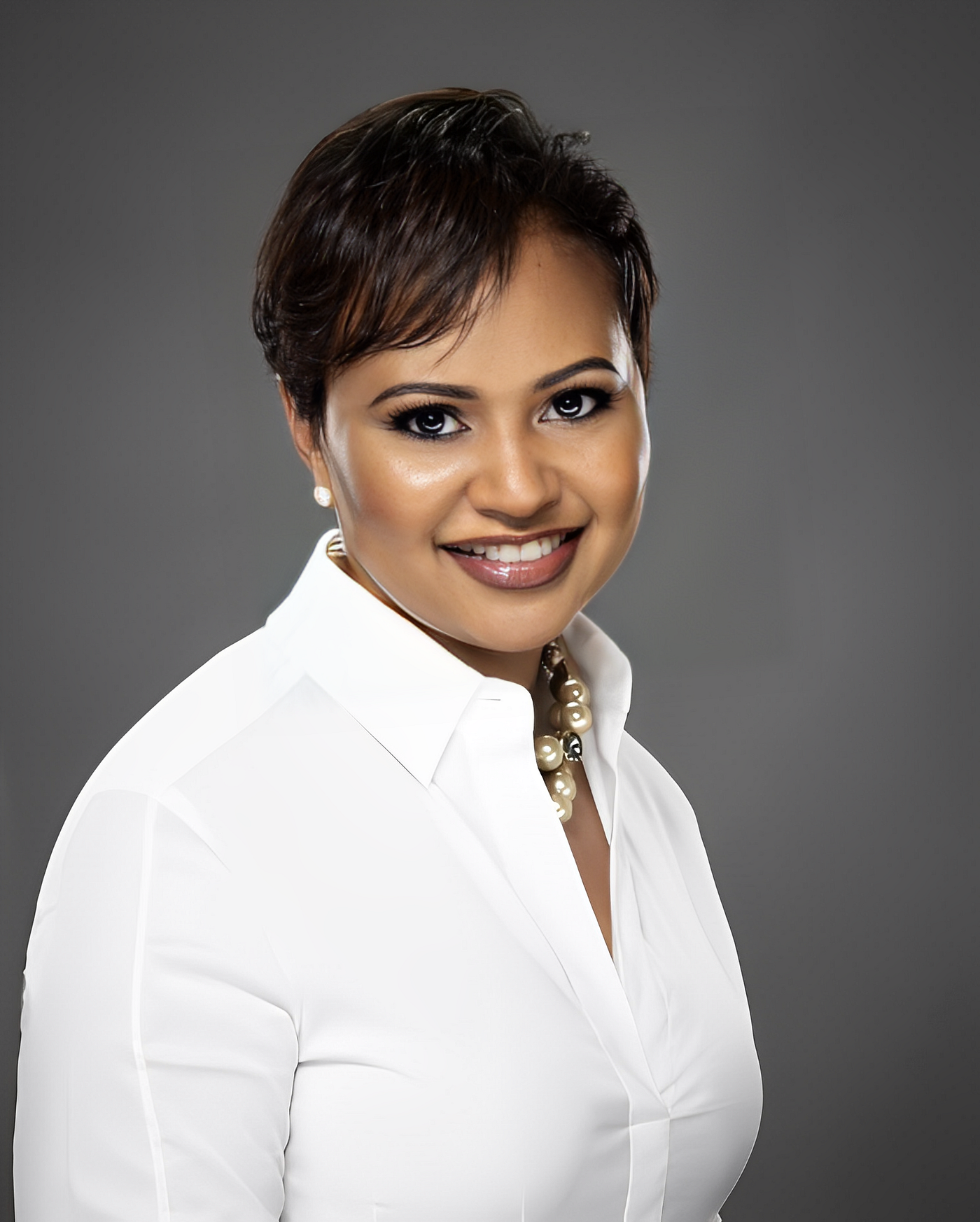
As a part of our series about business leaders who are shaking things up in their industry, I had the pleasure of interviewing Sherina Smith.
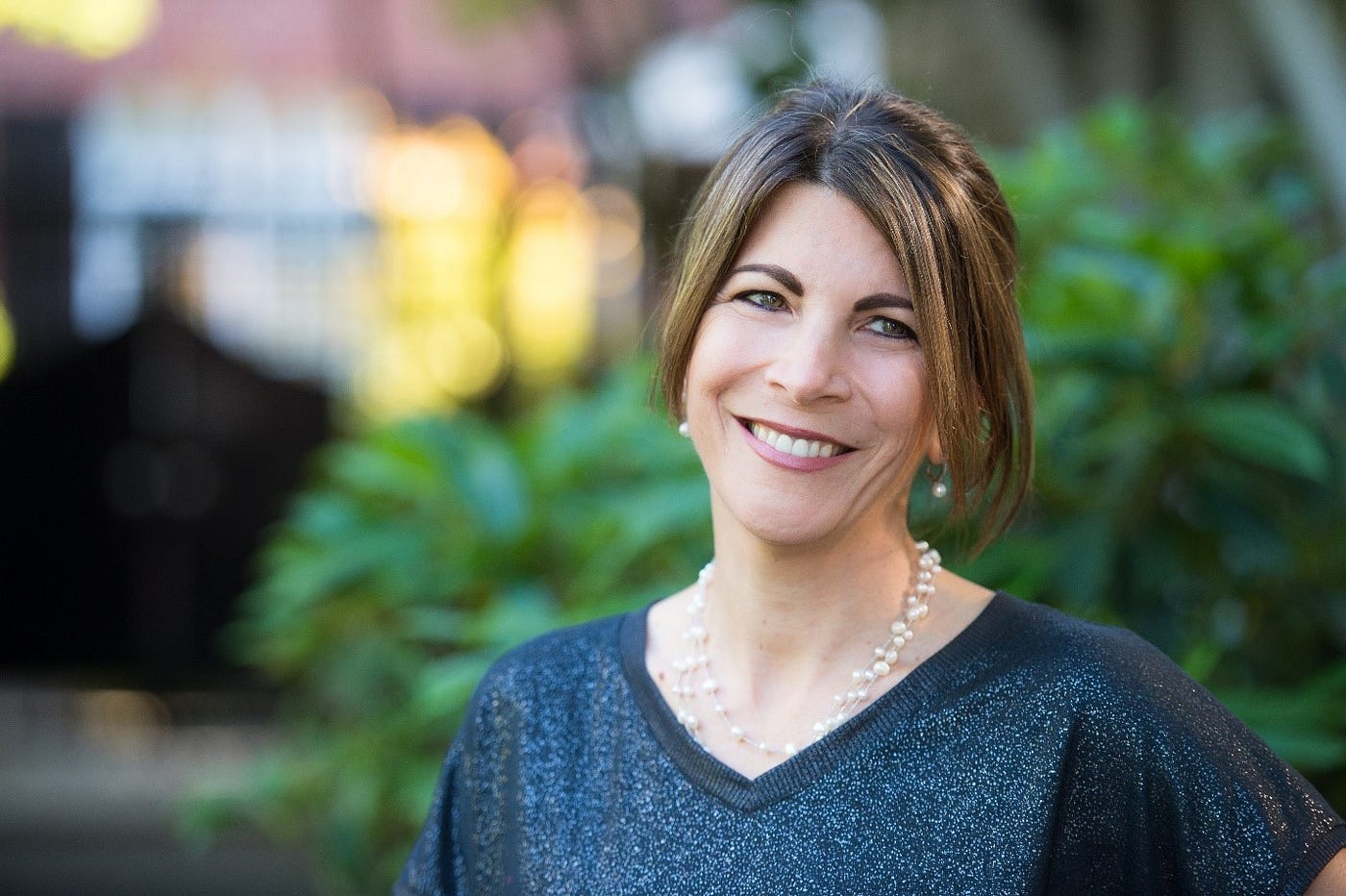
Chief Marketing Officer, American Family Insurance and Main Street America Sherina has a 20-year track record in leading marketing teams across retail, consumer packaged goods, and pharmaceutical categories and is currently the Vice-President of marketing for American Family Insurance. Prior to joining American Family Insurance, Sherina held leadership roles at JCPenney, Abbvie Pharmaceuticals and began her career in brand management at Kraft Foods leading iconic billion-dollar brands such as Kraft Singles and Kraft Macaroni and Cheese. She is a proven marketing leader with deep expertise identifying the intersection between consumer insight and P&L value creation with a passion for the consumer and people development.
Thank you so much for doing this with us! Before we dig in, our readers would like to get to know you a bit more. Can you tell us a bit about your “backstory”? What led you to this particular career path?
My backstory starts with my first major failure in life. I started college as an engineering major for all of the wrong reasons. There was a scarcity of black female engineers and as a high-school student with decent math and science grades, it seemed like as good of a choice as any with guaranteed employment. But, I soon learned calculus and physics require real commitment and passion for the subject matter to excel. And after failing a few classes, I tried taking classes I had a passion for. So I took an African American literature class and a few business classes and I quickly found I had a passion for finding the intersection of cultural insights and business value. It led me to choose a career in marketing, with a particular interest in fully delivering against growth audiences and their experiences as a way to connect to create powerful marketing that moves hearts and minds.
Can you tell our readers what it is about the work you’re doing that’s disruptive?
As an African American leader I am committed to drive our business forward by ensuring we not only have diverse business partners but also diverse owned agencies creating our work. In most organizations the general market agency writes the strategy and then they turn it over to the multicultural agency: ‘Okay, here’s the strategy. We also want multicultural work.’
But when we started to really look at who our growth consumer is…Who do we need to grow with? It’s the 25 to 40 year olds, and they are more multicultural than ever.
They drive 40% of growth so, why would that group be the afterthought? 40% of any growth target means their voice is not an afterthought and should really be reflected in the core of our strategy.
And that was really where it started. It was an accidental activist moment. I didn’t set out to be a renegade. For me it was good business sense. But for our industry it’s simply not the norm. Bravery and courage are required. At American Family Insurance, challenging the status quo is what is expected of our c-suite leaders. We have long recognized that the US looks different than it used to. That means leadership and the players at the table have to evolve.
Can you share a story about the funniest mistake you made when you were first starting? Can you tell us what lesson you learned from that?
I was a new brand-manager at Kraft Foods and running to my first meeting with the sales team as the Velveeta brand manager. We had escalators in the center of our building. I quickly ran down the escalator and got my heel stuck in the steps. I bent my knees and fell face forward on the escalator. I looked up to the face of our Division president in a heap at the bottom of the escalator. She smiled and said, “Hello, Sherina”. I was mortified and, at that moment, I wished that she didn’t know my name. But I brushed off my clothes, pried my shoe from the escalator groove, and smiled back. I said “Hello, Rhonda. I was just running to meet our sales team.” In that moment I learned, you have to keep it moving. No matter how embarrassing the moment, you brush yourself off, stand-up and keep pressing forward.
We all need a little help along the journey. Who have been some of your mentors? Can you share a story about how they made an impact?
Professor Roland Williams was my college English professor. When I was a wayward engineering student, I took his class and after getting the highest grade on a few assignments, he invited me to his office hours and asked why I was an engineering major instead of English or other disciplines that I could excel in. And when I gave my weak theory about being able to get a “good job”, he told me, “your gifts will make room for you, but you have to own them and not run away from them. No one wants a mediocre engineer.” His advice and sage wisdom changed the whole trajectory of my life.
Mary Beth West -Was the first black female executive that I knew personally. She was the Chief Marketing Officer at Kraft Foods while I was there. I watched everything about her. The way she would strategically push ideas to be bigger, the way she showed up in rooms as the “first” but always committed to making sure she wouldn’t be the last. She paved a way and created a pipeline of strong African American female marketers at Kraft, many of which are CMO’s at fortune 500 companies today.
Howard Friedman Taught me P&L management and how marketing and consumer insights sit at the core of the business and can be a tool to drive almost any lever in the P&L. He always taught me to “shoot my shot”. If you lose the game, let it be because you missed your own shot. Don’t lose because you passed the ball.
In today’s parlance, being disruptive is usually a positive adjective. But is disrupting always good? When do we say the converse, that a system or structure has ‘withstood the test of time’? Can you articulate to our readers when disrupting an industry is positive, and when disrupting an industry is ‘not so positive’? Can you share some examples of what you mean?
Disruption is upending the status quo and whether it is good or bad depends on how much you benefit from the status quo. Martin Luther King and Steve Jobs were both disruptors.
The United States is forever changed due to Dr. King. And yet, in the moment, there were elements of society who saw Dr. King as a bad disruptor to peace, causing trouble. And those of us, of a certain age, remember when flip phones and juggling your camera bag on vacation were par for the course. We missed capturing many key moments because, who carried a camera all of the time?
On the other hand, there are some long-standing institutions that we may not want to be fully disrupted to destruction, but we do want to be disrupted into relevance. The American experiment, democracy, and the promise for liberty for all is an ideal that Dr. King challenged and disrupted for modern day relevance. The core premise that innovation and driving impact across the value chain of any business has to be flexible enough to be disrupted into relevance. As the general market becomes more multicultural, and American culture shifts as a result, marketing and the ecosystem that surrounds it must also be disrupted into relevance. And we see it happening with media consumption, social media, and the creators of culture. The faces on screen and behind all screens must be disrupted for relevance to reflect what the “Now America’’ looks like.
Can you share five of the best words of advice you’ve gotten along your journey? Please give a story or example for each.
1. My dad was in the Navy and often used military examples to teach us lessons. While I was in college, my parents sold the home we grew up in and moved to a new neighborhood. Leaving our childhood home and neighborhood behind was disruptive. And my dad told me: When you are turning a ship, sometimes the deck chairs may slide around or tip-over. But, the ship still has to turn. In other words, change, even if it is for the better, can feel uncomfortable. But it isn’t a reason to stop the change.
2. Don’t waste the space you occupy. A current mentor and friend often reminds me that we are in rooms and meetings our ancestors only dreamed about. We can’t waste the moment. Don’t sit silently. The conversation, the discussion should be different because you were there.
3. Water seeks its own level. People tend to spend time with other folks who they think are their equals. So pay attention to who you are spending your time with. It will speak volumes about how you perceive yourself.
4. Empowerment and its friend accountability. We must always remember that when we ask for empowerment and when we give it, we must also be ready to be accountable for the decisions and power we have.
5. Be kind, Do the thing right. God blesses you. My grandmother was a very religious woman. And when I am stressed out and unsure of what choice to make, I remember her saying this to me. Which ultimately means, treat people with respect. Do excellent work, and you will be rewarded in the long run
We are sure you aren’t done. How are you going to shake things up next?
I will continue to travel and stay proximate to where our consumers are to be a smarter marketer staying at the pulse of culture
Do you have a book, podcast, or talk that’s had a deep impact on your thinking? Can you share a story with us? Can you explain why it was so resonant with you?
For me, leaning into my faith is the guidepost for my personal ethos. Leadership is not easy and requires the inner strength and willingness to stand alone on some decisions. It requires resilience, humility, and wisdom. I have a collection of podcasts and sermons that I listen to regularly. And I am a strong believer in prayer, meditation and journaling to stay grounded in my core beliefs.
Can you please give us your favorite “Life Lesson Quote”? Can you share how that was relevant to you in your life?
There is a Bible verse that I often reflect on: “That which can be shaken will be shaken so that which cannot be shaken shall remain.” Life will shake us. Strong leadership is being able to stand firm in our beliefs and convictions as the ground around us shifts.
You are a person of great influence. If you could inspire a movement that would bring the most amount of good to the most amount of people, what would that be? You never know what your idea can trigger. :-)
If I could inspire a movement that would bring the most amount of good to the most people, it would be to harness the curiosity, fearlessness, and wonderment of a 5 year old. They are boundless in their energy and expectations of what they can demand of the world. If we all held on to that energy and spirit no obstacle would be too big for us to challenge and tackle. This is the embodiment of being Free to Dream. At American Family Insurance, we believe in closing equity gaps. We inspire, protect, and restore dreams. We are champions of dreams so that all can rise.
How can our readers follow you online?
https://www.linkedin.com/in/sherinasmith/
This was very inspiring. Thank you so much for joining us!
AM
Written by
Authority Magazine Editorial Staff
Editorial Desk · Authority MagazineThe Authority Magazine Editorial Desk produces, verifies, and edits long-form primary-source interviews with executives, innovators, clinicians, creators, and social impact leaders across Business, Tech, Pop Culture, Wellness, and Social Impact.

Published inAuthority MagazineTop Lessons, Top Authorities · 42K Followers
Exclusive, curated interviews with the leaders and changemakers shaping tomorrow. Leadership lessons, industry deep dives, and executive profiles.