As employers, it is essential to empower employees to identify their skills, address their knowledge gaps, and maximize their potential through customized learning paths and plans.
Tech
Sastry Durvasula: How TIAA Optimizes IT Resources Through the TETRIS Multi-Year Cloud and AI Strategy
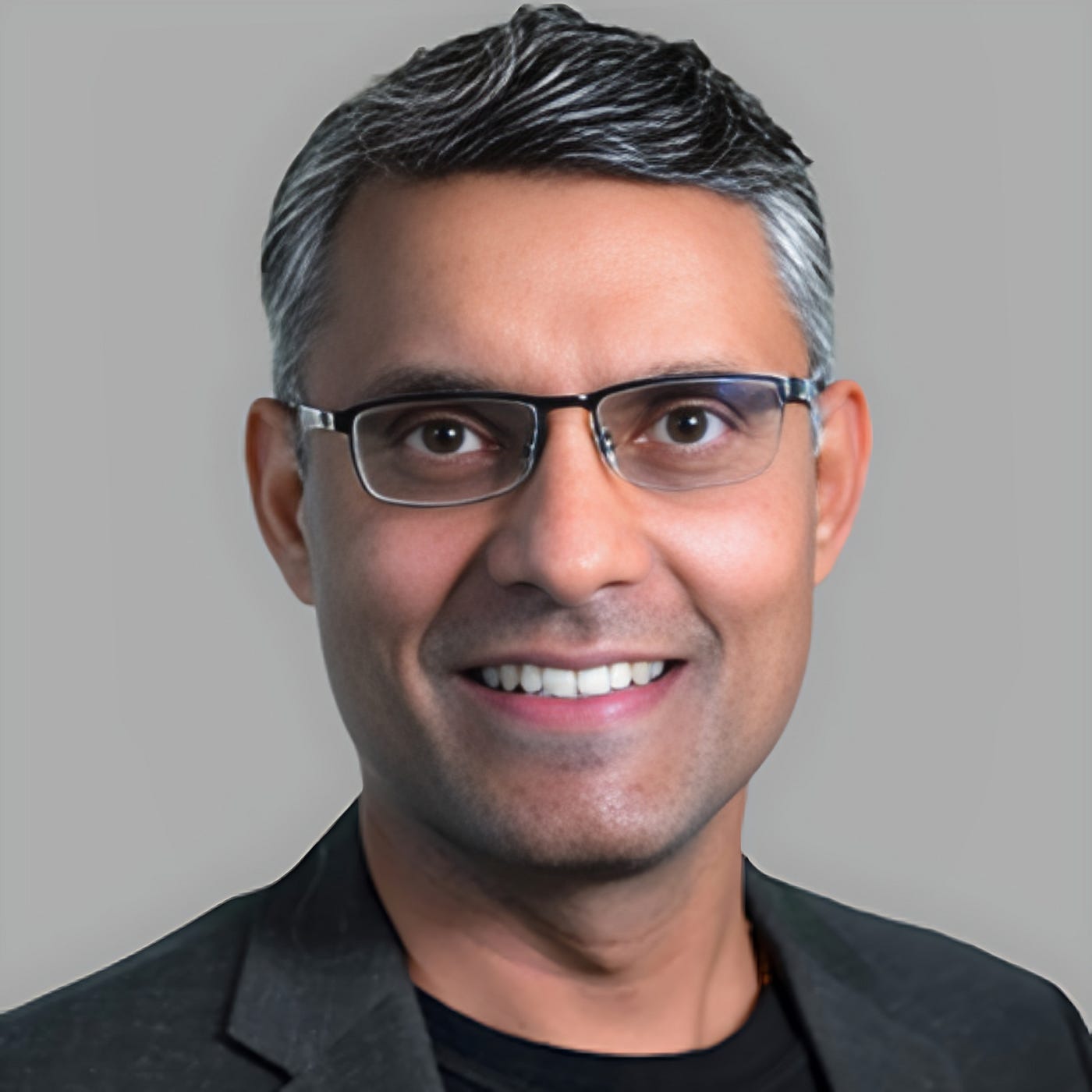
In the dynamic realm of Information Technology, resource optimization stands as a cornerstone of efficiency and innovation. Balancing the triad of infrastructure, people, and processes is crucial for IT organizations to thrive and to provide consistent value. Yet, how can IT leaders ensure that every resource is utilized to its full potential? How do the principles of modern infrastructure align with human capital and streamlined processes to ensure that IT departments are agile, robust, and forward-thinking? As a part of this series, we had the pleasure of interviewing Sastry Durvasula.
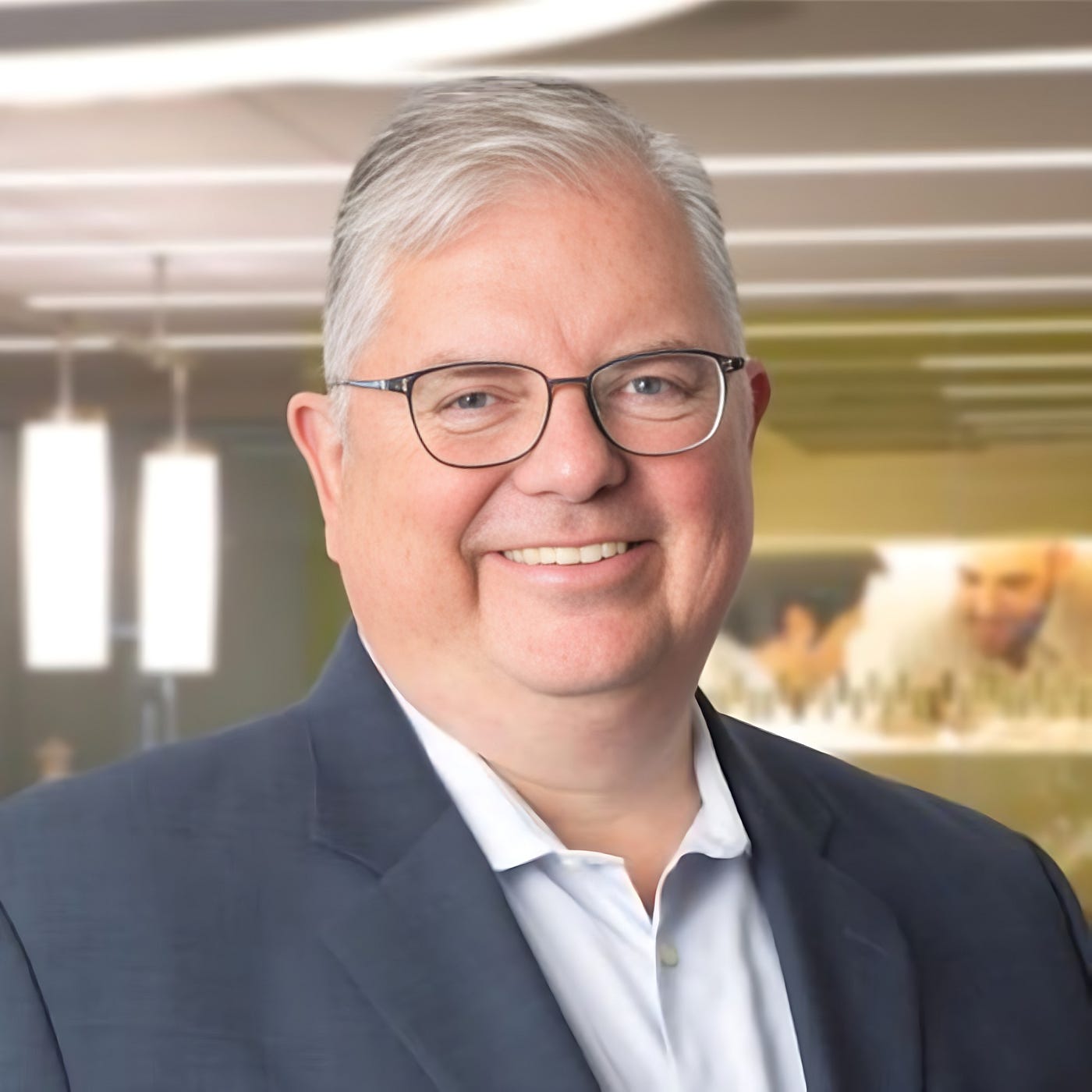
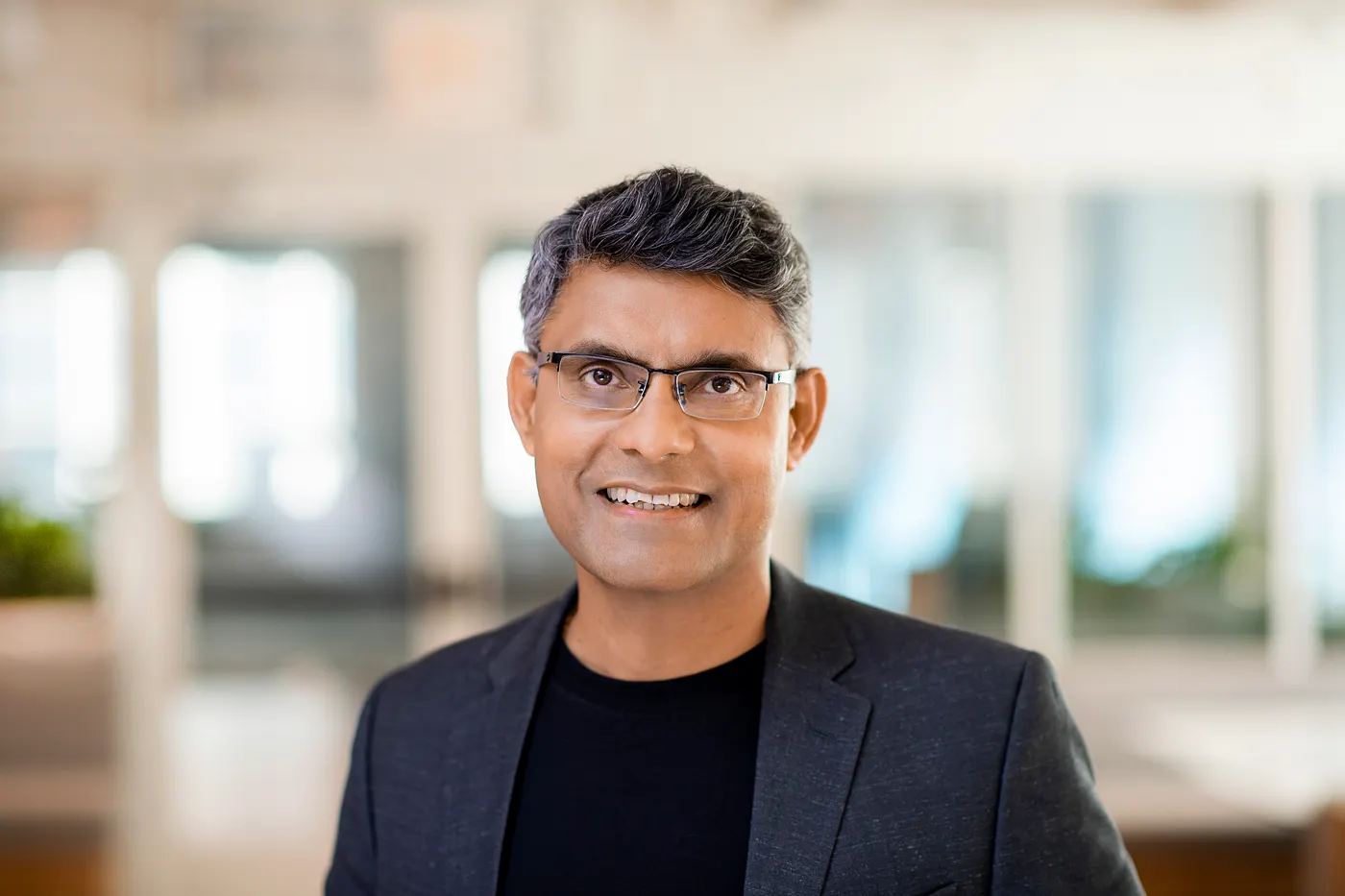
Sastry Durvasula is the Chief Information and Client Services Officer at TIAA, responsible for leading the global technology and client services organizations, and a member of the company’s Executive Committee. Sastry is also responsible for the company’s Global Data and AI, Global Business Services, Client Tech Labs and Partnerships across Retirement Services, Nuveen Asset Management, Wealth Management and other businesses and subsidiaries, and serves on the board of TIAA India. TIAA, a Fortune 500 company founded 100+ years ago, is a leading provider of secure retirements and outcome-focused investment solutions to millions of people and thousands of institutions, with $1.3 trillion in assets under management.
Thank you so much for doing this with us! Before we dive in, our readers would love to “get to know you” a bit better. Can you share your personal backstory with us?
My career began as a software engineer in consulting, primarily serving global clients in the financial services sector. I loved to code, and I still do mostly for hands-on learning of new technologies.
As I progressed from coding to leading teams, the roles of CIO, CTO and CEO seemed like distant but intriguing possibilities. It was at this point that a wise mentor offered me invaluable advice. I vividly recall our conversation where he emphasized the importance of the “three Ps” — platforms, processes, and people. He told me that, in leadership roles, it ultimately boils down to “people, people, people.” While platforms would evolve, and processes would be reengineered, investing in people, nurturing their growth, and growing alongside them would be my real journey into leadership.
Over the past two decades, I had the amazing opportunity and privilege to serve in global technology, digital, data and analytics leadership roles at American Express, Marsh McLennan and McKinsey & Company prior to joining TIAA as the Chief Information and Client Services Officer. And I firmly believe that the advice to focus on people first holds true every day.
I love and strive to transform large, global, century-old businesses with the power technology and digital capabilities. My current and past roles have been with century-old firms, except for McKinsey which is almost there. The intersection of business, technology and people leadership is what gets me going.
Outside of my role at TIAA, I am active in the industry as an advocate for gender diversity in tech. I had the opportunity to lead several global initiatives to address the gender gap and serve on the board of Girls in Tech, a global nonprofit with over 100K members across 50+ chapters around the world.
None of us are able to achieve success without some help along the way. Is there a particular person who you are grateful for who helped get you to where you are? Can you share a story about that?
My mom. I talked earlier about leading with authenticity and investing in people. My passion for gender diversity in technology and the workforce is deeply rooted in my personal experiences. My mother was a single mom, as my father passed away when I was young. She raised three children, and I was the oldest. I witnessed firsthand the crucial role that women play not only within their families but also in society. This experience ignited my passion for promoting gender diversity and empowering women in the workforce.
Let’s talk about how to optimize IT Resources. How do you assess the current state of your IT infrastructure? What metrics do you use to measure its efficiency?
The assessment and optimization of our IT resources and infrastructure are closely aligned with our core business metrics. We evaluate our ability to enable client experiences and strategic priorities of our retirement, asset management and wealth management businesses. Additionally, we consider industry-standard metrics such as technology investments as a percentage of revenues and assets under management. We also measure our own performance year over year, leveraging new technologies to deliver with speed and efficiencies. This framework allows us to evaluate our technology performance from multiple perspectives.
How do you prioritize and allocate resources for hardware and software upgrades to maximize performance?
We approach hardware and software upgrades as part of our comprehensive technology roadmap. Our multi-year tech ecosystem transformation program, called TETRIS, covering seven layers of the technology stack in our architecture, is designed to position us for the future. Cloud-first, Digital-first and AI-first are the core tenets of this program. We identify where we want to be in three years and take a strategic approach to hardware and software upgrades to not only maximize current performance but also proactively future proof our infrastructure. It’s a combination of reactive and proactive measures integrated into our technology roadmap.
What security measures do you have in place to safeguard your IT infrastructure while optimizing its performance?
We maintain a robust cybersecurity program, overseen by our experienced Information Security Officer, to ensure comprehensive security. This program encompasses multiple pillars of cybersecurity to safeguard our IT infrastructure. There are three key pillars of TIAA’s cybersecurity program.
The first pillar focuses on modern AI enabled protection for data we manage. In addition to 24x7 SOC operations, Data loss prevention and protection, Multi-factored Access Controls, TIAA has award winning Cyber Awareness and Cyber Risk Program.
The second pillar focuses on protection for client account access. TIAA offer user-friendly always-on multifactor authentication can be combined with additional security challenges & award-winning call center authentication. TIAA has a robust fraud prevention and management practices & training. TIAA’s Cybersecurity Partnership Network — client-focused collaborative thought leadership & best practice development to strengthen cybersecurity for higher education, healthcare, and the broader retirement planning industry — Afterall Cybersecurity is Community Sport.
The third pillar is providing assurance if something happens. Total Protection Promise — our practice reinstates no-fault clients for fraud.
How do you identify the skill sets and competencies required for your IT team to effectively manage and optimize resources?
We launched a comprehensive program called TIA Tech Tomorrow (T3) and fostering skill and competency development is integral part of this. As employers, it is essential to empower employees to identify their skills, address their knowledge gaps, and maximize their potential through customized learning paths and plans. Historical estimates suggest that approximately 50% of tech skills become obsolete every two years, and in the current environment, this timeframe is expected to shrink even further.
We are in the era of reskilling revolution in technology. We are assessing our talent and providing reskilling and upskilling opportunities. Today’s focus may be on generative AI, but tomorrow it will inevitably shift to something new. The ability to adapt, learn, and understand the business itself is equally crucial because ultimately, the challenges we tackle are in service of the business strategy, products, and issues. Both technical acumen and business acumen hold utmost importance.
However, equally vital is the people side of the equation. As the leader of a large organization comprising 60% of the company’s colleagues, which includes technology and client services, interpersonal and people skills are paramount. Navigating through a large organization with multiple business units, verticals, and horizontals requires strong interpersonal abilities. I consider these skills to be among the most important attributes for a leader’s success, even if they possess excellent functional domain knowledge and technical expertise. Collaboration and being a team player are crucial in a large company, as all contributions should serve the collective goals rather than self-interest.
Another attribute I value is balance and leadership stamina. Technology transformation initiatives often span multiple years, and securing ongoing investments becomes a recurring task. Leadership stamina and persistence are essential in such transformative environments.
What strategies do you use to foster professional development and continuous learning within your IT team?
I’m going to highlight 5 big steps we have taken as a firm as part of our TIAA Tech Tomorrow (T3) agenda for colleague development:
1. Building the TIAA Guild Network: a groundbreaking program that fosters continuous learning and development through communities of practice. These guilds focus on strategic areas such as agile methodologies, data and AI, and API technologies, enabling our associates to upskill and become subject matter experts. We opened the AI Guild to all colleagues across the firm, enabling everyone to have the opportunity to upskill and reskill as well as get relevant industry certifications. Additionally, we launched Guild Gigs providing hands on projects to our colleagues to “minor” in AI while they “major” in their current roles and skills and elevate learning opportunities. We have also established partnerships with renowned universities like NYU where TIAA employees have the opportunity to graduate from cyber programs, equipping them with specialized knowledge and skills.
2. Developing our Client Tech Labs: to further drive innovation, earlier this year, we launched our Client Tech Labs, uniting higher education institutions and industry leaders in a collaborative effort with us. Together, we are dedicated to forging cutting-edge fintech, AI and and technology solutions.
3. Developing a robust internship program has played a crucial role in building a talent pipeline. We recently organized T3 hackathon with interns from 50+ universities and colleges to collaboratively develop GenAI solutions that directly benefit our clients.
4. Academia Partnerships: We’ve also established partnerships with renowned universities like NYU where TIAA employees have the opportunity to graduate from cyber programs equipping them with specialized knowledge and skills.
4. DE&I in Tech Partnerships: we are committed to creating meaningful partnerships and opportunities for the next generation, which is why we actively engage with organizations like Blacks in Tech, Afro Tech, Girls in Tech, and the Society of Hispanic Professional Engineers to make a broader impact and foster diversity and inclusion in the industry.
Can you share examples of how cross-functional collaboration has contributed to resource optimization in your IT department?
Our approach involves verticals for accountability within businesses and shared services on the horizontal side. Our operating model includes business-facing CIOs for the primary businesses and corporate functions, and leaders of enterprise shared services like Cyber, Data & AI, global infrastructure and architecture. This structure allows us to optimize resources effectively. We have bridges connecting our businesses enabling seamless cross-functional collaboration and resource optimization. For instance, our Generative AI platform and models are developed in our AI Center of Excellence and made available to our business teams for innovation and application development. Reusable artifacts are also shared across the organization.
How do you identify bottlenecks or inefficiencies in your IT processes that might hinder resource optimization?
We have a now, next beyond approach that is deeply rooted in our overarching strategy of powering business growth, fostering innovation, while also transforming our core. We developed Tech Pods with agile teams to streamline tech capacity in alignment with these priorities. Our cloud and shared service platforms are organized through the enterprise TETRIS program mentioned above, for streamlined processes and prioritization to drive the strategy forward.
How do you ensure that your IT processes are aligned with business objectives and contribute to overall organizational efficiency?
We maintain a close partnership with the CEO of each business unit and their executive team, with our CIO teams being integral parts of their leadership tables. This arrangement ensures that technology processes are entirely in sync with our organizational strategy. Our method encompasses a comprehensive analysis of our clients’ and plan sponsors’ day-to-day experiences, a process that scrutinizes every aspect. This approach identifies inefficiencies and streamlines processes where necessary. Through collaborative alignment with business objectives, we ensure technology is not only a driver of efficiency but also a catalyst for overall organizational advancement.
I believe that for CIOs or CTOs to be successful, they must integrate themselves deeply into the business, its domain, and its culture. They should prioritize being business leaders rather than purely technology leaders. This shift can be challenging, but I believe that in the post-pandemic, post-digital transformation landscape, and with the imminent disruptions brought by AI and the forthcoming revolutions, this is the best time for technology leaders to have a significant voice at the table and embrace their roles as business leaders. I’ve observed a growing prominence of this role in executive committees, the C-suite, and corporate boards, including our own board.
In light of this, we’ve implemented an operating model at TIAA with three primary business segments. The first is our core retirement business, where we offer retirement solutions and services to various sectors, including higher education, healthcare, nonprofits, and K-12 institutions. The second business is global asset management, where we manage over $1.2 trillion through Nuveen Asset Management, catering to different institutions and asset classes. The third is wealth management, which has a B2B2C focus. Within these primary segments, we have different customer groups, including plan sponsors, participants, and plan consultants.
To ensure that technology leaders are effectively aligned with the specific needs of these businesses, we’ve empowered them within the domains of asset management, wealth management, and retirement services. They work closely with the respective business leaders and CEOs to drive technology and digital innovation tailored to their domains, while also having the capability to collaborate across these segments through shared services.
Can you share experiences where you’ve successfully automated routine tasks to free up resources for higher-value activities?
One notable example is our collaboration with Google AI-a big milestone in our journey to delight clients with personalized services and experiences. This partnership is delivering powerful AI insights and capabilities to our colleagues who field millions of requests from retirement plan participants and provide financial education to clients and prospects. We have additional initiatives underway, particularly in the realm of generative AI, which promise even more advancements in this direction.
Fantastic. Here is the primary question of our interview. What are your 5 Tips to Optimize IT Resources Through Infrastructure, People, and Processes?
Our key tips to optimize resources include:
- A technology strategy aligned with the overarching business vision.
- A comprehensive operating model and a people-centered approach, including strategic partnerships and upskilling.
- Technology architecture, which continually removes tech debt and accelerates transformation to cloud and modern platforms, addressing different time horizons (yesterday, today, and tomorrow).
- Digital- and AI-First automation with end-to-end journey mapping, addressing critical business processes, client experiences, and colleague capabilities.
- Client-centric tech innovation that combines Centers of Excellence and federated innovation across the enterprise.
How do you maintain a balance between short-term resource optimization goals and long-term strategic IT planning?
Our mission statement for the global technology organization is — power business growth and client experiences, fuel innovation and transform the core. We strike this balance by aligning our technology strategy with a well-defined three-year vision. This approach ensures that our short-term resource optimization goals are harmonized with long-term strategic IT planning, allowing us to meet current needs while propelling us toward our future objectives.
What role does feedback from end-users and stakeholders play in shaping your resource optimization strategies?
Feedback from end users and stakeholders plays a significant role in shaping our resource optimization strategy. We gather feedback from various customer segments, both internal and external. Externally, we engage with participants, plan sponsors, consultants, and institutional clients to assess how our capabilities, especially those that directly interact with clients, are performing. Beta launches in our client tech labs provide an iterative feedback loop, allowing us to refine and strengthen products before they go live.
Internally, we consider input from business leaders who drive end-to-end roadmaps. We also have regulatory, legal, and compliance stakeholders who provide their perspectives through well-defined control mechanisms. Finally, our colleagues, who are often our participants, provide valuable insights into the user experience and how our technologies accommodate the evolving landscape.
How do you adapt your resource optimization strategies to accommodate technological advancements and industry trends?
As part of our T3 agenda, we are strategically partnering with and leveraging industry trends. As an example, in our recent T3CON event, several industry experts took part in the industry workshops covering AI, Quantum Computing, Cloud, Metaverse and other emerging tech.
Adapting resource optimization strategies in response to technological advancements and industry trends is part of our approach encompassing various facets. The foundation lies in our talent pool, with our technology labs and guild network serving as primary mechanisms for staying abreast of the latest trends. We have a “tech innovation funnel” that tests and guides ideas and prototypes towards beta and full-scale product launches.
Thank you for these fantastic insights. We greatly appreciate the time you spent on this.
MM
Written by
Martita Mestey
Writer & ContributorContributor at Authority Magazine covering leadership, innovation, and industry insights.

Published inAuthority MagazineTop Lessons, Top Authorities · 42K Followers
Exclusive, curated interviews with the leaders and changemakers shaping tomorrow. Leadership lessons, industry deep dives, and executive profiles.