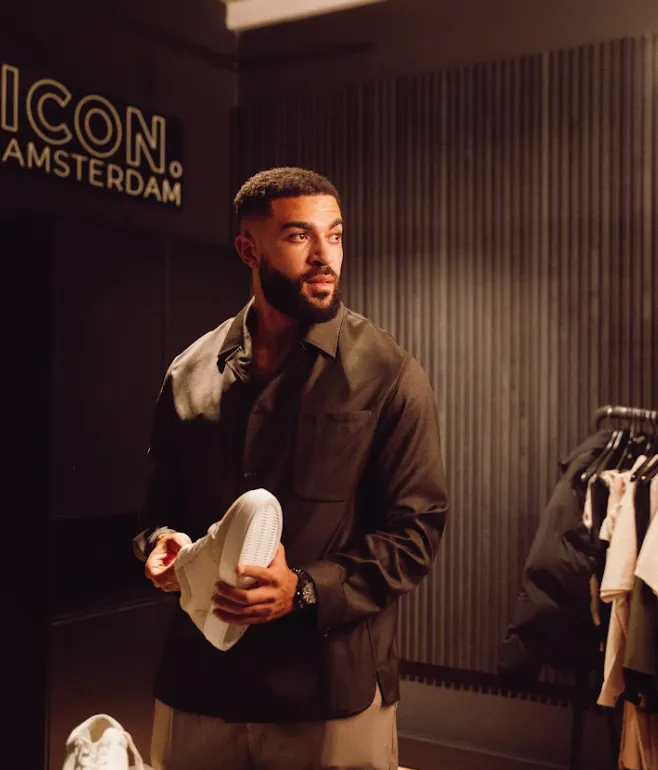
The early years were brutally honest. I struggled to make consistent revenue, suppliers failed me, ads didn’t work, and I made costly mistakes simply because I didn’t know better.
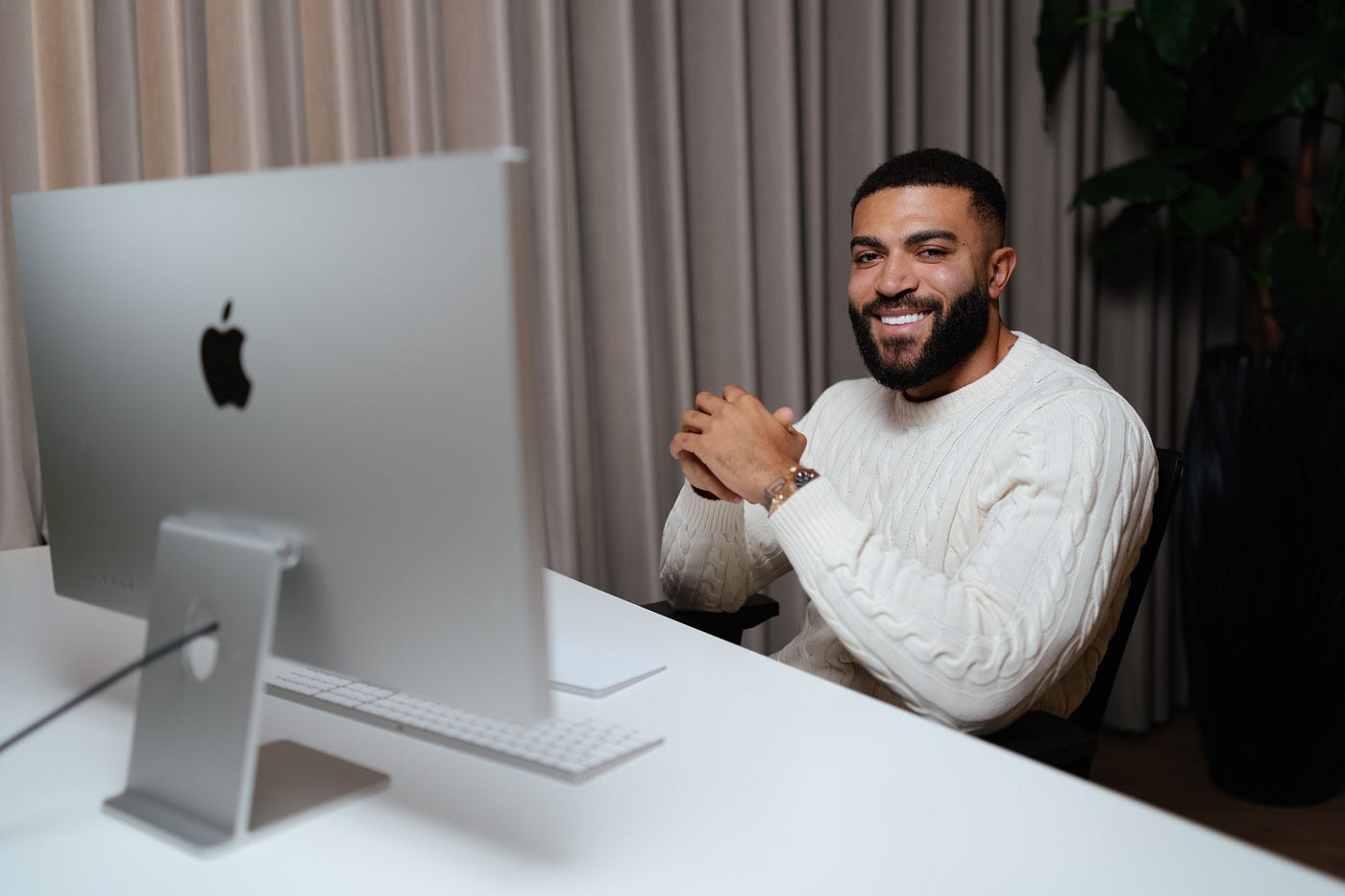
The early years were brutally honest. I struggled to make consistent revenue, suppliers failed me, ads didn’t work, and I made costly mistakes simply because I didn’t know better.
Taking the risk to start a company is a feat few are fully equipped for. Any business owner knows that the first few years in business are anything but glamorous. Building a successful business takes time, lessons learned, and most importantly, enormous growth as a business owner. What works and what doesn’t when one starts a new business? What are the valuable lessons learned from the “University of Adversity”?
As a part of this interview series, I had the pleasure of interviewing Samuel Onuha.
Samuel Onuha is a Dutch entrepreneur, investor, and philanthropist best known as the founder of ICON Amsterdam. Starting in 2018 with a single product vision, he built the label into a multi eight-figure menswear brand. Today, Samuel balances business expansion with philanthropic initiatives across Europe, Dubai, and USA, showcasing his drive to create impact beyond fashion.
Thank you so much for joining us in this interview series! Can you tell us a story about what brought you to this specific career path?
I didn’t grow up surrounded by entrepreneurs or big ambitions. I was raised in a small fishing town in the Netherlands by my mother after my parents divorced when I was young. Life felt predictable, almost boxed in, and from early age I knew I didn’t want my future to be limited by my environment. I wasn’t chasing luxury. I was chasing freedom and the ability to build something of my own.
As a teenager, I discovered e-commerce online. At the time, there was very little information available in my own language, so everything I learned came from trial and error. I started my first business at 18 through dropshipping, working late nights while juggling a side job. It wasn’t glamorous, but for the first time in my life, I felt like I was actively shaping my future rather than waiting for it to happen. That realization was catalyzing. It set me on a path I haven’t looked back from since.
Can you tell us a story about the hard times that you faced when you first started your journey?
The early years were brutally honest. I struggled to make consistent revenue, suppliers failed me, ads didn’t work, and I made costly mistakes simply because I didn’t know better. One of the toughest moments came when a product I was selling suddenly got me into legal trouble because the supplier didn’t have the rights to produce it. Overnight, something that was working was gone.
Later on, even after ICON started growing, we faced moments where the business nearly collapsed. In 2022, we came dangerously close to bankruptcy. It forced me to strip everything back and question what truly mattered. That period humbled me. Everything ICON is today was shaped by lessons learned during those moments, not during the easy wins.
Where did you get the drive to continue even though things were so hard?
The drive came from knowing I didn’t want to go back. I had already seen what it felt like to create something from nothing, and that feeling outweighed the fear of failure. I also felt a responsibility to prove to myself that my background didn’t define my ceiling.
There were many moments when quitting would have been easier, but every setback taught me something valuable. Even when things felt uncertain, I reminded myself that clarity comes from action. I kept moving forward, adjusting as I learned. That mindset has guided me day in and day out.
So, how are things going today? How did grit and resilience lead to your eventual success?
Today, ICON Amsterdam is a multi eight-figure brand with a strong global presence. But the success people see now is the result of years of resilience, uncomfortable decisions, and relentless focus. Grit wasn’t about pushing blindly. It was about staying disciplined, learning from mistakes, and rebuilding when things didn’t work.
Resilience taught me to stop chasing short-term wins and instead focus on building something sustainable. Once I committed to that mindset, everything changed.
Can you share a story about the funniest mistake you made when you were first starting? Can you tell us what lesson you learned from that?
Early on, I once launched ads for a product without double-checking the website checkout. The ads worked incredibly well, orders came flooding in, and I thought I had finally cracked the code. A few hours later, I realized customers couldn’t actually complete their purchases. I had essentially paid for traffic that couldn’t convert.
It was painful, but also humbling. The lesson was real… excitement can’t replace fundamentals. No matter how fast you grow, you have to respect the basics. That mistake taught me to slow down, verify everything, and build systems properly instead of rushing wins.
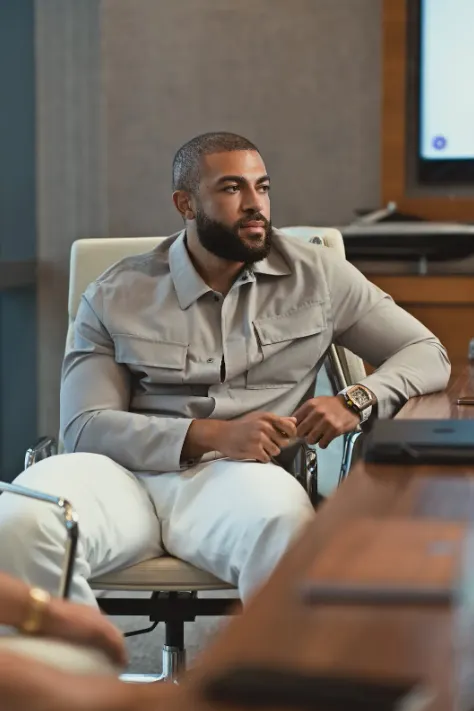
What do you think makes your company stand out? Can you share a story?
ICON was never built just to sell clothes. It was built around a mindset. We design for men who want to show up with intention, discipline, and quiet confidence. That philosophy is reflected not only in our products, but also in how we run the company.
During one of our toughest periods, instead of chasing trends or copying competitors, we went back to our original values and redesigned everything from product fit to brand messaging. That decision helped us reconnect with our audience and rebuild stronger than before. The brand stands out because it’s authentic. It’s a reflection of our journey, not a manufactured image.
Which tips would you recommend to your colleagues in your industry to help them to thrive and not “burn out”?
First, build structure before scale. Burnout often comes from chaos, not workload. Second, stop comparing your behind-the-scenes to someone else’s highlight reel. Growth looks different for everyone. Lastly, remember that rest is not weakness. You can’t lead, create, or think clearly if you’re constantly depleted. Sustainable success comes from consistency, not constant intensity.
None of us are able to achieve success without some help along the way. Is there a particular person who you are grateful towards who helped get you to where you are? Can you share a story?
I’m incredibly grateful to my mother. She raised me with strength, discipline, and values that shaped who I am today. She believed in me long before there was anything tangible to believe in. Her resilience during difficult times showed me what real strength looks like.
I’m also grateful to my brother, Ruben, who joined me on this journey and helped build ICON into what it is today. Building something alongside family brings its own challenges, but it also brings trust and shared purpose.
How have you used your success to bring goodness to the world?
Success has allowed me to focus on something that matters deeply to me, mentoring young people and early-stage entrepreneurs who are trying to find their direction. I remember starting out without guidance or access to the right information, so today I make an effort to share what I’ve learned through mentoring.
Looking ahead, the theme for 2026 is very clear for me, purpose over profit. Building strong businesses will always matter, but real success is defined by impact. We’re working on several initiatives focused on creating opportunities for youth, especially those who may not have access to the same networks or resources.
One of the most exciting projects on the horizon is a major youth football charity event planned in Dubai. Football has played a huge role in my life and my brother’s growing up. It taught us discipline, teamwork, and resilience, and we’ve seen firsthand how powerful it can be for young people. This event is designed to use that same energy to inspire youth, create opportunity, and support their development. More details will be shared soon.
What are your “5 things I wish someone told me when I first launched my business,” and why? Please share a story or example for each.
1. You don’t need clarity to start. You get clarity by starting.
When I launched my first business, I thought I needed everything figured out. The perfect product, the perfect plan, the perfect timing. In reality, none of that existed. I started anyway, learned what didn’t work, and adjusted in real time. Every meaningful breakthrough I’ve had came after action, not before it. Waiting for clarity would have kept me stuck.
2. Cash flow matters more than ego.
Early on, I made decisions based on how things looked rather than how they actually performed. I chased growth before understanding margins and sustainability. That caught up with me fast. There were moments where the business looked successful on the outside, but internally things were fragile. Learning to respect cash flow and fundamentals saved the company later on.
3. Suppliers and systems can make or break you.
In the beginning, I trusted suppliers too easily. One early product performed well until I found out the supplier didn’t have the rights to produce it, which forced me to shut it down overnight. It was painful, but it taught me to be obsessive about due diligence, contracts, and systems. Strong operations are invisible when they work, but devastating when they fail.
4. Growth will expose your weaknesses before it rewards your strengths.
When ICON started scaling, it didn’t solve problems, it magnified them. Weak processes, wrong hires, unclear roles, all of it became impossible to ignore. One of the hardest lessons was realizing that personal growth as a founder had to match business growth. The company couldn’t outgrow my discipline, mindset, or leadership.
5. If you don’t protect your energy, you’ll burn out before you succeed.
There was a period where I thought working nonstop was the only way forward. It wasn’t. It led to poor decisions and unnecessary stress. What changed everything was learning to build structure, delegate properly, and step back when needed. Consistency beats intensity. Long-term success requires stamina, not just ambition.
Can you share a few ideas or stories from your experience about how to successfully ride the emotional highs & lows of being a founder”?
One of the biggest surprises for me as a founder was how emotional the journey is. The highs can feel incredible, and the lows can feel very heavy, sometimes within the same day. Learning to ride those waves without letting them control you is a skill that takes time.
One thing that helped me was separating emotion from decision-making. Early on, a bad day could completely shake my confidence, and a good day could make me overconfident. Over time, I learned to pause before reacting. I stopped making big decisions at emotional extremes and gave myself space to respond with clarity instead of impulse.
Another lesson was understanding that not every problem is personal. When sales drop or something breaks, it’s easy to internalize it as failure. I had to learn that setbacks are often operational, not personal. Treating challenges as problems to solve rather than reflections of self-worth made the lows more manageable.
I also learned the importance of routine and structure outside the business. Training, time with family, and moments away from work became anchors for me. When your entire identity is tied to the company, every fluctuation feels amplified. Creating space outside the business helped me stay grounded through both wins and losses.
Finally, perspective matters. Some of my lowest moments later became the most important turning points. Looking back, many of the things that felt like failures were actually lessons preparing me for the next phase. Once you understand that the emotional ups and downs are part of the process, you stop fighting them and start learning from them.
The journey doesn’t get easier, but you get stronger. And that strength comes from learning how to stay steady, even when everything around you feels uncertain.
You are a person of great influence. If you could start a movement that would bring the most amount of good to the most amount of people, what would that be? You never know what your idea can trigger. :-)
If I could start a movement, it would be about teaching people how to think independently again.
We live in a time where opinions, lifestyles, and definitions of success are constantly pushed onto people, especially through social media. Too many people are following paths they didn’t consciously choose, chasing goals they don’t truly understand, and comparing themselves to standards that aren’t real.
The movement would encourage people to slow down, question more, and take responsibility for their own direction. Not to reject ambition, but to be intentional with it. To think critically instead of copying, to build self-trust instead of seeking validation, and to make decisions based on long-term values rather than short-term pressure.
It would focus on helping people develop judgment, not just motivation. Teaching them how to evaluate opportunities, handle setbacks, and make choices aligned with who they are rather than who they’re trying to impress. That shift alone could reduce burnout, anxiety, and the feeling of constantly being behind.
If more people learned to think for themselves and move with intention, the impact would go far beyond business. It would influence how people raise families, build communities, and contribute to society. Real change doesn’t start with louder voices. It starts with clearer thinking.
How can our readers further follow your work online?
Readers can follow my work through my personal website, where I share more about my journey and upcoming projects, as well as through ICON Amsterdam for everything related to the brand, new collections, and what we’re building. I also share ongoing insights, updates and behind-the-scenes moments and reflections on Instagram & X, which are where I’m most active day to day.
This was very inspiring. Thank you so much for joining us!
The Authority Magazine Editorial Desk produces, verifies, and edits long-form primary-source interviews with executives, innovators, clinicians, creators, and social impact leaders across Business, Tech, Pop Culture, Wellness, and Social Impact.

Exclusive, curated interviews with the leaders and changemakers shaping tomorrow. Leadership lessons, industry deep dives, and executive profiles.


The founder and CEO of ORIGIN shares how he bypassed industry skepticism, embraced bootstrapping, and built a global digital marketing empire before age thirty.
The general manager of Broken Oar Marina-Bar & Grill shares how resilience, attention to detail, and authentic leadership transformed a struggling venue into a vibrant community hub.
The Managing Partner of Animal Capital shares how his childhood and early career shaped his relentless work ethic and unique approach to venture investing.
Former SEAL Team Six member and record-breaking BASE jumper Andy Stumpf reveals how elite military discipline translates into high-performance business consulting.
The co-founder and president shares how breaking through male-dominated industry norms and lifting communities globally transformed her approach to authentic leadership.
The serial entrepreneur and real estate developer shares her insights on overcoming gender hurdles, breaking into male-dominated industries, and redefining personal security through self-reliance.