If we all spent more time focusing on getting to know each other and making an effort to find common ground, our world and our businesses would, without a doubt, be better, and we would be able to solve many of the problems we face.
Business
Romil Bahl of KORE: Inside the Quest to Scale Global IoT Solutions Through Unwavering Corporate Culture and Strategic Execution
The KORE president and CEO shares critical lessons on transforming crisis management into team cohesion and the timeless value of relentless preparation.
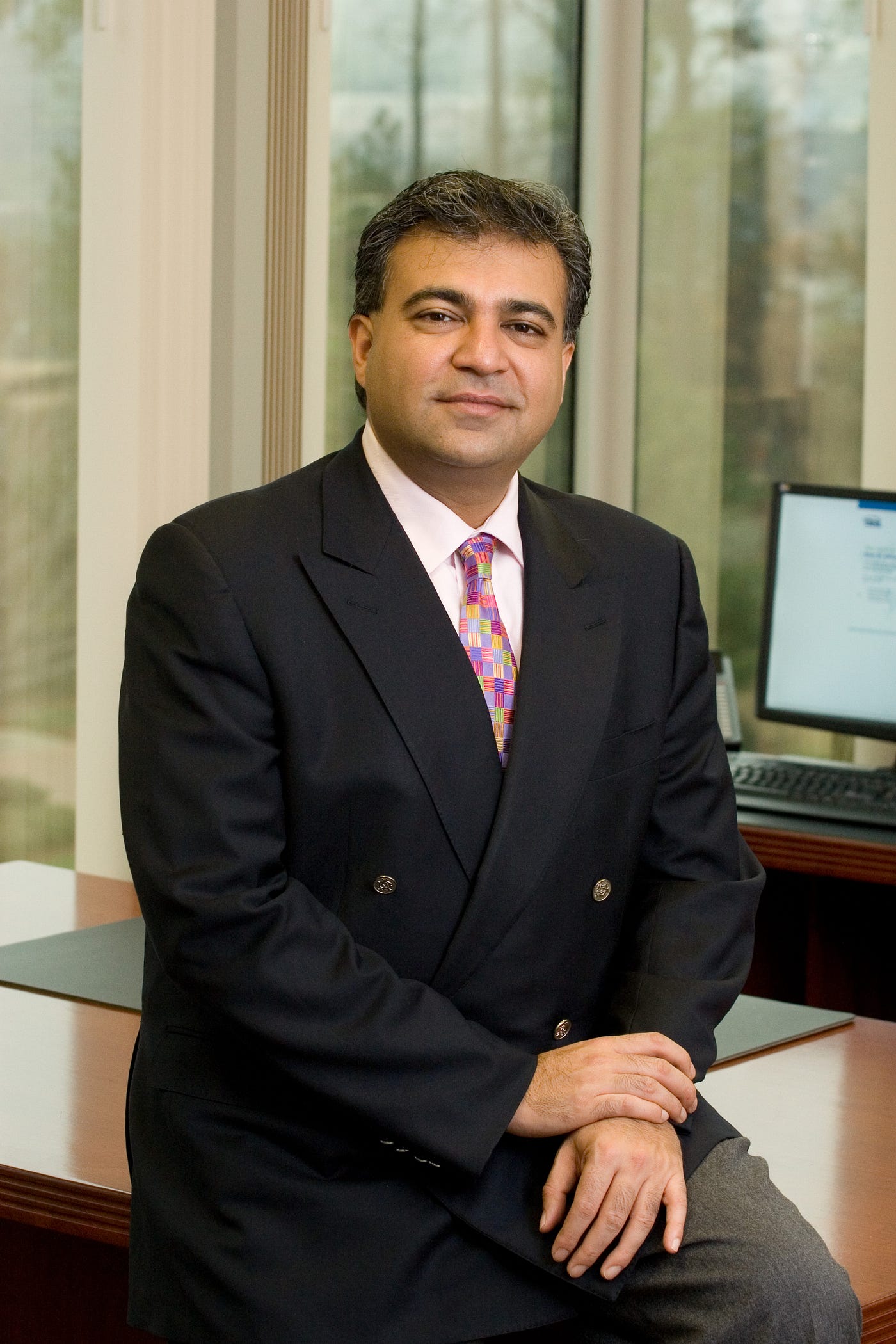
As part of our series called “5 Things I Wish Someone Told Me Before I Began Leading My Company” I had the pleasure of interviewing Romil Bahl.
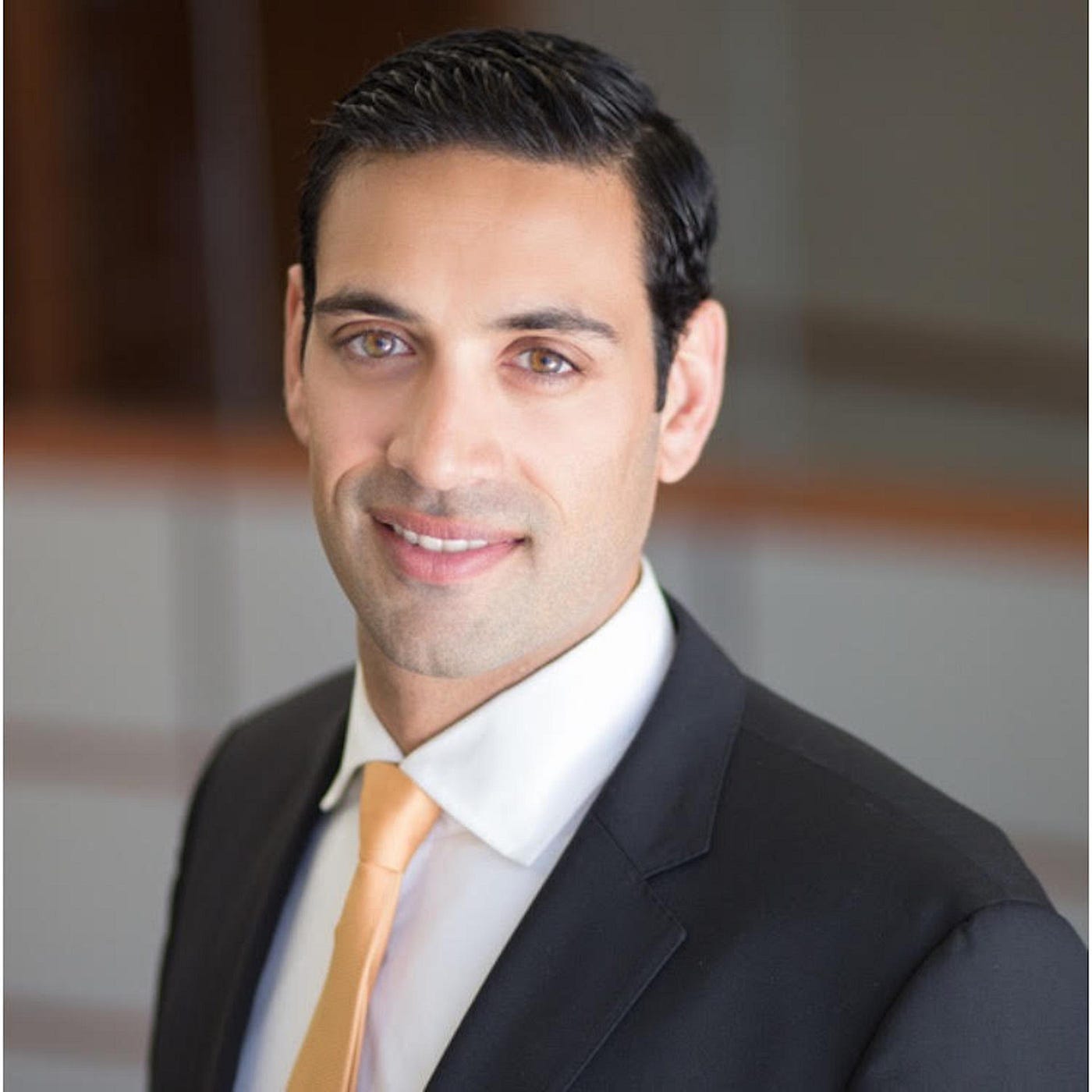
Romil Bahl serves as President and CEO of KORE. He brings almost 30 years of consulting, information technology, professional services, and IoT experience in high-growth and turnaround environments. Throughout his career, Romil has been instrumental in enabling breakthrough growth in technology and SaaS organizations. He has risen to complex challenges where he has crafted growth strategies, tapped new emerging markets and energized global teams. His leadership approach reflects deep expertise in developing strong client relationships and creating teams that are driven to innovate and excel.
Prior to KORE, Romil served as President and CEO of Lochbridge, a leading technology consulting and solutions provider in the IoT and digital enablement space. Before that, he was EVP and GM of Global Industries for CSC, leading the industry go-to-market dimension across the ~$9 billion commercial business unit, creating global growth strategies and expanding CSC’s global footprint into offerings such as cloud, cybersecurity and big data. Earlier, Romil was CEO of a data analytics-focused public company and had leadership roles at A.T. Kearney, Infosys and Deloitte Consulting.
Romil earned an MBA from The University of Texas at Austin and a Bachelor of Engineering degree from the Directorate of Marine Engineering & Technology in Kolkata, India.
Thank you so much for joining us in this interview series. Before we dive into our discussion, our readers would love to “get to know you” a bit better. Can you share with us the backstory about what brought you to your specific career path?
I attribute my current role as CEO of a global technology company to a combination of great mentors, a lot of hard work, and a bit of good luck. I will always be grateful to those who gave me opportunities, including personal advisors and board members who provided air cover and cleared the way to allow me to do what I do. Thank you to all of them! For my part, I always aspired to become a CEO. I started my career in consulting to acquire a varied experience set and to learn problem-solving and strategy skills. I then moved into P&L roles to better understand how to be an operating executive. When I was given the opportunity to be the CEO of a public company at the age of 40, I was able to make the leap quickly. Despite success at a relatively young age, I continued to prioritize learning about what it takes to make change happen in companies. Today, I’m in my third CEO job and enjoying it now more than ever.
Can you share the most interesting story that happened to you since you started your career?
Halfway through the four-year lead up to the 2002 FIFA World Cup, which was scheduled to take place across South Korea and Japan, the company responsible for the event’s technology delivery was suddenly out of business. FIFA had to start from scratch. I had worked with FIFA as a consultant at an earlier time in my career, so when a former colleague called and asked me to take on a “rescue mission” for the 2002 event, how could I decline? What I stepped into was quite the hornet’s nest. The first two days of a three-day planning summit in Korea did not go well. The language and translator challenges, geopolitical strains, and other pressures meant we were getting nowhere, and some of my colleagues were ready to give up. It was so disheartening that we almost canceled a group dinner the second evening. To be honest, this dinner saved the entire summit. By the end of the evening, which included plenty of food and beer as well as an impromptu stop of the entire group at a local karaoke bar, we all relaxed enough to see our similarities instead of our differences. Between verses of “Hotel California” and “Sweet Caroline,” we got to know each other as fellow humans instead of adversaries. By the end of the next day, we’d addressed probably 80% of the issues that needed to be resolved. This three-day span left an indelible impression on how I approach seemingly unsurmountable challenges. If we all spent more time focusing on getting to know each other and making an effort to find common ground, our world and our businesses would, without a doubt, be better, and we would be able to solve many of the problems we face.
Can you please give us your favorite “Life Lesson Quote”? Do you have a story about how that was relevant in your life?
“All else being equal, the company with the best strategy will win.” Relatively early in my career at A.T. Kearney, when that venerable consulting firm was making a strong investment into strategy consulting and, in fact, had acquired a boutique company in Northern Europe, we launched a class for all “Kearneys” to take: Business Unit Strategy. One of the senior partners from the acquired firm who helped develop the class made that statement to me as I worked on developing other parts of the class — a course that I would end up teaching as a core faculty member. I have since applied this concept in every business unit and in every company that I have ever led. It is critical to be a thoughtful student of the industry, understand how to win, and know where and how to compete. And yes, the phrase “culture eats strategy for breakfast” applies here. You need a great culture, but the goal of a high-performance culture is singular: to execute the strategy.
Is there a particular book that made a significant impact on your leadership style? Can you share a story or an example of that?
What do you think makes your company stand out? Can you share a story?
One year into the pandemic has made me look at what makes KORE stand out in a completely different way. If you’d asked me this question at the beginning of 2020, I’d have told you that our strategy, the unique breadth of our solution portfolio, and our ability to scale were our differentiators. Little more than a year later, I truly believe it’s the culture of KORE that makes us different and better. I was worried about how we’d keep it together as a company when it became clear that the way we worked would be drastically different because of the pandemic. I found that the challenges of the last year have really brought us together as a company. We’re all in this together — as a team. And despite not being able to meet face-to-face for over a year now, we have built a high level of trust amongst ourselves and with our customers. I could not be prouder of KORE’s strong, positive culture across the globe. This has, without a doubt, made our company stand out in our industry.
The road to success is hard and requires tremendous dedication. This question is obviously a big one, but what advice would you give to a young person who aspires to follow in your footsteps and emulate your success?
My daughters will attest that I have strong opinions on this topic, which I probably overshare with them. So here are three things that I’ve told them:
- Work hard to get out in front of challenges proactively. This means coming up with solutions instead of simply pointing out problems. This can-do attitude will raise your star in the eyes of leaders who look for potential
- Make an effort to learn about the different parts of the organization for which you work. Be curious and know what’s going on around you. The overall knowledge and skills you gain will give you a broad base of business acumen that will make you a better teammate and eventual leader.
- Find a mentor and also serve as a mentor. I’ve had several in my career, and the guidance they’ve provided has been invaluable. I feel so strongly about this that we’ve recently launched a formal mentorship program at KORE.
Often leaders are asked to share the best advice they received. But let’s reverse the question. Can you share a story about advice you’ve received that you now wish you never followed?
Ironically, this piece of advice was well-intentioned — though it ultimately proved to be not the best. When I first became a CEO, I was told by a board member to keep my head down, focus on execution, and not worry about the board. The idea was that if the business did well, and I added shareholder value, all would be fine in the end. I later discovered that I was fundamentally unaware of how certain board members were not aligned with our strategy. I did not realize that my hands-off attitude toward them as individuals was a poor approach for a CEO to take. That has not happened again. I no longer treat the board as an “entity” or as one stakeholder but, instead, as individuals whom each has value to offer and thoughts one should consider.
You are a successful business leader. Which three character traits do you think were most instrumental to your success? Can you please share a story or example for each?
1) A high level of personal integrity. I do not ask anyone to do what I am not willing to do myself, including travel, evening or weekend work, putting the care of our customers as a top priority, and more.
2) A strong work ethic and resilience. I pride myself on working relentlessly toward our goals as a company and as a team. No matter the inevitable tough moments any journey brings us, I wake up each morning full of energy. I jump out of bed and get going again, full of optimism and positivity!
3) Loyalty, which goes in both directions. I have a strong sense of loyalty to my Board of Directors and company as well as my team, and I work hard to ensure they are hugely successful.
Ok, thank you for that. Let’s now jump to the primary focus of our interview. Most of our readers — in fact, most people — think they have a pretty good idea of what a C-Suite executive does. But in just a few words can you explain what a C-Level executive does that is different from the responsibilities of other leaders?
Life as a CEO is not for all. It is incredibly fast-paced, it spans all functional areas of the company, and it requires prompt decision-making — sometimes with only 70–80% of the facts. Therefore, CEOs must build a sixth sense for where full transparency is not provided and learn to trust their judgments and instincts. Being a CEO also requires taking risks and driving a company and its team members toward a vision and strategy. Moreover, CEOs must have a crystal-clear understanding that they will never be the deepest expert in any area. They must, therefore, surround themselves with expertise and then mold the collective whole into a world-class team.
What are the “myths” that you would like to dispel about being a CEO or executive? Can you explain what you mean?
One common CEO myth is that serving as a CEO is rather glamorous, with the bulk of the hard work left to others. I have to say that there’s nothing further from the truth. I’m still out there grinding away from early morning until evening, especially with teammates and customers in almost every time zone around the world. And before coronavirus put a halt to travel, I was away from my family quite often. There are sacrifices nobody talks about… many missed children and family moments, from plays to concerts to birthdays. Truth be told, the hours and work I put in as a CEO outpace the amount of time I spent focused on my job early in my career. Another myth is that a CEO can put the entire company to work, so there is no pressure. It is actually the opposite. Serving as a CEO is singularly the most pressure one ever faces since the “buck truly stops here.” Everyone else gets to complain about a leader, the decisions being made, or the company strategy. The CEO has nobody to complain to and nothing to complain about.
What are the most common leadership mistakes you have seen C-Suite leaders make when they start leading a new team? What can be done to avoid those errors?
One common mistake new CEOs make is believing that they have all the answers. This is far from the truth, as no one person has proficiency across all areas of a business. Savvy CEOs surround themselves with individuals who bring a broad range of expertise to the table. As Jim Collins wrote in his book “Good to Great”: “Great vision without great people is irrelevant.” Another common leadership mistake is not leading by example. CEOs cannot walk out the door at 5 pm but expect employees to work evenings happily. CEOs who publicly berate team members cannot hope to earn their respect and loyalty. CEOs who never admit to a mistake will find teams making great efforts to conceal their own errors. CEOs must understand that their individual behaviors serve as the model for acceptable behavior throughout a company.
In your experience, which aspect of running a company tends to be most underestimated? Can you explain or give an example?
I would have to say strategy skills and communication skills. Without a strategy and focus, a company cannot win. And if you cannot communicate well, you cannot be a good CEO. Period.
Ok super. Here is the main question of our interview. What are your “5 Things I Wish Someone Told Me Before I Began Leading From the C-Suite”? Please share a story or an example for each.
- About 90% of the job of a CEO is communications. We have a responsibility to a lot of stakeholders — employees, customers, partners, investors, and so on — and they all need and deserve consistent and clear communication.
- A CEO’s voice is loud. Although occasionally the loudness may be due to volume, the truth is that people listen to what you say no matter if it’s shouted or whispered. A leader must always be aware of the power of his or her voice.
- The information you receive will be filtered. When the news is good, you will hear it quickly, and it may even be embellished. When the news is bad, it will be slow to arrive and be overly managed.
- Don’t consider the Board of Directors a single entity. The Board of Directors is comprised of individuals, each with their own opinions, experiences, and aims. A CEO needs to invest the time into getting to know each member of a board as an individual.
- Being a CEO is most definitely the loneliest job in the company. As a CEO, you struggle to find people to speak with about the biggest issues in a way that creates true transparency and real trust.
In your opinion, what are a few ways that executives can help to create a fantastic work culture? Can you share a story or an example?
First, I believe in building a work culture of trust and transparency where we have each other’s back. This only results from months and years of showcasing the behavior. Second, CEOs must be able to face brutal truths and be fearless in attacking problems. And although I may not be happy about some messages I receive, I certainly cannot shoot the messenger. Third, I believe in the importance of making time to meet executives one to one, preferably to break bread with those who are willing to do so. This allows me to get to know the executive as an individual. Last but not least, I believe that paying attention to one’s persona outside of work is important. “Work hard, play hard” is not just a cliché — it needs to be practiced well, and it can do wonders!
You are a person of great influence. If you could start a movement that would bring the most amount of good to the most amount of people, what would that be? You never know what your idea can trigger. :-)
If I could start a movement, it would be to bring people back together. We are much more alike than we are different. I would like to gather the best brains in the world to figure out how we can get society back in balance and individual speaking to each other by not focusing on the few differences but remembering the many similarities we have, including across race, culture, and politics. Freedom, democracy, diversity of thought — these are the values that are important. Nothing else matters.
How can our readers further follow you online?
LinkedIn: https://www.linkedin.com/in/romilbahl/ — Twitter: @BahlRomil
Thank you for the time you spent sharing these fantastic insights. We wish you only continued success in your great work!
PP
Written by
Parveen Panwar
Mr. Activated · Authority Magazine ColumnistAuthority Magazine Columnist & Contributor

Published inAuthority MagazineTop Lessons, Top Authorities · 42K Followers
Exclusive, curated interviews with the leaders and changemakers shaping tomorrow. Leadership lessons, industry deep dives, and executive profiles.