The lowest point of my gambling addiction—what we call hitting rock bottom—hit me in September 1993, after a grueling three-day gambling binge. I was slumped in my car, hands clenched on the steering wheel, trying to find the guts to walk into my first Gamblers Anonymous meeting.
INTERVIEW QUESTIONS.
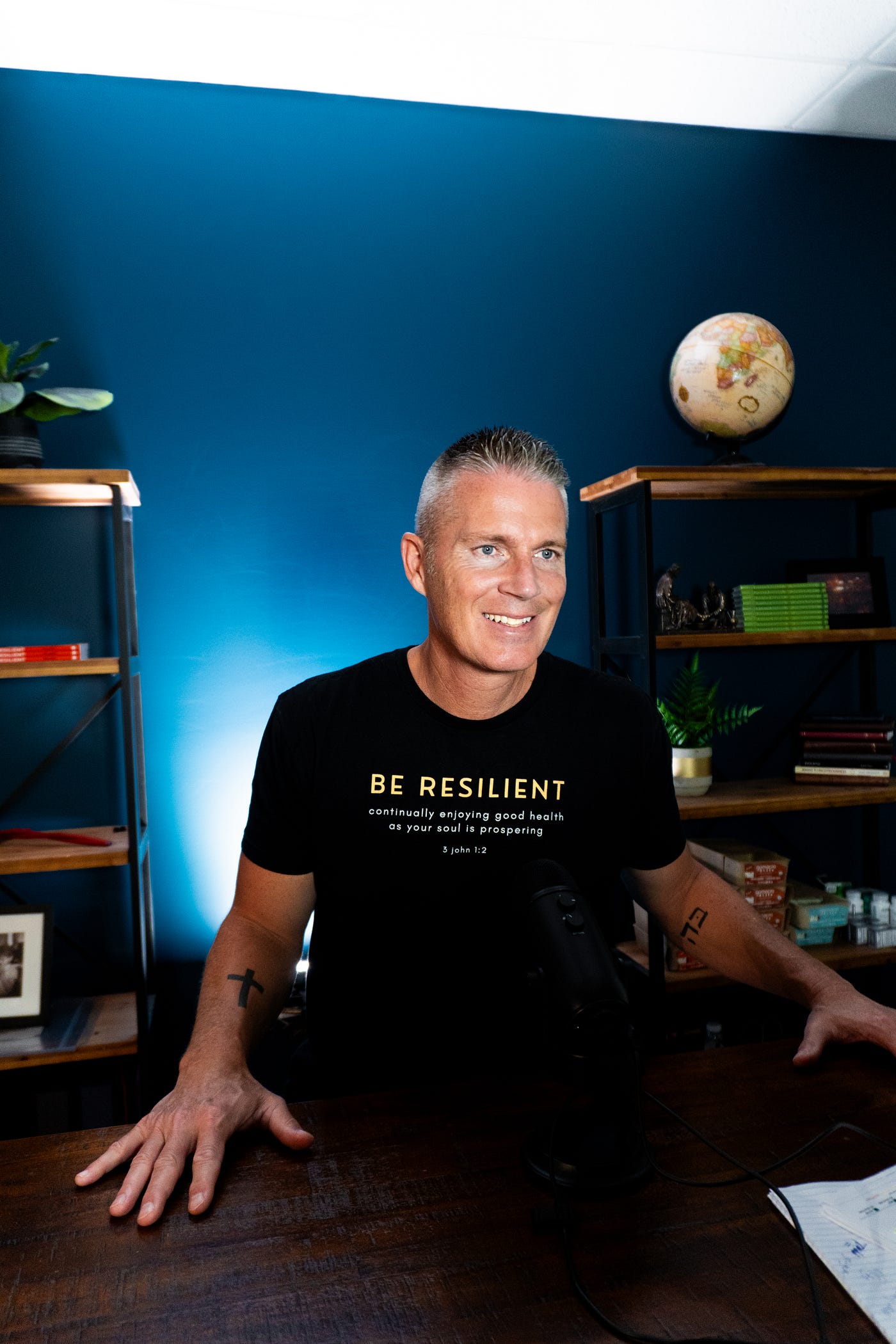
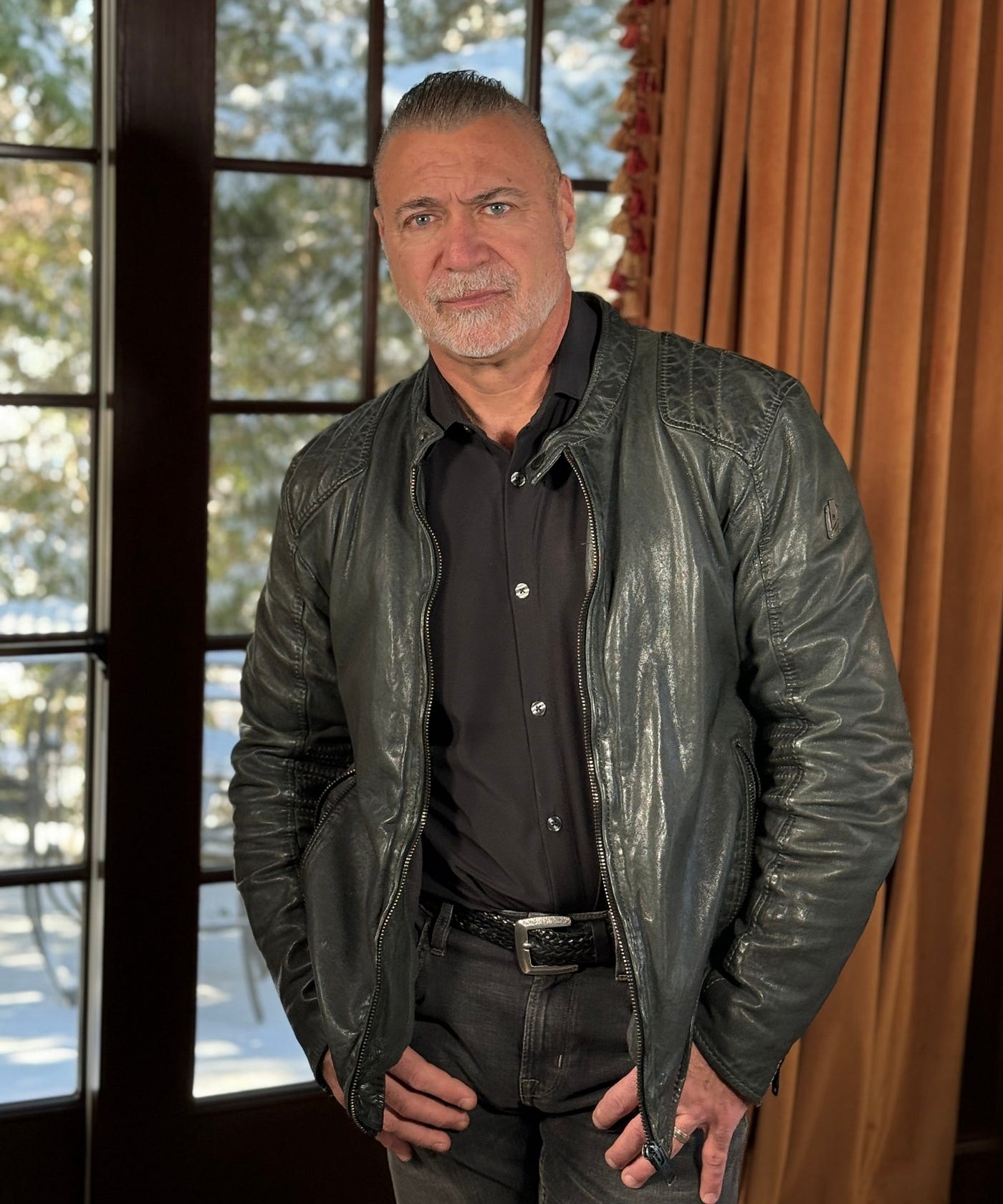
Rich Galgano is an entrepreneur, recovering compulsive gambler, and visionary behind Windy City Wire, a company he built from the ground up and later sold for nearly half a billion dollars. Rich’s life is a testament to the power of resilience and reinvention. From facing the lows of a gambling addiction to becoming a leader in the low-voltage wire and cable industry, Rich’s journey is as unconventional as it is inspiring.
With a no-nonsense approach to life and business, Rich shares his hard-won lessons and remarkable stories in his book Down to the Wire. Known for his sense of humor and unfiltered honesty, Rich offers readers an inside look at the challenges and triumphs that come with building a business—and a life—on one’s own terms. From encounters with notorious figures like Drew Peterson to unforgettable adventures with Toby Keith, Rich's story is filled with excitement and intrigue.
Today, Rich is a mentor, investor, and speaker who is passionate about sharing his insights on entrepreneurship, resilience, and personal growth.
Thank you so much for doing this with us! Can you describe your childhood for us?
I grew up in a Chicago suburb in the 1970s as the youngest of five kids. My parents weren’t entrepreneurs—not even close. We were middle-class, but hanging on by a thread, closer to the bottom rung than the top. Money was always tight, and financial stress was like a constant hum in our house. There was barely enough to scrape by from one month to the next.
Being the baby of the family, I had a wild, independent streak. My parents, probably worn out from raising the older kids, gave me a long leash. My life was outside morning to night, riding bikes, playing ball with friends, and tearing around the park. Spring, summer, fall—we were out there, living a kid’s dream of adventure and fun. Even in Chicago’s brutal winters, I’d be outside whenever the weather didn’t freeze us out. That freedom was everything. Surrounded by the weight of our family’s money troubles, I’d escape into a make-believe world where that didn’t exist. On my bike, racing through the neighborhood, or pretending to be a hero in some pickup game, I could forget the stress at home. It was like stepping into a different universe—one where the only thing that mattered was the next adventure. That sense of freedom, of carving my own path even as a kid, lit a spark that later fueled my hustle to build my own way in the world.
Can you share with us how were you initially introduced to your addiction? What drew you to the addiction you had?
I was introduced to gambling in my early teens. It started with playing poker —nickel, dime and quarter games at high school get-togethers with my buddies. Friday or Saturday night, sitting around the kitchen table, drinking a few beers and playing cards, that’s where it started. I loved to play cards. I loved to gamble. I loved winning. Winning made you feel like the smartest person in the world like you had cracked some miracle code. That’s what drew me—well, that and thinking I could make money without really working.
What do you think you were really masking or running from in the first place?
For me, unlike a chemical addiction like alcohol or drugs, I wasn’t trying to numb myself. My grandmother had died, and I’d lost my fiancée at the time. I wasn’t gambling to self-medicate but to fill the void from those losses. That’s when my gambling accelerated. Initially, I was winning—often and a lot. Often, I won after being down, having lost money, and digging myself a hole. But then I’d win substantially more than the hole I’d dug, and that exhilarating feeling—digging out of an impossible hole—was like pouring gasoline on a fire.
Can you share what the lowest point in your addiction and life was?
The lowest point of my gambling addiction—what we call hitting rock bottom—hit me in September 1993, after a grueling three-day gambling binge. I was slumped in my car, hands clenched on the steering wheel, trying to find the guts to walk into my first Gamblers Anonymous meeting. That’s when it sank in: I’d turned my back on God, on myself, and I was just sick and tired of being sick and tired. That was the moment I surrendered.
I dropped to my knees and prayed, really prayed, for the first time in years. Not for a touchdown in a football game, a river card in poker, or a bust card for the blackjack dealer, but for peace of mind. I begged for the craziness of my life to stop, for my soul to be saved. I know where gambling leads: prison, insanity, or death. That moment—broken, desperate, and finally honest with myself—changed everything. Walking into that GA meeting was the first step out of the darkness. Thirty-two years later, I’m still here, living with purpose instead of chasing bets.
Can you tell us the story about how you were able to overcome your addiction?
I overcame my addiction by surrendering to the disease and by embracing the Gamblers Anonymous program—a pretty simple formula.
How did you reconcile within yourself and to others the pain that addiction caused to you and them?
You reconcile the wreckage and damage you’ve caused by working specific steps in this 12-step recovery program. You do it through the guidance, understanding, and help of those who’ve been through the same struggles that you’ve been through.
When you stopped your addiction, what did you do to fill in all the newfound time you had?
When I stopped gambling, I filled that void by going to Gamblers Anonymous meetings and embracing members outside of the meetings. During the first six months of my recovery, I dedicated a tremendous amount of time to Gamblers Anonymous. It was just barely 13 months clean from gambling when I started my company, Windy City Wire. And then, for those of us that are entrepreneurs, you know once you start a business, that business consumes you—your time, your thoughts, your energies, and your actions.
What positive habits have you incorporated into your life post addiction to keep you on the right path?
I’ve been free from gambling for 32 years, and staying on the right path comes down to habits rooted in a hard truth I learned the tough way. I used to think gambling would bring me the life I wanted—money, control, a big win. But everything I ever thought I’d get from gambling, I only got by leaving it behind. For me, it’s simple. I know where gambling leads: prison, insanity, or death. Those aren’t just words; they’re the reality I saw up close in my 20s.
The habits that keep me steady start with never forgetting that. I don’t play games with temptation or pretend I could handle “one bet.” Instead, I pour that old restless energy into building something real—like my company, Windy City Wire, which I started after getting clean. I stay grounded through routines: checking in with my Gamblers Anonymous crew, even now, keeps me accountable. Those meetings gave me a clarity I’d never had before, and I’ve held onto it by living with intention—whether that means making smart choices in business or being present for my family. Every step I take is a deliberate move away from that old life and toward something better.
Can you tell us a story about how your entrepreneurial journey started?
I grew up in a household that preached hard work but didn’t champion entrepreneurship. My Uncle Joe changed that when I was in high school. Every time I saw him, he’d tell me, “Be an entrepreneur, carve your own path—that’s the only way to make it.” Those words planted a seed that stuck with me. By my mid-20s, less than a year sober from gambling, I found a level of maturity and clarity I’d never had before, thanks to Gamblers Anonymous. That newfound focus – along with Uncle Joe’s advice—gave me the courage to take the leap and start Windy City Wire.
I started Windy City Wire for several reasons — one of them being the dysfunctional management team I worked for, who constantly moved the goalposts on my commissions. As a salesperson, they didn’t pay me based on my performance; they based it on my age. Worse, they promised me equity in the company that never came through. Broken promises from broken people pushed me to leave a job I loved and start my own business. Looking back, I’m grateful for those lies and betrayals. The way senior management mishandled my commissions taught me what not to do when I started my own company, and that lesson shaped Windy City Wire for the better.
What character traits have you transferred from your addiction to your entrepreneurship. Please share both the positive and negative.
This is definitely an interesting question. When you’re a compulsive gambler, you are very impulsive. You act on sudden urges, you make restless bets, you spend beyond your means, and you chase losses, never considering the consequences, right? But that spontaneity can also be a strength when you’re an entrepreneur. It allows you to make decisions quickly and allows you to adapt.
When you gamble, obviously you take risks. It’s a negative when you’re gambling, but sometimes it’s a positive because sometimes those risks pay off. But when you’re a compulsive gambler, there’s only one place you end up—and it’s not a good one. Risk-taking in business is nowhere near like risk-taking in gambling. Risk-taking in business is driven by a calculated belief in your business, market, and product. Also, when you make a decision in business, you generally give yourself an off-ramp. If this decision doesn’t work, how do I unwind it?
Compulsive gamblers are very optimistic and have an extreme level of confidence, which manifests itself in the disease of compulsive gambling. But when you temper your optimism and confidence, they become powerful motivators. They help you get people to believe in you, buy into your vision, and come along for the journey—pushing everyone toward success.
Why do you think this topic is not discussed enough?
Why don’t we talk more about addiction, especially in the workplace? Honestly, it’s just a tough topic. Nobody wants to sit around and chat about something that feels so heavy, personal, or even shameful. But the reality is, addiction is everywhere. The 2023 National Survey on Drug Use and Health—NSDUH, for short—says about 48.5 million Americans, ages 12 and up, were grappling with some kind of substance use issue last year. That’s 16.7% of the population. Dig into it, and you’ve got 28.9 million people—10.2%—struggling with alcohol, 27.2 million—9.7%—caught up with drugs, and 7.5 million—2.7%—battling both. Gambling’s harder to pin down, but studies suggest 1–3% of adults have a problem, so maybe 2 million people, roughly 1%.
So, we’re talking maybe 15–17% of folks dealing with some form of addiction—alcohol, drugs, gambling, you name it. And yet, it’s like this silent shadow. I think it’s because addiction feels like an unknown, scary thing, even though pretty much everyone knows someone caught in it, whether they realize it or not. Back when I was fighting my own gambling addiction in my 20s, I didn’t exactly advertise it, and I bet most people don’t either. It’s uncomfortable, and workplaces especially don’t want to touch it—too messy, too risky. But ignoring it doesn’t make it go away; it just leaves people struggling in the dark.
Can you share three pieces of advice that you would give to the entrepreneur who is struggling with some sort of addiction but ashamed to speak about it or get help?
Three pieces of advice: First, surrender—admit you have a problem and that you’re powerless over it. Let go and give in. Second, get yourself to a meeting—a 12-step program. And third, find a sponsor within that program.
How can our readers follow you on social media?
LinkedIn: www.linkedin.com/in/rich-galgano
Instagram: https://www.instagram.com/richgalgano/
TikTok: https://www.tiktok.com/@richgalgano
Youtube: https://www.youtube.com/@RichGalgano
Thank you so much for your insights. That was really inspiring!