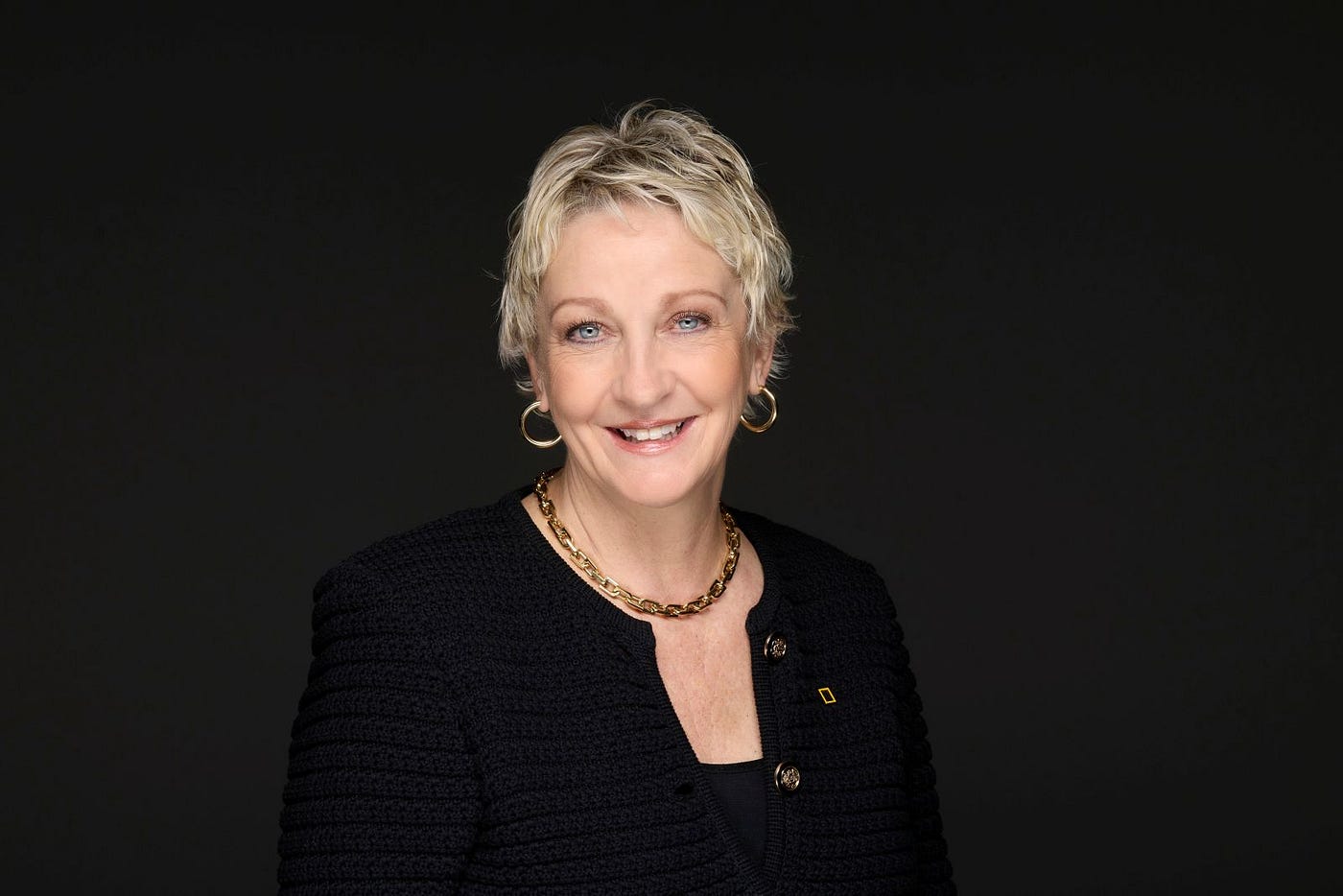
I credit both of my parents with instilling in my sister and me the value of hard work, the value of a good education, and the confidence to never let anyone tell you that you can’t do something.
Social Impact
René Marsh: How Channeling Personal Tragedy Into Advocacy Created The 'Cause Media' Movement
The CNN national correspondent and author shares how navigating unimaginable personal loss reshaped her approach to journalism and sparked a new mission-driven movement.
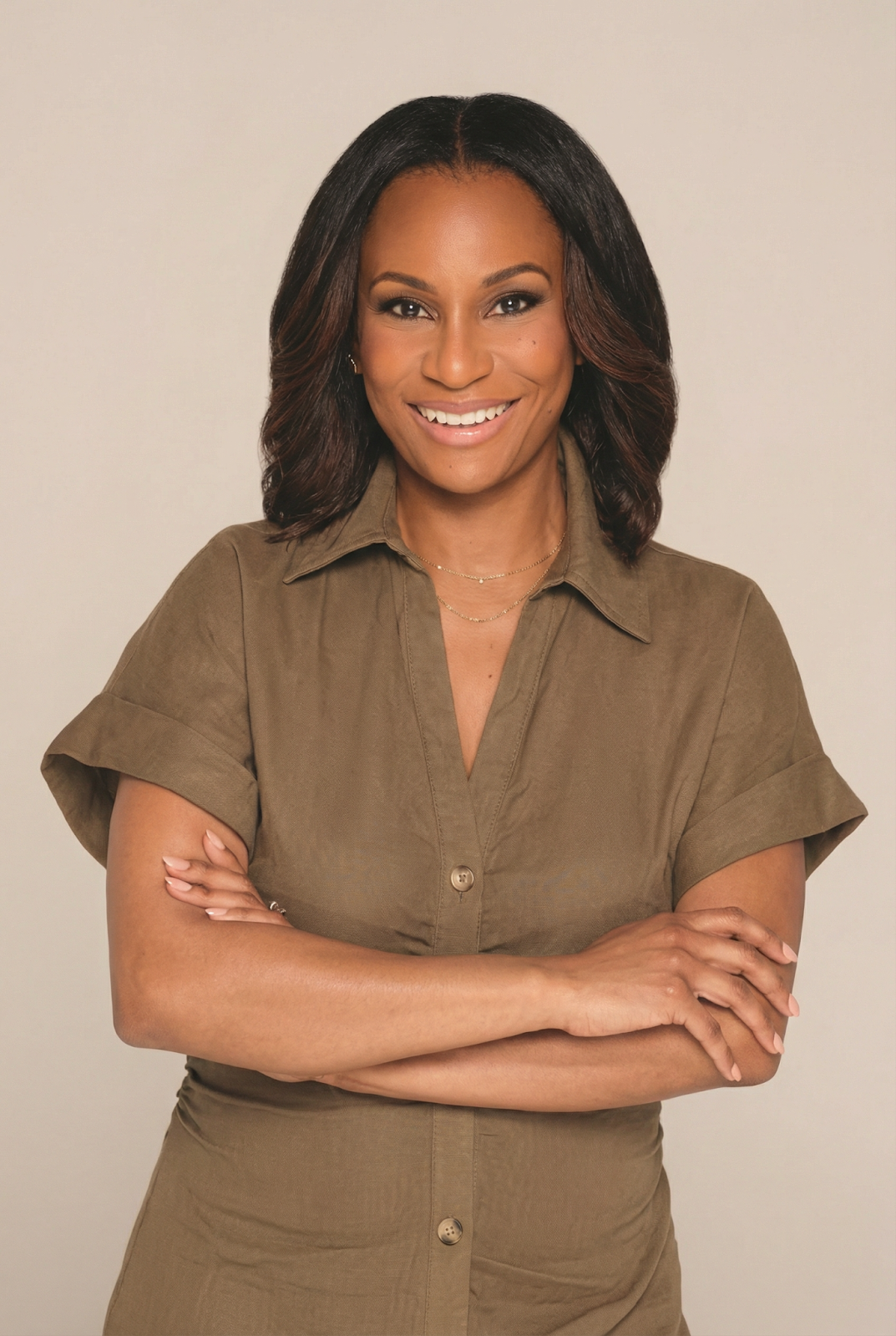
I had the pleasure of talking with René Marsh, a woman whose face you likely know even if you don’t know the full weight of the story behind it. As a CNN national correspondent, Marsh has spent decades chasing the adrenaline of breaking news, standing in front of cameras from the humid chaos of Miami to the freezing isolation of Greenland. But to understand the current iteration of Marsh — not just the journalist, but the author and the advocate — you have to look past the chyron and into a life shaped by gritty Queens determination and a personal loss that reshaped her entire worldview.
Marsh’s origin story is classic New York. She grew up splitting time between Queens and Long Island, the daughter of Jamaican immigrants who came to America with no family ties or connections, only ambition. Her father began his American dream as a skycap at JFK Airport, later building a career as a labor law consultant and telecommunications technician while finding success in real estate. Her mother carved out her own path in the health information field. “My dad never let someone tell him he couldn’t do something,” Marsh recalls. “If he wanted to do it, he found a way.” It was a spirit captured in a phrase her father loved: “The rule is, there are no rules.”
That defiance of expectation eventually led Marsh to journalism, though it wasn’t her first choice. It took a not-so-subtle reminder from her mother, that idle time wasn’t an option, to land her an internship at UPN 9 in New Jersey. She was in the newsroom just as JFK Jr.’s plane went down. In the midst of the tragedy, she found her calling. “The adrenaline of that day was incredible,” she says. “I went home and told my parents, this is what I want to do.”
She spent the next eight and a half years climbing the ladder of local news, bouncing from Shreveport to Albany to Miami, learning to handle the pressure of the red light. By the time she landed at CNN, she was a seasoned pro, eventually covering the climate beat. She recalls a defining moment in the frozen north in Greenland: “I was told that I had done the northernmost live shot in CNN history.” But for Marsh, the story wasn’t just about the ice; it was about “how interconnected we all are.”
However, the most profound pivot in Marsh’s life didn’t happen on camera. It happened in a hospital room. In 2019, she gave birth to her son, Blake. At just nine months old, Blake was diagnosed with pediatric brain cancer. For the next year and a half, Marsh’s world contracted to the size of a hospital room, where books became their escape. “I’ve never seen someone love books as much as Blake did,” she says. “He chose books over toys every time.”
Marsh began writing The Miracle Workers: Boy vs. Beast while Blake was undergoing treatment, needing a story that reflected the fighting spirit she saw in her son. Tragically, Blake passed away one month after his second birthday. The loss was cataclysmic, a moment that stripped away the artifices of career ambition and left only what was essential. “When I lost my son, nothing puts your life in perspective like the loss of a child,” she says.
The grief didn’t break her career; it evolved it. Marsh returned to journalism with a new lens. She stopped obsessing over the mechanics of the “who, what, and where,” and started looking for the heart of the narrative. “I now tell every story from the angle of humanity,” she explains. “The worst thing that happened to me in my life, in some ways, made me better.” She learned to juggle the relentless demands of news with a new understanding of fragility. As she puts it, quoting a mentor: “There’s one ball that’s glass and you can’t drop it… That’s your family.”
Today, Marsh is channeling that hard-won wisdom into a new venture she calls “Cause Media.” She is releasing a new children’s book, The Nature of Change, which uses the outdoors to teach kids how to navigate the inevitable shifts in life. And it’s not only about sales; it’s about a mission. Through her “14% Pledge” — honoring Blake’s birthday on March 14 — she donates a portion of her proceeds to pediatric brain cancer research. Her previous work has already helped fund massive grant applications for St. Jude.
“I’m secondary to that. I’m just the vehicle,” she says of her work today. She is no longer just chasing the next headline or the next title. She is trying to start a movement where creatives use their talents to attack the problems that haunt them. For Marsh, that means fighting for a future where other children don’t have to endure what Blake did.
René Marsh is still the correspondent you see on CNN, documenting history as it unfolds in Washington. But she is also a mother ensuring her son’s legacy outlasts the news cycle. “I want to be remembered,” she says, “as a mom who cared deeply about the next generation and did what she could to help equip children to be mentally sound individuals.” In a world that changes by the second, that might be the most important story she ever tells.
Yitzi: René, it’s such a delight and an honor to meet you. Before we dive in deep, our readers would love to learn about René’s personal origin story. Can you share with us the story of your childhood, how you grew up, and the seeds for all the amazing work that has come since then?
René: I grew up in New York, Queens and Long Island. It was kind of half and half of my life spent in both places, so I claim both. I grew up with parents who were immigrants from Jamaica. My dad came to this country when he was pretty young. He was just 18 years old, and he made his way in the big city, New York City. His first job was at JFK Airport. He was a skycap, and that was his very first job in the United States.
My dad was then able to go to college and eventually earned a career as a labor law consultant. He also worked for a union in New York City, where he did a lot of electrical and telecommunications work. He was also in real estate. He did a lot. He did quite a bit.
You don’t really appreciate the work your parents put in when you’re young because they’re just mom and dad. But now, as an adult, knowing that my dad came from another country without a support system and found his own way, made his own way, in my eyes he was the ultimate success story. He was able to make his way in a big city like New York. We never needed or wanted anything. He provided us with amazing experiences and opportunities, summer camp in the Hamptons, great schools in New York City. I went to Binghamton University in upstate New York and Syracuse University for my master’s in journalism.
One of the most amazing things my dad instilled in me was the importance of financial literacy. He was also a big day trader. I didn’t know this until later in life, but my dad taught himself trading and the stock market simply by reading The Wall Street Journal and The New York Times on his commute into Manhattan every day on public transportation. I’m such a huge fan of him. I lost my dad on February 4, 2020. He was just 79 years old.
My mom has a similar story. She also came to the United States at a very young age, settled in New York City, and made her way. They met each other in New York. I credit both of my parents with instilling in my sister and me the value of hard work, the value of a good education, and the confidence to never let anyone tell you that you can’t do something.
My dad loved it when I once said to him, “The rule is, there are no rules.” I don’t even know where I got that quote from, but he loved it because that was his spirit. He never let someone tell him he couldn’t do something. If he wanted to do it, he found a way. I was able to capture that in a quote, and he loved it.
I have a younger sister. She’s three years younger than me. Her name is Michelle Marsh, and she also works in journalism. She’s an anchor at the ABC affiliate here in Washington, D.C. Michelle was the first one to say she wanted to be a television journalist. Growing up in New York City, we used to watch an anchor named Michele Marsh, which was my sister’s name. Seeing someone with her name at such a young age was enough to capture her attention, and she stuck with it.
I shifted around a bit. I wanted to be a child psychologist. I wanted to be a lawyer. Eventually, I landed on journalism. That decision goes back to my parents, specifically my mom. The first summer I was home after my freshman year of college, she said, “You’re going to need to figure out what you’re going to do with your time because you’re not just going to sit around the house.” That ultimatum made me think about what would be fun for me.
I realized I had a curiosity about television, even though I hadn’t decided it was what I wanted to do. I applied for an internship at UPN 9 in Secaucus, New Jersey. I got the internship the summer after my freshman year, and I fell in love. That was the year JFK Jr.’s plane went down. I was an intern in the newsroom, and suddenly I was part of the team. They asked me to grab scripts, make phone calls, and rush scripts to the anchors, who at the time were Brenda Blackmon and Ernie Anastos.
The adrenaline of that day was incredible. I went home and told my parents, this is what I want to do. I declared my major the next year, my sophomore year, and from that point on I had tunnel vision. I did an internship every single summer and continued building my resume. I never took my eye off journalism.
More than 20 years later, I’m still in this profession, and I honestly love it as much as I did that first day in the newsroom, feeling the adrenaline of a breaking news event. I still have a deep love for this profession.
Yitzi: You probably have some amazing stories you’ve covered or been a part of over your illustrious career. This might be hard to single out, but can you share one or two stories that stand out most in your mind from your professional life? Or to say it a little differently, if you were to write a retrospective memoir about your career, which stories would have to be in it?
René: That’s a really good question. I started in local news. My very first job was in Shreveport, Louisiana. Then I moved to Albany, New York, then Miami, Florida, and eventually to Washington, D.C. for CNN. Each one of those positions taught me something different as a journalist. In Shreveport, I was just learning what I was doing. In Albany, I really developed the skill of digging deep into stories. I did a lot of investigative work, and because it was the state capital, I also did local political reporting.
In Miami, anything crazy that happens seems to happen there, so it was nonstop breaking news. You could drop me on a scene and within a few minutes I was ready to go, mic’d up, able to talk. I could speak for a long time with just a couple of confirmed facts. That’s what Miami taught me, how to handle breaking news when information is still coming in.
When I came to CNN, all of those skills really converged. I was able to refine them and build on them. At CNN, I use all of those skills, but I’m a better journalist. I’m covering a wider variety of stories, and I feel like my impact is much more far reaching. Some of the most fulfilling work I’ve done has actually been fairly recent.
I’ve gone through a lot of different iterations at CNN. I started out covering transportation, then eventually moved into climate. That was a great beat. I traveled to Greenland, which would definitely be in my memoir. At the time, I was told that I had done the northernmost live shot in CNN history. Others have since gone there, but at that moment, that was a first. That experience really stands out.
The story focused on how glaciers were melting due to climate change and how that would impact communities half a world away. It was a climate story, but it was also about how interconnected we all are. Something happening so far away can affect all of us sharing this one planet.
The stories I’m doing now at CNN also feel especially meaningful. I’m telling the stories of people within the federal government and documenting events in real time. Regardless of political views, I think most people would agree that we’re living through a lot of unprecedented moments. I have a front row seat to document all of it.
I think about this often. The work I’m doing every day is something my daughter may one day go back and read. That’s always at the top of my mind when I’m deciding whether something is a story. I ask myself, is this something future generations should know happened? That’s my litmus test, and it’s been my guiding light.
Did I answer your question? I think I did. I gave you the Greenland story, so I feel good about that. I’m sure I’ll think of more later. Questions about the best moments over two decades are always hard to answer on the spot.
Another story that sticks out happened during my time covering climate change. I spent several hours in the deserts of Nevada in the winter, when temperatures were below zero. We were there covering a company mining for lithium, an alternative to fossil fuels used to power things like vehicles. They had discovered a source there, and there were protests happening, with people camping out in the desert.
I was there to capture the protest and spent many hours, from sunup to sundown, in the middle of that desert. That experience has definitely stayed with me.
Yitzi: There’s a saying that sometimes our mistakes can be our greatest teachers. Do you have a story about a humorous or funny mistake you made when you were first starting out, and the lesson you took away from it?
I think one of the biggest lessons you learn in this business, especially when you’re learning the TV component, the performing part of it, is that there’s a learning curve in the beginning, particularly right out of school. Speaking for myself, early on if I did a live shot and stumbled, I would get so in my head about it. I’d be embarrassed. I’d be thinking, is the entire control room laughing at me right now? That really used to bother me.
Over time, I realized that even people who are amazing at this and have been doing it for a long time stumble sometimes. I learned not to beat myself up so much. I got better at saying, okay, it happened five seconds ago, and staying in the moment instead of living in what just happened. If you stay stuck there, it becomes a domino effect that impacts your confidence and your performance for the rest of the live shot.
In the beginning, I wasn’t very good at that. That was definitely a mistake, but it was also part of learning. Over time, I’ve gotten better at just letting it go. You make the mistake, you move on, and that’s it.
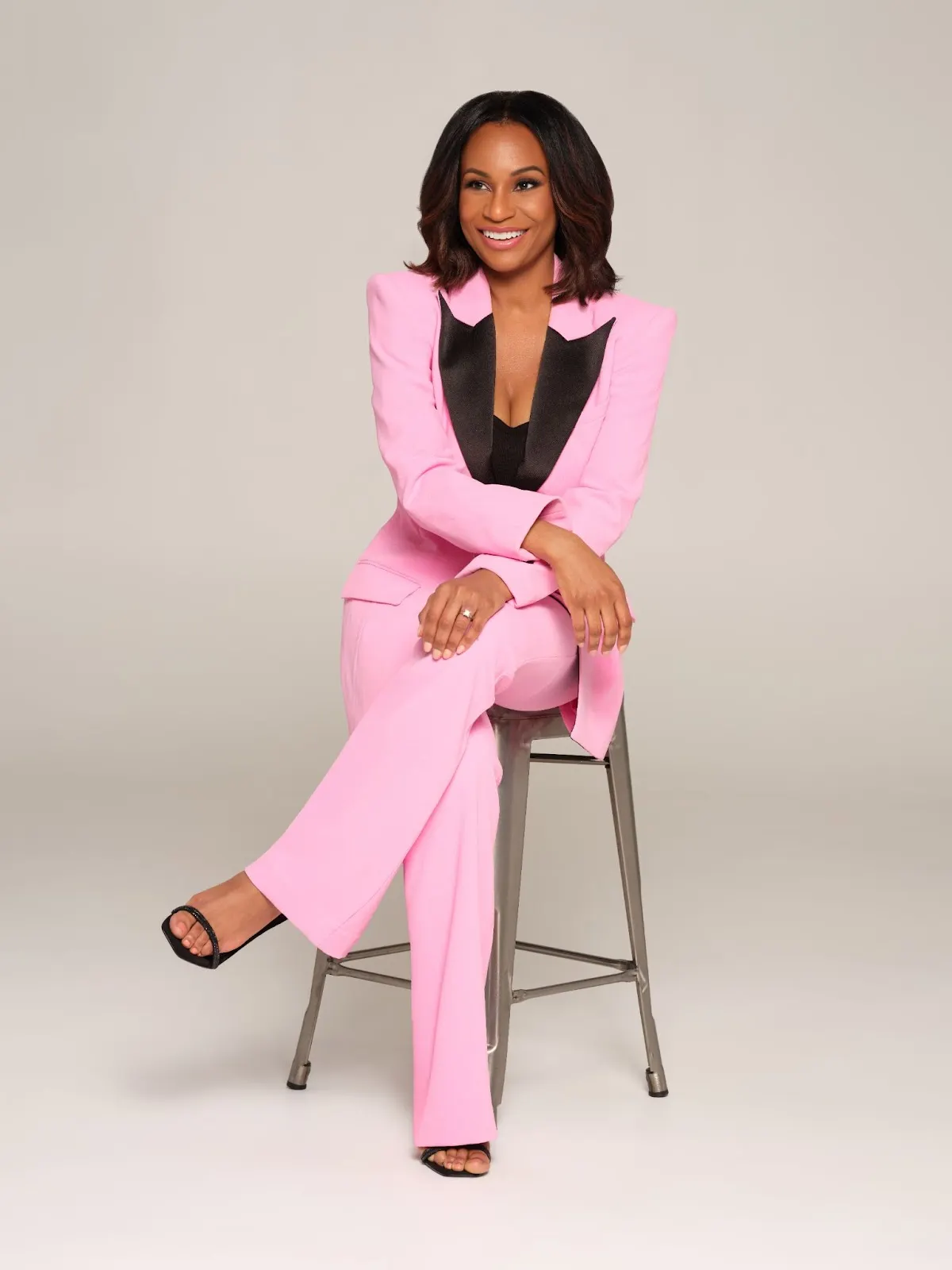
Yitzi: René, you have so much impressive work. Please tell us about exciting new initiatives you’re working on now. Please tell us about the book, the story behind it. We’d love to hear more and encourage our readers to buy it.
René: This was never on my bingo card, becoming a children’s book author. I can say that for many years I always knew I wanted to be a journalist, but I cannot say I always wanted to be a children’s book author. It wasn’t quite on my radar. It’s something I fell into when I became a mom.
My son Blake, I’ve never seen someone love books as much as Blake did at such a young age. He chose books over toys every time. If you put both in front of him, he would always go for the book.
Blake was born on March 14, 2019. He was diagnosed with pediatric brain cancer at just nine months old. We went through cancer treatments with Blake until just one month after his second birthday, and we lost him after his very courageous and strong fight. Even through that process, when we were packing suitcases to spend time in the hospital, the thing we always stocked up on was books. Lots and lots of books. That’s how Blake loved to spend his time.
By being so immersed in children’s literature, coupled with going through the most difficult time in my life, those two things converged. I found myself wishing I had a different kind of book. As parents, when we read to our kids, we’re reading for them, but sometimes you need that message too. I really needed a pick me up while we were in the hospital.
My first book, The Miracle Workers: Boy vs. Beast, was written in the hospital while Blake was going through cancer treatments. It had what I felt was missing from other books, a fighting spirit, a story of resolve, a story of hope. A story that says the odds look really unlikely, but we’re going to do this. That’s what I needed, and that’s what that book is about.
I wrote that book for Blake, but I also wrote it to help address pediatric cancer. I donated 100 percent of the proceeds to pediatric brain cancer research through the Pediatric Brain Tumor Foundation. We worked with them to identify research hospitals to award the grant money. We gave two grants totaling $200,000 to St. Jude Children’s Hospital and $100,000 to SickKids in Toronto.
About a year ago, we learned that because of the seed money we provided to St. Jude, they were able to conduct enough research to apply for a much larger NIH grant worth millions of dollars. Our seed money helped them reach the point where they could be fully funded. That was such a rewarding experience and a reminder of the butterfly effect. Small actions can turn into something big.
After that, I knew I wanted to write another book. My goal with these children’s books is to impart the lessons I want my children to have. Lessons that help them handle adversity with a healthy mindset, navigate challenges in a strong way, and not be broken the moment something doesn’t go their way. It’s about building resilience and inner strength.
At the core of my books is the idea of giving kids a survival toolkit. These are the things you’re going to need. I don’t know when you’ll need them, but you need to start learning them now so that when the moment comes, you’ve already exercised the muscle. The muscle of hope, resilience, and determination. I genuinely want that for kids. I love children. I’ve always dreamed of having my own kids, and I’ve always loved everyone else’s kids too. I have a huge mom heart and I just want kids to be okay. I hope these books help with that.
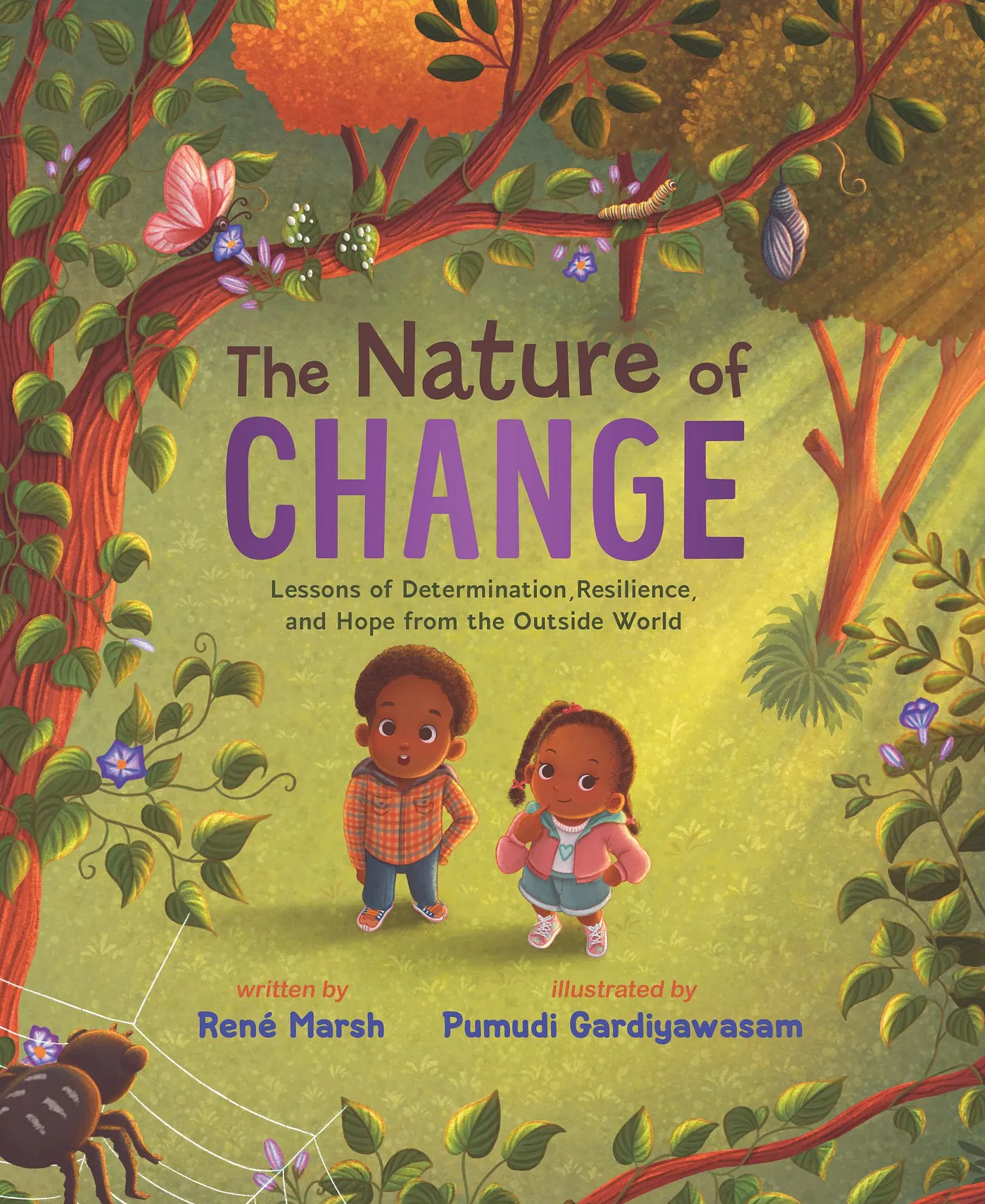
The Nature of Change is my new book, and it comes out March 10. It’s about two siblings, a boy and a girl, who move to a new house. They hate it because it’s different. But when they step into their new backyard, they encounter nature in a way they never have before, and they learn lessons that completely change how they feel about their new home.
This book feels especially timely. As adults, we know the world is changing constantly. You miss a headline on Monday and everything is different by Tuesday. Our kids are aware of these changes too, even if we don’t always give them enough credit.
The Nature of Change gives parents a tool to help kids navigate big changes. It could be something as big as grief, which I once heard described as the change no one wants, or something like starting a new school or losing a pet. Kids don’t fully grasp abstract concepts like resilience, so change can feel overwhelming.
This book uses nature as a metaphor to help explain those ideas gently. Instead of trying to explain resilience to a four year old, you say, remember the spider and how it rebuilds its web. If the spider can rebuild over and over again, so can you. That’s resilience without over explaining it. Those are the moments this book creates, using nature to teach profound lessons if we’re paying attention.
One more thing, and you’re the first person I’ve told this. I’m working on something very exciting with The Miracle Workers. We’re expanding that world beyond books. I’m developing a children’s animation based on the book. The timing is still to be determined, but The Miracle Workers will now exist not just in book form, but in animation as well.
These are my passion projects when I’m not covering the federal government.
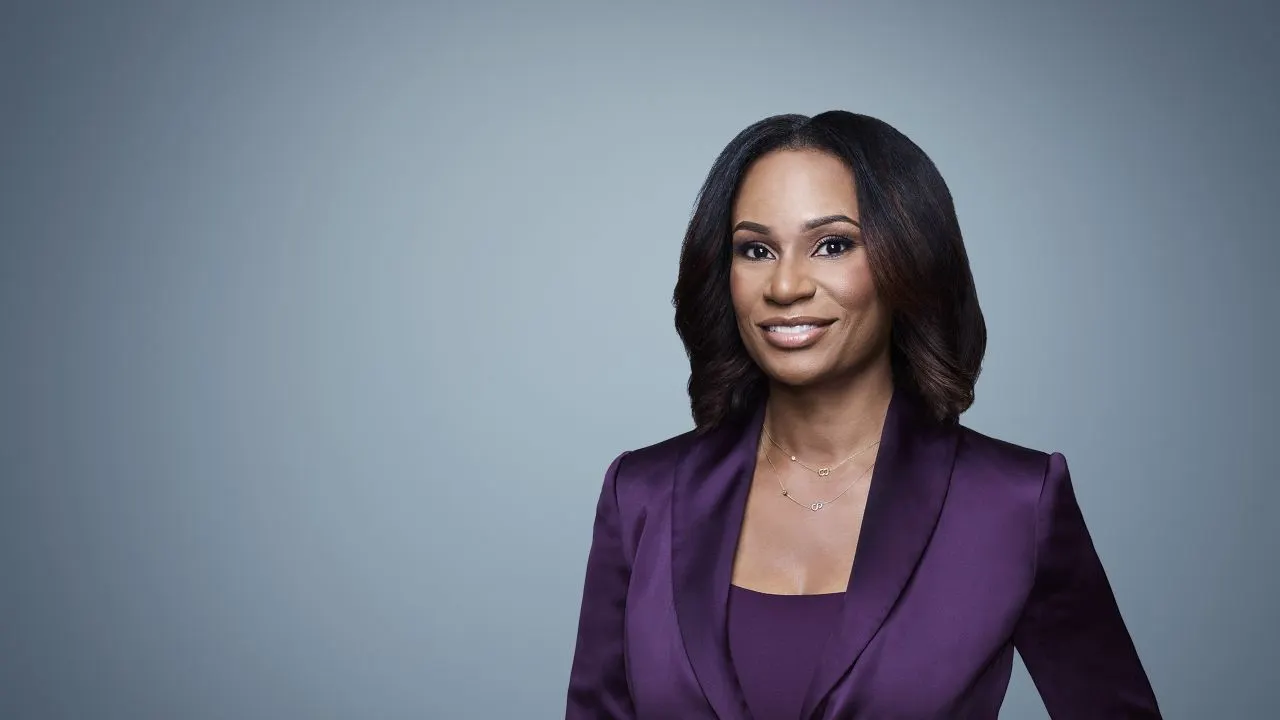
Yitzi: This is our signature question. You’ve been blessed with a lot of success, and you must have learned a lot from your experiences. Looking back to when you first started writing and first started being a journalist, you must have learned a lot since then. Can you share five things that you’ve learned over the years that would have been nice to know when you first started your career?
René:
- Number one, don’t be so hard on yourself. Take moments when you don’t think it was your best, make a note of it, and do better next time. There’s no need to beat yourself up for the next two to three weeks over it. Just note it and move on.
- I think the other lesson I would pass on is something someone once told me, an anchor actually, Ernie Anastos. He said that in this business, you have balls you’re juggling all at the same time, but there’s one ball that’s glass and you can’t drop it, because that would be the end of it. That’s your family. As important as our work is, it’s critical to have balance and to understand what is truly valuable. I use that word intentionally. When I lost my son, nothing puts your life in perspective like the loss of a child. I have full clarity at this stage on what my priority is and what I value most. I would say the same thing to anyone. It’s great to be ambitious. It’s great to have goals. We shouldn’t be an aimless vessel. At the same time, it’s very important not to lose sight of what is valuable to you. If you lose it, you want to make sure you cared for the thing you can’t live without. That’s number two.
- The other thing I would say is more like words of wisdom. When I was a younger journalist, you tend to live in this headspace of deadlines and churning out stories. It’s quite mechanical. I actually became a better journalist after I lost my son. It’s strange to say, but I now tell every story from the angle of humanity. I can’t see stories any other way. There was a direct correlation between that life changing event and how it impacted me. I think back to my first job, when I was all about the who, what, when, where, why, and making sure all the facts were there. Now I’m always in search of the humanity of a story. The worst thing that happened to me in my life, in some ways, made me better, which I hate to admit, but it did make me a better journalist. The lesson there is to approach stories not just as stories, but with an understanding of their weight, how they will be viewed decades or generations from now, and the fact that you are documenting history. Keeping that front and center, in the moment of writing and capturing the story, goes a long way.
- Fourth, don’t be afraid of change. This is on brand for my new children’s book, but so many times in a career you think you know what your path will be. You set goals and map out what you’re going to do, and it may not work out that way because there are decision makers who say yes or no, and they may not share your vision. That doesn’t mean you failed. Sometimes you have to be nimble. You have to reassess and not be so stuck on one idea of what your career is supposed to be. Be open minded to the possibility that what you thought was meant to be may not be what’s actually meant for you. My career has gone in ways I never would have guessed, and I’m very fulfilled. This wasn’t the roadmap I made for myself, but I’m doing some of my best work. I would caution people to stay open to change.
- The last one is more of a challenge than anything else, and again, it’s a testament to how my loss transformed me. As a young journalist, I was very focused on setting goals and achieving them. Often those goals are about titles or positions. But who does that impact beyond you? I think it’s important to do work that has an impact beyond yourself. That doesn’t mean you shouldn’t have goals, but you should think about who will be impacted by the work you want to do. I’ve gone from saying, “I want to be this” or “I want to do that,” to wanting to solve a problem, create impact, or tell a story because I see what it does for others. I’m secondary to that. I’m just the vehicle. My driving force has nothing to do with me and everything to do with impact. I would encourage anyone, not just in journalism but in any field, not to be so focused on your raise, your position, or your title. Think about how your work will impact someone beyond yourself. That’s honestly all I care about now. That reorientation happened after I lost my son. When you hit ground zero, you realize what’s important. We only have one life. What do you want to be remembered for, and what do you want to achieve during your time here? The books I write are part of that. I want to be remembered not only as a journalist who wrote impactful stories that documented history, but also as a mom who cared deeply about the next generation and did what she could to help equip children to be mentally sound individuals with healthy minds to face the world. That’s what I want to do.
Yitzi: If you could spread an idea or inspire a movement that would bring the most amount of good to the most amount of people, what would that be?
René: That’s easy because I’ve already come up with it. I want to get as many people on board as possible. It’s something called Cause Media. I don’t know if anyone else has used that term, but I feel like I’ve coined it for myself as I describe it. I work at CNN, but outside of CNN I’ve done a lot of creative work. I’m working on the animation, and I now have this second book. My goal is that through this content, and through entertaining kids, there is a philanthropic component that gives back monetarily to solving the issue of pediatric cancer.
This is an issue that’s near and dear to me. My very first book gave all proceeds to research. If you go on my website, renemarsh.com, you’ll see something called the 14% Pledge. The 14% represents my son’s birthday. Blake was born on March 14. I decided that all of my creative projects, if they make extra revenue, give 14% back. For example, my advance for this new book, I gave 14% of that to the Pediatric Brain Tumor Foundation. If I make any residuals, I don’t know if I will, but if I do, I’ll give 14% back. With the animation, if there is any profit from The Miracle Workers, 14% will go back to pediatric brain cancer research.
I believe you can be entertained and inspired by storytelling, but it doesn’t have to end there. It can solve a problem. It doesn’t have to just be me. If you work in a different industry, what is a problem that feels like a thorn in your side, something you want to eradicate from this world? Why not find a way to weave a philanthropic component into solving that problem?
That’s my call to people across all industries. Find something that bothers you in this world and come up with a plan for how, as part of your work, you can use a component of it to help solve that problem. For me, the most stubborn problem is the one that robbed me of a human I loved more than I loved myself, my son. If I do nothing else, I want to use the talent I believe I’ve been blessed with, imagination and storytelling, to pour back into that problem.
I hope that the more stories I tell and the more content I make, the more funding I generate, and that funding automatically goes back through the 14% Pledge to solving that problem. If we all had that mindset, you pick a problem, whatever bothers you most, imagine the good we could do if everyone used their talents to help fix the thing that drives them crazy. That’s the movement I want to start. I think the best way to start is to lead by example. That’s what I’m doing now. I hope it’s a success so people say, Cause Media, what can I do in my space to solve this stubborn problem? I would love to help lead that trend.
Yitzi: Beautiful. René, you’re so inspirational. How can our readers purchase your books? How can they learn more about the initiatives you’re advancing? How can they support your work in any possible way?
René: Renemarsh.com is your one stop place for all the information. The Miracle Workers book is only available on renemarsh.com. I published that independently, not through a traditional publisher, so that’s where you can get it. The Nature of Change is with HarperCollins and Zonderkidz, which is an imprint of HarperCollins, so that book is available wherever books are sold.
Stay tuned for the animation for the Miracle Workers book. I’ll be making an official announcement soon, but know that it’s coming. The animation will stay true to the core of the book. Each episode will teach lessons about believing in yourself, having hope, having resilience, all the core life lessons you need to overcome challenges. On top of that, it will have really cool visuals, a great story, and lots of music. It’s going to be enjoyable to watch. It won’t feel like eating your vegetables. It will feel like a filet mignon of children’s entertainment. You’ll walk away fulfilled, not with empty calories. I’m really looking forward to that. Renemarsh.com is the best place for all updates.
Yitzi: Thank you so much for your time. Thanks for being so generous with your stories. I wish you continued success and good health, and I hope we can do this again next year.
René: This is excellent. I’ll definitely keep in touch with you, and I really appreciate you giving me the time.
Written by
Yitzi Weiner
Founder & Editor-in-Chief · Authority MagazineYitzi Weiner is a journalist, author, and the Founder and Editor-in-Chief of Authority Magazine. Since 2018, he has conducted and overseen thousands of in-depth primary-source interviews with Fortune 500 CEOs, founders, scientists, bestselling authors, and cultural leaders.

Published inAuthority MagazineTop Lessons, Top Authorities · 42K Followers
Exclusive, curated interviews with the leaders and changemakers shaping tomorrow. Leadership lessons, industry deep dives, and executive profiles.