So often I’ve seen people decide to choose the next great idea instead of moving forward with their core competency and seeing it through.
Business
Ray Rastelli, Jr. of Rastelli Foods Group: The Mom Test That Drives A Multi-Million Dollar Global Food Empire
The co-founder and president of Rastelli Foods Group shares how a humble butcher shop turned into a global leader through trust, simplicity, and discipline.
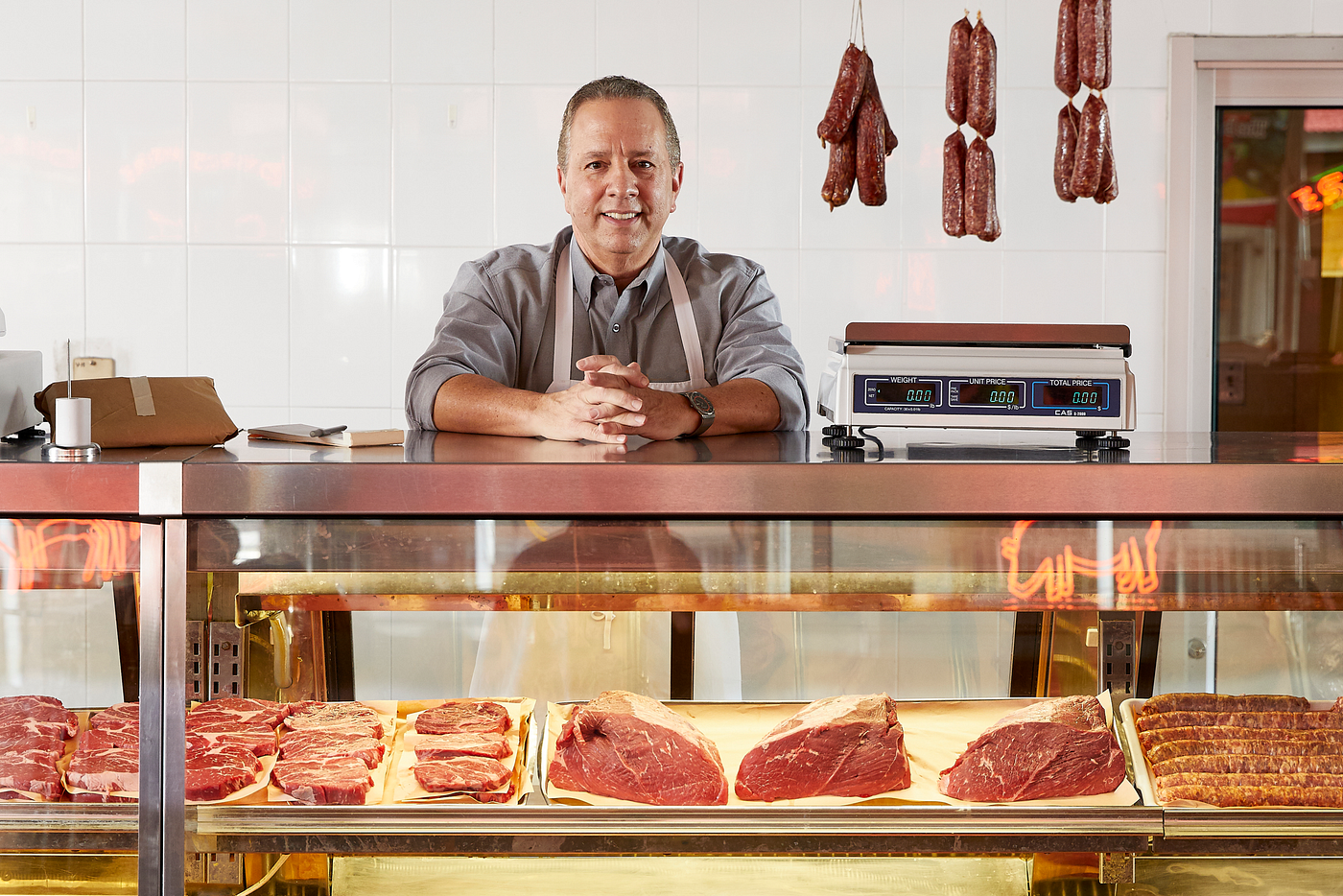
As a part of our series called “5 Things You Need To Create a Successful Food Line or Specialty Food”, I had the pleasure of interviewing Ray Rastelli, Jr., Co-Founder and President of Rastelli Foods Group.
Forty years ago, with a new family on the way, Ray Rastelli, Jr. traded in his keyboards and aspirations of rock and roll glory for a more practical — albeit less glamorous — set of butcher knives.
Ray has built Rastelli Foods Group from the one-room butcher shop he opened in 1976, at the age of 19, to the global leader in the food service industry that it is today.
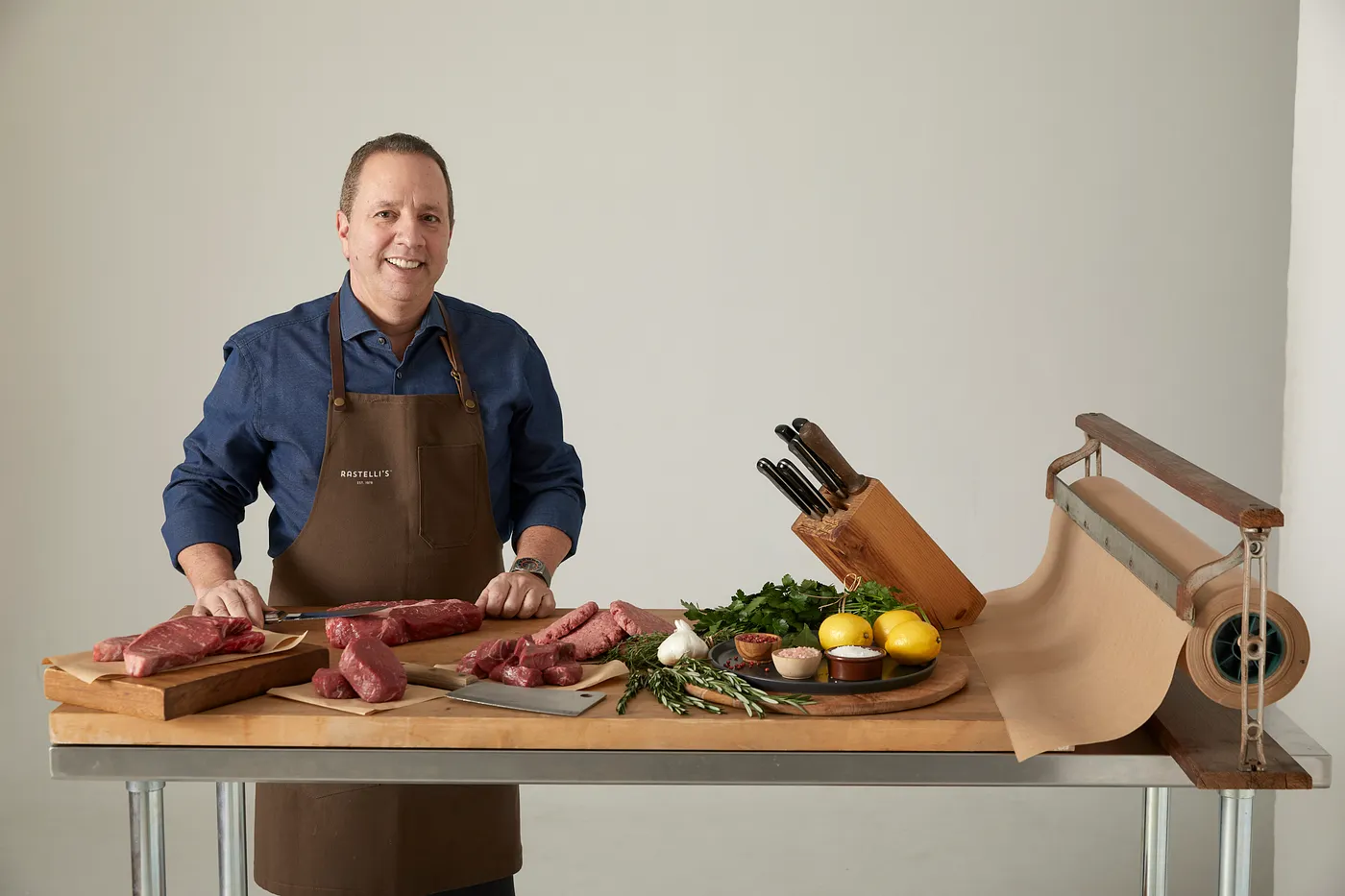
As Rastelli’s has grown, Ray has come to wear several hats, but he still wears his apron, he still sharpens his knives, and he still spends time on the cutting floor. Knowing that he’s feeding you and your family is still his favorite part of the job and it’s why he’s still at it, 44 years later.
Above all, he’s in it for the love of great food.
Thank you so much for doing this with us! Before we dive in, our readers would love to learn a bit more about you. Can you tell us a bit about your “childhood backstory”?
I started my first butcher shop when I was a 19-year-old struggling musician, married with a baby. It was time to face reality. I found that my favorite donut shop in my hometown had gone out of business and the tiny one-room storefront was available for rent. I’d long felt that the neighborhood needed a deli, and I envisioned the space as a butcher shop that would supply both the deli and locals with quality meat. My dad had been in the meat business, selling smoked hams in South Philadelphia and it seemed as good a business as any to make an honest living. Within months, the first “Meat Stop” opened its doors and my true “adult life” began.
Can you share with us the story of the “ah-ha” moment that led to the creation of the food brand you are leading?
After opening my first butcher shop, interacting with customers quickly became my favorite part of the job. Whether it was chatting with regulars or helping a new customer plan the perfect Sunday dinner, playing an integral role in helping people feed their families began to bring me true joy and a new purpose.
I also began to love the craft of butchery itself. Prior to becoming a butcher, music had been my life and I quickly found a similar satisfaction in working with meat. There was a real art to it — a level of care and precision that has an impact in how good the end product is. In a way, it felt like playing music.
I also learned very quickly that people like to purchase food from people they trust and that was the “ah-ha” moment that brought everything together. My motto became, “If you treat every customer like they are your mother, they’re going to trust you back” and I knew that I could take that concept and build a much bigger brand. I always had so many ideas for where the company could go, but I firmly believe that maintaining a focus on ensuring that Rastelli’s felt like a small family business, no matter what, has helped us grow immensely. No matter how big we get, we will always treat our employees and customers like they are family and I think that has been one of the biggest factors in our success.
Can you share a story about the funniest mistake you made when you were first starting? Can you tell us what lesson you learned from that?
I’m a butcher, and for some reason early on in my career I was asked to cater a biker convention. While I was there, I quickly realized that cutting a piece of meat is a lot different than cooking and serving that meat to a room full of hungry bikers. The lesson I learned that day was to “stay in my lane” and don’t try to be something I’m not.
It is ok to admit that you might not know how to do everything, and you can pass on opportunities that might not be for you. I’m not saying to avoid new things out of fear of failure, but you should always know what you’re getting in to and identify your limits early on. I think it is better to succeed at what you know you’re good at, rather than fail trying to be something you’re not.
What are the most common mistakes you have seen people make when they start a food line? What can be done to avoid those errors?
So often I’ve seen people decide to choose the next great idea instead of moving forward with their core competency and seeing it through. It’s great to have ideas, but you should wait until you’ve fully seen the end product of something before moving forward with something else. Don’t rush what could be a great product or line because you’re looking for the next best thing.
Let’s imagine that someone reading this interview has an idea for a product that they would like to produce. What are the first few steps that you would recommend that they take?
Always start by asking yourself these three important questions:
1. Can I sell the product? (Does it have a WOW factor?)
2. Can I produce it, label it and pack it?
3. Can I make money doing it?
If your answers are all yes, you should go on from there. If not, don’t be completely discouraged. Make some adjustments and see if you can move forward from there.
No matter what, you should always be sure to do a ton of research in advance, because trust me, you do not have all the answers. I’ve been at this for over 40 years and I still practice these steps with every new idea that I have.
Many people have good ideas all the time. But some people seem to struggle in taking a good idea and translating it into an actual business. How would you encourage someone to overcome this hurdle?
After you’re done researching a new business idea on your own, you should try to talk to as many people that you trust in the industry. Be a sponge. You should tell them about your idea, but you should also listen and learn about their own personal experiences. It is important to pay close attention to both their success stories and their failures and don’t be afraid to ask a ton of questions. Seriously, it is only when you have no questions left, that you should then start to build a plan and a roadmap for your new venture. And with each new step, keep talking to people you trust and keep asking questions. You can never really know enough.
There are many invention development consultants. Would you recommend that a person with a new idea hire such a consultant, or should they try to strike out on their own?
I’m a strong believer in first developing your ideas as much as possible on your own. At some point you’ll hit a wall and you’ll need to either hire a consultant or develop partnerships with proven industry leaders to get to the next level. But in my opinion, you should always try to get as far as you can on your own and only bring on new people that you completely trust.
What are your thoughts about bootstrapping vs looking for venture capital? What is the best way to decide if you should do either one?
Early on get an understanding of the industry cost for development, packaging, marketing, logistics and sales efforts. Once a budget is developed, I promise you that the answer on funding your idea will be very clear.
Can you share thoughts from your experience about how to file a patent, how to source good raw ingredients, how to source a good manufacturer, and how to find a retailer or distributor?
For patents and trademarks, I’d say it’s always smart to hire a good patent and trademark lawyer. As for sourcing raw material, manufacturing and distribution, that will all depend on who your procurer is. That’s why selecting the right manufacturing partners are critical to your business and you should absolutely get to know who you’re bringing on before any contracts are signed.
Here is the main question of our discussion. What are your “5 Things You Need To Create a Successful Food Line or Specialty Food” and why? (Please share a story or example for each.)
Let’s start with the 5 things you need:
1. Passion for your product
2. A product with a clear distinct difference in the marketplace
3. Unique packaging and labeling for your point of differentiation
4. A clear vision for your market sales (where are you going to be selling your product, to whom, and how?)
5. Real expectations around time, cost and how much hard work it will take to make your business successful
And now a story to explain it all:
Bubba’s Q is one of our partner brands. Founder Al “Bubba” Baker was a huge foodie with a love for all things ribs and BBQ. He truly had a passion for making ribs. He came up with the idea of creating a rack of ribs with the bones removed so his wife could enjoy them without a big mess. After appearing on Shark Tank to try to take his company to the next level, he partnered with — Daymond John — who brought Al and Bubba’s Q to us. I saw that Al truly had a passion for his deboned baby back ribs. I then looked at the product and saw that it had a very clear distinction from the other items that would compete against it in that category. There were no other ‘boneless’ ribs anywhere in the marketplace. To stand out, we decided to use packaging with clear film on the top to show that the product still looked like a rack of ribs despite having the bones removed. The packaging had a bold label calling out all of the unique selling features. We had a clear vision and knew that this product needed to be in retailers across the country, as well as sold through our own ecommerce website. Over the last three and a half years we’ve overcome obstacles and had great success because of the goals we’ve set and the commitment we’ve made to building this brand. It’s a 24/7 job to bring a product to retail and keep it successful in the marketplace.
Can you share your ideas about how to create a product that people really love and are ‘crazy about’?
To be honest, with food, it’s really all very simple. Create a product that meets what I like to call “the mom’s” taste profile and then make it easy to cook and prepare and show that it has true value. Don’t overthink things or your customer. A product doesn’t have to be “crazy” to produce in order for people to be crazy about it. If something simple works from the start, keep it simple.
Ok. We are nearly done. Here are our final questions. How have you used your success to make the world a better place?
To start, our products are at the center of many meals and nothing makes me happier than knowing that so many different families around the world are spending time together at the kitchen table centered around delicious food that we’ve produced. It’s why I started this company in the first place, for the love of good food, family, and our customers.
I also take great pride in helping young entrepreneurs develop new and innovative ideas. I started my company as a teenager, and I think it’s so very important to help younger generations grow and give back. Being able to share knowledge with others is a gift.
And speaking of giving back, charity and community outreach is and will always be a big part of our mission, but recently we have been even more focused on fulfilling food insecurity needs within our own community in the face of the pandemic and Covid-19.
You are an inspiration to a great many people. If you could inspire a movement that would bring the most amount of good to the most amount of people, what would that be? You never know what your idea can trigger.
Share your foodie ideas! Cook and eat together and always share your own passions with others. We should always come together because collaboration will always be the driving force that moves us forward, in any industry.
We are very blessed that some of the biggest names in Business, VC funding, Sports, and Entertainment read this column. Is there a person in the world, or in the US, with whom you would love to have a private breakfast or lunch, and why? He or she might just see this if we tag them.
To be completely honest with you, the person I wish I could have a private breakfast or lunch with would be my father Ray Rastelli, Sr. He passed away last year, but he has always been my inspiration to drive the success of our business forward. I’d love if we could have just one more meal together and to share with him just a few more of my ideas and have him see what our business and family has become. Like I said at the start of his interview, family is and will always be the true heart of our business.
Thank you for these fantastic insights. We greatly appreciate the time you spent on this.
CV
Written by
Chef Vicky Colas
Editor & Journalist · Authority MagazineChef Vicky Colas is a contributing interviewer at Authority Magazine covering Business and Tech, conducting primary-source Q&A interviews with founders, executives, and industry leaders.

Published inAuthority MagazineTop Lessons, Top Authorities · 42K Followers
Exclusive, curated interviews with the leaders and changemakers shaping tomorrow. Leadership lessons, industry deep dives, and executive profiles.