The show is just a moment in time for a company. We have been around for nearly two years and plan to be around for many more to come. Shark Tank was a seven-minute clip, which, as impactful as it was for us is really just a brief moment in time.
Tech
Peter Solimine of Beulr on Shark Tank Realities, Rejection Resilience, and Building Scalable AI Productivity Tools
The founder and CEO of Beulr shares valuable insights on navigating national television pitches, handling rejection, and automating student workflows.

As a part of our series about the ‘5 Important Business Lessons I Learned While Being On Shark Tank’ I had the pleasure of interviewing Peter Solimine.
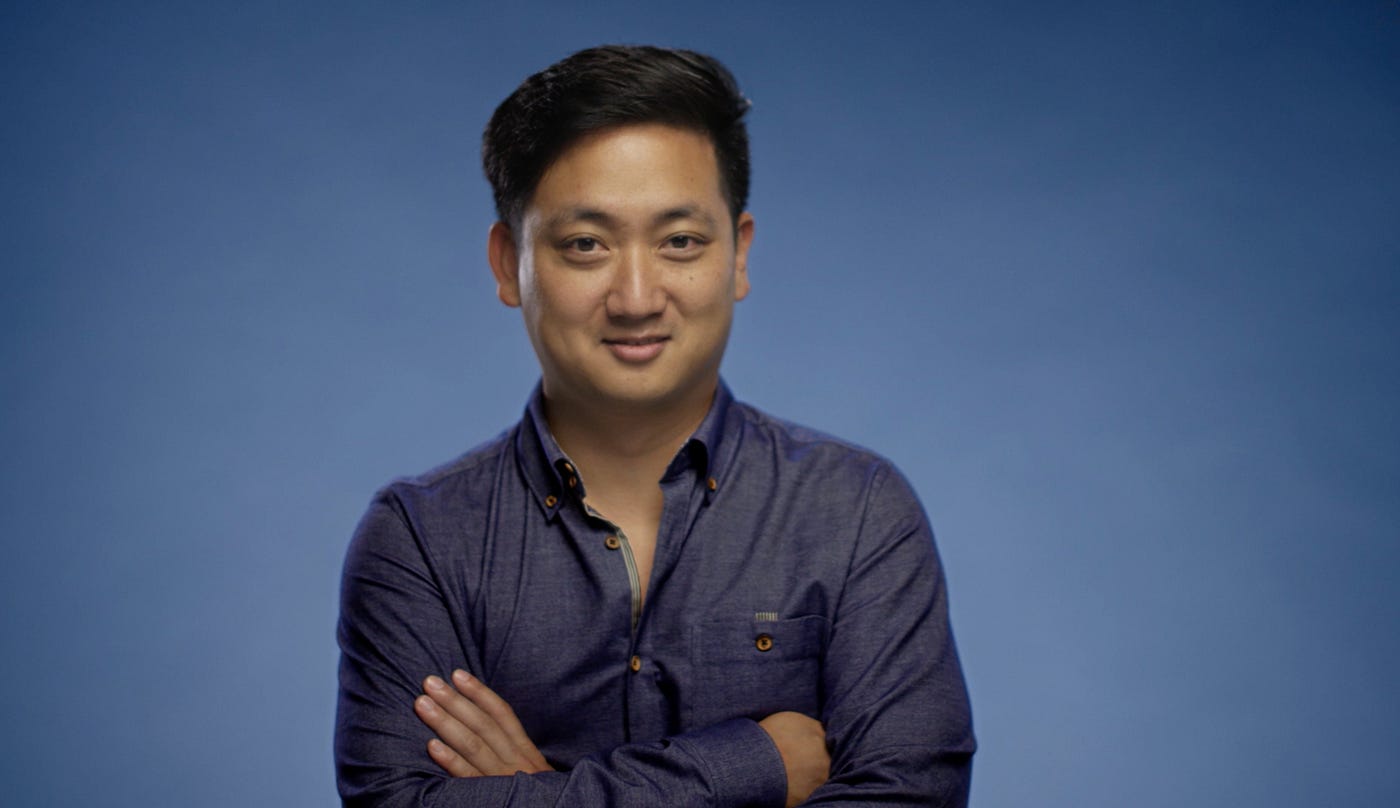
Peter Solimine is the founder and CEO of Beulr, a subscription-based AI productivity platform that attends, records and transcribes online meetings and classes for users. He is a recent graduate of Tulane University and is considered one of the new generation of technology entrepreneurs to watch.
Thank you so much for doing this with us! Our readers would love to “get to know you” a bit more. Can you tell us a bit of the backstory about how you grew up?
I grew up in York, Maine and went to school at Tulane University, where I got a BS in Economics and Computer Science. Before starting Beulr I worked as a software engineer.
Can you share with us the story of the “aha moment” that gave you the idea to start your company?
As the pandemic slowly approached in March 2020, there was lots of talk around Tulane’s campus about the possibility of classes moving online. At that time, I was fresh out of an IBM cybersecurity internship. I had been spending spare hours between classes researching the intricacies of distributed software systems.
I was also reading “Why We Sleep” by Dr. Matthew Walker and was becoming increasingly concerned about my sleeping habits and worried that I was not getting as much value out of my education as I would’ve hoped.
On March 16 the entire student body received an email that classes would be held on Zoom indefinitely. My first thought was, “Great! I will just automate my attendance in these large lectures and then watch the recording later in the day, so I can get the sleep I need to learn.”
I wrote a python script that ran as an executable on my laptop, joining my morning classes each day at the scheduled time. When my roommates found out about it, they all wanted a copy, so I installed it on each of their computers. Then other students started asking me for it and I realized there could be a scalable business opportunity here.
I love the movie “Ferris Bueller’s Day Off” and thought this was something Ferris might have used, so I named it Beulr.
Can you share the most interesting story that happened to you since you began leading your company?
Early on we met with an investor who expressed interest in Beulr and was asking us lots of questions about how the platform worked. The investor never got back to us and then three months later he tried to launch his own version of Beulr.
Can you share a story about the most humorous mistake you made when you were first starting? Can you tell us what lesson or take away you learned from that?
I don’t know if this is humorous or not, but we once met with a web designer who was great, and I was so wrapped up in financial and equity concerns at that time that we did not hire him. My lesson learned there was don’t be penny-wise and pound-foolish.
Are you working on any exciting new projects now? How do you think that will help people?
Right now, I am very focused on building out Beulr and making it a valuable tool for both students and business professionals. We are expanding its features and functionality and are also looking toward making it compatible with other video conference platforms.
Ok, thank you for all that. Let’s now move to the main part of our interview. Many of us have no idea about the backend process of how to apply and get accepted to be on the Shark Tank. Can you tell us the story about how you applied and got accepted. What “hoops” did you have to go through to get there? How did it feel to be accepted?
I think what really got me accepted was the video I submitted about myself and what Beulr was all about. I recreated the introductory monologue as Ferris Bueller from the movie and that seemed to really resonate with them. Surprisingly there really were not a lot of hoops to jump through, at least in my case. The sense I got was that either the person and company connects with them or it just doesn’t.
I’m sure the actual presentation was pretty nerve wracking. What did you do to calm and steel yourself to do such a great job on the show?
Truthfully, when I went into the studio to do the presentation it was not nerve-wracking at all. The taping is not nearly as dramatic as the show seems, with all the music and other production elements. There were three things I tried to do while preparing and presenting: 1) I was very genuine and did not pretend to be someone or something I was not. 2) I regularly used meditation and breathing exercises to keep myself balanced and in check. 3) In the days leading up to the presentation, I used visualization to keep myself focused on the end game.
So what was the outcome of your Shark Tank pitch. Were you pleased with the outcome?
We didn’t cut a deal, but at the time that was not a concern for me. When we filmed, I was still working as a software engineer at another startup in San Francisco that was paying me quite well. If I made a deal, I would’ve had to quit that job and walk away from the equity. A few weeks after the show aired, we were offered substantially more money from Silicon Valley investors at a much more favorable valuation. So, in the end it worked out much better for us by not cutting a deal with the Sharks.
What are your “5 Important Business Lessons I Learned While Being On The Shark Tank”? (Please share a story or example for each.)
For online companies, traffic is more important than product. Back in the early 2000s, any company could get a lot of traffic because there weren’t nearly as many websites indexed by Google. At the same time, creating a website was very hard. As compared with today when creating a website to sell a product or service can be done in a matter of days, but you could create and publish hundreds of websites without ever getting a single click. The game has changed and will continue to change.
The show is just a moment in time for a company. We have been around for nearly two years and plan to be around for many more to come. Shark Tank was a seven-minute clip, which, as impactful as it was for us is really just a brief moment in time.
No deal is not a done deal. Just six months after filming, Beulr was more than 10 times more valuable than the valuation we were asking for on the show. When I was a kid watching Shark Tank, I thought that a “no deal” on the show meant the company was over. I also didn’t realize there are tens of thousands of investors out there, many of whom have much deeper pockets than the Sharks. Part of being an entrepreneur is learning to handle nonstop rejection without taking it personally. All it takes is one yes.
Believe in what you are doing. It sounds trite but believing in yourself and what you are doing is really a much bigger part of the process of building a company than most people realize. If you do not believe in what you are doing, then no one else will either. It is also important to have and convey excitement for the same reason.
Always listen and learn. No matter what the situation, you can always learn something from others. Even if you disagree with what is being said or feel misunderstood, listening to what other people have to say is an important part of being successful. The ability to see and understand different perspectives is a skill that a lot of people do not have.
What advice would you give to other leaders to help their team to thrive and avoid burnout?
I think surrounding yourself with like-minded individuals is important. Some founders hear this advice and seek out meaningless connections with as many founders as possible, but what helped me was building deep, meaningful connections with people who are in a similar position. When starting a company, it’s incredible how fast you become unable to relate to friends and family who work 9–5 jobs. Not to say that you are in a better or worse position, but the lifestyle, day-to-day schedule and mindset is so far removed that it becomes nearly impossible to relate. The best remedy I found is to continually seek out those relationships which fuel your fire.
You are a person of great influence. If you could inspire a movement that would bring the most amount of good to the most amount of people, what would that be? You never know what your idea can trigger. :-)
If I could wave a magic wand and change the way our society thinks about substance abuse, I would do it in a heartbeat. There has been a lot of talk about mental health issues, especially with the pandemic. It seems to me that so many people are struggling and so few end up taking the steps necessary to better their lives. From my perspective, the unfortunate reality is that no one, not your doctor nor your mother, can truly care about your physical and mental health as much as you do. I wish more people would seek constant self-improvement for the benefit of their own mental well-being. I certainly don’t wish to push pseudoscientific tactics, but simple steps like cutting out caffeine and alcohol, focusing on sleep and staying away from social media can all make a big difference.
Can you please give us your favorite “Life Lesson Quote”? Can you share how that was relevant to you in your life?
“The world is full of ideas and opportunities to explore, but it takes time outside of structure to even adjust your eyes to the landscape of possibility.” — Wolf Tivy
We are very blessed that some of the biggest names in Business, VC funding, Sports, and Entertainment read this column. Is there a person in the world, or in the US with whom you would love to have a private breakfast or lunch with, and why? He or she might just see this if we tag them :-)
For obvious reasons, I would love to grab lunch with Matthew Broderick.
This was very meaningful, thank you so much. We wish you only continued success on your great work!
ES
Written by
Edward Sylvan
Editor & Journalist · Authority MagazineAuthority Magazine Columnist & Contributor

Published inAuthority MagazineTop Lessons, Top Authorities · 42K Followers
Exclusive, curated interviews with the leaders and changemakers shaping tomorrow. Leadership lessons, industry deep dives, and executive profiles.