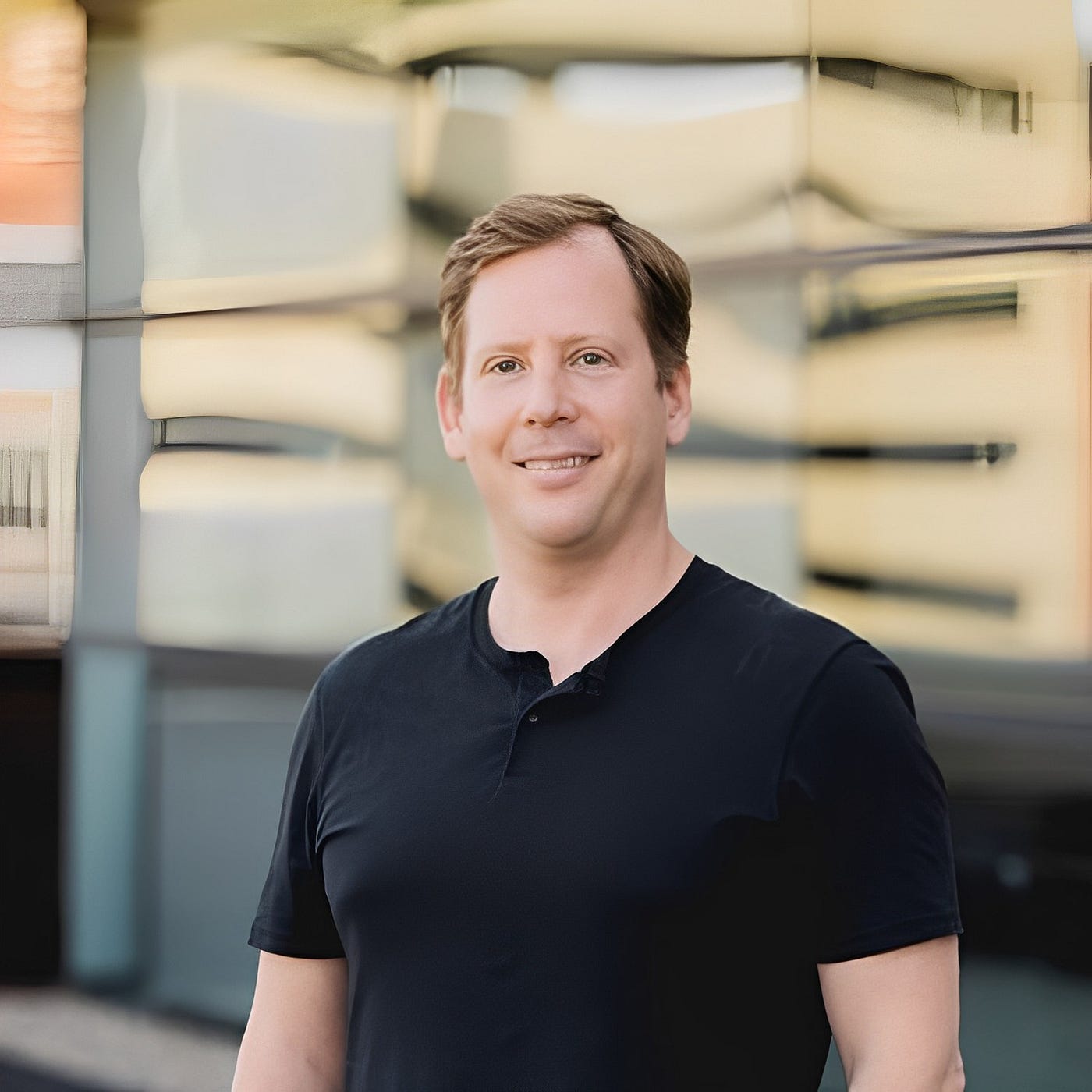
I finally decided to do things differently and pick a partner who wanted to be growth minded with me.
Falling In Love Again With Your Spouse: (Paige Bond, LMFT with Couples Counseling of Central Florida) On 5 Things You Need To Rekindle Love In A Marriage That Has Gone Cold
INTERVIEW QUESTIONS.
(If you are unable to download it, please click File-Download)
Please answer the questions, and leave the questions formatted as they are in the document. We may schedule a follow-up call or skype to round things out.
When people first get married, they are usually deeply in love and extremely excited to be together. But sometimes, over time, that passion and excitement begins to fade. This has been particularly true after the pandemic, when many marriages went through great upheavals. What can a couple do to rekindle the love and excitement that they used to have when they were first together? In this interview series, called “Falling In Love Again With Your Spouse; 5 Things You Need To Rekindle Love In A Marriage That Has Gone Cold,” we are talking to relationship professionals, therapists, psychologists, and coaches to share stories and insights from their experience. As a part of this series I had the distinct pleasure of interviewing Paige Bond, MA, LMFT.
(Kindly insert your three-sentence bio, written in third person, here. The rest of the interview should be in first person)
Paige Bond is the founder of Couples Counseling of Central Florida, going beyond traditional talk therapy by providing Psychedelic and Accelerated Resolution Therapy for deep relational healing. Paige also hosts the Stubborn Love podcast and created the Jealousy to Joy Journey to help people-pleasing millennials navigate non-monogamy so they can tame their relationship anxiety and love with ease.
Thank you so much for doing this with us! Before we dig in, our readers would like to ‘get to know you’. Can you tell us a story about what brought you to this specific career path?
From a young age, I’d always been intrigued by stories of love. I’d been an avid reader of fantasy and fiction and got lost down the romance rabbit hole in my high school years. This gave me a false perception of what it actually takes for relationships to last. Storybook romances didn’t cover the fact that love is not enough for a relationship to survive. As someone who was always curious about love and why relationships do (or don’t) work, I knew I wanted to be in the helping field.
After getting my undergraduate degree in psychology and graduate degree in marriage, couple, and family therapy, I knew I was drawn to the field of relationships more than ever. About one-year post-graduation I got started in private practice so I could see individuals, couples, and multiple partners to help them work through common issues.
Can you share the most interesting story that happened to you since you started this career?
I would say the most interesting story that has happened since I got into the field of marriage and relationships is my own. I kept choosing to stay in relationships where I either felt bored in the relationship or that I “loved too much” and didn’t feel the same intensity of reciprocation from the partners I was choosing to be with. Although I had gone through rigorous graduate and licensure training, it wasn’t until I analyzed my own relational patterns, desires, and needs in a relationship that things shifted for me.
I’d often molded myself to be what I thought my partner wanted. Things like being the “chill girl” that doesn’t have any issues and goes with the flow, which turned back to bite me when my resentment for partners overflowed from an already boiling pot. Or, when I’d feel judged by a partner, I’d keep it hidden from them and the world, turning off that precious part of myself so that I could “still be loved.” Those covert lies to myself and my partner became death sentences to the relationship. Put plainly, if you’re not honest in your relationship, what is it really built on?
I finally decided to do things differently and pick a partner who wanted to be growth minded with me. We dove into relational resources so that we could be prepared for how to handle conflicts and differences that couples naturally run into. This helped us build an intentional relationship with a shared vision of how we wanted to live our lives. Now knowing that this kind of love is possible, built through intentionality and care, it’s my mission to help as many people as I can create the same thing in their relationships.
Can you share a story about the funniest mistake you made when you were first starting? Can you tell us what lesson you learned from that?
When I first started seeing clients in the early years, I liked to incorporate many simple coping skills so they could practice at home. One of my favorite things to start or end sessions with was meditation using guided imagery to put them in a relaxed state. Many people have told me that I have a soothing timbre in my voice to lead them through relaxation exercises (which is a plus for my podcasting projects).
Sometimes my voice is too relaxing to a fault, and I’ve had clients actually fall asleep during meditations because their brain was finally at peace (which is great for working on anxiety!) I suppose this is why they tell you not to engage in meditations while driving.
You are a successful leader. Which three character traits do you think were most instrumental to your success? Can you please share a story or example for each?
Three critical character traits that I’ve developed over time are determination, curiosity, and humility to keep me on the road to success. My dad always noted how determined I was because if there was something I wanted to try out, even for the first time, I’d do everything in my power to make it happen. Whether doing that by myself or leaning on the support of my community to keep me going, my unwavering desire to build a life full of love and help others do the same has always been my mission.
I don’t think curiosity always killed the cat. I’ve been a daydreamer my whole life and I attribute that to my success. It helps me come up with ideas and be more creative with how I run my business. For instance, my love of music and food is something I constantly use to describe metaphors for relational concepts. Staying curious also helps me stay present in session with clients.
I’ve damn sure messed up a great deal in the world of human experiences. And while I’d rather save myself from the embarrassment or shame that can come with making mistakes, offering my humility has been the greatest gift to myself and those around me. I try my hardest to own up to my mistakes and take responsibility when I’ve caused a rupture with someone, whether it be in my business or personal relationships.
Are you working on any exciting new projects now? How do you think that will help people?
I’m consistently releasing episodes on my podcast, Stubborn Love, to give listeners actionable advice and insights to help their relationships in every episode. In my coaching business I’m showcasing current workshops on topics like people-pleasing, navigating non monogamy, releasing relationship anxiety, and a series of classes for partners to build a better bond with each other. In my therapy business, Couples Counseling of Central Florida I now offer intensive therapy for individuals and partners so they can feel better faster.
For the benefit of our readers, can you briefly tell our readers why you are an authority about the topic of marriage?
Aside from receiving my Master’s degree in Marriage, Couple, and Family Therapy and passing national exams, I obtained my full licensure as a Marriage and Family Therapist. My training did not stop there, and I’ve made sure to stay up to date on the latest evidenced based therapy to get my clients results. I’ve received training through the Gottman Institute, Relational Life Institute, International Centre for Excellence in Emotionally Focused Therapy.
More recently, the Institute for Relational Intimacy to increase my skills in working with non monogamous relationships. I’ve specialized in working in relational work since my entrance into the field and have been determined to make sure my clients have the tools to get the dream relationship they’ve always wanted by continuing my education on the most effective models.
Ok. Thank you for that. Let’s now shift to the main part of our discussion about ‘How to Rekindle Love In A Marriage That Has Gone Cold’. Based on your experience, what is a common root cause of marriages “going cold”?
I believe the root cause of marriages going cold is complacency. Without intention, how can one build a better relationship? Many people are excited and determined during the dating and honeymoon phases of relationships but oftentimes, once people enter into marriage and get busy with settling into life, they let their relationship fall by the wayside. Partners may get invested in other hobbies, let children and parenting take priority, or even jobs can take the cake and let the marriage take the back seat.
Investing time in all of those things I just mentioned is NOT a bad thing, and can be really healthy for the relationship, when well balanced. However, if you notice that your relationship is suffering, while still engaging in those activities, you might be on the way to an icy cold marriage. Some people pour themselves into those activities because they already know the marriage isn’t doing well, and it’s a way of avoiding the elephant in the room. When people are complacent, they often blame the other partner for their problems or get stuck in a fixed mindset - which can be the death sentence to any relationship.
In my experience with helping others in relationship difficulty, I most often hear "lack of communication" as the reason for the difficulty or wanting to end the relationship. I believe that lack of communication is really a symptom of the real root cause, which is "loss of connection." What must be done to regain that connection?
Yes, that's so true that underneath the lack of or “being bad at” communication, is really an example of how partners become disconnected, which leads people to a lonely place. People can only withstand so much disconnection as we are all wired to love and be with others, the relationship can only survive for so long in this kind of circumstance. During poor communication, partners often use unhelpful tactics to get their point across. Namely, when using criticism, defensiveness, contempt, or stonewalling, which the Gottman’s have coined as the Four Horsemen of the Apocalypse.
To regain that connection, you must be pulled back into the principles of why you’re together and how you want to be treated, and treat your partner, in the relationship. The first step is to de-escalate conflicts and put a stop to negative cycles of poor communication so that you can slow things down and restructure your conversations in a way that comes from softer feelings. You’ll then be in a place to verbalize and hear each other’s deep emotional longings. In addition to that, repairing quickly and not letting resentment build up can be a sure-fire way to not letting things get swept under the rug and building a lasting foundation for love and happiness.
Based on your experience, what is the foundation for a successful marriage?
I like to refer to Dr. Stan Tatkin’s Psychobiological Approach to Couples Therapy (PACT) to present secure functioning relationship concepts that are keys to a successful marriage and partnership. He describes a couple system as partners working together for the greater good.
I like to use the example of a couple getting their fingers stuck in a finger trap that you might win at an arcade. You have to move together, or you don't get out of it. If you struggle to pull against each other, you'd feel pain. The only way out of them is to cooperate WITH each other. This is what secure functioning is all about. Partners in marriage should take into consideration these core concepts such as: fairness, justice, sensitivity to each other, collaboration, shared vision for the relationship, shared power, and shared principles of governance.
It has been said that “a healthy, happy marriage is the union of two generous forgivers”. Can you talk about why forgiveness is so important for a relationship to thrive?
For a relationship to thrive, people must realize that they WILL make mistakes and they WILL cause hurt to their partners, this is the game of love and vulnerability. The fact of the matter is HOW we repair those ruptures. Of course, more often than not, causing harm is not intentional. However, if we limit our mindset to “our partners need to be perfect and never cause harm” then those are unrealistic expectations setting the relationship up for failure. If you want to have a relationship that survives the highs AND the lows, forgiveness is an important skill to develop.
Based on your experience, why do you think couples struggle to forgive and be forgiven?
Many people confuse the concept of forgiveness with meaning that “If I forgive my partner, they’ll think it was okay to cause this hurt or betrayal.” This is further from the truth. Forgiveness is essentially meaning that you won’t hold onto the anger and build resentment from that hurt, and you use that rupture in disconnection from each other as a lesson learned for all partners of how to handle things in the future, in a more loving and connecting way.
I think the hardest part for the person who caused the hurt is not allowing shame or their own pride to get in the way of making amends with their partner. No one likes to admit they caused their partner to hurt, so they may not even acknowledge the depth of betrayal or even accept forgiveness for themselves because they think they don’t deserve it.
Is it important for marriage partners to inspire each other to be the best version of themselves that they can be? Can you please explain what you mean?
This is most definitely the greatest outcome you can have by getting into a relationship. A relationship that helps you flourish individually in your own self-development is one that benefits all partners involved. If a partner is supporting you and encouraging you to be the best version of yourself, you'll end up learning about yourself on a deeper level and continue to be your partner’s champion while you inspire their own growth.
This shared journey of self-discovery and improvement enhances the connection between partners and strengthens the foundation of the relationship. This also allows and encourages flexibility within the relationship and gives space for partners to celebrate each other’s differences if that’s a facet that unfolds in their development journey.
What is the difference between marriage partners being "a team" and not just "a couple"?
A team makes decisions together to make it a win-win situation for each other. A couple are just two people - who may or may not work together for the greater good of the relationship. Teammates share a sense of purpose and actively contribute to each other's aspirations and objectives. A couple may share companionship and affection but might not necessarily have a shared vision for their future which could lead them to more independent lives separate from each other.
Ok, here is the main question of our discussion. Can you please share your “5 Things You Need To Rekindle Love In A Marriage That Has Gone Cold?” Can you please give a story or example for each?
As someone who specializes in helping relationships thrive, I believe there are some key areas that most relationships fall short of, but with determination and hope, can turn almost any relationship around. The 5 things that can turn an icy cold marriage into a spicy hot one are:
1. Shifting your mindset from a fixed one to a growth one. I’ll give you the common example of a couple coming to therapy where one partner, who operates from a fixed mindset, believes that their love has just naturally faded, and perhaps they were just growing apart. Someone with a fixed mindset can view challenges in a relationship as insurmountable and might say things like “it is what it is” or “there’s nothing we can do to change it, that’s how things are.”
A common dynamic is having another partner in that relationship with a growth mindset who recognizes the need for change and growth within their marriage. Instead of resigning to the idea that their love had reached its limits, a growth minded partner sees this as an opportunity for renewal and improvement. The good news about this is that you can shift mindsets! If a fixed minded partner sees the potential for change and can be inspired by hope, they might be open to challenging their usual fix mindedness. Shifting into a growth mindset can look like actively seeking opportunities for personal and relational growth, attending couples' workshops, reading relationship books, and even seeking guidance from a marriage counselor.
2. The second thing you need to rekindle love in a cold marriage is prioritizing your relationship to create your unique love, protected from the world. Stan Tatkin refers to the concept of the "couple bubble" as a means to prioritize and protect a relationship from external stressors. This is essentially a personalized ecosystem created by the partners, for the partners, to return to a safe haven from external influences that could potentially harm it. This doesn't mean isolation, but rather creating a space where the couple's needs and well-being are given priority. By intentionally creating a couple bubble for their unique relationship, partners commit to making each other a top priority in however they see fit.
3. Developing a secure bond is the key to putting your relationship on the right side of the tracks. This involves cultivating a dynamic where both partners feel safe, valued, and understood. This also means understanding what makes each other tick, the good and the bad. You’ll want to become experts on each other by knowing what triggers your partner so you can soothe them. Secure functioning also encourages a healthy interdependence where partners rely on each other for emotional support and mutual growth while allowing space to be autonomous. This interdependence fosters a deeper connection, making the relationship more resilient to challenges.
4. The potential for a once vibrant and passionate marriage to lose its spark comes into view when couples recognize their differences but choose to view each other as enemies, rather than embracing those unique qualities and allowing them to bring richness to the relationship. Instead of acknowledging that differences are natural and can be seen as a superpower in their partner, couples may start blaming each other for problems or challenges. By tying in the growth mindset with viewing differences as simply another way to grow individually and relationally, you can cultivate a more resilient and thriving relationship, fostering an environment where partners continuously learn and evolve together, appreciating the distinctive qualities that each brings to the union.
5. Lastly, the most fun way to warm up a marriage buried beneath the frozen tundra is reintroducing or exploring novelty within your relationship to spice things up. Relationship expert Esther Perel says “Novelty Is A Powerful Aphrodisiac.” I think she’s onto something here. Secure relationships can have a sense of safety and routine which provides stability, though it’s also important to experience new things (together and apart). Novelty can help you rediscover your partner over and over again, prevent hurtful assumption making, and create exciting chemicals in the brain like testosterone and dopamine to create lust and attraction.
If you find yourself in a relationship where you’re feeling bored (which can sometimes be confused with the feeling of safety and security), see what you might be able to do to spice things up. Maybe you surprise each other with a date and do something that neither of you have tried before. Or maybe you plan a vacation to somewhere neither of you have been, making it an adventure for both of you. If money seems to be holding you back, you can simply try asking new questions like “what’s a dream you’ve never shared.” This will surely help you uncover more layers of each other, making the journey of knowing each other truly endless.
All of these concepts combined could bring a sense of closeness and renewed love back into any stone-cold marriage. I challenge you to try at least one of them and see the impact it could have on your relationship.
Do you have any favorite books, podcasts, or resources related to this topic that you would recommend to our readers?
My favorite books to recommend are:
We Do: Saying Yes to a Relationship of Depth, True Connection, and Enduring Love by Stan Tatkin
In Each Other's Care: A Guide to the Most Common Relationship Conflicts and How to Work Through Them by Stan Tatkin
Hold Me Tight: Seven Conversations for a Lifetime of Love by Sue Johnson
Permission to Feel by Marc Brackett
Setting Boundaries That Stick: How Neurobiology Can Help You Rewire Your Brain to Feel Safe, Connected, and Empowered by Juliane Taylor Shore
My favorite podcasts related to having a long-lasting relationship are:
Where Should We Begin with Esther Perel
Why Does My Partner with Rebecca Wong, Juliane Taylor Shore, and Vickey Easa
All Things Love and Intimacy with Katie Ziskind
Stubborn Love with Paige Bond
Because of the position that you are in, you are a person of great influence. If you could inspire a movement that would bring the most amount of good to the most amount of people, what would that be? You never know what your idea can trigger. :-)
The movement that I would be proud to start or be associated with is helping partners receive good relationship education EARLY ON in their relationship. Many couples don’t even seek marriage therapy until at least 2.5 years of unresolved conflicts. That’s 2.5 years of fights, avoidance, resentment building, and contempt increasing in the relationship, leading to feeling disconnected and disgusted. If partners came in to seek help PRIOR to problems starting, they’d have the tools they need to get them through almost any relationship obstacle, thereby leading to happier and longer marriages.
We are very blessed that very prominent leaders read this column. Is there a person in the world, or in the US with whom you would love to have a private breakfast or lunch and why? He or she might just see this if we tag them :-)
I’d love to have a delightful meal with Stan Tatkin (my partner will chuckle when he reads this because he calls me Stan’s biggest fan). He’s sort of my idol and who I look to for the best information on long lasting and loving relationships. I appreciate his candor and no fluff BS mentality when it comes to talking about what works and what doesn’t in relationships.
Thank you for these great insights and for the time you spent with this interview. We wish you only continued success!
Thanks so much for having me, it’s a joy to share these insights on relationships with the world!