Entrepreneurship is the art of the impossible. As a founder, you need to believe what you see in your heart, not what’s already out there.
Business
Or Bokobza of Venn: Inside the Quest to Reinvent Neighborhood Living Through Community-Driven Real Estate Development
The CEO and co-founder of Venn shares how his special forces background and relentless intuition helped build a global neighborhood experience platform.
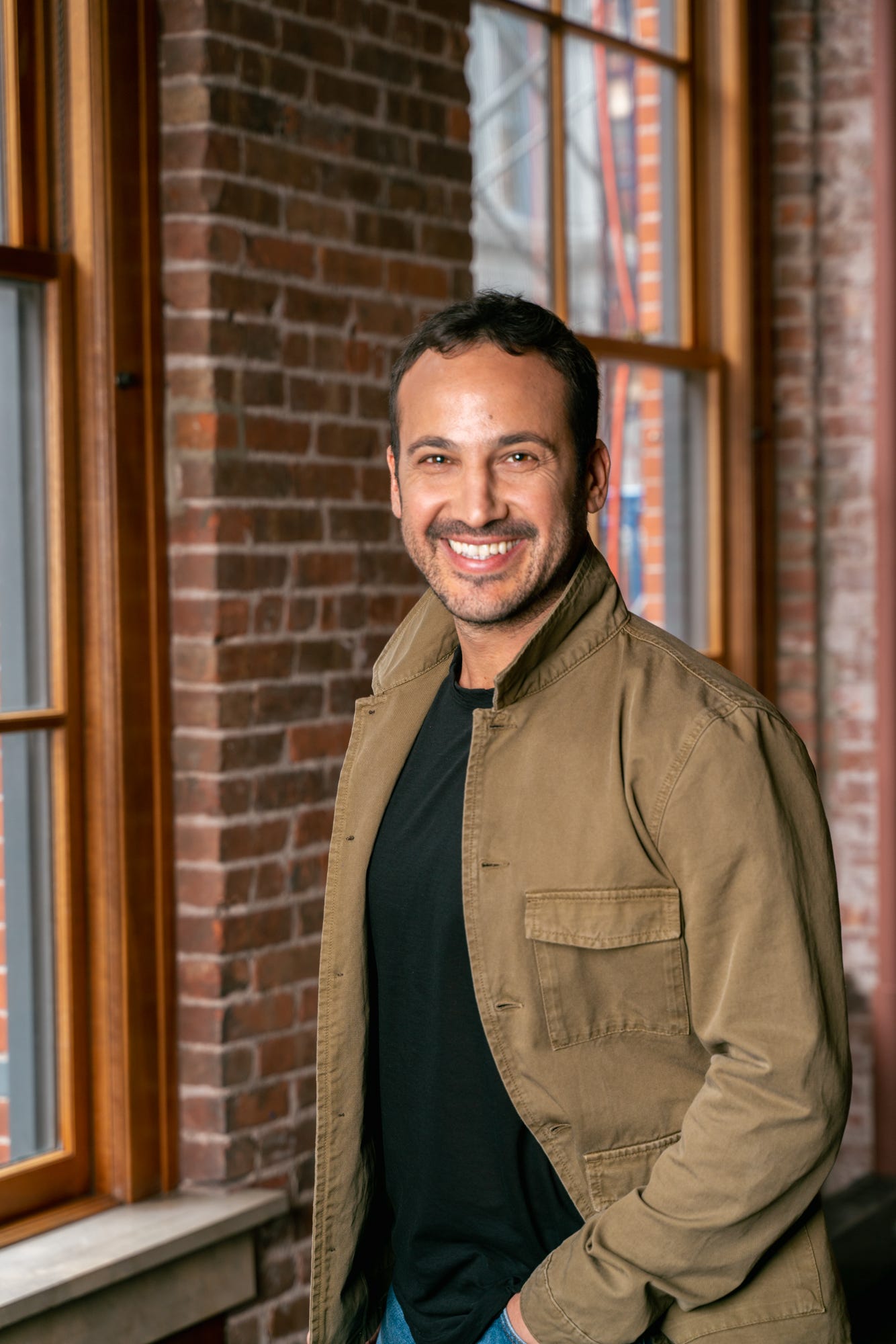
As part of my series about the leadership lessons of accomplished business leaders, I had the pleasure of interviewing Or Bokobza.
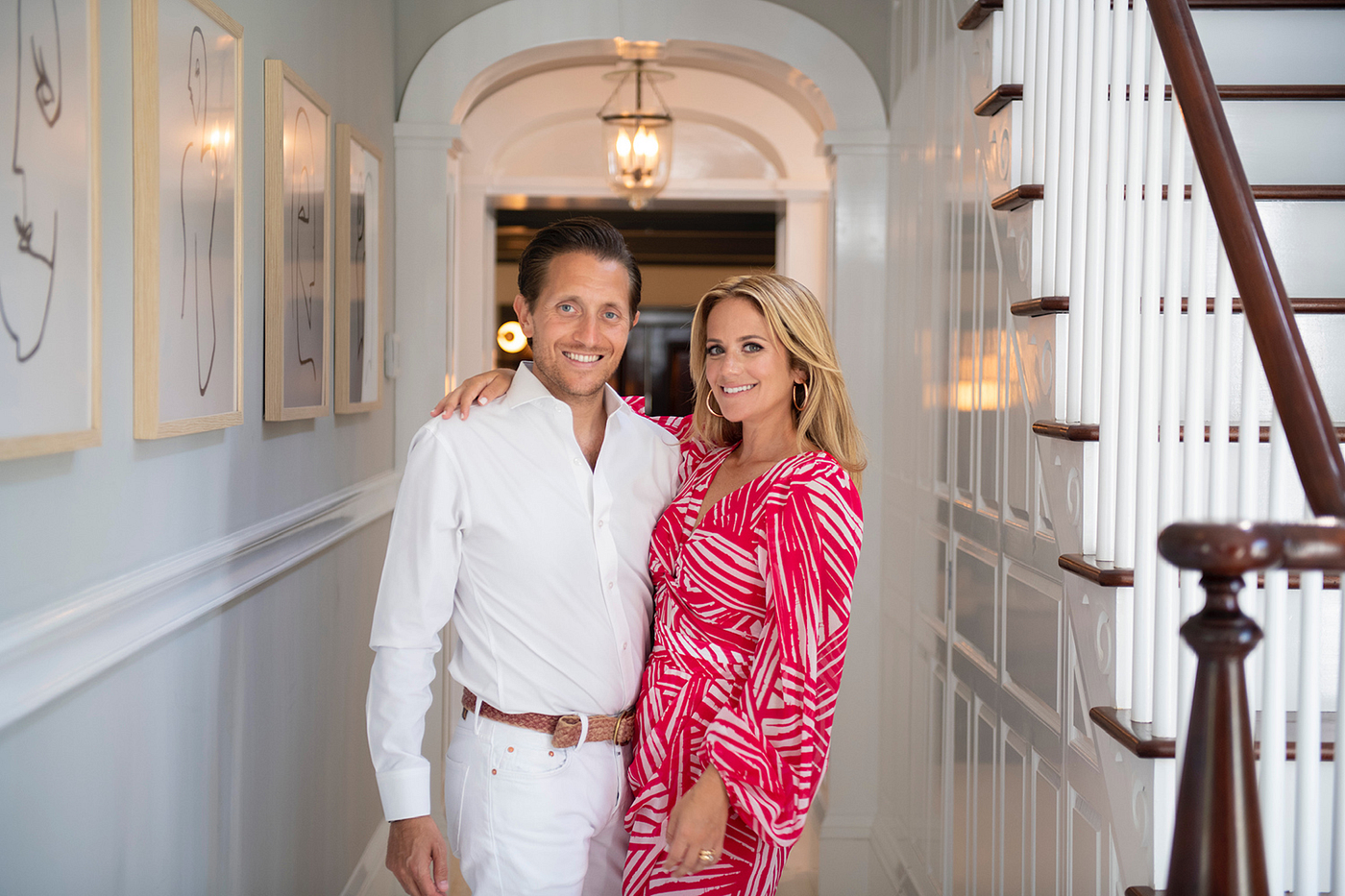
Or Bokobza is CEO and Co-Founder of Venn, the world’s only platform and experience company focused entirely on neighborhoods. Raised in a cooperative community in Israel, Or started his first neighborhood development company in 2012. In 2014, he became a founding partner of Selina, a hospitality and wellness start-up with nearly 100 locations around the world and more than $350M in funding.
In 2017, Or and his co-founders created Venn, The Neighborhood Company, merging best-in-class digital, physical and human experiences to foster real-world connections between neighbors and neighborhoods. Operating in cities from Brooklyn to Berlin and Tel Aviv, Venn powers thousands of units and drives Belonging for members and business growth for partners. Or lives between New York City and Tel Aviv.
Thank you so much for joining us! Can you tell us a story about what brought you to this specific career path? Can you tell us a story about the hard times that you faced when you first started your journey?
I spent eight years in a special forces unit in the Israeli army, an incredible, formative time. It was during that time that I met my co-founder Chen, and we would often talk about our vision for building a community that we could call home, where people would really support each other. We both grew up in communal communities — Chen in a kibbutz and me in a moshav — and this shaped our worldview.
One day, after leaving the army, I got a call about a real estate opportunity in a run-down and neglected neighborhood in the south district of Tel Aviv — Shapira. Chen, our friend David, and I immediately went to take a look. I remember stepping out of the car as a bunch of chickens crossed the street. I could smell the lemon trees — so unusual in the city. It reminded me of the moshav where I grew up. We all looked at each other and without saying a word we knew that this was it — the opportunity we had been looking for.
Right away, we moved to Shapira and started building our plans for the neighborhood — the coffee shop, coworking space, shared spaces. Everyone thought we were out of our minds, but we had a big vision and we were set on seeing it through.
Where did you get the drive to continue even though things were so hard?
In Hebrew we have this phrase “לייבש את הביצות” (“Leyabesh et habeytzot”), which means “to drain the water.” It goes back to when previous generations came to Israel and had to create an agricultural system from nothing, draining all of the wet mud to build livable communities like the moshav and kibbutz. When we started Venn, we had a feeling that we were going back to our roots, reinventing what it means to be an active participant in a community and building the framework to make that possible.
So, how are things going today? How did grit and resilience lead to your eventual success?
Entrepreneurship is the art of the impossible. As a founder, you need to believe what you see in your heart, not what’s already out there. For me, it’s not very exciting to see something that’s possible and just to go get it; I am passionate about going after the impossible and making it a reality.
Can you share a story about the funniest mistake you made when you were first starting? Can you tell us what lesson you learned from that?
Back in 2017, we realized that the only way to grow was to partner with local landlords, so we focused on raising money. We invited some bankers to the Shapira neighborhood, and I remember this group of bankers coming to the neighborhood in their shiny shoes and buttoned-up shirts. I was wearing a t-shirt and flip-flops.
I remember walking down the street with them and pointing out where we were building the kindergarten and the coffee shop, among other things. I said, “And in 18 months, we’ll build 100 buildings on this site.” They didn’t exactly laugh in my face, but I could see that they were laughing inside, thinking “Here’s another entrepreneur who thinks he’s going to change the world.”
Eventually, we raised a $40M round, which was revolutionary in Israel — to raise that money around an idea. For me, it’s small proof that we can make things happen even if people may laugh at first. And we always want to keep that passion.
What do you think makes your company stand out? Can you share a story?
There are moments in your life when you just know. It happened to me when I met my wife and when I enlisted in the army. It was the same when I first visited the Shapira neighborhood. I knew that Chen, David, and I would build our company there and call that place home.
All of the phases of our company have really been led by intuition, and I hope to hold on to that even as the company grows. Intuition is what led us to the vision. It made no sense, initially, coming to the Shapira neighborhood, but intuition led us there and
it’s one of the most beautiful and amazing neighborhoods in the world. It’s like an unpolished diamond — and we’re working to make it shine.
Which tips would you recommend to your colleagues in your industry to help them to thrive and not “burn out”?
Know how to raise money and recruit the best minds. To make this idea a reality, we brought together the most amazing and talented people in Israel. People came to work with us because they saw that spark in our eyes and the determination to make it. They stick around because we’re all working together toward collective success.
None of us are able to achieve success without some help along the way. Is there a particular person who you are grateful towards who helped get you to where you are? Can you share a story?
I have a very entrepreneurial environment at home because my wife Tamara is also a founder. Her startup, Riseup, helps people manage their finances and get out of debt in Israel. We’re constantly sharing our experiences and talking about our challenges — how we can create a better culture, a better organization, a bigger business. And now we’re about to have our first child, so the conversation has shifted to, “How do we raise our child to be an impact entrepreneur so that he will make a positive impact on the world?” We try to live our values and to make them present in our day-to-day, whether at work or at home.
How have you used your success to bring goodness to the world?
Community is a very buzzy word, but we’re building something real. With Venn, we’re defining the future of community and we’ll help others to envision how to build communities that are about real learning, education, and impact. Through our network of homes and shared spaces and investment in local businesses, Venn deepens the sense of belonging among neighbors and helps to build strong local economies.
What are your “5 things I wish someone told me before I started leading my company” and why. Please share a story or example for each.
1. Don’t be afraid to dream big. Your company will never be bigger than your dreams for it, so you should aim high.
2. Once you have the vision, you must act on it. Tell as many people as you can in order to commit to what you are building and hold yourself accountable to make it a reality.
3. Take smart risks. It’s natural to question yourself in the early phase of building your company. Often, you are not earning a salary as a founder and the pressure is really on, especially when the initial excitement burns off. One of the things that really helped us to get through that difficult early stage was that we knew we didn’t want to let anyone down. We weren’t going to risk our reputations by not delivering. That’s our biggest strength as founders — if we commit to something, we deliver all the way.
4. Be a pro. You learn this in the army, and it’s what helped keep us going when so many talented people were willing to contribute their time and talent to building Venn.
5. Know how to raise money and recruit great talent. You can’t succeed without the right team, so invest in company culture to surround yourself with driven, like-minded people.
You are a person of great influence. If you could start a movement that would bring the most amount of good to the most amount of people, what would that be? You never know what your idea can trigger. :-)
We’re doing it! If you really want to improve people’s lives, start with their neighborhoods. Venn makes it easy for people to contribute to their communities, shop local, and find Belonging.
How can our readers follow you on social media?
https://www.linkedin.com/in/or-bokobza-22411123/
This was very inspiring. Thank you so much for joining us!
CG
Written by
Candice Georgiadis
Editor & Journalist · Authority MagazineCandice Georgiadis is a senior columnist at Authority Magazine covering Business and Tech, conducting primary-source Q&A interviews with founders, executives, and industry leaders.

Published inAuthority MagazineTop Lessons, Top Authorities · 42K Followers
Exclusive, curated interviews with the leaders and changemakers shaping tomorrow. Leadership lessons, industry deep dives, and executive profiles.