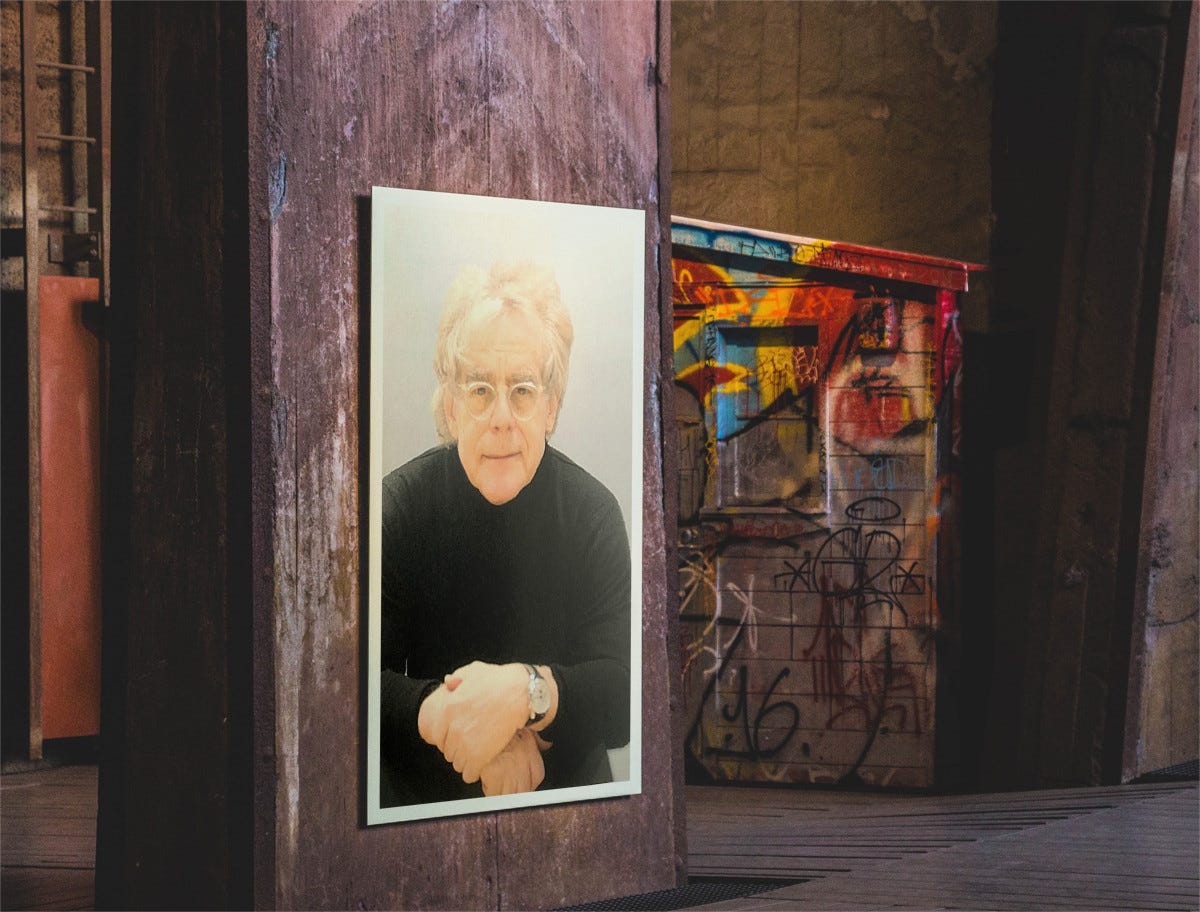
I thought it would be curious to tell people why I put the Ferrari badges on the Toyota Celica.
Business
Oleg Torbosov of Whitewill Luxury Real Estate agency with: Why Crowdfunding Your Chapters Directly Through Telegram Donors Builds Unshakable Book Momentum
The luxury real estate founder shares how a spontaneous writing exercise on Telegram transformed his personal brand, engaged loyal customers, and scaled his international agency.
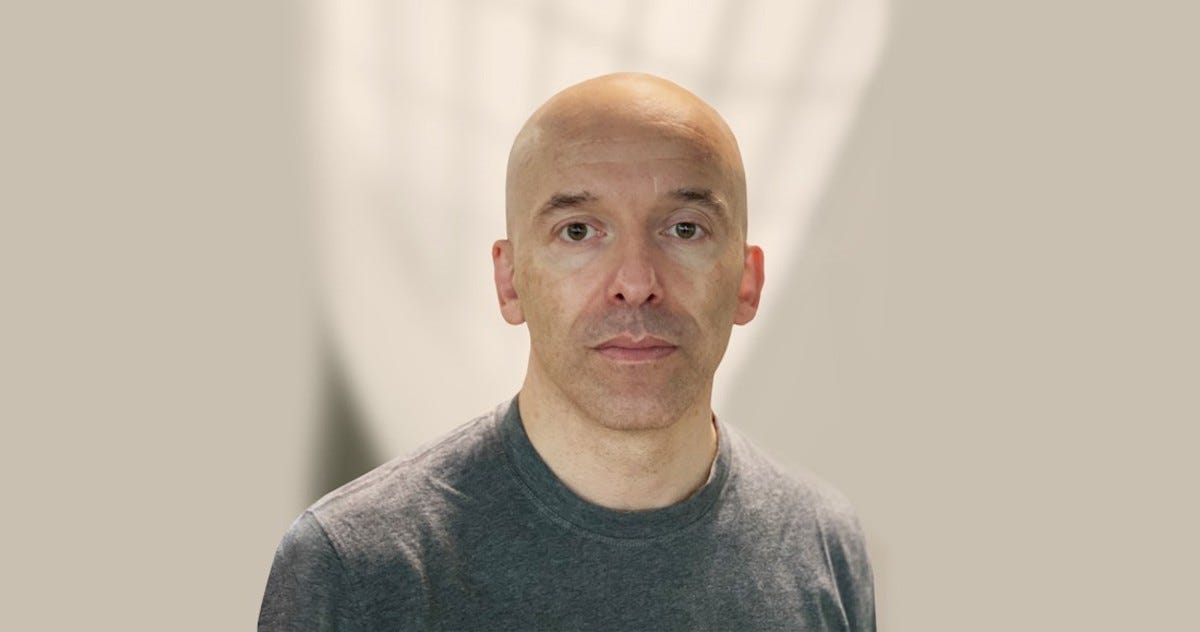
As a part of our series about “How You Can Grow Your Business or Brand By Writing A Book”, I had the pleasure of interviewing Oleg Torbosov.
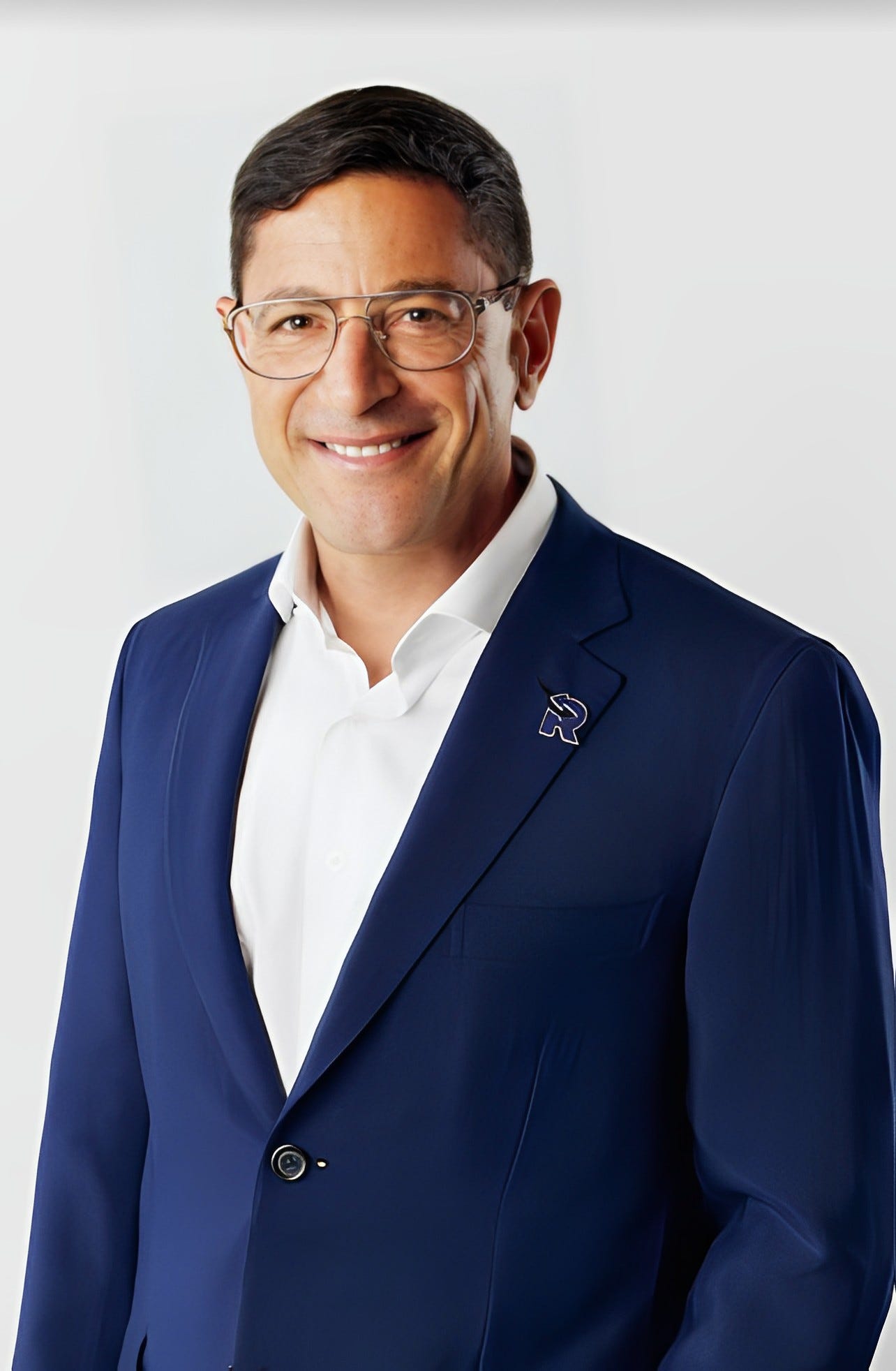
Oleg Torbosov is a successful entrepreneur, a founder of Whitewill Luxury Real Estate agency with offices Moscow, London, and Dubai.
It is hard to believe now, but Mr. Torbosov started as a waiter when he first moved to Saint Petersburg. And his first book, describing his journey of becoming an entrepreneur not just became a bestseller on Litres.ru (Russian online books site), but also helped him to frow his business.
Thank you so much for joining us in this interview series! Before we dive into the main focus of our interview, our readers would love to “get to know you” a bit better.
Can you share a story about what motivated you to become an expert in the particular area that you are writing about?
Robert Kiyosaki’s book “Rich Dad, Poor Dad” became a turning motivator for me. I was quite young when I first read it, I just moved from a small closed Russian town to Saint Petersburg. After reading that book, I decided to quit my job as a waiter and to launch my own design studio. Eventually, I developed my career as an entrepreneur and at some point moved from design to a financial business, which I then sold. It was a credit brokerage company that I founded with my partner. My current business, a premium real estate agency, grew out of that mortgage brokerage.
They say that real estate is a highly competitive niche. But when I first started I was not afraid and I am not afraid of competition, on the contrary, the more competition, the “livelier” and more dynamic the market are which means that there is demand. If we look at clothing stores, grocery stores, where there is more demand, there is more competition. This is logical.
Can you share a pivotal story that shaped the course of your career?
I am a lucky person because I didn’t have to give up on my main business to become a book writer. Quite opposite: eventually, my hobby even helped to grow my business.
The idea to write the first book was born spontaneously. I came across an old photo that inspired me to write a small post, a small story for my social media pages. And it went so well, that I began to write posts one by one. It was a creative “ecstasy”, a kind of impulse, and I wrote thirty-two chapters in one week. I published them on my Telegram channel for free. I already had some following, about 20,000 followers, as an entrepreneur who would give public speeches from time to time. But when I started to publish my story by chapter, the Telegram channel started to grow faster. People were attracted by the story I had to tell.
That very first post started with the fact that I began to describe the story of how this photo was taken. It shows a Toyota Celica car with Ferrari badges. I thought it would be curious to tell people why I put the Ferrari badges on the Toyota Celica. I started writing where the car came from, then how I earned it, and about my first job (I was a promoter at the night club and it was the job that let me buy my first car).
The whole tangle unraveled, and it turned out to become thirty chapters. I realized that the stories being laid out turn into a kind of storyline. Then I announced that those who want to read more can subscribe to a paid channel in Telegram, so I created a new Telegram channel and added those who wanted to donate to continue to read the story.
I published the remaining one hundred and thirty chapters to that channel with paid membership. By the time I was approaching to finish my book, there were two thousand readers of the channel. In the paid channel, I had the principle of donations — pay as much as you want. The minimum was five hundred rubles (less than $10), there was no ceiling for the maximum donation. The maximum donation for the first book was twenty-four thousand rubles (around $300).
I feel like I allowed people to express their respect and gratitude financially. Usually, you buy a book and you can’t pay more, you can’t thank the author directly. In Telegram, I had a direct transaction and people paid whatever value they felt they got from the book. While publishing my second book using the same principle, one person paid me fifty-four thousand rubles (around $770).
What are some of the most interesting or exciting projects you are working on now? Are you working on any new writing projects?
My second book “The Way of One Agency” has already been published in print and in early December it will be published in audio format on the Litres portal. I just recently finished recording an audiobook, I recorded it myself.
Thank you for all of that. Let’s now shift to the core focus of our interview. Can you please tell us a bit about your book? Can you please share a specific passage or story that illustrates the main theme of your book?
The first book for aspiring entrepreneurs, those who are interested in business. It can serve as a source of inspiration and a “guide” on the path of an entrepreneur, how to build a company step by step. The second book has three types of readers: potential customers, potential employees, and potential partners. The second book is more utilitarian from the point of view of selling real estate. I reveal some working models, details of work with us to attract employees.
I didn’t become successful overnight. It was a journey, and people, who read my book, familiar with where I am coming from.
You are a successful author and thought leader. Which three character traits do you feel were most instrumental to your success when launching your book? Can you please share a story or example for each?
First of all, discipline. I sold my book before I finished it. So, there was no chance for me not to finish it, not to publish a new chapter every week. I just had to write. As I promised people to deliver new chapters on a closed paid Telegram channel, I happened to finish a book quite fast. Also, my skills of storytelling and ability to organize processes helped a lot.
Secondly, you need to feel the story. Just like the most successful TV shows end the episode on the most intriguing moment, you can finish the chapter with the most interesting storyline.
And finally, respect to the readers. It is very important.
Can you share some stories or examples from your own experience about how you helped your own business or brand grow by writing a book? What was the “before and after picture?” What were things like before, and how did things change after the book?
I have found that writing a book can be a great way to grow a brand. When writing a book, I have several goals, including business promotion. The first goal is to find new customers. The second goal is to attract new employees. The third goal is to get new partners who will “share” customers. Now we are selling real estate in the cities of Dubna, Moscow, and London. We are planning to open in New York next year.
We had deals where clients admitted that they found out about the company by reading a book. When they had the deal to buy real estate, they immediately remembered about us.
If a friend came to you and said “I’m considering writing a book but I’m on the fence if it is worth the effort and expense” what would you answer? Can you explain how writing a book in particular, and thought leadership in general, can create lucrative opportunities and help a business or brand grow?
I was lucky I had a blog where there were a lot of photos. Photos have become a good source of memories and stories. A book is always a collection of stories. It was easy for me to write, because I just opened my social networks for 2012–2014, found photos and started from them as from the time points of the narrative. I have included all these photos in my book. I also found my old playlists, looked at what music I listened to, remembered the songs and I included them in the audio book.
What are the things that you wish you knew about promoting a book before you started? What did you learn the hard way? Can you share some stories about that which other aspiring writers can learn from?
I started publishing the book on my own. Not every author can afford it, not everyone has the money to print a print run. It can be five hundred thousand or a million rubles, depending on the number of copies. At least one thousand copies are needed, otherwise it is unprofitable. Publishers offered me to change the name, they did not agree with my concept, because they need a purely commercial product. They pay the author very little, they pay thirty thousand rubles from one book in Russia. I got ten times more by selling myself. But in order to sell a book, you need an audience. I had it. I sold the book to my audience myself, I advertised it on social networks myself. Those copies that I printed, I sold. In August last year, I became the author of the month for Litres. The main life hack was that I already had a loyal audience, so thousands of people bought electronic versions and wrote good reviews, so I have one of the highest ratings on the platform (4.9 out of 5). My audience is from fifteen to fifty-five years old, a lot of schoolchildren read my book, and their parents also read it. In general, books about business and books for motivation sell very well in Russia.
Based on your experience, which promotional elements would you recommend to an author to cover on their own and when would you recommend engaging an expert?
Quality. We worked for quality, we had cool covers, we made the letters “convex”, people wanted to touch them. People said they wanted to fondle the book. We used expensive paper, the cost of the book was five hundred and fifty rubles, it was sold for nine hundred and ninety rubles. The publishing house would not have made such an expensive book with six hundred pages, so we printed it ourselves. The trick is that people shared what they read on social networks, I reposted their reviews, others saw it and also joined. Thousands of people wrote good reviews with photos of the book. For his audience, the author can offer to write reviews on Instagram, mark the author, and then subscribers will be interested, they will also buy the book. The author is required to support those who make posts about the book, write thanks.
To initially recruit your audience, two things are important:
1. To speak offline (on forums, at summits), to attract people from offline to online, in social networks. I have gained an audience in five or six years.
2. Interesting content (you need to generate a lot of good content, get people interested). For example, I wrote about a Chinese blogger who talks about cosmetics. My post has gained one thousand two hundred reposts, people want to share interesting material with each other. You need to be friends with those who have a large audience, do collaborations, negotiate with them, so you attract new people. It’s long but high-quality.
When I write a book, I launch my paid Telegram channel, to which people subscribe, I commit myself to post a chapter every day. When two thousand people have already pre-ordered and read new chapters online every day, you automatically take responsibility and write on. This is my main motivator — knowing that the book is expected. I write one or two chapters a day, it takes an hour. It takes six months to write one book. Writing every day has become a habit. If I’m on a plane, I can write three or four chapters, then I publish what I have for a few days. I have a content plan. When I write something on Facebook or somewhere else in the public domain, there are no obligations, I can post something once a week, once a month.
For many authors, writing one book takes several years, and someone generally throws books unfinished. I don’t do that, I write steadily and post it right away.
Wonderful. Here is the main question of our interview. Based on your own experience and success, what are the “five things an author needs to know to successfully promote and market a book?” If you can, please share a story or example for each.
- You need to reach your audience using different formats and different platforms (Telegram channel with posts, audiobook, electronic and printed versions)
- Sell before you’re done. It gives you the motivation to keep pace. People are waiting for the next chapter. They paid for it.
- Social Media Engagement — people should want to share and repost your chapters/ photos of the book.
- The visual appeal of the book (cover, page quality, font) is very important. Use great photographs as illustrations.
- The principle of the series — people should wait for the next portion — chapters should be short and end at the most interesting moment so that it is easy to read and you want to continue reading.
We are very blessed that some of the biggest names in Business, VC funding, Sports, and Entertainment read this column. Is there a person in the world, or in the US, with whom you would love to have a private breakfast or lunch, and why? He or she might just see this, especially if we both tag them.
Elon Musk. I see him as a real, sincere person who is not afraid to admit his mistakes. He does not make himself God or Superman, he remains “alive”, human. At the same time, he is one of the three richest people on planet Earth. He inspires me. The world generously “pays” for his ideas. I like people like that.
How can our readers further follow your work online?
Subscribe to me on social networks, find me on the Telegram channel and on the Litres platform. I am always glad to new readers!
Thank you for these excellent insights, and we greatly appreciate the time you spent. We wish you continued success with your book promotion and growing your brand.
AM
Written by
Authority Magazine Editorial Staff
Editorial Desk · Authority MagazineThe Authority Magazine Editorial Desk produces, verifies, and edits long-form primary-source interviews with executives, innovators, clinicians, creators, and social impact leaders across Business, Tech, Pop Culture, Wellness, and Social Impact.

Published inAuthority MagazineTop Lessons, Top Authorities · 42K Followers
Exclusive, curated interviews with the leaders and changemakers shaping tomorrow. Leadership lessons, industry deep dives, and executive profiles.