Michelle F Moseley On 5 Things You Need To Heal After A Toxic Relationship
Being officially identified in 2023 at age 43 gave me words to describe what I had been experiencing my entire life.
Psychological abuse can leave deep and lasting scars, affecting all aspects of a person’s life. Healing from such toxic relationships requires resilience, support, and effective strategies. As a part of this series, I had the distinct pleasure of interviewing Michelle F. Moseley.
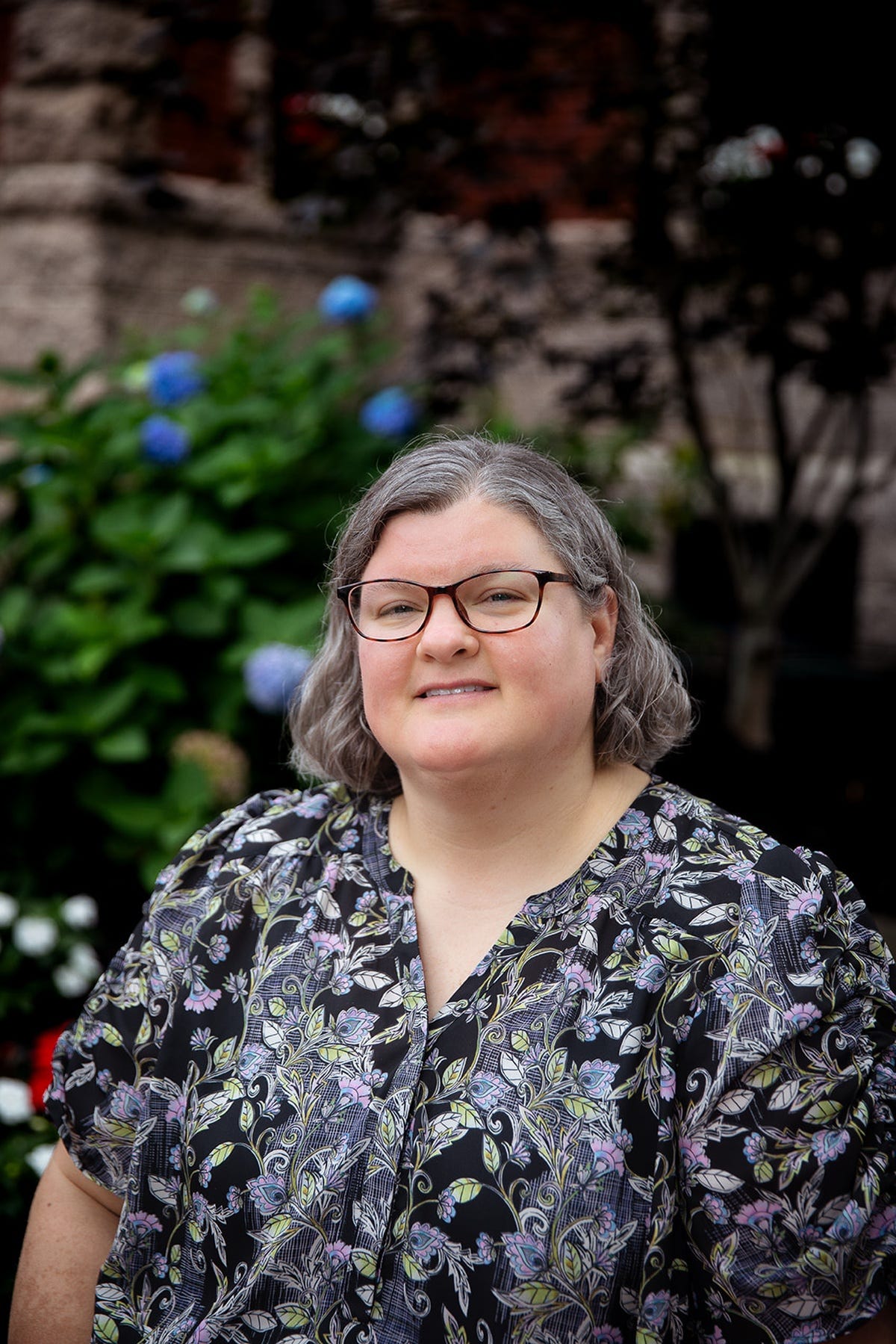
Michelle F. Moseley, LCMHC is a licensed mental health counselor based in North Carolina who works with those who have experienced relational abuse and trauma. Her specialties include a focus on abuse that occurs within spiritual or religious groups. In addition to her work with clients, Michelle also provides educational trainings for other therapists and community organizations and has authored several texts on religious trauma. You can learn more about Michelle at MichelleFMoseley.com
Thank you so much for joining us in this interview series! Before we dive in, our readers would love to “get to know you” a bit better. Can you tell us a bit about your ‘backstory’?
The work I now do as a licensed mental health counselor is a second career for me. I came into the mental health field after spending 15+ years in ministry settings, mostly within evangelical Christian contexts. The last few years of my work in ministry included experiences of emotional, psychological, and spiritual abuse. I didn’t have the vocabulary to describe what was happening at the time and it was confusing to be experiencing abuse within a faith-based group that meant so much to me.
The organization I was working with minimized what was happening and worked to cover up the abuse, creating an environment that forced me to make a painful decision to leave ministry. There were several painful months and lots of tears before I was able to think about what might come next for me. I entered graduate school at the age of 34 with a plan to work with young adults, providing mental healthcare through a college counseling center, but my career path has taken me in a very different direction over the past 10+ years.
After graduate school, I spent several years working in community mental health with a wide variety of populations and needs. Then, I transitioned to working within a group practice with teens and adults, yet still focusing on a wide variety of mental health concerns. I was regularly finding myself working with clients who entered therapy for anxiety or depression, but as we worked together, concerns related to relational abuse or harmful religious experiences would surface. These clients would comment things like, “You really get this.” They would refer others to me for similar concerns, and I realized that I wanted to focus my work on supporting those who have been impacted by abusive behavior within relationships and in religious communities. That led me to pursue more intense training in these areas and to really focus on this specialized area of mental healthcare within my own private practice.
Can you share with us the most interesting story from your career? Can you tell us what lessons or ‘takeaways’ you learned from that?
I was officially identified as Autistic at age 43, which has deeply impacted both my personal life and career. I was a child in the 80s and a teen in the 90s when much less was understood about neurodivergence and mental health in general. As a young girl who was able to sit still in class and who made good grades, my struggles were labeled “anxiety” and I was told to “get over it” and “push through.” So, I worked to do that and continued wondering if everyone else was having the same difficult internal experience that I was having.
In 2013, the criteria for Autism in the DSM-5 was updated and things like mental health and neurodivergence were being talked about more frequently. I began asking questions and seeing myself in the descriptions of Autism, especially the descriptions of the internal experience by actually Autistic individuals. Being officially identified in 2023 at age 43 gave me words to describe what I had been experiencing my entire life. It also came with grief related to how much I had struggled and how those struggles have been perceived by others throughout my life.
Why is this interesting from a career perspective?
I realized that I was already attracting many clients who were questioning their own neurodivergence or had recently been identified as ADHD, Autistic, or AuDHD in adulthood. I have intentionally pursued additional training in working with neurodivergent adults, particularly women. I’ve also taken a deep interest in the intersections of neurodivergence and religion, and am one of the few people in the world examining this area and offering education related to how religion can impact neurodivergent individuals.
You are a successful leader. Which three character traits do you think were most instrumental to your success? Can you please share a story or example for each?
Three character traits that have been instrumental in my leadership are curiosity, integrity, and passion. I have been a curious person since childhood. As a toddler, I would follow my parents around stringing letters together and asking, “What does that spell?” I studied maps during car trips and read the encyclopedia for fun. That insatiable desire to learn and understand continues, allowing me to engage with new ideas and make connections that others might miss.
Integrity has always been important to me. I am the same person regardless of the setting or who I am interacting with. One summer during college I was working at a summer camp, a very different setting from the classrooms of my undergraduate studies at Wake Forest University. A friend from college came to visit and said, “You’re always the same; whether in class doing research or out here working with kids, I know what to expect from you.” This commitment to integrity has built trustworthiness with therapy clients and with those who engage with my educational workshops.
My form of passion has often been labeled as “intense.” I do engage with special interests at a level of intensity that is common with Autistic individuals, and can feel overwhelming to some people. This passion has allowed me to explore new topics at length, approach topics in therapy in ways that support the individual client I’m working with, and craft learning opportunities that provide information in new ways.
Are you working on any exciting new projects now? How do you think that might help people?
There are multiple exciting things happening in my career right now. A few months ago, I was invited to be a part of the Advisory Panel for the Religious Trauma Network, an independent group that focuses on providing resources and opportunities for connection to those who have experienced harm in religious contexts. I’ve also been working on a couple of publications on the topic of religious trauma that will be utilized within the counseling field, both with publishing dates in 2027. Finally, I am continually updating my training offerings, both those designed for mental health professionals and the educational workshops I offer for community organizations and churches. Amidst all of these projects, in addition to the individual and group counseling options I provide, there truly is something to meet the needs of a wide variety of people.
Let’s start with a simple definition so that we are all on the same page. How would you define a Toxic Relationship?
A toxic relationship is an ongoing dynamic between people that causes harm to one or more of the people involved. Toxic relationships can happen within families, workplaces, faith communities, and more. The types of harm that can occur within a toxic relationship include emotional, mental, physical, sexual, financial, and spiritual. When toxic relationship dynamics occur within a religious context, a person’s sense of self and their relationship to their higher power can be particularly damaged.
What are the common signs of emotional, financial, and/or psychological abuse in various types of relationships (e.g., romantic, familial, professional)? How can individuals recognize and address these forms of abuse effectively?
Some common signs of abuse within relationships include rigid power hierarchies, periods of peace or “lovebombing”, minimizing the experiences of the victim, and protecting the abuser.
Rigid power hierarchies can include things like requiring an adult employee to run every decision by their supervisor before taking action or only allowing men to take on leadership roles and expecting women to be submissive. These hierarchies can become abusive when roles of power or leadership are given without evaluating a person’s overall qualifications, and when that power is misused to coerce or manipulate others.
Periods of peace are common in abusive relationships. This is sometimes called “lovebombing” and can include gifts, promotions, and promises of change. These periods of peace can cause a person to start questioning their experience of harm, and can make it more difficult to leave an abusive relationship dynamic.
Minimizing the experiences of the victim and protecting the abuser are often connected to one another. When the person who has been harmed attempts to name the harm, they may be told they misunderstood or that their experience doesn’t reflect others’ experiences with the abuser.
These characteristics were present in my own experience of a toxic work relationship within a ministry organization. There was a rigid hierarchy of leadership — only men could hold leadership roles, regardless of the length of time someone had been working with the organization or the particular skills a person might have. As a woman who is naturally curious and who asked questions, I was viewed as a threat and was given many directives and additional tasks that hindered my ability to carry out my role well.
I experienced occasional moments of peace or unexplained kindness amidst periods of manipulation and gaslighting. For example, my abuser loaned me a car when mine was out of commission for a couple weeks. It can be confusing to comprehend these types of gestures, which seem kind, but are happening alongside ongoing psychological abuse. When I attempted to tell others what was happening, I was met with statements that minimized my experience and/or defended the actions of my abuser.
It is difficult to address psychological abuse while still in the relationship. The periods of peace and the reactions of others can make it hard to find a sense of clarity about the harm that is happening or to find support to address it. Ultimately, I was forced to choose to leave my abusive relational dynamic, which also meant leaving a ministry role I was passionate about. These types of difficult decisions are often the case for those experiencing psychological abuse.
How can someone begin the healing process after leaving a toxic relationship? Based on your research or experience, can you please share your “5 Things You Need To Heal After A Toxic Relationship”?
1. Find at least 1 person who believes you and is in your corner. This person might be a friend, a family member, a colleague, or a religious leader. Having at least one individual who listens to you, believes your experience, and offers support in the ways you need can help you in deciding how to move forward and what you want your future to look like. Support from this person might look like listening, helping you connect to safe housing or other resources, or making plans to help you add structure to your days.
2. Give yourself space before making permanent decisions. It is difficult to think clearly immediately after leaving a toxic relationship. You may find that part of you wants to destroy every reminder of the relationship while another part of you longs to reconnect with the person. When possible, giving yourself space before making permanent decisions can help ensure you find freedom without destroying something you may later need or want. After leaving my ministry job due to the toxic relationship with the team leader, I couldn’t look at reminders of that time without crying. I placed all the books, journals, clothing, and other reminders in a few large plastic bins and stored them away for several years. When I went back through them, I was able to more clearly decide what was trash, what could be donated, and what I wanted to keep. There were items that I would have tossed in those early days because they were associated with so much pain, yet I was glad to still have access to them once I was further removed from the toxic relationship.
3. Work with a licensed therapist who understands your particular type of toxic relationship. A licensed therapist has received training focused on mental health and completed thousands of hours of hands-on clinical work. These mental health professionals can generally be identified by the credentials that follow our names — things like LPC, LCSW, LMHC, LCMHC, LPA, etc. — with the “L” indicating “licensed.” It can be particularly important to work with a licensed therapist who has training and experience related to your particular type of toxic relationship. For example, someone with extensive training in working with the impacts of domestic violence can be an excellent therapist, but can still miss out on nuances related to toxic relationships within the workplace or within a place of worship. You can ask a potential therapist about their specific experience related to your toxic relationship dynamic.
4. Recovery takes time. There is no set timeline for healing from a toxic relationship. Anyone who promises healing in “3 easy steps” or “12 weekly sessions” is not being honest, and may not understand the complex ways that toxic relationships can impact a person. Your recovery timeline will depend on many factors, including how long you were in the toxic relationship, the nature of the abuse, and your access to support and resources. Recovery is possible, but it takes time.
5. Healing is not linear. There may be moments after leaving a toxic relationship where you wonder if any healing is happening. Toxic relationships can leave you with trauma symptoms such as flashbacks or nervous system overwhelm. For many people, healing is filled with moments where they wonder why they are still struggling alongside moments where they are amazed at their progress. Healing is more like a bumpy ride through lots of hills than a straight drive down the interstate.
Following financial abuse, what actionable strategies can individuals employ to rebuild their lives and achieve financial independence? What resources are instrumental in this process?
Financial abuse can take several forms. For someone who has never had access to a personal bank account or their own income, skills such as learning how to open a bank account or to apply for a job are necessary. Others may have had access to their own money, but have been manipulated or coerced regarding how that money was used. Recovery from financial abuse often includes securing your own account and being able to build the amount of available funds. Resources available depend on a person’s location, but one helpful place to start is with local domestic violence foundations or services. These organizations can often give you insight into the local resources available for your situation even if your toxic relationship wasn’t a form of domestic violence.
For those impacted by multiple forms of abuse, what comprehensive strategies and support systems are most effective in facilitating their healing journey?
Toxic relationships that include multiple forms of abuse often require a multi-faceted approach to healing. Working with a trauma-informed medical provider can be an important part of healing from physical and/or sexual abuse. It is important to be evaluated for injuries and screened for STIs to help ensure that you get any necessary treatment or care. Working with a licensed therapist who has specialized training in working with trauma and the impacts of toxic relationships is an important part of healing from emotional, mental, and psychological abuse. This may also be important in healing from the impacts of sexual abuse. When spiritual abuse is involved, make sure you are working with a therapist who understands the specific nuances of spiritual abuse and who is committed to supporting your healing without their own spiritual or religious agenda.
Support systems can come in a variety of forms — a close friend, a mental health professional, a support group for survivors, and more. The most important thing in effective healing is finding those people and spaces that feel supportive for you and allowing yourself to receive support from them.
What strategies can survivors use to rebuild their self-esteem and confidence?
Gaining an understanding of the abuses of power and connection that happen within toxic relationships is often the first step in rebuilding self-esteem and confidence. As a survivor of abuse, it is important to understand that you are not responsible for the abuser’s actions.
One strategy for rebuilding confidence is allowing yourself to take calculated risks in putting yourself out into the world; the kind of risks that have a high likelihood of reward. This could look like wearing an outfit that you love and allowing yourself to experience the confidence this gives you. You might cook a meal or write a blog and choose to share with the supportive people in your life. Every time you are met with kindness and encouragement, you will be reminded of who you are at your core (outside the toxic relationship), and you will add to the building blocks of self-esteem and confidence.
How can friends and family best support someone who is recovering from psychological abuse?
Believe them! The most important thing that family and friends can do to support someone who is recovering from psychological abuse is to believe the person when they share their experience of abuse. Do not try to convince them that “it wasn’t that bad” or encourage them to “look on the bright side.” Listen to the ways they describe how they were impacted by the abuse and look for the practical things they may need support with — nourishing themselves, getting out of the house, finding a job, connecting with a therapist. Then, take steps to help meet those needs.
One important reminder is that many times people who leave toxic relationships and talk about their experiences with their abuser are met with some version of, “Well, I never experienced [the abuser] that way.” This is often true. Those who psychologically abuse partners, employees, or others rarely act in abusive ways with everyone around them. So, while you may have never experienced that side of a person, that does not mean the abuse did not happen.
What role does therapy play in recovering from psychological abuse, and how can one find the right therapist? Additionally, what tips do you have for overcoming common barriers to accessing therapy?
Therapy with a licensed mental health provider can play an integral role in recovering from psychological abuse. As previously mentioned, it is important to work with a licensed therapist who understands the specific type of toxic relationship dynamics you have experienced.
There are several options for finding a therapist. You can do an internet search that includes what you are looking for and your location. The location is important because in the US, licensed therapists can only work with individuals who are located in states where we are licensed to provide therapy. I know folks have found my website by searching “therapist for spiritual abuse in North Carolina.” Increasingly, individuals are also using AI to find a therapist. While services such as Chat GPT can be helpful for finding information about a therapist who specializes in toxic relationships or psychological abuse, I discourage you from seeking mental health support from AI as that is best left to trained professionals. Other options for finding a therapist include therapist directories — Inclusive Therapist, Open Path Collective, TherapyDen, etc. — or requesting a list of therapists from your insurance company.
One of the biggest barriers to effective therapy is not finding the right fit with a therapist. This can be even more difficult for those who have experienced psychological abuse and are understandably hesitant to trust others. Many therapists who have their own private practice offer a free consultation prior to scheduling. This might be done via phone or virtually. These consultations generally last about 15 minutes and can provide a good opportunity to ask any specific questions you might have related to the therapist or their approach. Most important of all, a consultation gives you an opportunity to get a feel for what the therapist is like and how comfortable you feel with them. Decades of research have shown that the relationship between therapist and client is the most important factor in effective therapy, so overcoming the barrier of finding a good relational fit with a therapist is imperative to healing.
Could you name a few organizations or professionals that provide crucial support for individuals seeking to restart their lives after experiencing abuse, particularly when they have dependents relying on them?
I’m going to speak directly to support for those who have experienced spiritual abuse and toxic relationships within religious contexts since that is where I focus a lot of my clinical work. There are several resources geared toward survivors of this type of abuse — Religious Trauma Network (https://www.religioustraumanetwork.com/) offers online conversations and book clubs focused on aspects of spiritual abuse and Recovering from Religion (https://www.recoveringfromreligion.org/) offers support groups, a peer chat line, and weekly online talks to support survivors of religious harm.
For those looking for a therapist who understands spiritual abuse and the complexity of religiously-based toxic relationships, there are directories available at Reclamation Collective (https://www.reclamationcollective.com/resourcedirectory) and Empathy Paradigm (https://www.empathyparadigm.com/directory) You can search by various criteria such as location, experience with a specific faith background, or traits of the therapist to help you find someone who is the best fit for you. For those who have dependents relying on them, you may choose to work with a therapist who is also a parent or who specializes in working with caregivers who have experienced spiritual abuse.
For anyone located in North Carolina, I provide both individual and group counseling that focuses on helping folks recover from spiritual abuse and the impacts of toxic relationships within spiritual settings. I also provide educational workshops to help ensure there is more support available for those who have been harmed and that faith communities are equipped to prevent harm. More information about all these options is available on my website at https://michellefmoseley.com/
You are a person of enormous influence. If you could start a movement that would bring the most amount of good to the most amount of people, what would that be? You never know what your idea can trigger. :-)
I would love to create a movement that helped ensure that all clergy and ministry leaders receive education related to mental health and recognizing signs of abuse. This could include required classes as a part of education for ministry degrees, as well as educational workshops for leaders and people within churches and other ministry groups. Increasing awareness around mental health would help ensure that both faith leaders and those under their care have access to support when needed, and would decrease the number of people who find themselves trying to heal from harm that occurred within relationships in their spiritual community.
What is the best way for our readers to continue to follow your work online?
Readers can learn more about me and my services on my website at https://michellefmoseley.com/ or can follow me on Instagram — @therapy_with_michelle
This was very inspiring. Thank you so much for the time you spent on this. We wish you only continued success.