When I started to dig a little deeper and ask those involved in the process, it was clear to me that no one had addressed this confusion.
Business
Max Simkoff: The Outdated Industry Rule That Sparked A Proptech Revolution
The founder and CEO of Doma explains how transforming the traditional 1890s home-buying process into a digital-first experience required reimagining an entire industry.
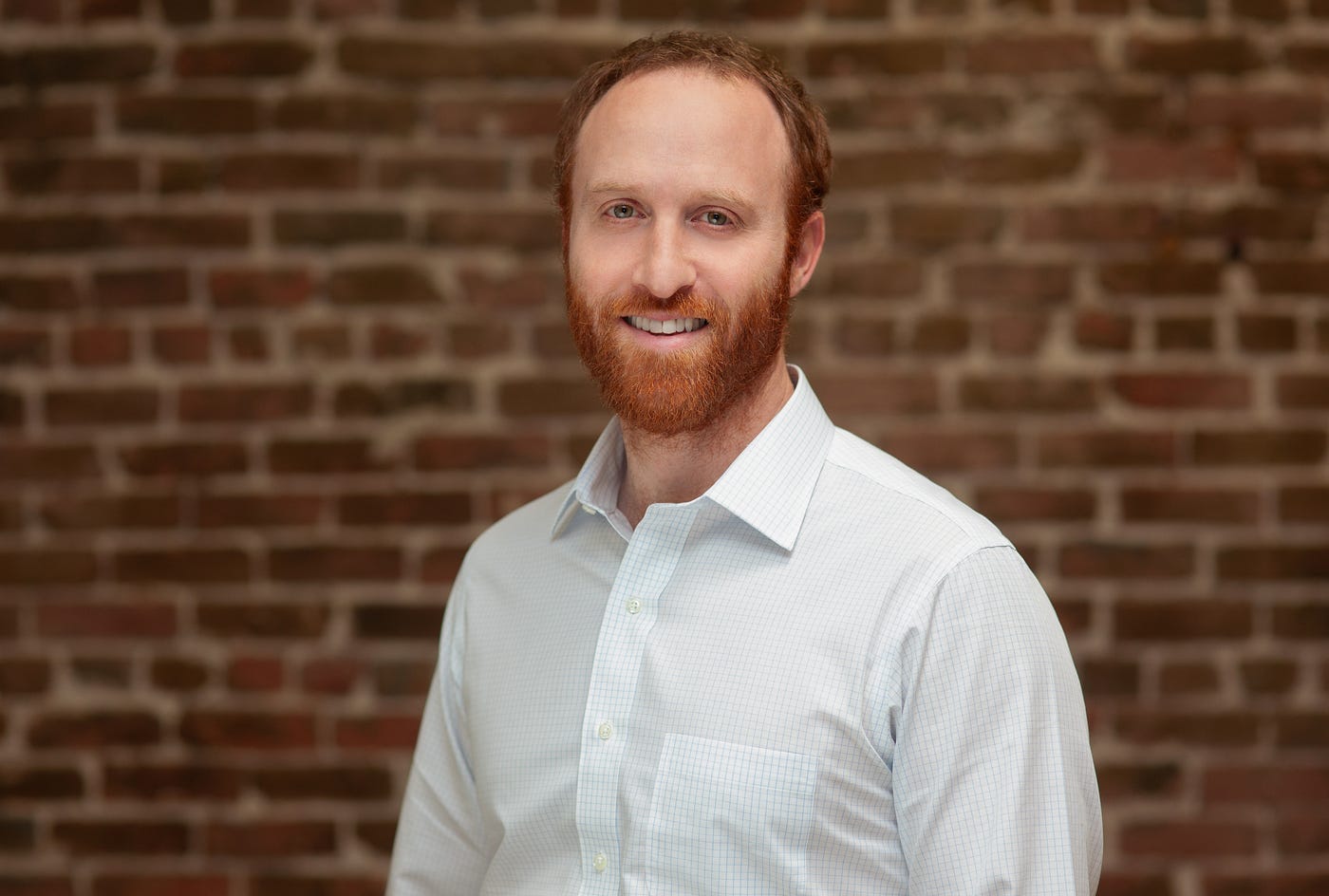
As part of our interview series called “5 Things I Wish Someone Told Me Before I Became A Founder”, I had the pleasure of interviewing Max Simkoff.
Max started States Title, now Doma, in 2016 after personally experiencing the friction and labor caused by title insurance in the homebuying process. Since then he has worked to provide an innovative solution to homeowners, brokers, and mortgage bankers. Max is an entrepreneur with experience founding and operating technology companies. Prior to Doma, Max was Founder and CEO of Evolv, Inc., an enterprise predictive analytics software company, which he led through their acquisition by Cornerstone (NASDAQ: CSOD) in 2014 where he served for two years on the senior executive team post-acquisition as the Vice President of Strategic Initiatives.
Thank you so much for joining us in this interview series! Can you tell us a story about what brought you to this specific career path?
I founded Doma in 2016 after I went through the slow and arduous process of buying a home –and then refinancing a couple of years later. I remember very distinctly, while sitting in the office of a title company, how I couldn’t fathom how time-consuming and how opaque the entire closing experience was, let alone the unpleasant surprise of how many documents I needed to sign. How did the biggest, most exciting purchase of my life end with such an unwieldy hurdle at the finish line?
I was also shocked to discover how outdated it was — having to gather loads of financial documents, sign tons of papers in person, and wait days without much of a view into how or when closing would happen. When I started to dig a little deeper and ask those involved in the process, it was clear to me that no one had addressed this confusion. In a world where we pretty much expect every experience to be instant and digital, this one was still painfully slow and laden with paperwork. In that moment, I started to think there has to be a better way — why not build it? That’s where Doma came in.
Can you tell us a story about the hard times that you faced when you first started your journey?
Simply put, we were climbing an uphill battle as the traditional closing process of today was developed in the 1890s, which is completely out of line with today’s digital world. While I didn’t then completely understand the structural barriers to enter the market or the full complexity of closing a real estate transaction, I was determined to make the whole closing process easier, faster and more affordable. And that has always been the inspiration ever since I went through my personal experience of buying and refinancing a home.
Where did you get the drive to continue even though things were so hard?
I’ve always been someone who is more interested in the opportunities that the majority say are impossible to do. People are sending rockets into space and building cars that drive themselves. I think as long as you have a purpose, clarity of vision and the right team, anything is possible. I refuse to believe that something isn’t achievable, and it gives me this drive to try and find the best possible solution for a specific set of problems.
So, how are things going today? How did grit and resilience lead to your eventual success?
It’s an exciting time for Doma! We went public in July 2021 and we’ve been gaining market share in an industry that has been dominated by a handful of companies for decades–and now we have about half of the top mortgage lenders in the country using our technology to help close transactions.
As a founder and CEO, there is a lot of pressure to get it right. I think the determination to build and scale our platform into one that is not only competitive, but miles ahead of the other players in the space, has helped us achieve extraordinary outcomes.
Long term, we believe there’s absolutely no reason that any part of the real estate transaction can’t be done digitally. And we have to be able to continue to drive that growth and vision, and constantly raise the bar for our customers.
Can you share a story about the funniest mistake you made when you were first starting? Can you tell us what lesson you learned from that?
This business is full of fine print and red tape, but all missteps lead to a learning moment. For example, at the start, we needed data for the original predictive model. At the time, we thought we were getting nationwide data for a reasonable price. After the fact, we learned we only acquired data for one state.
It was clearly a difference of understanding, but we learned first and foremost to clearly define the components of a deal with your partner or vendor. And second, if an initial partnership or contract doesn’t fit or meet your needs, there’s nothing wrong with reapproaching it in the spirit of constructive solution-building with your business partners.
What do you think makes your company stand out? Can you share a story?
In its simplest form, Doma is making the process of buying a home easier. We’re applying technology to an industry that hasn’t used it in over 100 years. Since day one, we’ve focused on building a full-stack technology platform from the ground up. What helps set Doma apart from other companies in the space is the way we use our proprietary, cutting-edge machine learning technology to propel the entire real estate industry toward a tech-first approach to real estate transactions. Our technology is delivering transformational results to everyone involved in the residential real estate transaction: current and prospective homeowners, mortgage lenders, title agents, and real estate professionals.
I recently spoke to a customer who is one of the largest mortgage originators in the country, and they told me that prior to working with Doma, their best performing provider returned a clear-to-close title commitment within 48 hours 70% of the time. Now, Doma is returning title commitments in less than an hour 100% of the time for them.
Which tips would you recommend to your colleagues in your industry to help them to thrive and not “burn out”?
As a CEO and founder of a high-growth company, burnout is, candidly, unavoidable. However, as a leader, you should always be working toward taking as much stress and pressure off your team as possible. Focusing on ensuring the team is avoiding burnout and continually inspired is what helps a company like ours succeed.
For instance, our finance team worked extremely hard, long hours for our public debut last year, so we encouraged them to take a step back and recharge in the immediate aftermath. Additionally, we really wanted to enable them to hire new talent to help manage their workloads better, have more resources, and ultimately make this company scalable. I believe in empowering our teams to set themselves up for success both at and away from work.
We’ve also invested heavily in our people team where the dedicated function can proactively think and act on behalf of our employees’ well-being. This is critical to how we build the Doma culture and help our teammates thrive.
None of us are able to achieve success without some help along the way. Is there a particular person who you are grateful towards who helped get you to where you are? Can you share a story?
A person I worked with early in my career, Greg Richards — who is now CEO at strategy consulting firm Keystone — helped me learn a lot about instilling responsibility in those who are most capable, regardless of their experience. No truer than when building a company — it can pay major dividends. This may run contrary to what a lot of people think: when you’re building something you should find people with experience in that area.
Greg’s practice was always to find someone with the most potential to be successful and the most capable of developing solutions and growing from any challenges. This is certainly something that has stuck with me and influenced how we recruit and develop talent as we grow the business at Doma.
How have you used your success to bring goodness to the world?
I believe that you have a responsibility to share your success and give back. My wife and I outlined priorities of how we want to support our community philanthropically, specifically with workforce development and early childhood education. We started contributing to those passion areas and expect to amplify this in the coming years.
What are your “5 things I wish someone told me before I started leading my company” and why. Please share a story or example for each.
Honestly, if I could go back and do it again, I would do it the exact same way. I cannot think of five things I wish someone told me before building Doma. When I first started to think about diving into the challenges of the title insurance industry, I was met with so many barriers to innovate in the space. There’s a good chance that I wouldn’t have founded Doma if I took the conversation at the signing table of the title company at face value. But we’re out to challenge the status quo and Doma is truly transforming an industry that hasn’t really evolved in over 100 years.
However, through it all, there was one person whose advice I always followed: my wife. Having a partner who really knows you but is not necessarily in your realm of business can help give you a different perspective. Lesson learned: be sure to keep your spouse on your good side because they may be the best advisor you ever have!
Can you share a few ideas or stories from your experience about how to successfully ride the emotional highs & lows of being a founder”?
Being a founder is not for the faint of heart. It can be a whirlwind full of highs and lows, and as a leader you feel a lot of pressure to have all the answers for your team when they’re seeking guidance and direction. If leaders aren’t always examining their decisions, they’re probably missing out on future opportunities. It’s normal to have doubts about whether you’re on the right path — I’d even say that it’s healthy. I also think a little dose of fear is one of the most motivating things out there and it forces you to confront that which stands between you and success.
I believe the work we’re doing at Doma to transform the process of buying a home, making it a seamless, friction-free, and enjoyable process, helps keep me centered amid the highs and lows of building and scaling a company.
You are a person of great influence. If you could start a movement that would bring the most amount of good to the most amount of people, what would that be? You never know what your idea can trigger. :-)
Personally, it’s not so much starting the movement as it is supporting one that I believe is important: eliminating economic inequality. The more we can do to narrow the ever-widening gap in wealth inequality, from an economic equality perspective, the better we become as a society. I think the most important vehicle is self-sustaining employment that empowers people to access wealth-building opportunities and career advancement. I believe that to be the best tool to eliminate economic inequality.
How can our readers further follow your work online?
You can find me on LinkedIn, or you can stay updated on the incredible things Doma is doing in the technology and real estate space on LinkedIn, Twitter and at Doma.com.
This was very inspiring. Thank you so much for joining us!
CK
Written by
Charlie Katz
Editor & Journalist · Authority MagazineCharlie Katz is a senior columnist at Authority Magazine covering Business and Tech, conducting primary-source Q&A interviews with founders, executives, and industry leaders.

Published inAuthority MagazineTop Lessons, Top Authorities · 42K Followers
Exclusive, curated interviews with the leaders and changemakers shaping tomorrow. Leadership lessons, industry deep dives, and executive profiles.