I was disappointed with the town, but more so the guidebook as it had oversold the town. At the time my friends back in the US were at the stage where they only had 10 to 14 days of vacation a year, and I was actually upset for them.
Business
Mark Wolters of Wolters World: Inside the Quest to Provide Unfiltered, Honest Travel Advice and Reshape Global Tourism Education
Mark Wolters, marketing professor and YouTube travel creator, shares his journey of building an honest educational platform for millions of global travelers.
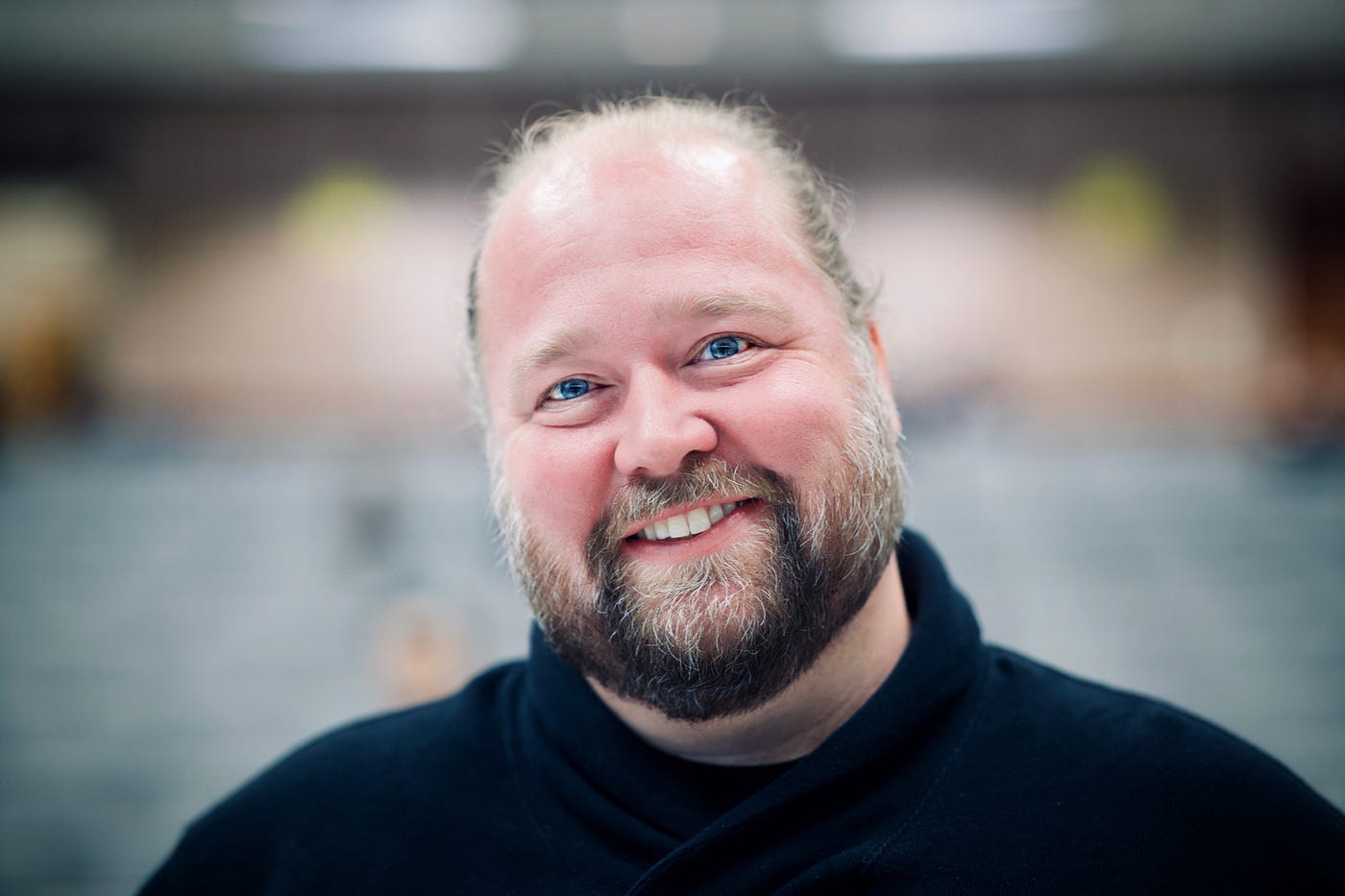
At some point in our lives, many of us will have to give a talk to a large group of people. What does it take to be a highly effective public speaker? How can you improve your public speaking skills? How can you overcome a fear of speaking in public? What does it take to give a very interesting and engaging public talk? In this interview series called “5 Things You Need To Be A Highly Effective Public Speaker” we are talking to successful and effective public speakers to share insights and stories from their experience. As a part of this series, we had the pleasure of interviewing Mark Wolters.
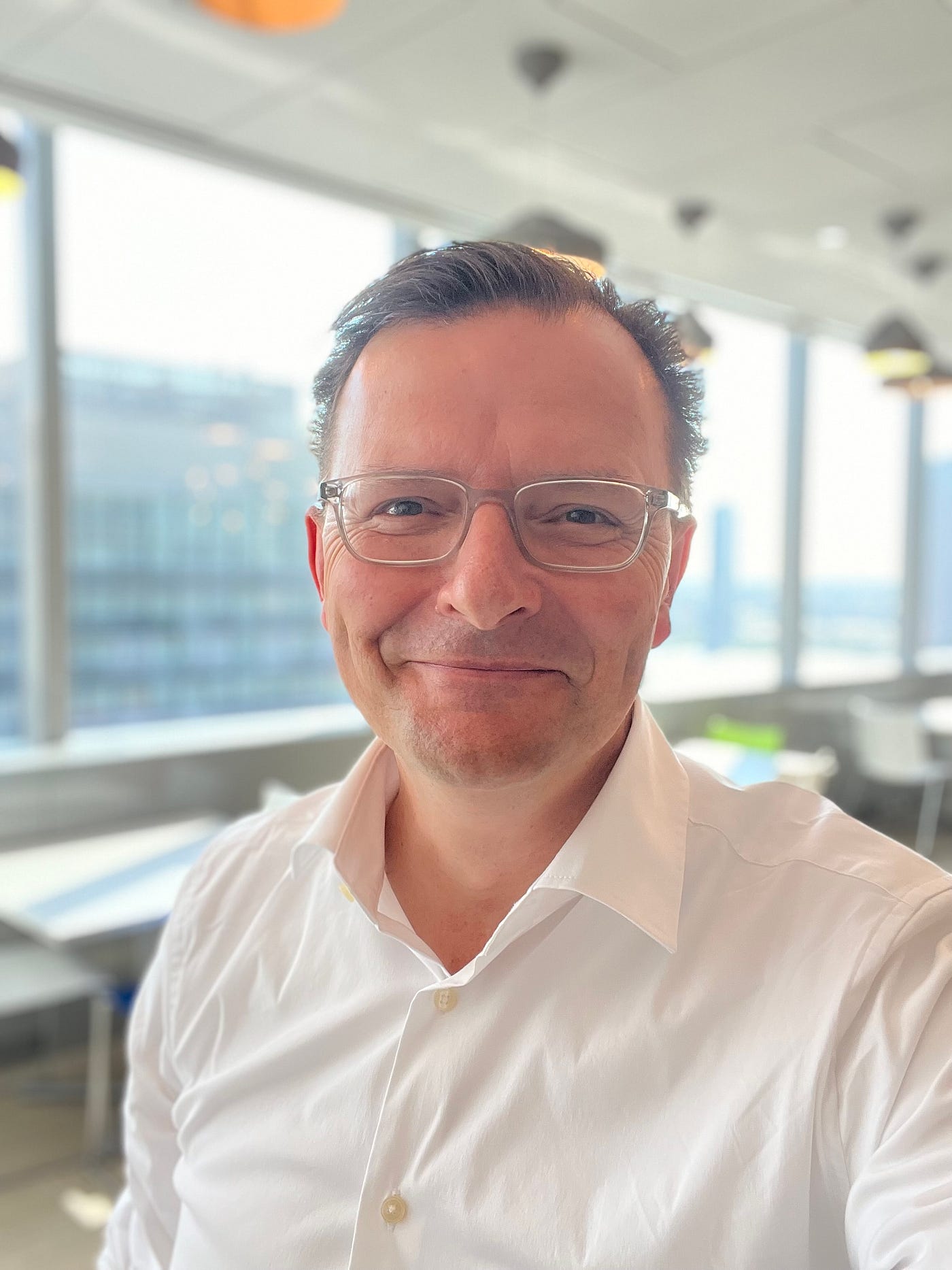
Multi-award-winning PhD professor of marketing, the OG of YouTube travel content and self-confessed hodophile, Mark Wolters, shares his worldly experiences with over three million loyal Wolter’s World followers every month. With his mischievous sense of fun and bold truths, Mark has made it his mission to share wholesome, honest travel and culture advice to all who need to hear it. Mark’s witticism has led him to create over 2,000 compelling YouTube episodes since 2009, including Five Things That You Should Never Put In Your Checked Luggage and Six Unwritten Rules of European Train Travel. Seamlessly combining his academic sensibilities with his playful rhetoric for global public speaking engagements, Mark was named a top 50 undergraduate business professor by Poets and Quants in 2020.
Thank you so much for doing this with us! Our readers would love to get to know you a bit better. Can you tell us the story of how you grew up?
I grew up in a small town in western Illinois. I was born with two holes in my heart and was considered a blue baby. I was very lethargic. I would pass out while my parents were teaching me how to walk as I did not have enough oxygen. Then I had open heart surgery at 18 months old and everything changed. My parents told me I came home from the hospital and was bouncing off the walls, a true bundle of energy. I have had that kind of energy ever since. I was in local theater as a child, swam on the high school swim team, and fell in love with travel as an exchange student in high school. My college years were spent traveling the world whenever I could. I did my master’s degree in Germany and my PhD in Portugal, just so I could have more opportunities to see the world while I was learning. During my PhD I re-connected with this wonderful woman who would become my wife, and we have spent the past 14 years traveling the world with our kids and helping educate others on travel and running your own business’ marketing strategies. Today my title is, Dr. Mark Wolters, Teaching Associate Professor at the University of Illinois at Urbana-Champaign Gies College of Business, as well as owner and presenter of Wolters World Travel & Culture, a YouTube channel where I provide honest, wholesome travel advice to almost 900k subscribers.
Can you share a story with us about what brought you to this specific career path?
I kind of have two careers, one is the education/professor career and the other is the travel expert/vlogger career. Let’s start with the travel one as everyone loves travel, and no one really gets excited about “professoring.”
I was on a semester break during my PhD in Italy, and I bought a guidebook for the Veneto region of Italy at the Venice airport. The guidebook made every town seem like a dream destination, so I decided to visit as many of these destinations as possible. The first town I went to I had never heard of. My friends from Veneto said it sounded amazing, but they had never visited it. That should have been a red flag, but I didn’t see it. I visited the town, and almost everything the guidebook said was fluff and an over-the-top, rose-coloured glasses view of the town. I was disappointed with the town, but more so the guidebook as it had oversold the town.
At the time my friends back in the US were at the stage where they only had 10 to 14 days of vacation a year, and I was actually upset for them, because if they would have read this guidebook before their once-in-a-lifetime European vacation, they may have come to stay for a couple days. And all I could think about was how someone could waste 10% of their once-in-a-lifetime vacation on a town that is not really worth visiting, all because some author wanted to be overly nice about a town. That was the day that my focus on honest travel advice started. I knew that fellow travelers out there needed honest advice that talked about the good, but also the bad parts of travel. And that is why I have focused my travel education efforts in giving the most honest feedback about destinations, so people can make the right choice on a vacation destination.
As for my teaching career path, I was always interested in teaching. Even during my undergraduate studies, I remember having a discussion with myself about whether I should leave business school and become a teacher instead. I ended up staying in business and after my master’s degree, found a volunteer teaching opportunity in Lithuania as that desire to teach never left me. I taught as a volunteer for a year and loved it. I ended up teaching at five different colleges and universities while I was in Lithuania and after a few years knew that if I wanted to make college teaching my true career, I needed to get my PhD. So, I ended up in Lisbon, Portugal doing my PhD on the Brazilian Banking Sector during the financial crisis of 2008/9. It was an incredible experience and after my program finished, I started teaching at the University of Illinois at Urbana-Champaign where I have been teaching for the past 11 years.
Can you tell us the most interesting story that happened to you since you began your career?
Since the inception of Wolters World back in 2009, I think the most impactful trip we have ever taken as a family was to Rwanda. I remember researching as much as I could for our trip and there was hardly any information for tourists heading to Rwanda, except if you wanted to visit the Gorillas. The scars of the Rwandan Genocide from a quarter century earlier are still etched into everyone’s mind when you say Rwanda. So, we went to Rwanda with very little tourist knowledge, just some bookings and an idea that we wanted to explore Rwanda and meet the people. The reception we had in Rwanda was incredible.
The people were outstanding, they had my wife and I get married in a traditional Rwandan wedding, and we visited numerous villages and sights. We learned more about the Rwandan Genocide at the memorials and talking with the people at the memorials was incredibly moving. But what impacted us most was when we were traveling around the country and meeting the people. Our sons were playing soccer with the local kids and it was so wonderful to stand there with some of the parents from the village and just enjoy the kids playing soccer. We ended up meeting quite a few locals along the way and they were so welcoming. The best part though was when we would go around town with our children (who were seven and eleven at the time), and how happy the local children were to see tourist kids visiting Rwanda as well, as so many tourists don’t feel safe taking their kids to Rwanda.
I can say that for us Rwanda felt safer and more welcoming than 90% of the places we have traveled around the world. We had such a wonderful time and though it might not be the most interesting story we ever had while traveling it was definitely one of the most impactful travels we have ever had.
Can you share a story about the funniest mistake you made when you were first starting? Can you tell us what lesson you learned from that?
When I first started making YouTube videos, I didn’t know how to edit the videos. I would just film everything in one go and then upload them. It makes for some pretty cringey watching today, but it helped me learn something. Make sure you research everything you can about something you want to be successful in. Once I started learning more about YouTube, video creation and editing, and putting that information into my videos, my channels started to grow in a way that has allowed us to see the world and help millions of people around the world. So don’t think you know everything about anything. You can always learn more.
None of us are able to achieve success without some help along the way. Is there a particular person who you are grateful towards who helped get you to where you are? Can you share a story about that?
I would have to say Mr. Moore, my 5th grade teacher. When I was a kid I got into trouble, nothing really bad, just stupid kid stuff. He sat me down one day and spoke to me about the path I was on with my life. He helped me come up with a plan to keep me out of trouble and to do well in school. He worked with me for months to keep me on the straight and narrow. To this day I talk about him each semester in my class when I talk to my students about how they can make a huge impact on someone’s life. He was “just” my 5thgrade teacher, but he probably made the biggest impact on my life outside of my family.
You have been blessed with great success in a career path that can be challenging and intimidating. Do you have any words of advice for others who may want to embark on this career path, but seem daunted by the prospect of failure?
Choose a career path that calls to you. If you go to work every day, and you love that work, it never really feels like work. I never feel like I am going to work, I love to teach, I love to travel, I love to present, so every day is a dream day for me.
Also, do not feel that any task is too daunting or is beyond you. Every superstar athlete, every businessperson, and every inventor started from somewhere. The old saying that Rome wasn’t built in a day is true in all aspects. Even if it is just finding small wins each day that will help you achieve that daunting goal, do those tasks, and after time you will get there!
What drives you to get up everyday and give your talks? What is the main empowering message that you aim to share with the world?
I want to help people help themselves. That is why I love presenting to groups. When I speak on travel, I am helping people empower themselves to take charge of their own vacations and holidays, so that they can set up their own dream vacation. It is such a great feeling when I meet people who used our videos to help plan out and go on their family vacations. It is like I was a small part of their trip, and they are so happy that they were able to set everything up on their own with help from our talks. It is the same in my teaching presentations. If I am able to help a student find their path in life, whether that is in choosing their major or their career, I feel like I have truly helped them. There is no prouder moment than when a former student comes back and speaks in one of my classes or reaches out to let me know how their life is going. It is great to see them succeed.
You have such impressive work. What are some of the most interesting or exciting projects you are working on now? Where do you see yourself heading from here?
Right now, I am working on a few new projects to help out fellow travelers and educators. I am putting together courses to help new entrepreneurs market their businesses better on social media, as well as a course on traveling with your family from babies to grandparents.
Can you please give us your favorite “Life Lesson Quote”? Can you share how that was relevant to you in your life?
“Go out and be happy.” That is the advice I give at the end of every semester to my students. And I always try to stress that “be happy” can mean different things to different people. For some of my students being happy means having a high paying job, for others it means having a family with ten kids, for others it is making a difference in their community. If you can find a career that truly makes you happy, then ‘work’ is a joy and life becomes that much more fulfilling. And happy people tend to spread happiness to others, don’t we all want more of that?
Ok, thank you for all that. Here is the main question of our interview. What are your “5 Things You Need To Be A Highly Effective Public Speaker?” Please share a story or example for each.
∙ Care about your audience. This is something that a number of presenters forget about. How are you going to help that audience be better after they listen to you? What are they going to get out of this presentation? When the speaker only focuses on themselves, they turn the audience off. I often despise going to work conferences with speakers who paid to be there, because they tend to focus on selling themselves while only a bit of the time is focused on how the product or service they offer will actually help their audience. Rather, we speakers should put that effort into understanding our audience and their needs and tailoring our presentation to them. The audience can tell that you personalized it for them, and they will appreciate that.
∙ Actual examples that the audience can relate to. When you are relating topics to your audience, it is always good to use actual examples from their lives. That is why you should always have a rough idea of who your audience will be that day. When I speak to college students I have a completely different set of life examples and product examples than if I am talking to seasoned executives. No college student wants to hear about the cyclical nature of the construction industry, however, executives in the construction industry find it fascinating.
∙ Be prepared & practice. This is my mantra when it comes to speaking to audiences. Preparation is key, you will feel more comfortable in front of your audience if you have gone through your presentation multiple times, and thought of all the extra jokes or examples you may need to use depending on how the audience reacts. You never know what questions they may have; you never know where the discussion afterwards may go. You should be prepared for anything. I will usually have a few slides at the end of my presentations already prepared with typical questions I expect people to ask, as well as some more interesting variations of questions. This shows my audience that I do know the topic, I know where the questions typically go, and I have answers to those questions. Furthermore, it can also help if you need to cut your presentation short as being prepared means you know the main points that you have to get across and what points you can cut out of your presentation because no one is going to stay late for you to finish your talk, they have other things to do.
∙ Give your presentation with Zeal. Have you ever sat through a presentation where you wanted to bash your head against a wall or a desk? Often it happens because the presenter has no energy, no zeal, no apparent desire to even be there. That is why it is important to have zeal in your presentation. Show your excitement for the topic, your excitement can be contagious and get the audience more excited about your topic. I observe a number of presenters every year, and the amount of zeal and excitement the speaker has about their topic directly correlates to the attention span the audience has for the presentation. So let your excitement for your presentation topic show through. Otherwise, expect to see a lot of faces glowing from the light of their mobile phones as they play Candy Crush instead of listening to you.
∙ Know that you can make a big difference in someone’s life. Not every presentation is life-changing. Some are just “presentations,” however, that does not mean that your presentation won’t make an impact on people. Having presented to thousands of college students over the years I can say that sometimes the smallest thing can have the biggest impact. I spoke on Business-to-Business Marketing to an introductory marketing class. This is possibly the most boring topic of marketing I speak on, and after the class, a student came up to me and said she wanted to go into B2B marketing and sales for her career, and my presentation convinced her it was for her. That student and I worked together and helped her find a great B2B sales job in San Francisco. I would never have thought that my talk would inspire someone to become a B2B marketer, but it helped her on her way.
As you know, many people are terrified of speaking in public. Can you give some of your advice about how to overcome this fear?
Preparation and practice are the two best things you can do to overcome your fear of public speaking. The fear is not about people throwing tomatoes at you because what you said was right; the fear is in messing up…and then people throwing tomatoes at you. That is why it is always a good idea to prepare your presentation and think about what benefits your audience will get out of your presentation. If you cannot think of any benefits, then you should not be delivering any presentation to that group. Think deeper and focus on the real core message your presentation will deliver and make it relatable to your audience. That will help them make the connections between your presentation and their life. Also, practice your presentation. You can wing it once and maybe get by, but a number of people can tell if someone is just winging it, and they see through that. It gives the appearance that you do not care about the audience’s time, and that will turn them off. So, practice that important presentation a few times before you deliver it to the boss or any audience.
You are a person of huge influence. If you could inspire a movement that would bring the most amount of good to the most amount of people, what would that be?
I would love to continue to inspire people to travel to destinations they are not used to. I want people to go and travel to different countries and experience different cultures, because I feel that the more you travel, the more your eyes and heart open to the world. You really start to realize that we really don’t have as many differences as people think we do. Everyone hates getting the cable people to come to the house, no one likes paying their bills, we all love our families and spending time with friends. I really feel that if we could help people travel more and experience more, they would be more open and kinder to everyone. I truly hope that my videos and presentations can help inspire people to travel better and get more out of their travels and therefore their lives.
Is there a person in the world whom you would love to have lunch with, and why? Maybe we can tag them and see what happens!
Honestly, if I had to have lunch with someone that wasn’t my wife, I think it would have to be Joseph Rosendo who is the host of Joseph Rosendo’s Travelscope, a PBS travel show. He inspires us to travel and explore more. He is such a fun and open-hearted kind of guy. I would imagine he has some incredible stories from all his travels around the world and how he gets to know so much about the cultures of the places he travels to.
Are you on social media? How can our readers follow you online?
Yes, your readers can find me on:
YouTube — https://www.youtube.com/channel/UCFr3sz2t3bDp6Cux08B93KQ
Facebook — https://www.facebook.com/woltersworld
TikTok — https://www.tiktok.com/@woltersworld
Instagram — https://www.instagram.com/woltersworld
Twitter — https://twitter.com/woltersworld
And if you want to see my business education videos you can find me on YouTube at youtube.com/professorwolters or my website https://www.professorwolters.com/
This was so informative, thank you so much! We wish you continued success!
FG
Written by
Fotis Georgiadis
Editor & Journalist · Authority MagazineFotis Georgiadis is a senior columnist at Authority Magazine covering Tech and Business, conducting primary-source Q&A interviews with founders, executives, and industry leaders.

Published inAuthority MagazineTop Lessons, Top Authorities · 42K Followers
Exclusive, curated interviews with the leaders and changemakers shaping tomorrow. Leadership lessons, industry deep dives, and executive profiles.