As you can imagine, focusing on the issue of climate change can at times be overwhelming because you’re constantly reminded of the clear and present threat.
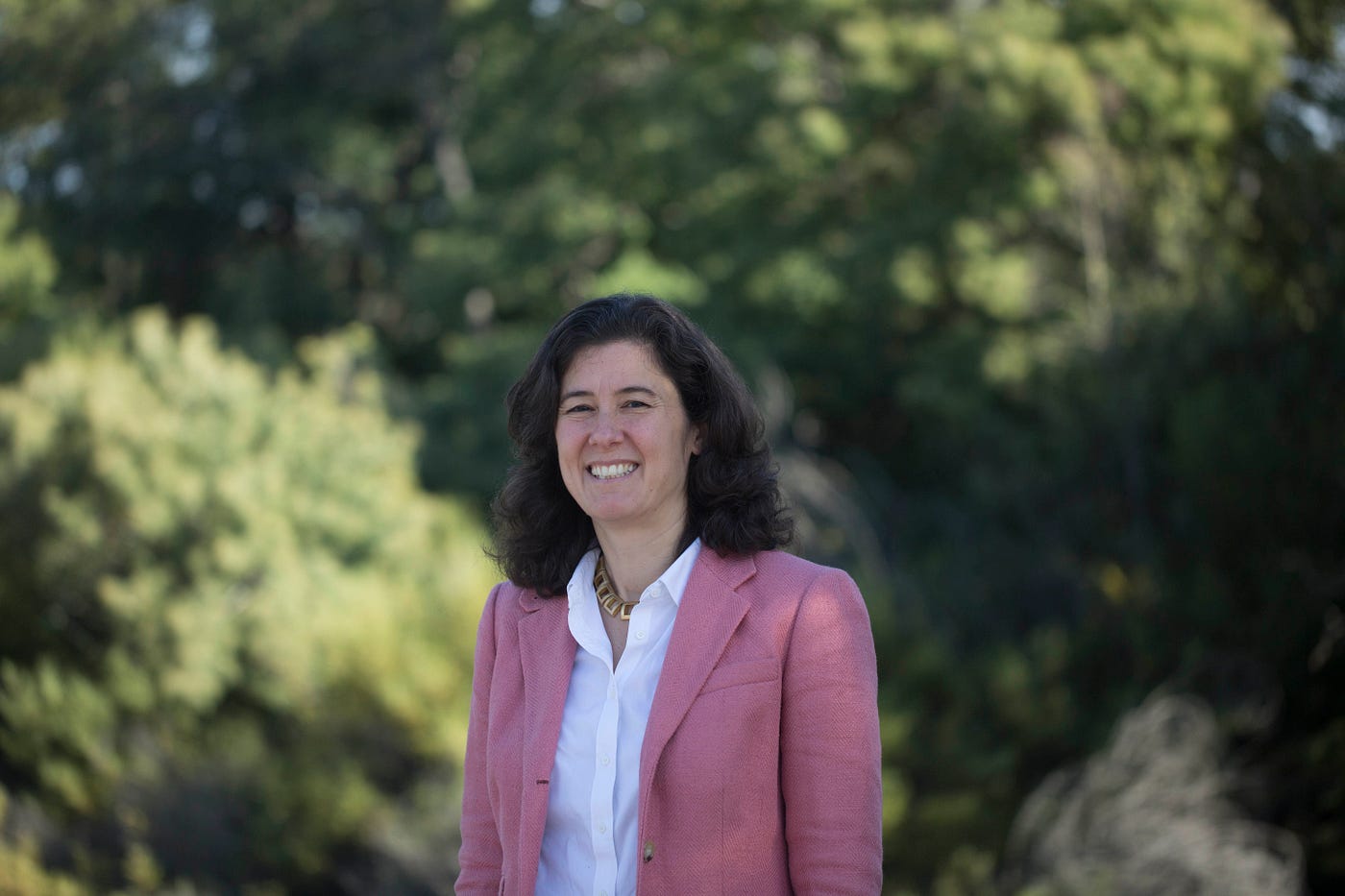
Marisa de Belloy is the CEO of Cool Effect, a San Francisco Bay Area 501(c)(3) non-profit that allows individuals to create a tangible impact on climate change funding to the highest-quality carbon reducing projects around the world. Marisa’s expertise spans a multitude of fields ranging from nonprofit management, investment banking, strategy, consulting, and corporate development to international entrepreneurial ventures.
Thank you so much for doing this with us! What is your “backstory”?
My career started in the for-profit sector with companies like Goldman Sachs and the L.E.K. Partnership and an MBA at Stanford. But after spending years working for someone, I decided to go the entrepreneurial route and co-founded Fotango, an online photo-sharing site which was later acquired by Canon, Inc.
Throughout my work in the for-profit sector though, the issue of human rights remained a major passion for me, and so eventually I took my for-profit skills into the non-profit sector. Prior to Cool Effect, I joined Made In A Free World, a San Francisco-based anti-slavery non-profit that created a software program to help businesses understand the risk of slavery in their supply chains. It’s always been important to me to fight for human rights, and so when I was introduced to the founders of Cool Effect and learned about the mission of the organization, I knew I wanted to join and help accelerate growth. Overwhelmingly, the world’s poorest are being impacted by climate change and the work I do helps to fund impoverished and low-income communities, improving their livelihood while also mitigating the impacts of climate change. I believe that climate change is the greatest human rights issue of our time.
Can you share the funniest or most interesting story that happened to you since you began leading Cool Effect?
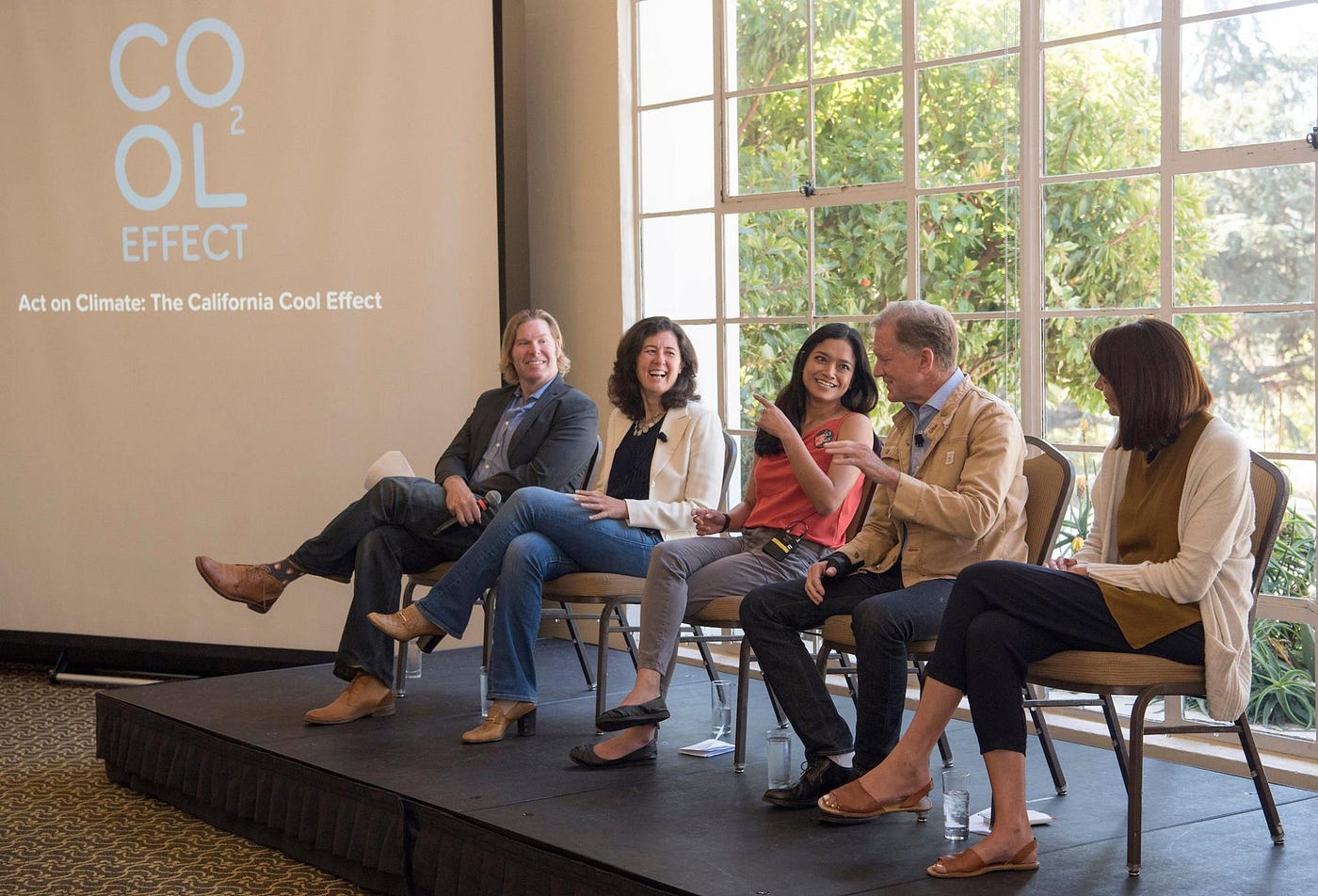
As you can imagine, focusing on the issue of climate change can at times be overwhelming because you’re constantly reminded of the clear and present threat. With that said, I’ve had a lot of fun times so far at Cool Effect. I got to ring the bell around the holiday season at Nasdaq, help people see their own carbon emissions with a special CO2 mirror at Dreamforce and explain how poo can power whole communities to many a bemused audience. I also get to go out into the field to visit our projects. This allows me to see the tangible impact of our community’s efforts and also spend time with the locals and those working on the ground to help these projects come to fruition. I recall a great trip to our biogas project in Vietnam where we met farmers whose lives had been greatly improved by having access to clean energy. I also got to feed buffalo by hand from the back of a pick-up truck at a grasslands project in Colorado that we’re considering putting on the platform. Who knew buffalo were so friendly and cute!
What do you think makes your company stand out? Can you share a story?
Distinguishing ourselves from the other carbon offset providers out there certainly continues to be an uphill battle, so naturally I am always eager to talk about the subject. While there are others out there who are doing great work, there’s two things about Cool Effect that drew me to the organization and that continue to set us apart.
First, not only do we ensure that the projects we put to our platform comply with one of the top standards, but also Cool Effect does its own internal due diligence on all projects to ensure they are truly doing what they say they are. We also insist on a high level of transparency about the projects, our fees, how we operate, where the money goes.. you name it. That way we can assure our community that their donation is going to something meaningful and impactful.
We also view offsets holistically — as part of the solution. We strive to encourage individuals to make lifestyle choices that reduce their carbon footprint: take public transportation, switch to renewable energy sources, eat less meat, reduce waste and recycle, etc. In addition to this, we also encourage them to support carbon reduction projects because the reality is that you can’t get to zero emissions. We’re that extra step to help individuals take action to reduce their footprints and simultaneously help a community in need.
So far the greatest part of the Cool Effect story is that through our dedication and the community’s efforts, we’ve successfully retired over 600,000 tonnes in just two years of operation. To put that in perspective, that’s the equivalent of removing 133,929 cars off the road. That’s a real impact and it’s thanks to our supporters that we’ve accomplished this.
Are you working on any new or exciting projects now?
There is always something new on the horizon, which is what makes working with a startup non-profit so enjoyable. We’re working on new partnerships, educational campaign, and vetting new potential carbon reducing projects. In terms of things to look forward to on the horizon, Cool Effect has just announced a strategic partnership with the national March for Science and is simultaneously launching an educational campaign leading up to Earth Day 2018. We’re also planning to add several new projects on CoolEffect.org in the coming weeks and months.
What advice would you give to other CEOs or founders to help their employees to thrive?
Always keep your door open and welcome new ideas. It’s easy to get caught up in the day-to-day of running a business or organization, but I believe that open communication can lead to major breakthroughs and big ideas. Also, by making your time accessible to your team, you’re showing them that their ideas and contributions are of value. Which in turn, will hopefully allow them to flourish.
None of us are able to achieve success without some help along the way. Is there a particular person(s) who you are grateful towards who helped get you to where you are?
Throughout my career my husband has always been my rock. He’s headstrong and determined and he wants to see everyone around him succeed. We’ve always been extremely supportive of one another through every endeavor and as I mentioned earlier, in the past, we founded an online photo business, which we later sold. He also does his fair share of the housework and child care which allows me to dedicate myself to my career.
How have you used your success to bring goodness to the world?
Every success that I have with Cool Effect brings goodness to the world. Every time someone supports a Cool Effect project I know that the work we’re doing is making a tangible impact on this world.
What are your “5 Things I Wish Someone Told Me Before I Became CEO” and why. (Please share a story or example for each)
i. Work-Life Balance Is Possible. I think that people are reluctant to start their own businesses because they think it will cut into time with family and loved ones or take away from their personal passions. In my experience though, establishing a work-life balance is possible. Not easy, but possible.
ii. Failures Are More Important Than Successes. That may sound counter intuitive because without success a company wouldn’t be able to exist long. But remember, we’re talking about CEOs and for a leader failures are the greatest learning experience you will have in your career.
iii. Trust Your Gut. There have been times in my career where I knew in my gut that something was off and unfortunately, many times that feeling is on the nose. I think it’s important to learn how to trust your own instincts while balancing that with input from your team and advisors.
iv. Establish Yourself As A Thought Leader. You may be the CEO of a company that is at the forefront of innovation or perhaps is doing something especially impactful but if you aren’t actively playing a role in the market then you need to change that. Not only should you strive to establish yourself as a leader but increasing your own visibility will also lend credence to your company and bolster its image. Remember, people want to work with and trust people, not companies.
v. Create A Culture And Know Your Employees. At the end of the day, no company can be successful without the team that’s working day in and day out to make sure the gears keep turning. It’s critical that you establish a supportive culture that prides itself on the sharing of ideas and open communication. Of course, each employee is going to be different and depending on the size of your company, you may not have a chance to get to know each one individually. Regardless, you should be aware that people think and react differently and it’s important for management to understand that what may work for one employee does not necessarily apply to all of them.
Can you please give us your favorite “Life Lesson Quote”?
“Doing is better than saying.” — Alfred de Musset
Is there a person in the world, or in the US whom you would love to have a private breakfast or lunch with, and why?
Governor Jerry Brown. He’s my climate hero!