The decision to move to Central America was fairly spontaneous. It was a “give it ago” moment in search of excitement and opportunity, and from there it’s only gained momentum.
Business
Luke Maish of Travel In The Post COVID World: The Completeness of Destination Is Replacing Fragmented Travel Experiences
The CEO of Rancho Santana shares how transitioning from public accounting to managing a 2,700-acre sustainable resort in Nicaragua redefined his career and leadership path.
As part of my series about “developments in the travel industry over the next five years”, I had the pleasure of interviewing Luke Maish.
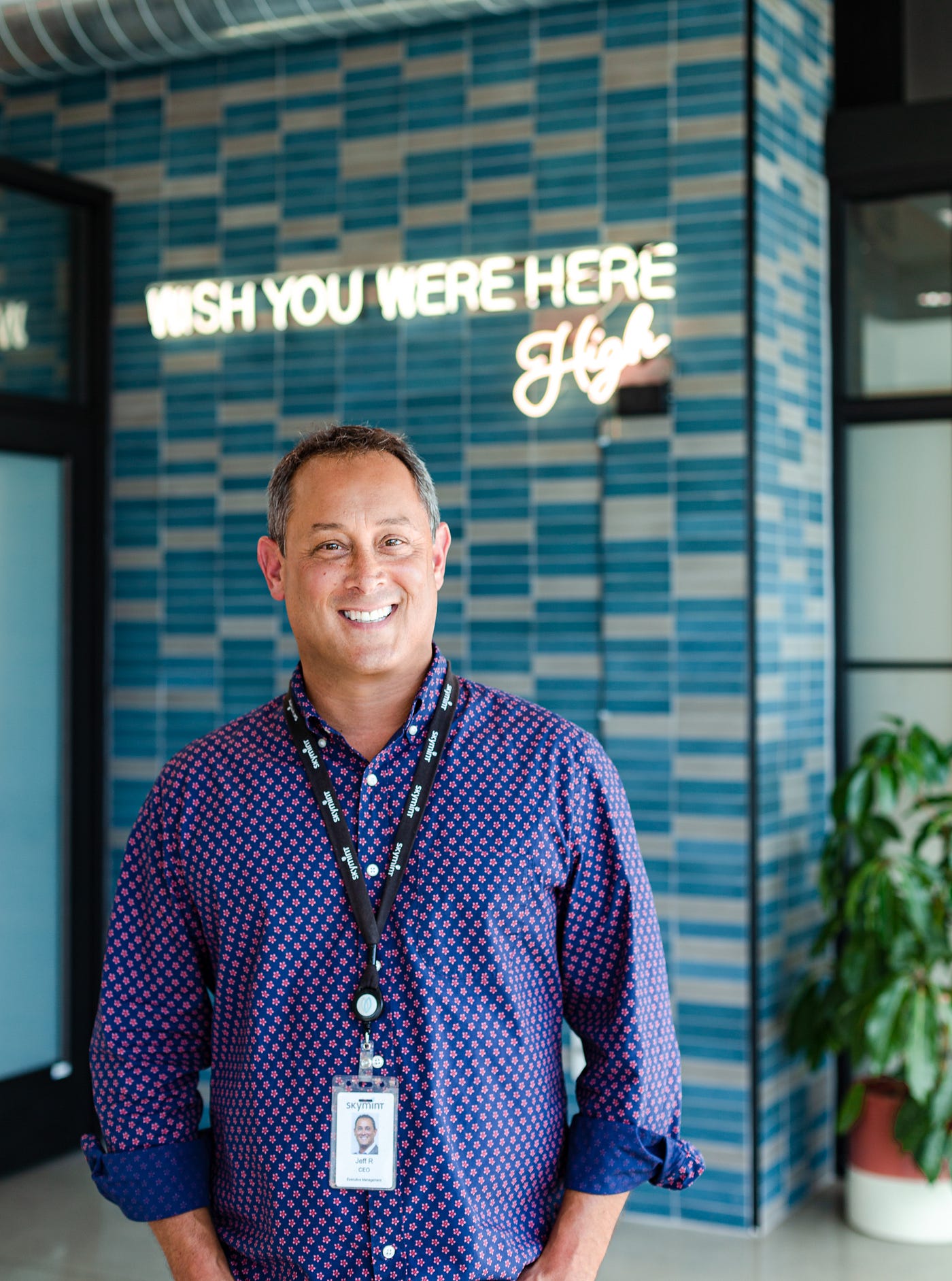
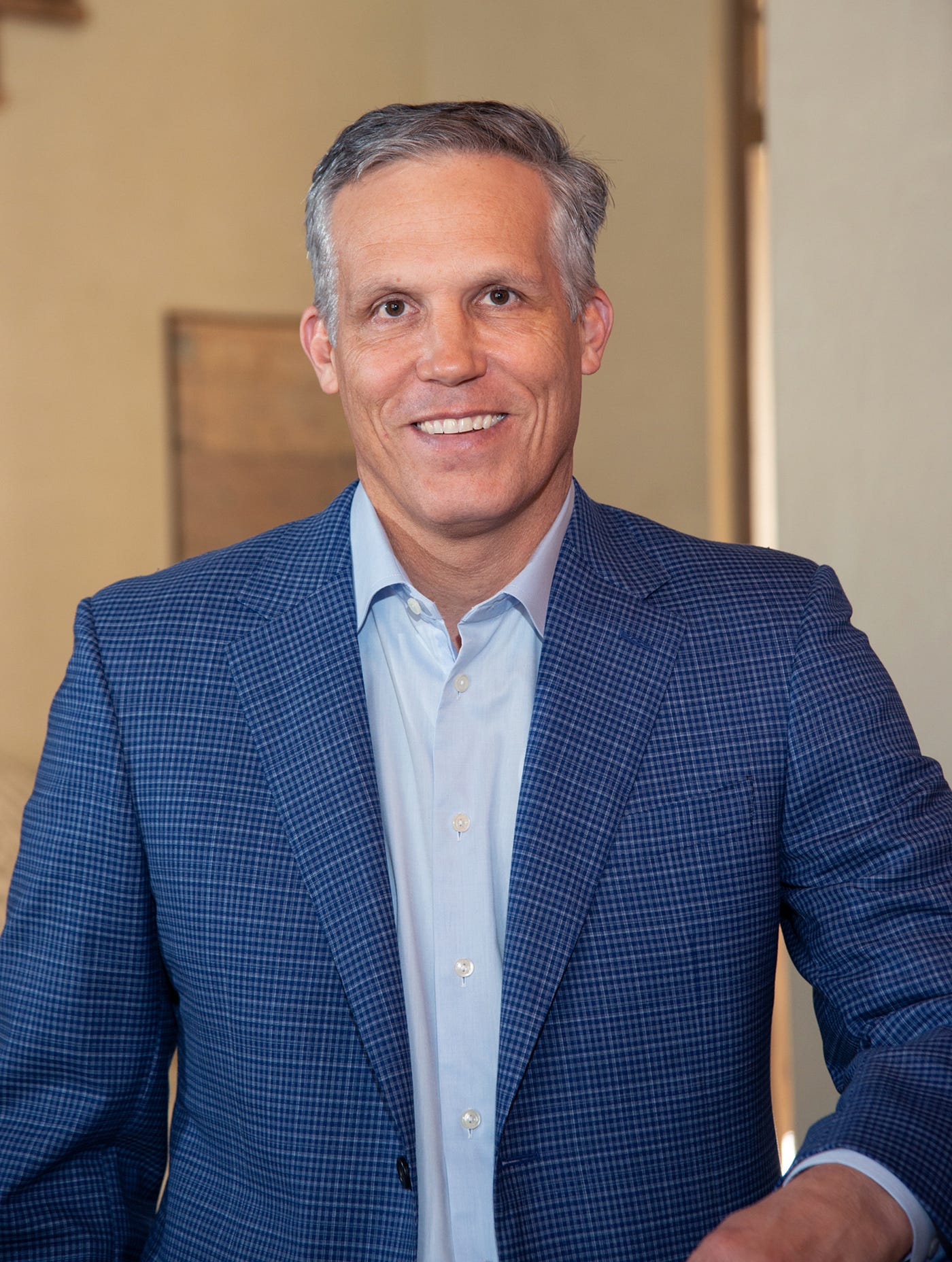
Luke Maish is the CEO of Rancho Santana, a 2,700-acre resort & residential community on Nicaragua’s pristine Emerald Coast. In 2014, the Colorado native and University of Denver Accounting major was drawn from the “Mile High City” to the beaches of Nicaragua, enamored by the appeal of an adventurous life on “the ranch.”
Maish was brought on as an intern. An insatiable appetite for operations and business fueled his rapid growth. Just one year later, he was in a full-time management position. Another year later, he made a seamless transition into the design and construction world and continued to build his expansive resume. As his experience and interests expanded, Rancho Santana again took note and offered the opportunity to lead its design and architecture services team. In 2019, Luke was promoted to COO before stepping into his current role in August of 2020.
Maish credits Rancho Santana for encouraging his gratitude and commitment to the local community and to the country of Nicaragua. He currently sits on the advisory board of CREA, a Nicaraguan literacy non-profit, and works closely with local community center, FunLimón. When he’s not working or volunteering, he enjoys taking advantage of Nicaragua’s many outdoor pursuits including surfing, swimming, hiking, and playing in a regional basketball league.
Thank you so much for joining us! Can you tell us a story about what brought you to this specific career path?
My career path took a sharp turn early. I was firmly on course to go into Public Accounting, sitting for the CPA exams while interviewing with firms in Denver. An interesting opportunity came up, and a few short months later I found myself working on construction projects for high-end custom vacation homes on the Pacific coastline of Nicaragua.
The decision to move to Central America was fairly spontaneous. It was a “give it ago” moment in search of excitement and opportunity, and from there it’s only gained momentum.
Can you share the most interesting story that happened to you since you started your career?
Between being offered a full-time position with The Ranch and accepting it, I was exploring similar opportunities in residential design-build in Denver. I interviewed with New Town Builders (now Thrive Home Builders), who built one of the most energy efficient homes in America.
I had the chance to speak with the founder, and it turns out that he spent years in Nicaragua early on. We hit it off immediately, and he ended up advising me to move forward with the opportunity that led me to where I am now. Paraphrased, the advice was something along the lines of “sounds like a position with growth potential, for a company with growth potential, in a country with enormous growth potential; that’s guaranteed to get you more hands-on experience than you ever would here.”
You don’t except to leave a job interview with advice to take an opportunity elsewhere. It was a life-altering moment that I look back on with such appreciation. Gene and I are still in touch.
Can you share a story about the funniest mistake you made when you were first starting? Can you tell us what lesson you learned from that?
When I first arrived I was young, from the finance industry, barely spoke Spanish, and very confident I was going to effectively manage various architects, project sites, and contractors in a new culture. I won’t get specific, but I made plenty of mistakes. Not all of them were funny to me at the time, but I’m sure the whole thing must have been funny from the outside looking in.
I had a mentor back then, and I guess the philosophy was “baptism by fire”. I was eventually able to grind through it and find success. There’s no better way to learn than by putting yourself in a position of discomfort.
Which tips would you recommend to your colleagues in your industry to help them to thrive and not “burn out”? Can you share a story about that?
Look for an industry and company with people you admire, trust, and respect. A “burn out” scenario is often caused by a stressful or dysfunctional relationship, whether it’s your boss, coworkers, or clients. If strong principles exist in the leaders, you can generally expect that they exist in and throughout the organization. The opposite also holds true.
A colleague called Roy, who mentored me through my construction start is still a close friend of mine. I have much respect and admiration for my higher ups that followed. Our clients are often adventurous and good spirited people. Love who you work with and you will never work a day in your life.
None of us are able to achieve success without some help along the way. Is there a particular person who you are grateful towards who helped get you to where you are? Can you share a story?
I have gratitude for so many who have helped me along the way.
Our CEO prior, who I reported to directly for years and still report to as one of the investors of the business, has supported me in unique and unconventional ways. I was allowed freedom of decision making early on, while he offered insight and ideas as a means of guidance. This philosophy allowed me to think creatively, make mistakes, and experience for myself what is important and what works. It’s a contrast to the “follow your orders” style of management, and the environment he created encouraged my development.
Thank you for that. Let’s jump to the core of our discussion. Can you share with our readers about the innovations that you are bringing to the travel and hospitality industries?
There’s incredible depth and completeness to our product.
Rancho Santana is the home to a top rated boutique hotel in Central America, upwards of seventy custom designed ocean view homes, and various phases of ocean front villas.
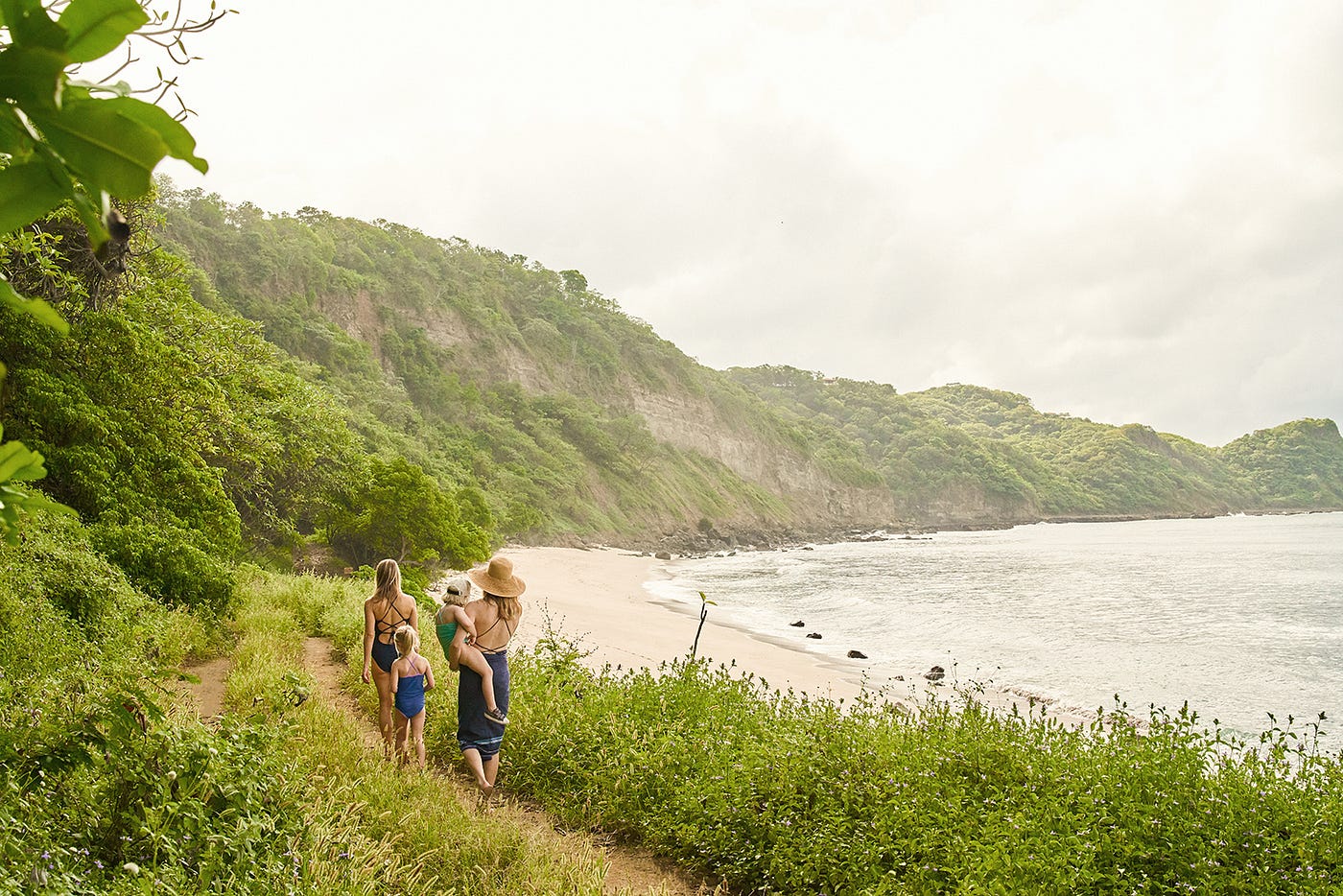
There are five beaches within the property, ocean facing cliffs and mountains, and seventeen miles of trails running through it all.
The Ranch has four distinctive food and drink concepts supported by our organic farm and garden that raise cattle, chickens, lambs, goats, fruits and vegetables. We produce our own cheese and harvest our own organic honey.
There is a school on site, and a range of outstanding amenities including spa, yoga and fitness facility, horse stables, art gallery, chapel, and surf club.
Our facilities are solar-powered and we have strong principals on water conservation.
The innovation is in the completeness of the product in itself. There is so much depth to our property and experience that it’s understood as a way of living — active, clean, communal, social, sustainable, artistic, and cultural. This way of living aligns with the working lifestyle goals of many of the world’s travelers.
I certainly cannot take credit for these innovations. We were established on strong principals of entrepreneurship and intrapreneurship, which has attracted a network of talented and creative individuals to the Ranch. The credit goes to our team of thinkers and creators.
Which “pain point” are you trying to address by introducing this innovation?
At times, a “pain point” in tourism is simply keeping up. The expectation of today’s traveler is for us to exceed expectations.
People are increasingly looking for experiences that align with principles of lifestyle and sustainability, while maintaining an authenticity to the culture.
This type of “complete destination” is what I think we’re gravitating towards. Knowing and trusting that destination operates in a way that’s aligned with your thinking is part of what makes it home-away-from-home, whether you’re visiting or staying.
How do you envision that this might disrupt the status quo?
Travel today is well beyond just accommodations and hospitality. I think the industry will continue to prioritize depth of experience and comprehensive offering.
The idea of working remotely continues to become the new norm. I think we’ll start to see more extended stays and longer getaways. This goes hand in hand with the concept of a complete destination.
As you know, COVID19 changed the world as we know it. Can you share 5 examples of how travel and hospitality companies will be adjusting over the next five years to the new ways that consumers will prefer to travel?
Without a doubt COVID19 has changed the world as we know it, and in many cases it has strengthened or accelerated existing trends. That’s the case in these examples.
Standards of cleanliness — Assuming a high end destination will meet standards is not enough anymore; destinations need to articulate and verify their standards of cleanliness and hygiene. There could be a growing opportunity for 3rd party verifiers.
Less interaction and more privacy — This hold true for much of the service industry. How can one have clean accommodations with no housekeeping, or at least the impression of no housekeeping. Mobile check-ins are leapfrogging face-to-face check-ins as the preferred option. Its space and separation vs. service. The expectation is to offer all of those together now. The solution is a combination of preparation and technology.
A return to the natural world — Dense and crowded spaces are the enemy. People are looking for clean air and space to breathe it in. Expansive, spacious, and nature based tourist destinations should become more attractive and continue to grow in popularity.
Expectations for food & beverage — Implications of health and diet are a strong theme of the pandemic. A big part of “healthy body healthy mind” is what you put in. Natural and organic foods are here to stay along with the farm to table concept. Many select their restaurants and grocery stores with this in mind; it will certainly be a growing factor in travel decisions for the foreseeable future.
Longer stays that include working remotely — There will be less short-week flash vacations and more extended stays. Working remotely has quickly become a new age reality. Similarly, work and personal schedules continue to blend together in the new professional world. Planning a vacation may mean searching for your dream office for the next month. If you can work effectively from your apartment in the city, why wouldn’t you do so overlooking the ocean?
You are a “travel insider”. How would you describe your “perfect vacation experience”?
These days my vacations are often designed around skiing or surfing. Those are both sports in nature and the travel is almost always set in scenery of stunning natural geography. Other top priorities are great food and an interesting and authentic cultural experience.
Can you share with our readers how have you used your success to bring goodness to the world?
Located in rural Nicaragua, you can imagine how our presence and growth correlates with the surrounding communities. Much of our work force comes from walking distance, and local entrepreneurs set up complimentary small business. It goes beyond wages and indirect business; training and on-job experience are tools that contribute to societal development.
In a world increasing dominated by big corporations, the existence of a symbiotic relationship between corporation and community is essential to making the world a better place. It’s an ongoing assignment, and I hope our success can serve as a model for responsible and reciprocal development in developing countries.
You are a person of great influence. If you could start a movement that would bring the most amount of good to the most amount of people, what would that be? You never know what your idea can trigger. :-)
Trust yourself and then get out of your own way.
Too often we pass on an opportunity because we cannot predict how it will turn out. There’s a developed fear of being unsuccessful as adults that we didn’t have as children, and there’s an inherent lack of confidence in trying new things. Pursue new perspective, maintain an open mind, and keep learning. New perspective builds confidence and empathy that will be with you forever.
How can our readers follow you on social media?
This was very inspiring. Thank you so much for joining us!
CG
Written by
Candice Georgiadis
Editor & Journalist · Authority MagazineCandice Georgiadis is a senior columnist at Authority Magazine covering Business and Tech, conducting primary-source Q&A interviews with founders, executives, and industry leaders.

Published inAuthority MagazineTop Lessons, Top Authorities · 42K Followers
Exclusive, curated interviews with the leaders and changemakers shaping tomorrow. Leadership lessons, industry deep dives, and executive profiles.