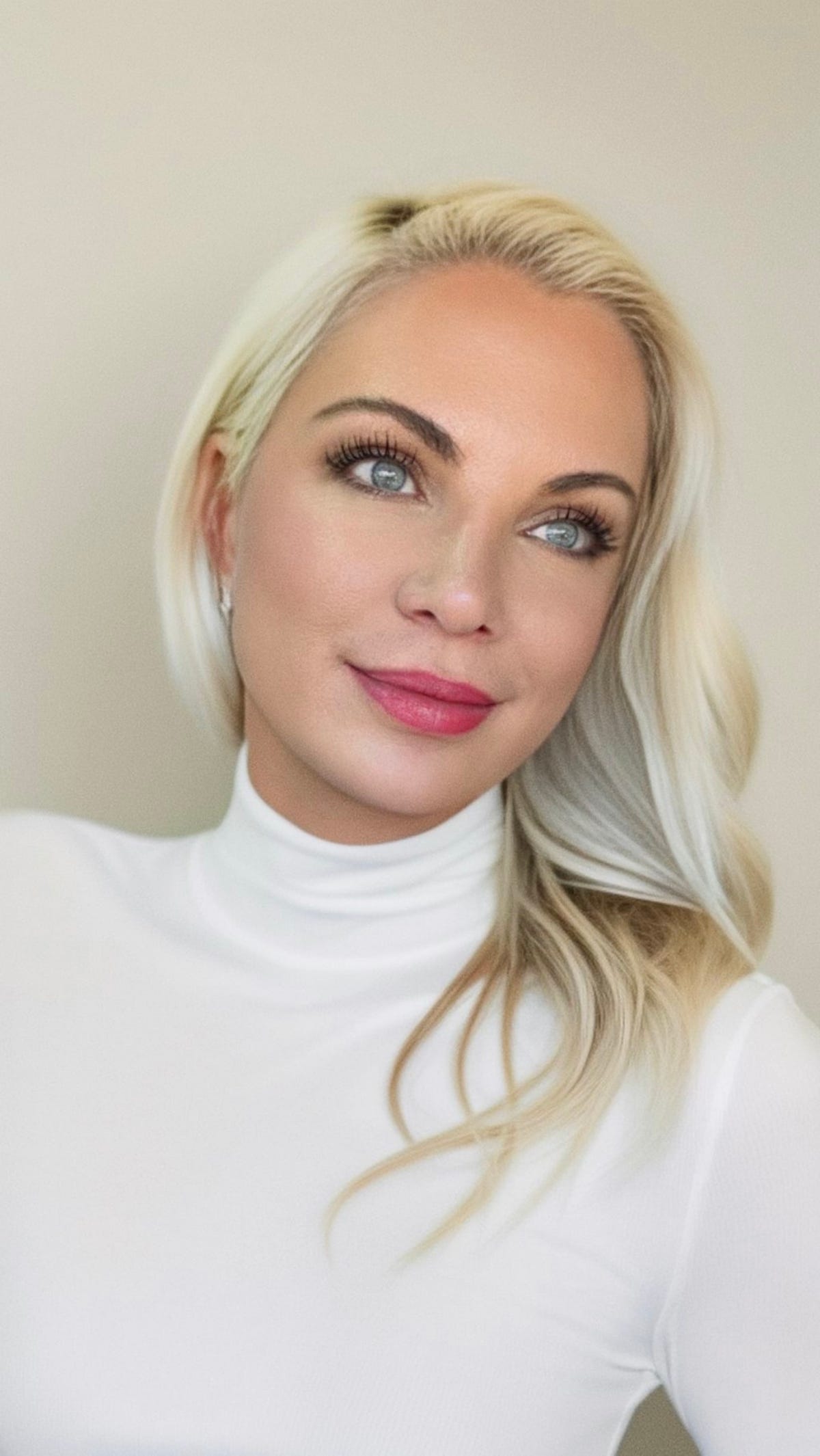
I started my beauty career behind the Estee Lauder counter at Macys Union Square as a Beauty Advisor. Though it certainly was the era of when we told women what they needed, I always was intrigued by the women who articulated so well what they really wanted…specific problems they had with their skin or with something they related to their feelings of beauty.
Business
Liz Folce of Nakery Beauty: True Consumer Insight Replaces Outdated Retail Assumptions
With over 35 years in the beauty industry, Liz Folce shares how listening to actual consumer needs drives successful product innovation and sustainable brand growth.
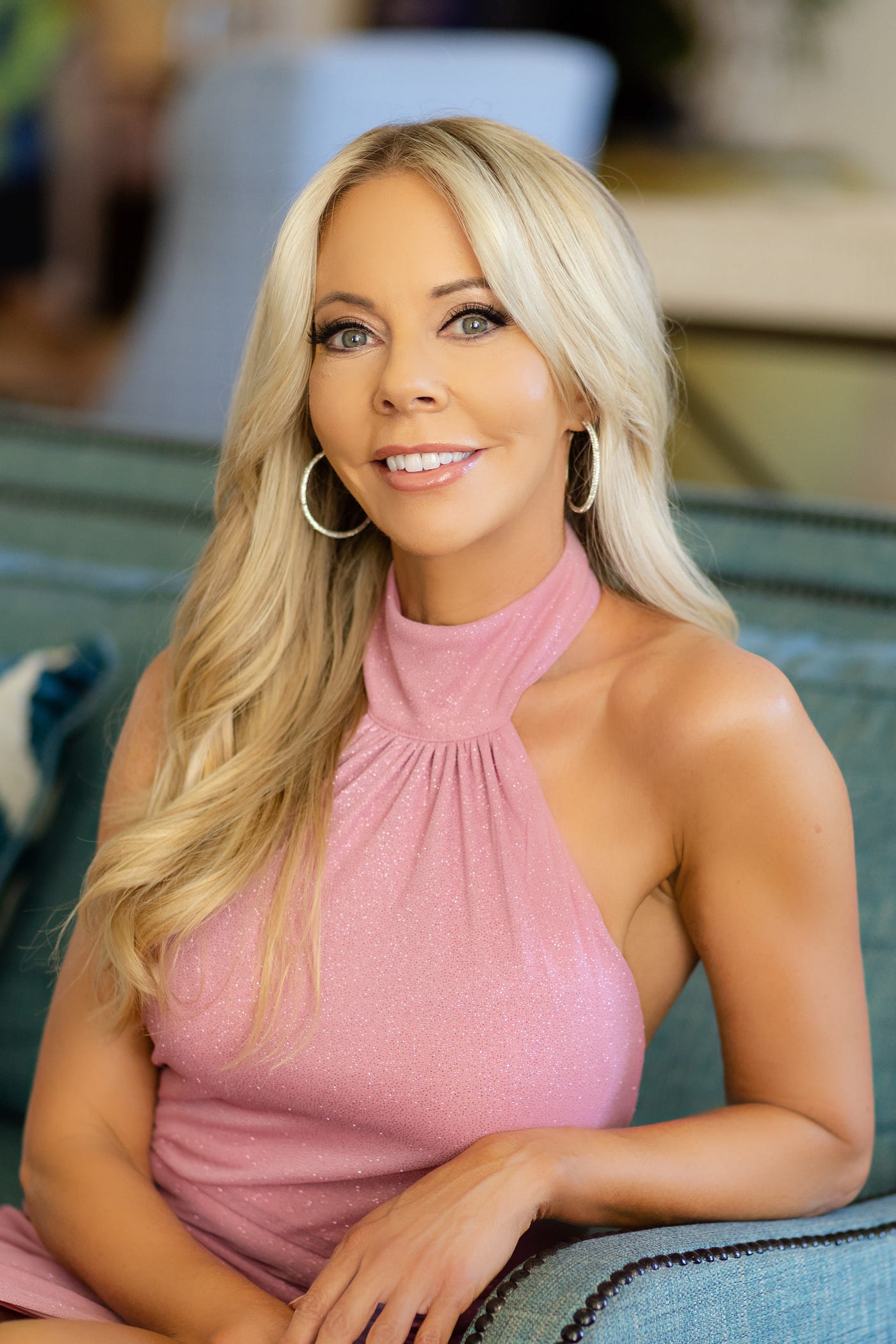
As a part of our series about Women Founders, we had the pleasure of interviewing Liz Folce.
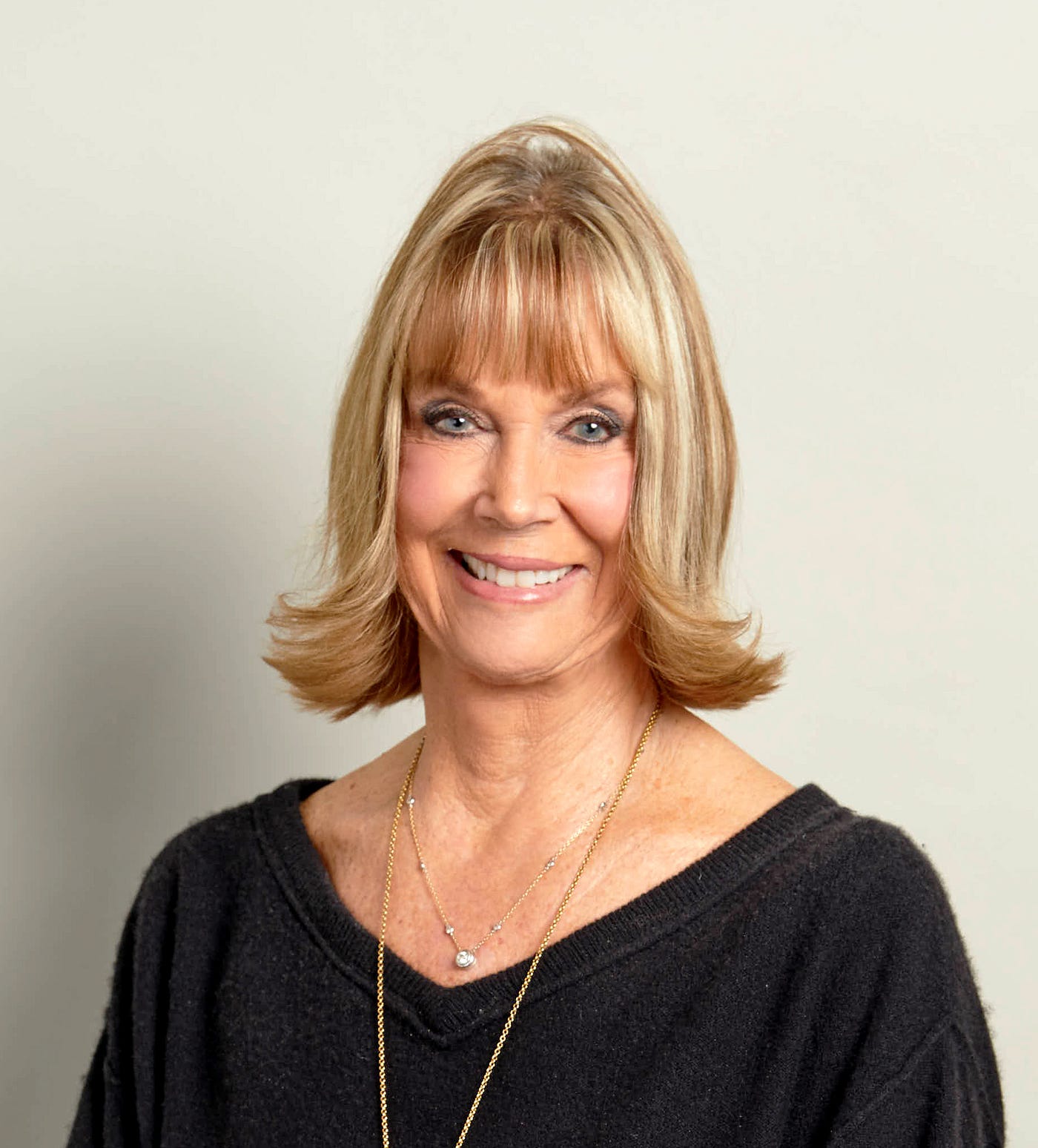
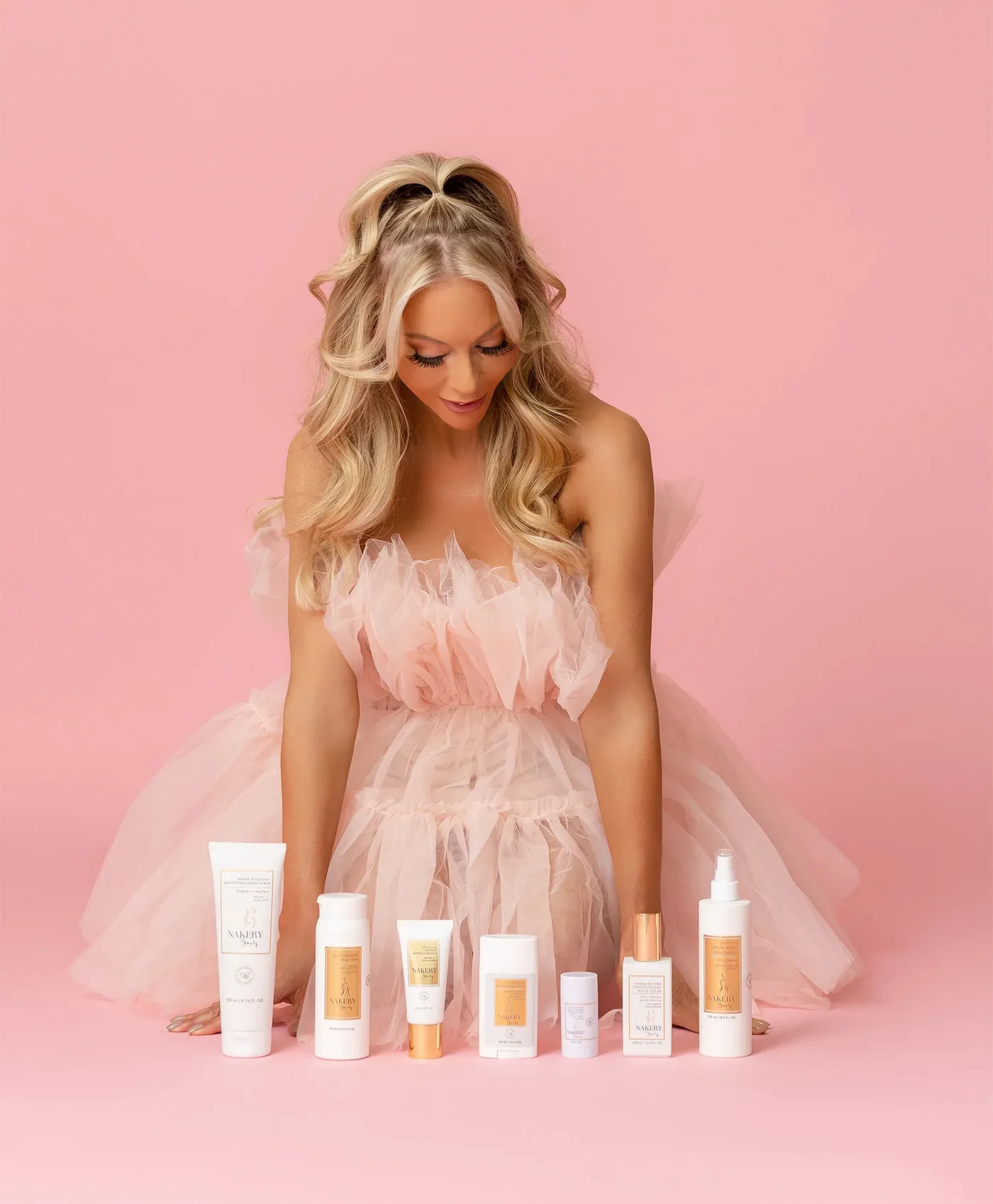
With over 35 years of experience in the beauty industry, Liz Folce, licensed aesthetician, has been everywhere from behind the counters, in front of the cameras, in the labs, and everywhere in between -and has always had a personal pursuit to find the most innovative ingredients to create the best possible formulas for you and your concerns. Her passion for ingredients and clean formulations stems from her own personal health-conscious lifestyle, and what goes on our body goes in our body. Working with top dermatologists and chemists, she consistently challenges the labs to give her the most powerful products, as well as works with a panel of trusted people to always bring the best of the best to you. And that is where Nakery Beauty was born.
Thank you so much for doing this with us! Before we dig in, our readers would like to get to know you a bit more. Can you tell us a bit about your “backstory”? What led you to this particular career path?
I started my beauty career behind the Estee Lauder counter at Macys Union Square as a Beauty Advisor. Though it certainly was the era of when we told women what they needed, I always was intrigued by the women who articulated so well what they really wanted…specific problems they had with their skin or with something they related to their feelings of beauty; products that they wanted to see or ways they wanted products to work for them. That inspired me to become a student of ingredients and innovation, of overall wellness and health. It also taught me how we needed to be better listeners of and responders to our consumers.
Can you share the most interesting story that happened to you since you began leading your company?
Perhaps the most interesting has been our path to working with great labs, chemists, and scientists. Finding the right manufacturing partners. I’ve found some amazing partners who are truly incredible professionals and are integral to our success. But I also ran into roadblocks I’d never imagine. I had one manufacturer lecture me on what it takes to build a brand, talk down to me about our ideas and our direction, basically telling me I wasn’t qualified and smart enough. I felt like that scene in the movie Pretty Woman! And this attitude was coming from two young women!!
Can you share a story about the funniest mistake you made when you were first starting? Can you tell us what lesson you learned from that?
There’s an old saying “measure twice, cut once”. In our eagerness to get to market, we focused so much on the prize of launching a product and definitely made some silly mistakes in our development process. Not sure it was the funniest thing, but we had one product that we had to completely re-label after completion because we missed certain requirements that we now have soundly built into our timelines and processes.
None of us are able to achieve success without some help along the way. Is there a particular person who you are grateful towards who helped get you to where you are? Can you share a story about that?
My best partner in life is my husband. He’s also in the beauty industry and has over 30 years of experience in building brands. I couldn’t have built this brand without his knowledge and his insights across a multiple of topics — operational efficiency, branding strategy, product investment decisions, and so on. He’s also my most trusted ally, and I know he always has my back.
Ok, thank you for that. Let’s now jump to the primary focus of our interview. According to this EY report, only about 20 percent of funded companies have women founders. This reflects great historical progress, but it also shows that more work still has to be done to empower women to create companies. In your opinion and experience what is currently holding back women from founding companies?
I do think the beauty industry has made huge progress on this topic and you’re seeing so many really great brands launched by women founders. But overall, I think there are two things holding women back. The first is access to sufficient capital. The money seems to be out there — grants, investors eager to support women-founded businesses, and so on. But finding that capital is no easy feat. It takes a ton of networking and relationship building to find it. The second reason is more personal. I think so many people let fear stop them from taking the plunge. So many great ideas are left on the table because we can’t move from dream to belief. Planning, building your strategy, identifying your opportunity — the validations of our dream that you need to complete — are so important. But, in the end, you have to go and do! I’m a strong believer in taking action. You can’t wait for perfect conditions because they will never come. Go! You likely will have to course-correct but I’ve learned that the best opportunities have come while moving and not while I’m sitting around waiting for the perfect moment.
Can you help articulate a few things that can be done as individuals, as a society, or by the government, to help overcome those obstacles?
Likely answered above.
This might be intuitive to you as a woman founder but I think it will be helpful to spell this out. Can you share a few reasons why more women should become founders?
First and foremost, you’re going to found a great business if that business is built to represent the consumer you know best. Who understands women better than ourselves?! I think the intuition and understanding women bring to the table is incredibly valuable particularly when it is focused on things women want or need.
Being a woman founder is also incredibly empowering. I work for myself and for the good of my team. I’m in control of my destiny and that gives me both a tangible freedom but also a very strong emotional freedom.
What are the “myths” that you would like to dispel about being a founder? Can you explain what you mean?
The first myth is that it’s too difficult. That the road is scary and treacherous. It’s not true! Sure, you have moments that really challenge your decision to start a business. And even more that challenge you once you get started. But the rewards and satisfaction from having your own business are incredible.
Another myth is that it is glamorous once you get going! HA! It’s roll up your sleeves and work. It’s embracing the grind. It’s nights and weekends.
Is everyone cut out to be a founder? In your opinion, which specific traits increase the likelihood that a person will be a successful founder and what type of person should perhaps seek a “regular job” as an employee? Can you explain what you mean?
I supposed I’ve addressed this point quite a bit in my previous answers. But your question about a “regular job” and being an employee versus being a founder or working in a start-up is a very good one. There is no shame in either choice! The mindset, the vision, and the personal requirements are vastly different between the two. But the beauty of it all is that you can make that choice for what best suits you. For me, I’m drawn to doing my own thing. It motivates me, it inspires me, and it energizes me. Being an employee was ok for me, but it wasn’t great. I think you have to make that evaluation for yourself based on your life goals, how you want to use your time, and what really satisfies you. No shame at all in either decision! Embrace what works for you.
Ok super. Here is the main question of our interview. What are your “5 Things I Wish Someone Told Me Before I Started” and why? (Please share a story or example for each.)
This is probably a mix of what I wish someone had told me and also things that I’ve learned in this journey.
1 . Chase revenue, chase good sales. Cashflow is your lifeline. Pursue channels of trade that are good for your brand. When you secure them, put every effort possible into making it successful. You grow by getting business, you fuel your growth by generating cashflow.
2 . Take every opportunity to meet new people who can teach you something about an aspect of your business. Ask lots of questions, be curious. Once in a while you’ll find a connection that opens amazing new doors and new ideas. At worst, you are collecting knowledge and building your own ideas with what you’ve learned.
3 . Take risks. Good ones, of course. Calculated, be smart about them. But nothing is ever going to be perfect so don’t wait for some magic moment. Go! Get after what you want and push.
4 . Stand on your principles. There will be lots of times where cutting corners or accepting less than your real expectations or your personal standards will seem ok. It’s not. Stand firm on your guiding principles, big and small.
5 . Take time for yourself. When you have your own business, there is no 9–5. It’s all the time, every day. You have to build in time for things that keep you personally fulfilled and grounded. Define those for yourself in advance and fiercely guard those times on your calendar.
How have you used your success to make the world a better place?
We now have 9 employees and we’re growing. I love that we’ve given people a great work opportunity — and I’m confident that we’ll keep adding more to our team! The messages I get from consumers about how our products have helped them in meaningful ways gives me confidence that we’ve made their lives better in some special way.
We’re constantly looking for ways to be charitable, especially for women’s causes. We recently took a bunch of products to a women’s shelter. Simple maybe, but the joy it brought to those women was obvious.
You are a person of great influence. If you could inspire a movement that would bring the most amount of good for the greatest number of people, what would that be? You never know what your idea can trigger.
Believe in yourself! We spend a lot of time in our culture and in this time talking about all that is wrong, all the reasons we can’t, everything that needs to get better before we do something we’ve always wanted to do. Know and love your uniqueness. Believe and trust that you were made the way you are specifically to be you! The joy is in embracing that and living to it.
We are very blessed that some very prominent names in Business, VC funding, Sports, and Entertainment read this column. Is there a person in the world, or in the US with whom you would love to have a private breakfast or lunch with, and why? He or she might just see this if we tag them.
My passion is live selling, which is our main channel of revenue for my company. I’m a huge fan of Shawn Killinger at QVC. She has a genuine realness about her, so relatable and understands women so incredibly well. I learn from her every time I watch her. She doesn’t “sell”, she relates. And her energy inspires me — she works so hard, so many hours but is always down-to-earth and welcoming. I think we could chat for hours.
Thank you for these fantastic insights. We greatly appreciate the time you spent on this.
About the Interviewer: Douglas E. Noll, JD, MA was born nearly blind, crippled with club feet, partially deaf, and left-handed. He overcame all of these obstacles to become a successful civil trial lawyer. In 2000, he abandoned his law practice to become a peacemaker. His calling is to serve humanity, and he executes his calling at many levels. He is an award-winning author, teacher, and trainer. He is a highly experienced mediator. Doug’s work carries him from international work to helping people resolve deep interpersonal and ideological conflicts. Doug teaches his innovative de-escalation skill that calms any angry person in 90 seconds or less. With Laurel Kaufer, Doug founded Prison of Peace in 2009. The Prison of Peace project trains life and long terms incarcerated people to be powerful peacemakers and mediators. He has been deeply moved by inmates who have learned and applied deep, empathic listening skills, leadership skills, and problem-solving skills to reduce violence in their prison communities. Their dedication to learning, improving, and serving their communities motivates him to expand the principles of Prison of Peace so that every human wanting to learn the skills of peace may do so. Doug’s awards include California Lawyer Magazine Lawyer of the Year, Best Lawyers in America Lawyer of the Year, Purpose Prize Fellow, International Academy of Mediators Syd Leezak Award of Excellence, National Academy of Distinguished Neutrals Neutral of the Year. His four books have won a number of awards and commendations. Doug’s podcast, Listen With Leaders, is now accepting guests. Click on this link to learn more and apply.

Published inAuthority MagazineTop Lessons, Top Authorities · 42K Followers
Exclusive, curated interviews with the leaders and changemakers shaping tomorrow. Leadership lessons, industry deep dives, and executive profiles.