Back in 2008, when I started Project HEAL, a nonprofit with the mission to provide financial assistance for eating disorder treatment, I didn’t know that I would be ‘outing’ myself and my eating disorder at the age of 13.
Tech
Kristina Saffran: Inside the Quest to Transform Eating Disorder Treatment Through Virtual Family-Based Care
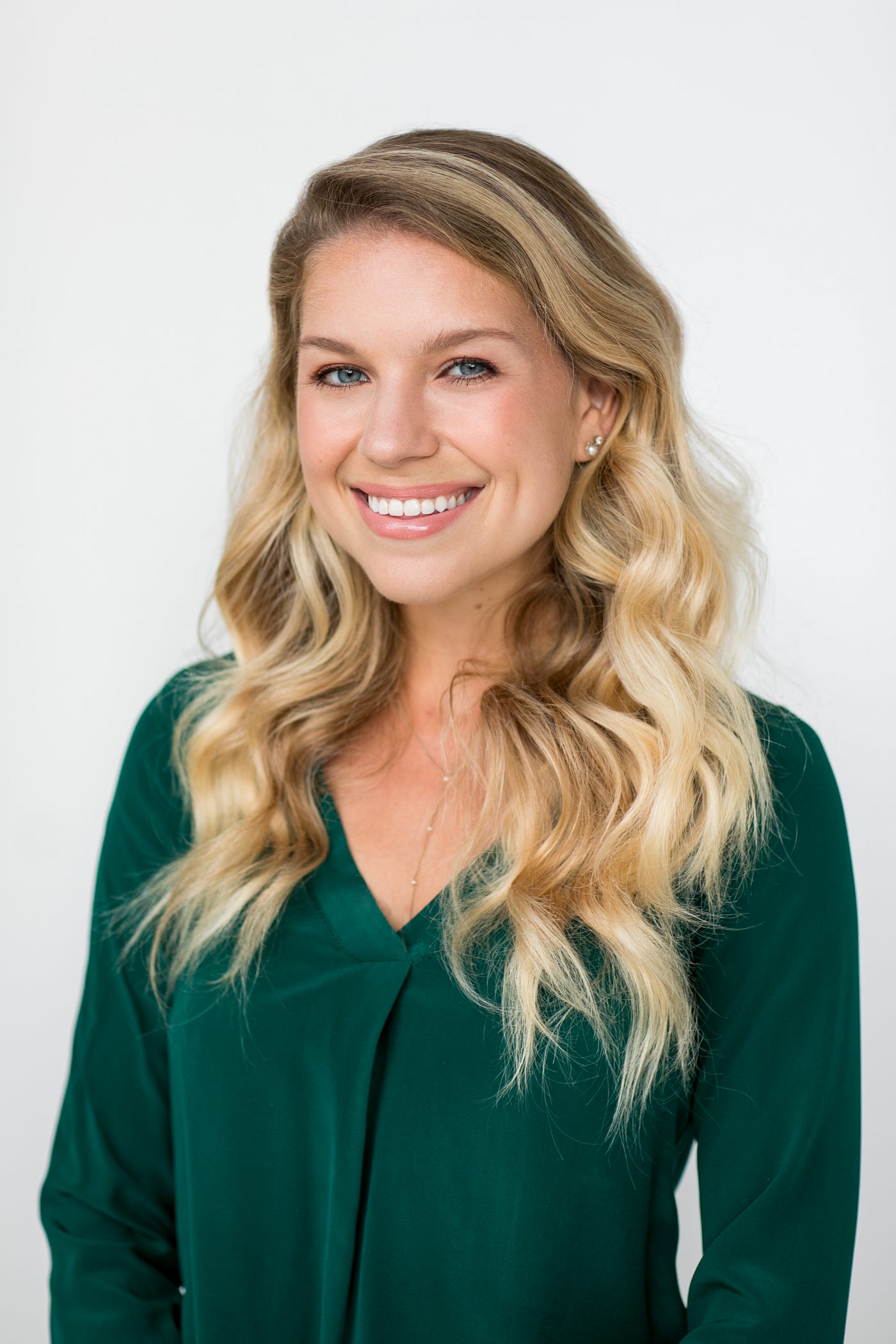
In recent years, Big Tech has gotten a bad rep. But of course many tech companies are doing important work making monumental positive changes to society, health, and the environment. To highlight these, we started a new interview series about “Technology Making An Important Positive Social Impact”. We are interviewing leaders of tech companies who are creating or have created a tech product that is helping to make a positive change in people’s lives or the environment. As a part of this series, I had the pleasure of interviewing Kristina Saffran.
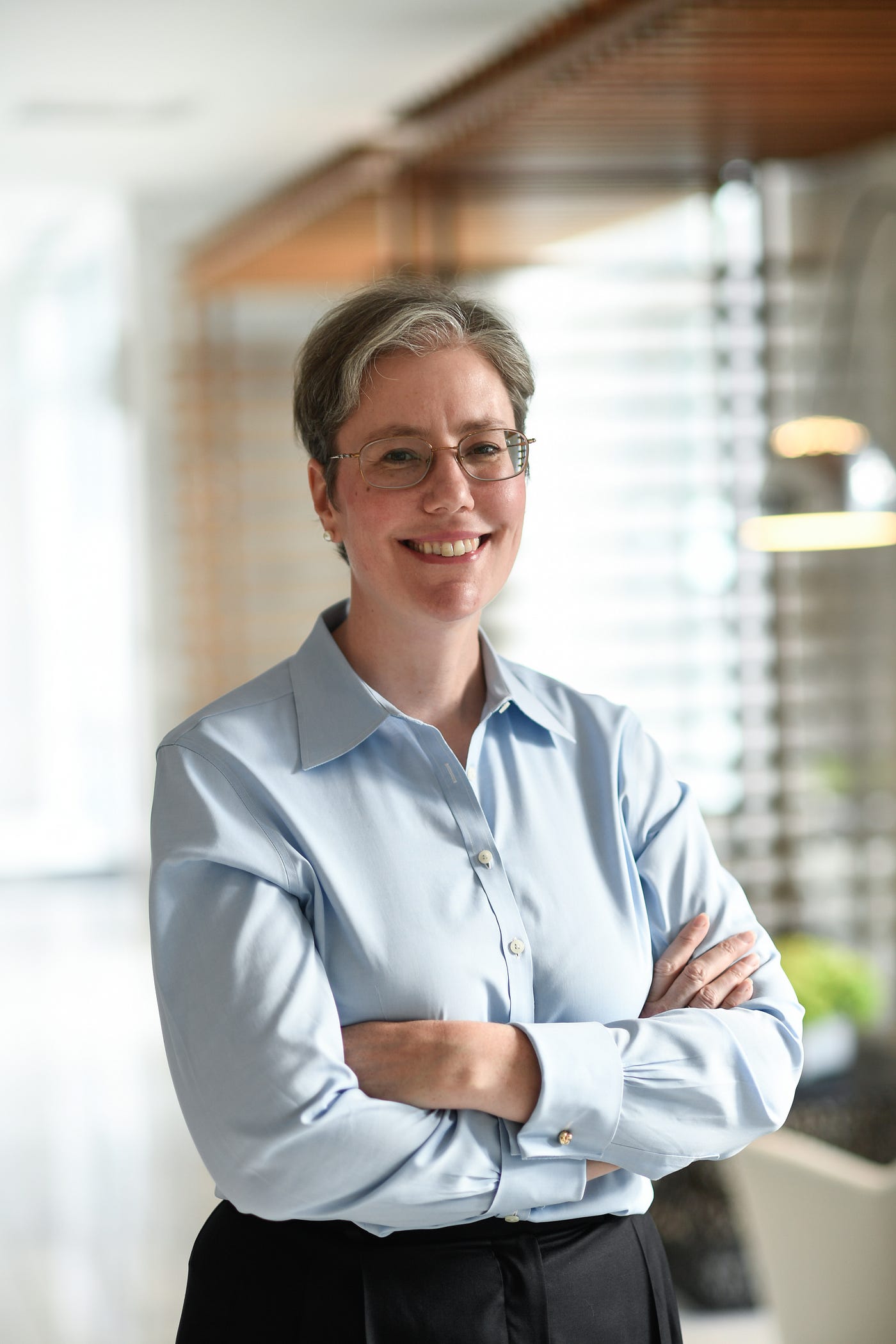
Since recovering from anorexia as a teenager, Kristina has been on a mission to ensure that all families have access to eating disorder treatment that works. Kristina is the co-founder and CEO of Equip, was the co-founder and is an active board member of Project HEAL, an Ashoka Fellow, a Forbes 30 under 30 social entrepreneur, and a Facebook Community Leadership Fellow. She graduated from Harvard College with a bachelors degree in psychology in 2014.
Thank you so much for joining us in this interview series. Before we dive in, our readers would love to learn a bit more about you. Can you tell us a bit about your childhood backstory and how you grew up?
I grew up in New York, outside of New York City. I had a great childhood — loving parents, a younger brother. The works. Unfortunately, I was genetically predisposed to developing an eating disorder. There are strong genetic tendencies in my family linked to anxiety, depression, addiction, obsessive compulsive disorder, etc. We know that eating disorders are brain disorders, and a triggering factor is taking in less calories than your body needs. When a person starts to restrict what and how much they eat, it can set off a genetic, biological cascade. My babysitter was dieting and I decided to try it. It set off my eating disorder that would last through much of my adolescence.
Can you share the most interesting story that happened to you since you began your career?
Back in 2008, when I started Project HEAL, a nonprofit with the mission to provide financial assistance for eating disorder treatment, I didn’t know that I would be ‘outing’ myself and my eating disorder at the age of 13. But the beauty of putting myself out there at such a young age was that my story became known. Being vulnerable and vocal allowed me to form deep, strong relationships with many people. People feel like they can come and tell me some of their most personal issues. In many ways, I’ve become a trusted confidant for friends and family members who are struggling — not just with an eating disorder, but even with other mental illnesses like bipolar disorder and depression. And I’ve helped others to be open about their stories — like NFL executive and Project HEAL board member Paraag Marathe, and Riverdale star Camila Mendes — which has helped countless people feel less alone.
None of us are able to achieve success without some help along the way. Is there a particular person who you are grateful towards who helped get you to where you are? Can you share a story about that?
One of my role models and mentors from the early days is Evelyn Attia. She is the Director of the Center for Eating Disorders at New York-Presbyterian Hospital, an integrated clinical research program at both Weill Cornell Medicine and Columbia University Medical Centers, and an advisor at Equip.
When I was 15, I emailed her about my nonprofit, Project HEAL, and expressed my interest in learning about effective eating disorder treatments and how to get them to more people. I also asked her if I could work for her that summer. She initially told me that they didn’t take high school students for their summer internship programs, but invited me to come and meet her. After that meeting, she created a role for me in her unit where I really got to learn more about the neurobiology and epidemiology of eating disorders.
That started me on the path of figuring out how we develop and disseminate treatments that really work. It also opened my eyes to some of the problems with our current treatment landscape, including the fact that it is not evidence-based.
Can you please give us your favorite “Life Lesson Quote”? Can you share how that was relevant to you in your life?
The proverb, “fall down 7 times, get up on 8” has always resonated with me when I think about my path. For me, success is about being gritty and not taking no for an answer. That’s one of my best traits. I learned that early on when I founded and ran a nonprofit as teen. It was the best possible training for what it means to be persistent.
You are a successful business leader. Which three character traits do you think were most instrumental to your success? Can you please share a story or example for each?
- Grit: As much as possible, being resilient and determined to bounce back from setbacks and failures has been instrumental in where I am today. My personal experience with eating disorders, and my passion for helping others going through a similar journey to mine, has fueled my dogged determination. Also, a common trait among those suffering from anorexia is the ability to hyperfocus on goals and deflect any distractions. When you channel that trait in a positive way, folks with eating disorders can go on to achieve incredible things.
- Authenticity: I’ve always been comfortable sharing my own story and that has helped others open up to me or believe in what I’m trying to achieve — whether that be with Project HEAL or Equip. Being authentic also requires empathy and it’s enabled me to have deep relationships with people both personally and professionally.
- Humility: Another ingredient to success is knowing how to surround myself with the smartest people in the room. You need to have great, capable people around you and who are experts in the areas that you are not. And to build a great company, you have to have that humility to move forward.
Ok super. Let’s now shift to the main part of our discussion about the tech tools that you are helping to create that can make a positive impact on our wellness. To begin, which particular problems are you aiming to solve?
Over 30 million Americans will be affected by an eating disorder in their lifetime. Despite this staggering number, only 20% of those who struggle with an eating disorder receive treatment, and only 20% of those patients fully recover. There is a significant treatment gap across the country.
For most of my life, I’ve been working to educate people about eating disorders and find ways to provide access to treatment at scale. Most recently, as the co-founder of Equip, I’m on a mission to transform the eating disorder care delivery system, ensuring that it is patient-centered, evidence-based, and accessible to all who suffer.
We’ve built a virtual eating disorder program that enables lasting recovery for patients, all through dedicated virtual care teams and expert treatment delivered at home. Our approach is based on the Family Based Treatment (FBT) method, which involves the entire family to help the patient overcome their eating disorder. It empowers families with skills and resources to play an active role in the journey.
Instead of relying on expensive treatment centers that remove a patient from their family, disrupt their life, and make treatment unaffordable for many, Equip makes it easier and more cost-effective for patients to receive personalized care that integrates with their everyday life. Studies have shown that FBT is more effective than traditional treatments when it comes to preventing relapses and helping participants reach full remission.
Building on FBT, our data-driven, gold-standard care program consists of a dedicated five-person care team, including a peer and family mentor, medical physician, therapist and dietitian, providing a multi-faceted and holistic approach to treatment.
How do you think your technology can address this?
There have long been misconceptions about the effectiveness of telehealth versus in-person treatment for eating disorders, but we are seeing an important shift, particularly in light of the pandemic.
For us at Equip, the two biggest benefits of telehealth are:
- The importance of building a life worth living. Not only can virtual care alleviate a lot of the time and financial resources associated with treatment for families, it also gives patients the space to pursue everyday activities and be invested in life — whether this be through friendships or hobbies. Telehealth meets people where they are, providing incredible flexibility and convenience vs. pursuing in-person treatment.
- The ability to bring your entire village. We know that Family-Based Treatment (FBT) is the most effective approach for eating disorder recovery. Our digital model lets patients recover at home, where they are supported by loved ones and where they can keep some normalcy in their daily life and routines. We believe that this approach can help protect patients from relapse because their community knows the eating disorder and how to help fight it.
In order to reach as many people as possible and ensure they’re getting the treatment that they need, we always had the intention of being a digital service. And now, two years into seeing patients, we believe telehealth is a superior approach for eating disorders.
Can you tell us the backstory about what inspired you to originally feel passionate about this cause?
I was diagnosed with anorexia when I was 10. It sometimes surprises people that I was so young, but it’s common — eating disorders are brain disorders — and I come from a family steeped in anxiety, depression, and addiction. When I was 10, my babysitter went on a diet and I decided to try it with her — leading me to a struggle with anorexia that lasted through my teenage years and almost killed me.
After multiple hospitalizations and relapses, my family learned about Family-Based Treatment (FBT). It was the only evidence-based treatment method that helped me reach lasting recovery at the age of 15.
On the other side of my recovery journey, I was inspired to give back and help others suffering from eating disorders get access to quality treatment. In 2008, I co-founded the nonprofit Project HEAL, with the mission to raise money for patients who did not have financial access to treatment.
While we did incredible work at Project HEAL and were able to help hundreds of families, I was acutely aware that millions were struggling. I knew that I had to create a new care model that didn’t exist just yet, which led to me co-founding Equip in 2019.
It’s unconscionable that one person dies by an eating disorder every 52 minutes when we have treatments that work. It’s unconscionable that so many of my peers have spent the last 15 years of their lives cycling in and out of treatment centers. It’s unconscionable that so many families spend hundreds of thousands of dollars on treatments that don’t work before they learn about evidence-based treatment.
We have created a new approach to treatment and recovery to change this.
How do you think this might change the world?
More than 70 million people worldwide have eating disorders. They are the second most deadly of all mental illnesses. At Equip, we believe that our evidence-based treatment model can help us look at recovery differently so that more people can live a fulfilling and healthy life. We can’t rely on antiquated approaches and systems that prevent the people who need help the most from getting it. We need to evolve and our care model and approach are doing just that.
Here is the main question for our discussion. Based on your experience and success, can you please share “Five things you need to know to successfully create technology that can make a positive social impact”? (Please share a story or an example, for each.)
- Listening to lived experience. Really making sure that you understand the people that you’re building technology for. If you’re not someone who has that insight, then it’s important to surround yourself with folks who have that lived experience.
- Community. At the core of Equip’s evidence-based treatment approach is a close community. In addition to the five-person care team dedicated to help a patient and their family through their eating disorder journey, we also have a vibrant community of peer mentors, family mentors, and other clinical experts that our families can engage with and gain support from. I believe to have a lasting positive social impact, your technology needs to tap into, and empower, a community.
- Humanity. Equip isn’t a traditional technology company. We’re a services company, enabled by tech. Our mission and the work that we do every day wouldn’t be possible without the human component built into our tech. There are many limitations to technology, especially when you are dealing with diseases or issues in which a person is fighting their brain to overcome an illness. Without that human-centric piece that allows us to have insight into our patients’ experiences, we wouldn’t be successful.
- Credibility. When you’re creating health technology it’s incredibly important that you combine lived experience with clinical expertise. We often see false claims of outcomes of evidence-based technology, and given we’re dealing with something incredibly personal and sensitive, we need to hold ourselves to the highest standard of care and lean on science-backed approaches.
- Equality. This ties into my earlier point about understanding the people that you’re building technology for — at Equip, we need to ensure that we reach all groups affected by eating disorders. Historically, certain ethnicities, races and genders have been sidelined because of medical bias and a misunderstanding of eating disorders, especially because of the rampant stereotypes. In order to have a positive social impact on the masses we had to carefully build a supportive, holistic treatment approach for all.
If you could tell other young people one thing about why they should consider making a positive impact on our environment or society, like you, what would you tell them?
There is no better feeling than getting up in the morning to work on a problem that actually matters and that is helping improve people’s lives.
Is there a person in the world, or in the US with whom you would like to have a private breakfast or lunch, and why? He or she might just see this, especially if we tag them. :-)
Michelle Obama. She is an incredible woman who has broken down tremendous barriers, and has been such an advocate for health and equality. That said, her “Let’s Move” Program has had some unintended negative consequences in terms of promoting weight bias, and unintentionally contributing to eating disorder risk. We know that weight is a poor proxy for health, and that people can be healthy in all shapes and sizes, and I’d love to discuss how we could work together on health and wellness without stigmatizing people in larger bodies.
How can our readers further follow your work online?
https://www.linkedin.com/company/equip-behavioral-health/
Thank you so much for joining us. This was very inspirational, and we wish you continued success in your important work.
DP
Written by
Dave Philistin, CEO of Candor
Columnist & ContributorAuthority Magazine Columnist & Contributor

Published inAuthority MagazineTop Lessons, Top Authorities · 42K Followers
Exclusive, curated interviews with the leaders and changemakers shaping tomorrow. Leadership lessons, industry deep dives, and executive profiles.