The lesson for me is that medicine should not only ask, “What disease does this person have today?” We should also ask, “Where is this person headed?” If we understand the trajectory early enough, we have far more opportunities to change it.
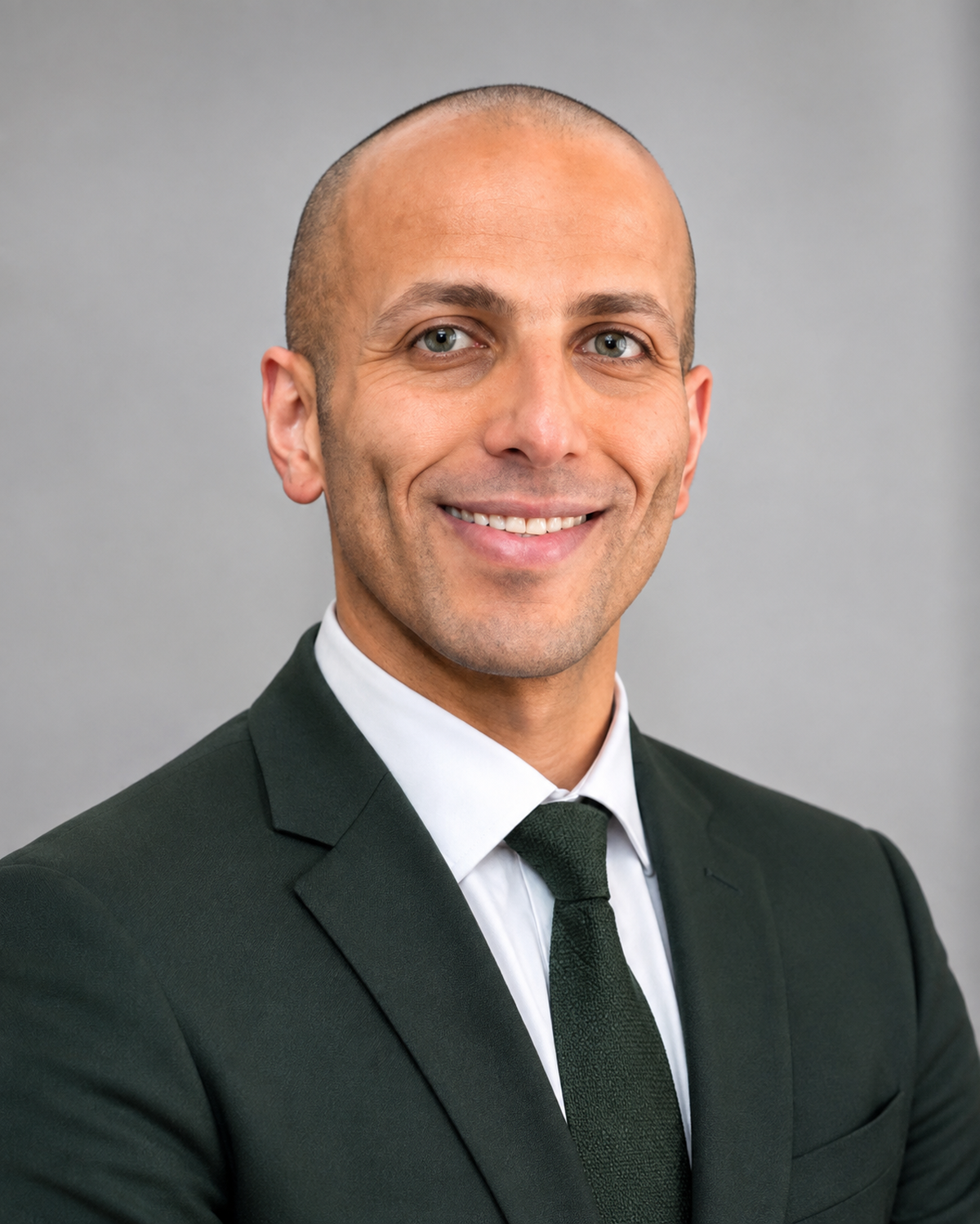
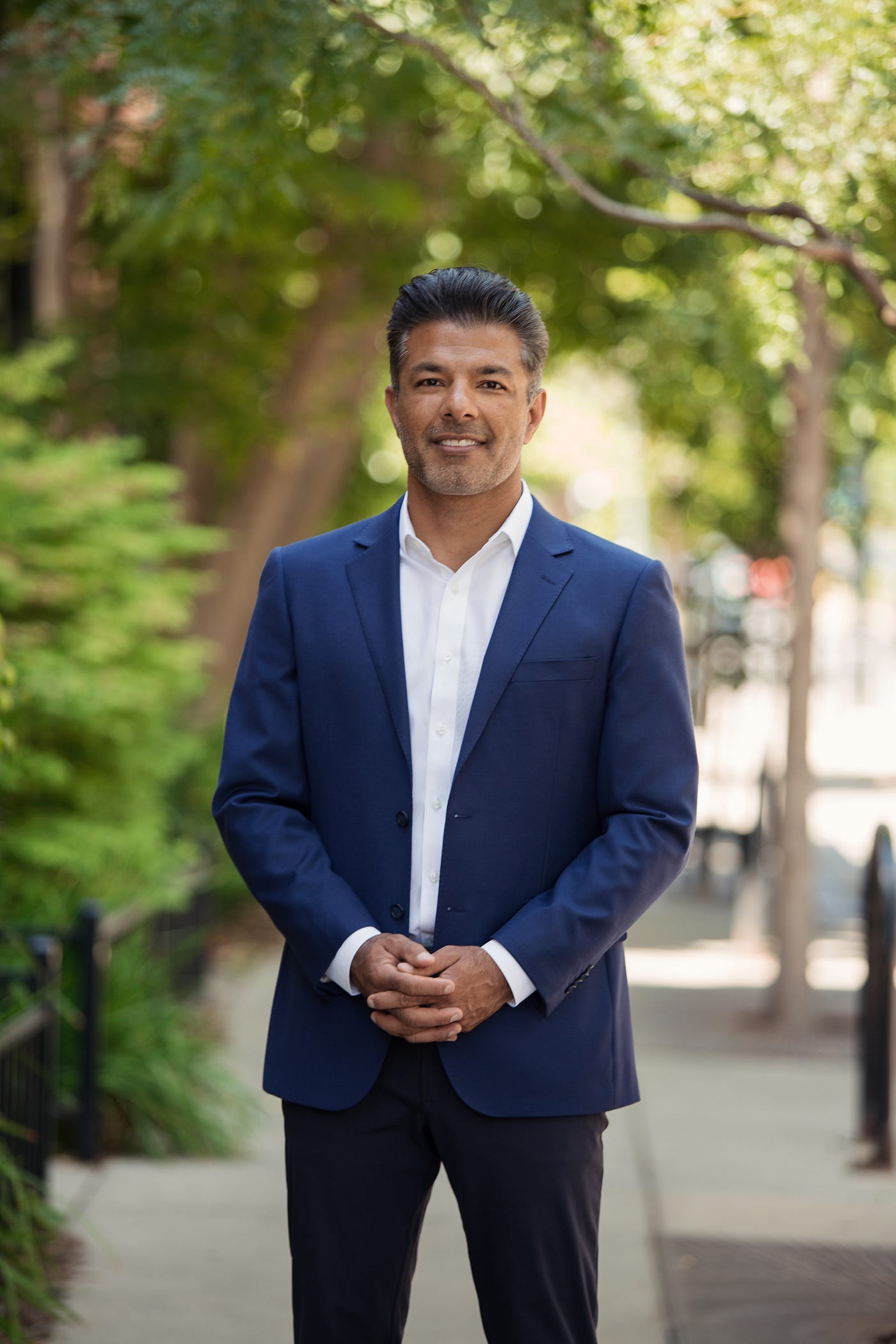
As a part of this series, we had the pleasure to interview Khoshal Latifzai.
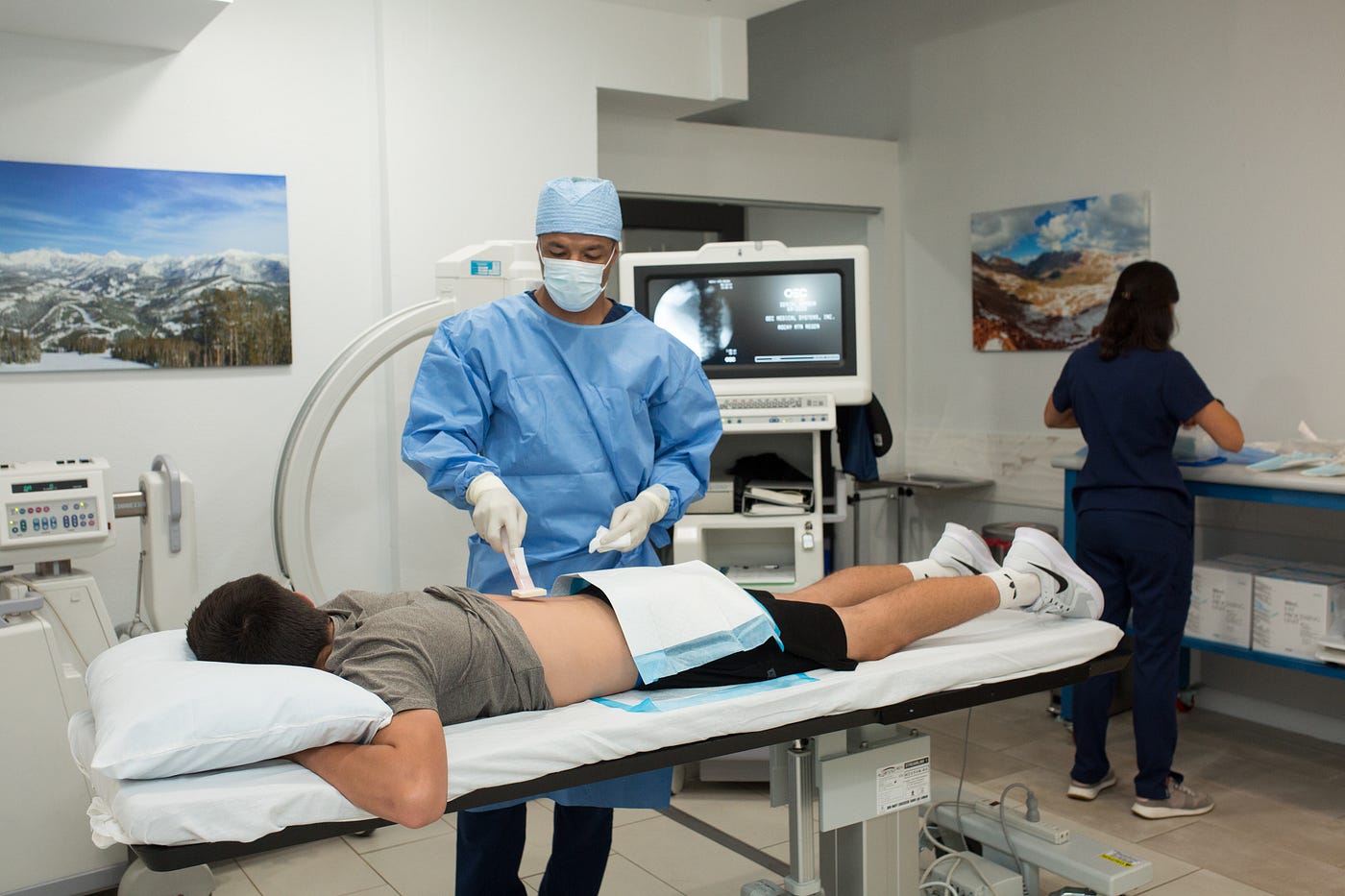
Dr. Khoshal Latifzai, MD is a board-certified physician and Owner & CEO of Rocky Mountain Regenerative Medicine in Boulder, Colorado. With 20+ years of clinical experience including a decade as an attending emergency medicine physician at institutions like Yale University Hospital. He now specializes in non-surgical regenerative therapies, including stem cell therapy, PRP, and advanced biologics. He holds an MD from Dartmouth Medical School and completed his residency at Yale School of Medicine. He is a published researcher and sought-after speaker, he shares articles on regenerative medicine and longevity on LinkedIn, Substack, and Medium.
Thank you so much for joining us in this interview series! Our readers would love to “get to know you” a bit better. Can you tell us a bit about your ‘backstory’?
I was born in Afghanistan and moved to the United States when I was 10 years old. That experience shaped a lot of how I see opportunity, education, and ultimately medicine. I attended Dartmouth Medical School and completed my residency in Emergency Medicine at Yale. For many years, I practiced traditional emergency medicine, which is an incredible field. You learn to make decisions quickly, manage uncertainty, and care for people during some of the most vulnerable moments of their lives. Over time, though, I became increasingly interested in what happened before someone arrived in the emergency department. I could treat a heart attack, a stroke, or a metabolic crisis, but I found myself asking, “What could have been done 10 or 20 years earlier to change this person’s trajectory?” That question eventually led me into preventive medicine, longevity, metabolic health, regenerative medicine, hormone optimization, and performance. Today, I am the founder and medical director of Rocky Mountain Regenerative Medicine in Boulder, Colorado, where our focus is much more upstream. We try to identify risk early, preserve function, and help people remain healthy, active, and capable for as long as possible. I find this work incredibly fulfilling. There is something deeply meaningful about helping someone make changes today that may allow them to spend healthier years traveling, skiing, hiking, playing with their children or grandchildren, and simply doing the things they love with the people they love.
Can you share with us the most interesting story from your career? Can you tell us what lessons or ‘takeaways’ you learned from that?
One of the most important realizations in my career came from repeatedly seeing the same pattern in the emergency department. I often met people in the most recent chapter of their medical story, and my job was to deal with that situation as effectively as possible. Eventually, I became much more interested in all the preceding chapters. A heart attack may feel sudden, but the biological processes behind it may have been developing for decades. Type 2 diabetes does not begin on the day someone’s hemoglobin A1c crosses a diagnostic threshold. Frailty does not suddenly appear at age 80. The loss of muscle, aerobic capacity, metabolic health, and vascular health generally occurs over many years. That changed the way I thought about medicine. Today, I spend much more of my time trying to influence those earlier chapters. The lesson for me is that medicine should not only ask, “What disease does this person have today?” We should also ask, “Where is this person headed?” If we understand the trajectory early enough, we have far more opportunities to change it. That is also one of the reasons I find this phase of my career so fulfilling. Instead of only helping someone survive a crisis, I have the opportunity to help them potentially avoid it and preserve the years before it.
None of us are able to achieve success without some help along the way. Is there a particular person who you are grateful for who helped get you to where you are? Can you share a story about that?
Many mentors and colleagues have helped me along the way, but I would have to include am very grateful for my wife, Colleen. Colleen is a nurse practitioner, and today we work together at Rocky Mountain Regenerative Medicine. She brings a perspective that complements mine, particularly in women’s health, hormone therapy, and how patients experience health outside of a traditional disease-based model. Working alongside your spouse is a unique interesting exercise because you cannot hide behind your title. You have to explain why you believe something, listen when another person sees it differently, and be willing to change your mind. Colleen has also reinforced the idea that medicine is not simply about extending life, it’s about preserving the quality of those years. Medicine is increasingly a team sport, and having someone so close to me who brings a different clinical perspective has improved both our practice and my own thinking.
You are a successful leader. Which three character traits do you think were most instrumental to your success? Can you please share a story or example for each?
Curiosity. I have never been very comfortable with, “This is simply how we have always done it.” Medicine changes constantly. My curiosity has taken me into advanced cardiovascular prevention, metabolic health, exercise physiology, hormone optimization, regenerative medicine, nutrition, supplementation, body composition, and longevity science. I think the best clinicians remain students throughout their careers.
Being willing to change my mind. I consider this to be one of the most underrated qualities in medicine. New evidence emerges, technology changes, and sometimes something you strongly believed five years ago deserves reconsideration. There is a difference between having convictions and becoming attached to your conclusions. I would much rather change my position because better evidence became available than defend an old idea simply because it was mine.
Persistence. Building a medical practice is very different from working within a large hospital system. You are constantly learning not only medicine, but also leadership, human resources, communications, technology, operations, and how to create an experience that resonates with patients. Persistence does not mean blindly continuing down the same path. Sometimes it means changing the path while continuing toward the same goal.
Seekers throughout history have traveled great distances and embarked on mythical quests in search of the “elixir of life,” a mythical potion said to cure all diseases and give eternal youth. Has your search for health, vitality, and longevity taken you on any interesting paths or journeys? We’d love to hear the story.
Absolutely, although one of the most interesting discoveries has been that the deeper you go into longevity medicine, the less likely you are to believe there is a single elixir. We now have extraordinary technology. We can quantify coronary plaque, continuously measure glucose, measure visceral fat and muscle, test aerobic capacity, evaluate hormones, and examine biomarkers that were rarely part of routine clinical practice even a generation ago. Those tools can be incredibly useful, but longevity is ultimately a systems problem. Your cardiovascular system, metabolism, muscle, brain, hormones, sleep, nutrition, and emotional health do not exist in separate compartments. That also means two people with the same symptom can need completely different interventions. Two people can both tell me they are exhausted. One may have sleep apnea. Another may be iron deficient. Another may be in perimenopause. Another may be insulin resistant. Someone else may simply be chronically under-recovered from training, work, family, and inadequate sleep. The interesting journey for me has been moving away from asking, “What is the treatment for this symptom?” and moving toward asking, “Why is this happening in this particular person?” That is where personalized medicine becomes meaningful.
Based on your research or experience, can you please share your “5 Things You Need To Live A Long & Healthy Life”? (Please share a story or an example for each)
1. Train today for the physical life you want decades from now.
One idea I love is thinking backward from the person you want to be at 80 or 90. What do you want to still be able to do? Do you want to climb stairs without assistance? Lift a suitcase into an overhead bin? Get off the floor without using your hands? Ski with your grandchildren? Hike several miles? Carry groceries into the house? Those activities may sound ordinary when you are 40 or 50. At 80 or 90, they require a considerable reserve of strength, balance, mobility, and aerobic fitness. We lose physical capacity as we age, so the goal is not simply to be capable enough today. It is to build enough reserve that you can afford some decline and still remain highly functional decades later. That is why I put such an emphasis on resistance training and cardiorespiratory fitness. VO2 Max gives us an objective measure of aerobic capacity. Strength and muscle mass give us another window into physical reserve. Exercise may be the closest thing we have to a true longevity intervention because it affects cardiovascular health, glucose regulation, muscle, bone, cognition, mood, and independence simultaneously.
2. Understand your metabolic health before you become diabetic.
Type 2 diabetes is usually the end of a long metabolic story, not the beginning. Insulin resistance and abnormal glucose regulation can exist for years before someone crosses a diagnostic threshold. That is why I like looking beyond fasting glucose alone. Depending on the patient, we may examine hemoglobin A1c, fasting insulin, triglycerides, body composition, visceral fat, and sometimes glucose responses using a continuous glucose monitor. Alongside this, nutrition matters enormously. Adequate protein, fiber, whole foods, plants, and minimizing excessive refined carbohydrates and highly processed foods provide the foundation. There can also be a role for targeted supplementation when there is an identifiable deficiency or physiologic reason to use it. The point is not to collect endless supplements, it’s to understand the biology you are trying to influence and determine if the right supplement can help.
3. Treat cardiovascular disease as something that develops over decades.
Cardiovascular disease is one of the clearest examples of why early prevention matters. Atherosclerosis develops slowly. Someone can exercise regularly, feel perfectly healthy, and still accumulate cardiovascular risk. That is why it’s important for people to understand more than just their total cholesterol. ApoB can help us estimate the burden of atherogenic particles capable of entering the arterial wall. Lipoprotein(a) can reveal an important largely inherited risk that many people have never had measured. Blood pressure, glucose metabolism, smoking history, inflammation, family history, and sometimes imaging all add additional context. The important concept is cumulative exposure. If a risk factor is contributing to vascular disease for 30 years, addressing it in year five is very different from discovering it in year 30. Prevention gives us the advantage of time.
4. Protect your sleep and understand why it is disrupted.
Sleep is one of the areas where one-size-fits-all advice falls apart quickly. Poor sleep can have many causes. It may relate to stress, sleep apnea, alcohol, pain, an inconsistent schedule, hormone changes, restless legs, medication effects, nutrient deficiencies, or several things at once. That means the solution should depend on the cause. For some people, behavioral changes make a tremendous difference. For others, treating sleep apnea changes their life. I have seen selected supplements be very helpful in certain patients. Melatonin may be a useful option when someone’s sleep schedule or circadian rhythm has been disrupted, helping signal that it is time for the body to prepare for sleep and get back on track. I have also seen hormone replacement dramatically improve sleep in appropriately selected women experiencing perimenopause or menopause. The key is not simply giving someone something to make them sleepy. The better question is, “Why are they not sleeping well?” Sleep influences metabolism, appetite, cognitive function, emotional regulation, exercise recovery, hormonal health, and cardiovascular health. When you improve sleep, you often improve far more than sleep.
5. Build a life worth preserving.
This last tip may be the most important one. Longevity can become overly focused on numbers. We can measure ApoB. We can measure VO2 Max. We can quantify muscle and visceral fat. We can track glucose every few minutes. All of those measurements can be useful. But nobody wants another 10 years simply to accumulate years. People want those years because they want dinner with their spouse, vacations with friends, another ski season, another graduation, another family Christmas, or another decade watching their children build their own lives. Physical health, cognitive health, and emotional health all matter. The goal is not a perfect set of biomarkers. The goal is enough health and capacity to continue participating fully in your own life.
Can you suggest a few things needed to live a life filled with happiness, joy, and meaning?
I think relationships belong at the top of the list. Medicine tends to focus heavily on measurable things, but some of the most important components of a good life do not appear on a laboratory report. Family, friendships, community, purpose, curiosity, and service matter enormously. I also think people need something they are building toward, which does not necessarily mean a career. It could be raising children, training for an athletic event, learning a language, creating something, contributing to a community, mentoring someone younger, or simply becoming more present for the people you love. We spend a lot of time discussing physical and cognitive health in longevity medicine, but emotional health deserves equal attention. Living longer without connection, purpose, or joy misses the point.
Some argue that longevity is genetic, while others say that living a long life is simply a choice. What are your thoughts on this nature vs. nurture debate? Which is more important?
It is both, but I think the more useful question is not which one wins. It is how much of our individual risk we can influence. Genetics unquestionably matter. They influence cardiovascular disease, certain cancers, lipid metabolism, neurodegenerative disease, body composition, and countless other biological characteristics. Some people clearly begin life with a more favorable hand than others, but genes operate within an environment. You cannot change the genes you inherited, but you can change many of the exposures those genes encounter for the next several decades. You can exercise, build muscle, improve your cardiorespiratory fitness, high blood pressure, or poor sleep. You can also identify inherited risks such as elevated lipoprotein(a) and manage the other modifiable factors more aggressively because you know that risk exists. I would never tell someone that every disease can be prevented through better choices. But I do believe most people have far more influence over their health trajectory than they realize. Genetics may help establish the starting conditions. Our accumulated behaviors, exposures, and medical decisions help shape much of what happens afterward.
Life sometimes takes us on paths that are challenging. How have you managed to bounce back from setbacks in order to cultivate physical, mental, and emotional health?
My life began with a major transition. I was born in Afghanistan and moved to the United States as a child. Later, medicine taught me a lot about uncertainty. Emergency physicians become comfortable functioning in situations where you do not have every answer and still need to make a thoughtful decision. Building my own practice required another version of that same skill because I have learned not to treat setbacks as permanent conclusions. When something does not work, I try to ask, “What is this teaching me? Is the goal wrong, or does the approach simply need to change?” Physically, exercise has always been an important anchor for me as well. Mentally and emotionally, family and perspective matter tremendously. I also think resilience comes from remembering that a difficult period is just one chapter. It does not have to define the entire story.
Can you please give us your favorite “Life Lesson Quote”? Do you have a story about how that was relevant in your life?
One idea I return to often is: “The obstacle is the way,” because it changes how you interpret difficulty. There have been several points in my career when the easier choice would have been to remain comfortable. Leaving a familiar professional path and building something different required learning an entirely new side of medicine and business. But many of the challenges that initially seemed like obstacles ultimately pushed me toward work that I find even more meaningful and fulfilling. I have found that the thing you are resisting is sometimes exactly where the next opportunity for growth is hiding.
You are a person of enormous influence. If you could start a movement that would bring the most amount of good to the most amount of people, what would that be? You never know what your idea can trigger. :-)
I would make preventive medicine the default rather than the exception. Our healthcare system is extraordinarily good at rescuing people after something goes wrong. What I would love to see is the same intellectual energy and resources applied 10, 20, or 30 years earlier. Imagine if we routinely asked a 45-year-old not only whether they have disease today, but what needs to happen for them to remain metabolically healthy, cognitively intact, cardiovascularly healthy, strong, and independent at 85. That completely changes the conversation. You begin thinking about cardiovascular risk before the first cardiac event. You think about insulin resistance before diabetes. You build bone and muscle before frailty. You improve cardiorespiratory fitness while there is still enormous capacity to do so. You investigate poor sleep before years of inadequate recovery accumulate. That is the movement I would like to see. Not simply extending lifespan, but deliberately building healthspan decades before we need it. The best medical outcome may be an emergency that never happens. And from my perspective, helping someone avoid that final chapter and instead fill those years with more life is incredibly fulfilling.
What is the best way for our readers to continue to follow your work online?
The best place to learn more about our clinical work is through Rocky Mountain Regenerative Medicine in Boulder, Colorado. Our clinic website is RMRMCO.com. I also regularly share information about longevity, metabolic health, cardiovascular prevention, hormones, regenerative medicine, and emerging health research on LinkedIn (linkedin.com/in/khoshal-latifzai) and my Substack (drkhoshal.substack.com). My goal with that content is the same as it is with patients: to translate complicated medical science into information people can actually understand and use. Readers can also follow Rocky Mountain Regenerative Medicine through our website and social media channels for additional education on prevention, longevity, and regenerative health.
This was very inspiring. Thank you so much for the time you spent on this. We wish you only continued success.