The problem was almost never the technology. It was a decision made in a bubble, without the right people in the room, and then someone like me got called in to clean it up.
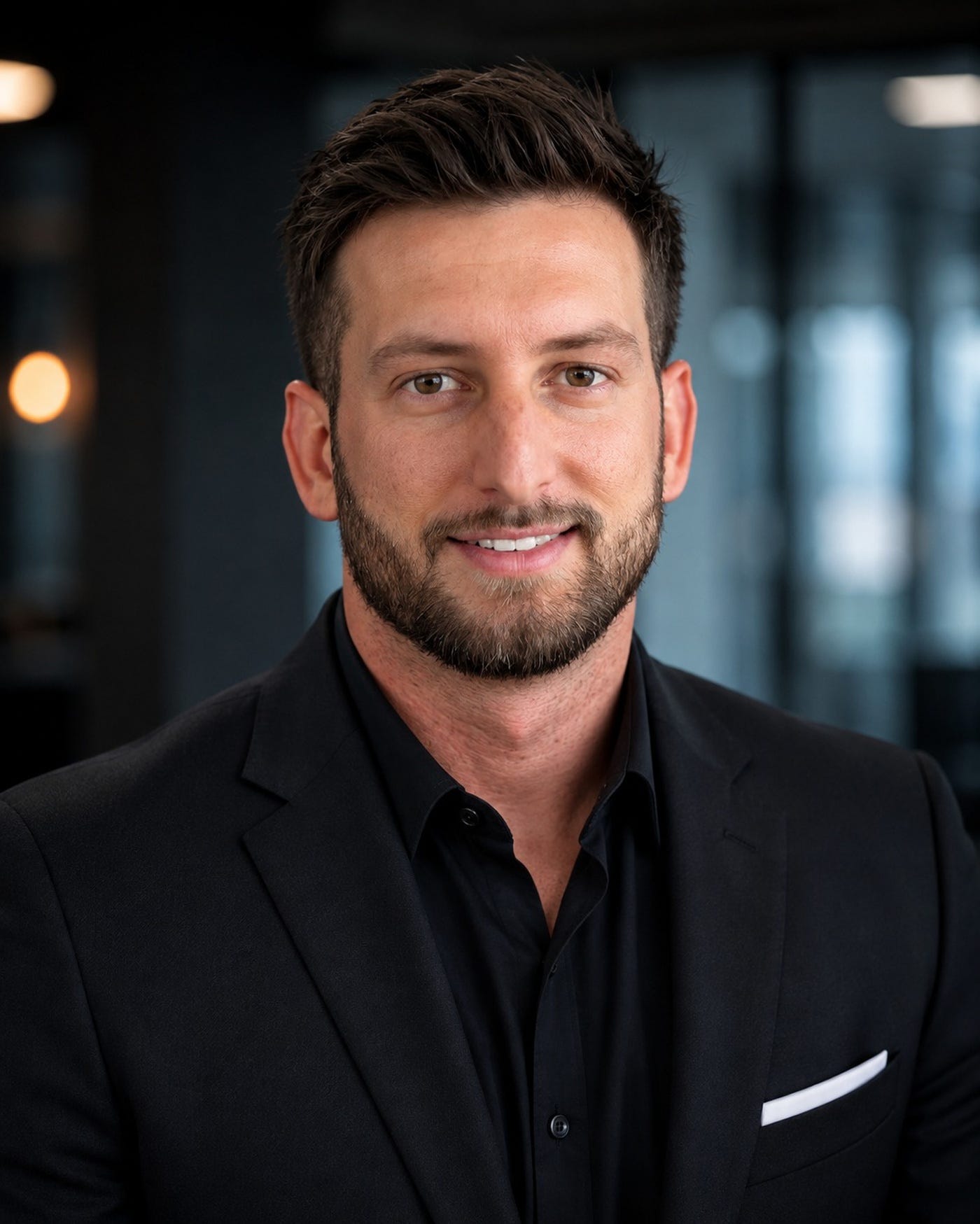
As a part of this series, we had the pleasure to interview Kevin M. Coles.
Kevin M. Coles is an author and fractional CIO in Arizona and the founder of Coles Technical Group, where he helps owners and CEOs make the technology decisions they can’t easily undo. He also founded Raising Tactical Daughters, a personal safety organization that has reached about 150,000 people. His memoir, The One Who Would Be Okay: What It Costs When Nobody Notices, comes out January 12, 2027.
Thank you so much for joining us in this interview series! Before we dive into the main focus of our interview, our readers would love to “get to know you” a bit better. Can you share a story about what motivated you to become an expert in the particular area that you are writing about?
For years I was the one people called when something broke. I was good at it, and I kept seeing the same thing. The problem was almost never the technology. It was a decision made in a bubble, without the right people in the room, and then someone like me got called in to clean it up. At some point I realized I didn’t want to keep recovering from other people’s decisions. I wanted to help make them. That’s why I became a fractional CIO.
Can you share a pivotal story that shaped the course of your career?
I watched everything I had built fall apart. I’d spent most of my life being the steady one, the guy everyone assumed would be okay, so nobody checked and I didn’t ask. Rebuilding from there changed how I work. I stopped trying to look like I had it together and started building things that actually hold up. Coles Technical Group came out of that, and so did the book.
What are some of the most interesting or exciting projects you are working on now? Are you working on any new writing projects?
My memoir launches January 12. Raising Tactical Daughters has a line of children’s books teaching kids to trust that uh oh feeling and to be kind without being compliant, and another one is in production now. I write Decided by Accident, a newsletter for owners and CEOs about the technology decisions that quietly shape their companies. I’m also working on a second book for business leaders. And I’m building out keynotes on safety at work and at home.
Thank you for all of that. Let’s now shift to the core focus of our interview. Can you please tell us a bit about your book? Can you please share a specific passage or story that illustrates the main theme of your book?
The One Who Would Be Okay is about the person in every family and every office who everyone assumes is fine, so nobody checks. I was that person. The book is about what that costs, and what it takes to rebuild when the steady one finally breaks. This is how it opens:
“Here’s what I’ve learned about two in the morning. Nobody calls to ask how you’re doing. They call because something’s broken and they know you’ll pick up.
I was the one who would be okay. My dad told me so himself, near the end.
And I always picked up.
I just never learned how to make the call.”
You are a successful author and thought leader. Which three character traits do you feel were most instrumental to your success when launching your book? Can you please share a story or example for each?
Finishing. Most people who start a book never finish it. For me, finishing was the point. I was going to see it through even on the days I didn’t want to look at it.
Honesty and transparency. If I was going to write it, it was going to be real. There are parts of the book I don’t like, parts that don’t make me look good, and they’re in there anyway. That’s the only way it works.
Being a hybrid. At work I’m pretty introverted. I sit quiet, take notes and speak last. Outside of work I’m insanely outgoing and I’ll talk to anyone. The quiet side wrote the book. The outgoing side is out getting it in front of people.
In my work, I have found that writing a book can be a great way to grow a brand. Can you share some stories or examples from your own experience about how you helped your own business or brand grow by writing a book? What was the “before and after picture?” What were things like before, and how did things change after the book?
Honestly, it’s not even out yet, so the real answer is still coming. But it’s already opening doors I couldn’t open before: podcasts, people reaching out, conversations I wouldn’t have had otherwise. In a lot of ways this is my networking book. People get to know who I really am before we ever meet. My hope is that it helps people, and that a lot of them see themselves in it, especially the ones everybody assumes are fine.
If a friend came to you and said “I’m considering writing a book but I’m on the fence if it is worth the effort and expense” what would you answer? Can you explain how writing a book in particular, and thought leadership in general, can create lucrative opportunities and help a business or brand grow?
Do it, but know what you’re signing up for. It’s the most humbling experience you’ll ever have. A book is a mirror, and there’s no getting away from it, because it is you. It follows you through every page. Whether you publish it or not, finish it. You won’t be the same person at the end that you were at the start.
What are the things that you wish you knew about promoting a book before you started? What did you learn the hard way? Can you share some stories about that which other aspiring writers can learn from?
You can’t fake it. You’ll want to polish everything and make it sound a certain way, because you think that’s what people want. It isn’t. People just want you. Your authentic self is the whole thing, so keep it at that.
Based on your experience, which promotional elements would you recommend to an author to cover on their own and when would you recommend engaging an expert?
I did everything myself, start to finish. Most of it you can absolutely do on your own. If I did it again, the one thing I’d hire out is marketing and branding. I tried my best, but that isn’t my strength, and an expert there would have made a real difference. Know where you’re strong, do those parts yourself, and get help where you’re not.
Wonderful. Here is the main question of our interview. Based on your own experience and success, what are the “five things an author needs to know to successfully promote and market a book?” If you can, please share a story or example for each.
1. Start before launch. I didn’t wait for release day. I started doing podcasts months before the book came out, and by launch I’ll have dozens of conversations out there already. If people only hear about your book the day it’s for sale, you started too late.
2. Own your name online. When I started, if you searched “Kevin M. Coles,” you got a lawyer with the same name. So I built out everything with my name on it, from my website to Amazon, Goodreads and every profile I could claim. If someone hears about your book and can’t find you, you’ve lost them.
3. Pitch the story, not the book. Nobody wants a guest who’s there to sell something. I pitch the conversation: raising daughters, blending a family, being the one everyone assumes is fine. The book comes up on its own, because it’s the story I’m already telling.
4. Be your own voice. I kept my voice in the book, swearing included, because that’s how I talk. The same goes for every interview and post. People can tell when you’re performing, and the minute you sound like someone else, you’ve lost them.
5. Get into bookstores and libraries, not just Amazon. Amazon is easy, but it isn’t everyone. I set up distribution so bookstores and libraries can order my book, and registered it with the Library of Congress. A book on a library shelf reaches people an algorithm never will.
We are very blessed that some of the biggest names in Business, VC funding, Sports, and Entertainment read this column. Is there a person in the world, or in the US, with whom you would love to have a private breakfast or lunch, and why? He or she might just see this, especially if we both tag them :-)
Taylor Sheridan. He spent years acting in small roles, walked away from it around 40, and started writing what he actually knew. From there he built Yellowstone and a whole world around it, on his own terms. I’d want to ask him what kept him going in the years when nobody was paying attention yet, and how he stayed himself once everybody was.
How can our readers further follow your work online?
kevinmcoles.com and colestechnicalgroup.com, Instagram @kevinmcolesofficial, LinkedIn at linkedin.com/in/kevinmcoles, X @iamkevinmcoles, and my newsletter Decided by Accident on LinkedIn and Substack.
Thank you for these excellent insights, and we greatly appreciate the time you spent. We wish you continued success with your book promotion and growing your brand.